
Ask our guests which Brazilian city surprised them most and Rio rarely wins. Salvador does. Brazil's first capital, founded in 1549 and for centuries the main port of the colony, grew into the beating heart of Afro-Brazilian culture, and it has never stopped being that. Capoeira circles turn on street corners, Olodum drums carry down from the hills, candomblé traditions run deep, and the Bahian kitchen of acarajé, moqueca and dendê palm oil is a world of its own. No city we plan rewards two or three days more richly.
Quick answer: Plan two to three privately guided days in Salvador. The core is the UNESCO-listed Pelourinho and its Afro-Brazilian museums, a Bahian food tour built around acarajé and moqueca, and a capoeira taster with a local mestre. A third day opens up the colonial Recôncavo towns, the quilombo and beaches of Itaparica Island, or the dunes and river kayaking north of the city. The sunniest months run roughly September to March, Salvador connects to Rio on a frequent direct flight, and most travellers finish with beach days at Praia do Forte.
What is there to do in Salvador, Brazil?
The short list: walk the Pelourinho, eat Bahian food properly, step into a capoeira circle, and see both levels of the city down to the Bay of All Saints. That is two full days without hurrying, and none of it is filler.
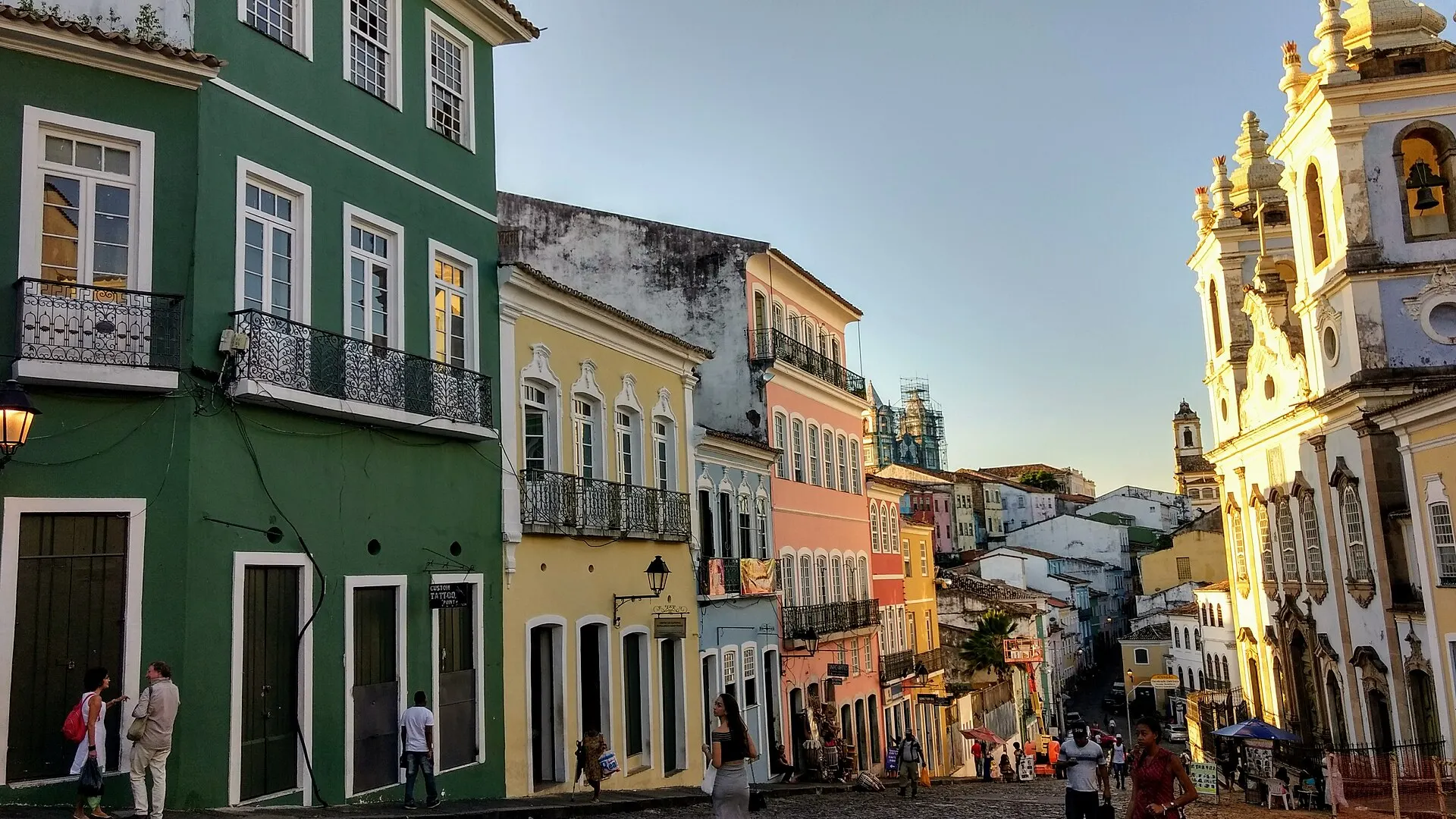
- Walk the Pelourinho. The UNESCO-listed old town is the reason most people come: pastel colonial mansions, the gold-leaf São Francisco church and squares where capoeira and drumming fill the air. Three hours covers the highlights on foot; the four-hour version folds in the museums of Afro-Brazilian history and art, and is the one we usually recommend.
- Eat your way through Bahia. A guided food tour is the fastest education in the city: street-stall acarajé fried in dendê palm oil, a proper moqueca de peixe served in its clay pot, tropical fruits and sweets, with the Afro-Brazilian story behind every bite. The moqueca arrives in no particular hurry. Follow its example.
- Step into the roda. A hands-on capoeira taster with a local mestre, the Afro-Brazilian art of resistance disguised as dance, born here in Bahia. You learn the ginga sway, the basic kicks and the call-and-response songs, all to the twang of the berimbau. Understanding the ginga takes about a minute. Doing it takes the rest of the session, and the mestre knows that before you arrive.
- See both floors of the city. Salvador is built on two levels, an upper city on the cliff and a lower city on the bay, joined by the Lacerda Elevator. A full day covers the churches of the old town, the Mercado Modelo, the ribbon-tied Bonfim church and the lighthouse and beaches out at Barra. In the heat we cover the wider city by private air-conditioned vehicle and save the walking for the old town.
What is the Pelourinho, and does it live up to the photos?
The Pelourinho is the cobbled heart of colonial Salvador, a UNESCO World Heritage old town of baroque churches and Afro-Brazilian museums, and yes, it earns the photographs.
The caveat is practical rather than romantic: the layout is confusing, the best of it sits behind doors you would walk past, and the difference between a lively street and one to skip is not obvious to a visitor.
This is the part of Salvador where a private guide changes the day most. We guide the historic centre and the day trips, and we leave your beach time free, because a long lunch by the water needs no commentary.
Which day trips from Salvador are worth it?
Three, and they do different jobs, so the third day usually turns into the hardest decision of the trip.
- The Recôncavo: Cachoeira and São Félix. A day into the green sugar-and-tobacco country that built colonial Bahia. The twin towns face each other across the Paraguaçu river, joined by an old iron bridge: baroque churches, cigar workshops, deep candomblé heritage and a slow riverside lunch, far from the tourist trail.
- Itaparica Island and the quilombo of Tereré. Across the Bay of All Saints to the large island that shelters it, and a visit to Tereré, a community founded by descendants of formerly enslaved Africans, for its living traditions, crafts and food. Afterwards, the island's calm, palm-backed beaches. A rare, respectful window into Afro-Bahian life.
- The Santo Antônio dunes and the Imbassaí. Up the Costa dos Coqueiros to where white dunes roll down to the sea, then a gentle kayak along the Imbassaí, the freshwater river that winds behind the beach between coconut palms before it finally meets the Atlantic.
When is the best time to visit Salvador?
Salvador is warm and tropical all year, so the honest question is rain rather than temperature. The sunniest, driest stretch runs roughly September to March.
April to July is the rainier side of the year on this coast, which still leaves dry hours most days, and August is usually sunny, dry and excellent for the beaches.
Carnival is its own calculation. It usually falls in February, sometimes early March, and it is the single biggest price and demand surge of the Brazilian year, with Salvador and Rio at the centre of it. Hotels sell out, minimum-night rules tighten and rates spike. Spectacular if it is what you came for; if it is not, we simply plan your dates around it.
Is Salvador safe for tourists?
Salvador is a big city and, like any big city, rewards local know-how, which is exactly what a private guide provides.
Your guide is with you through the day, steering you to the right areas at the right times, and their simple, sensible advice covers your free evenings too. We will not tell you any city is simply safe, because that sentence is never quite true anywhere. We tell you what the guide removes, which here is most of it, and we stay a message away for the rest. The longer answer, city by city, is in our guide to whether Brazil is safe for tourists.
How many days do you need, and what does it cost?
Two to three days is the sweet spot. Two cover the Pelourinho, the food tour and the capoeira taster; a third buys you one of the day trips or a slower pace through the museums.
We only plan private, tailor-made trips: your own English-speaking Bahian guide, every transfer in a private air-conditioned vehicle, and hand-picked boutique hotels in the historic Old Town. As an anchor while you plan, three days in Salvador start at US$600 per person, privately guided with accommodation and transfers included, the same figure that anchors our two week Brazil itinerary. We are not the cheapest way to see Salvador, and we will say so plainly: a shared city tour beats us on price every time. What we sell is the city with someone who lives in it, at your pace, in your language.
And what will go wrong, because every honest page needs this paragraph: the heat owns the early afternoon, and this coast can produce a tropical shower at short notice in the winter months. We build your days so the walking happens early, the vehicle carries the hottest hours, and the order swaps when the sky says so.
What does Salvador combine with?
Almost everything on the northeastern coast, and one big thing inland.
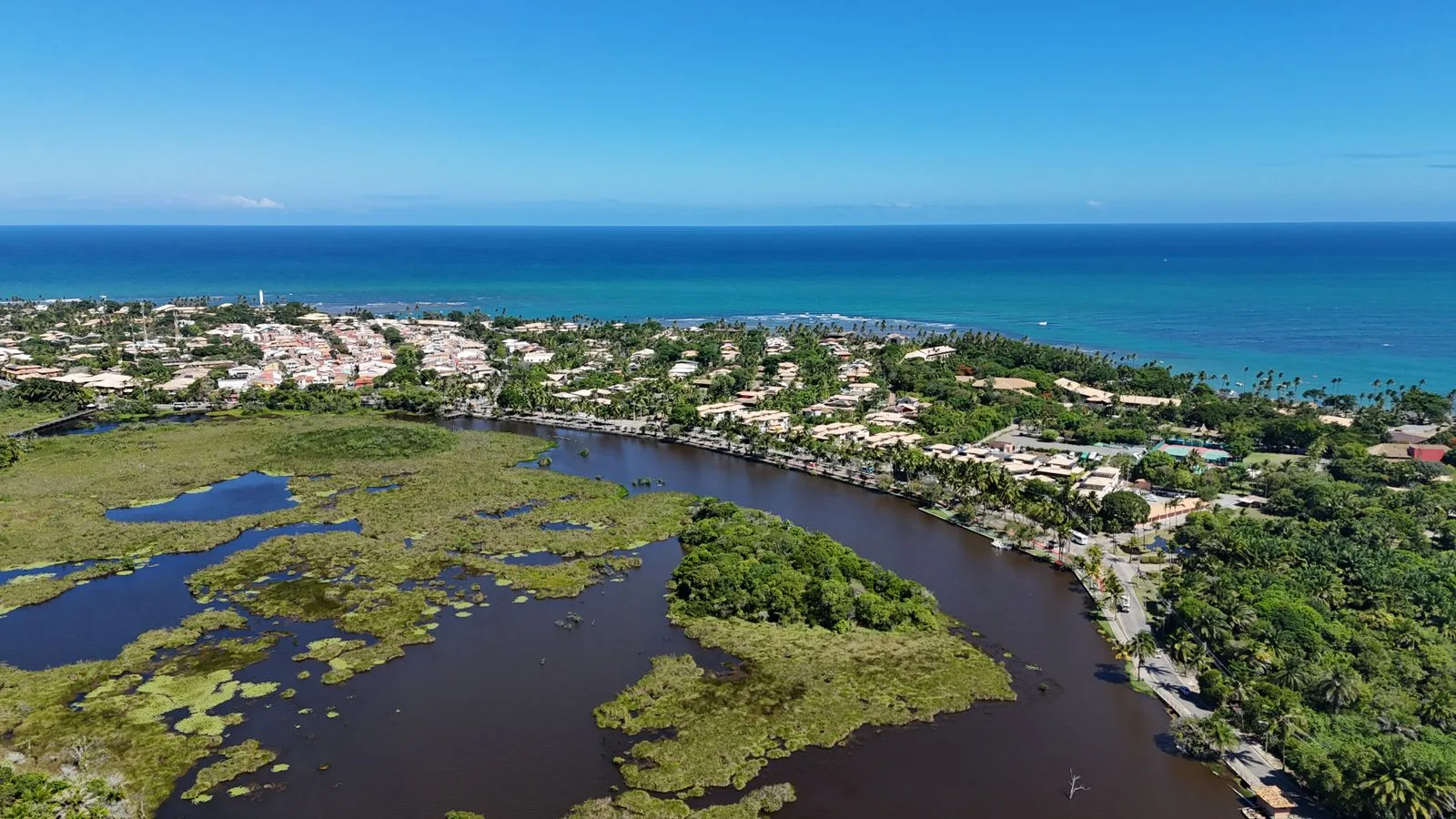
Most travellers finish with slow beach days up the coast at Praia do Forte, a laid-back former fishing village that hosts Projeto Tamar, Brazil's sea-turtle conservation programme; the car-free island of Morro de São Paulo to the south is a lovely alternative.
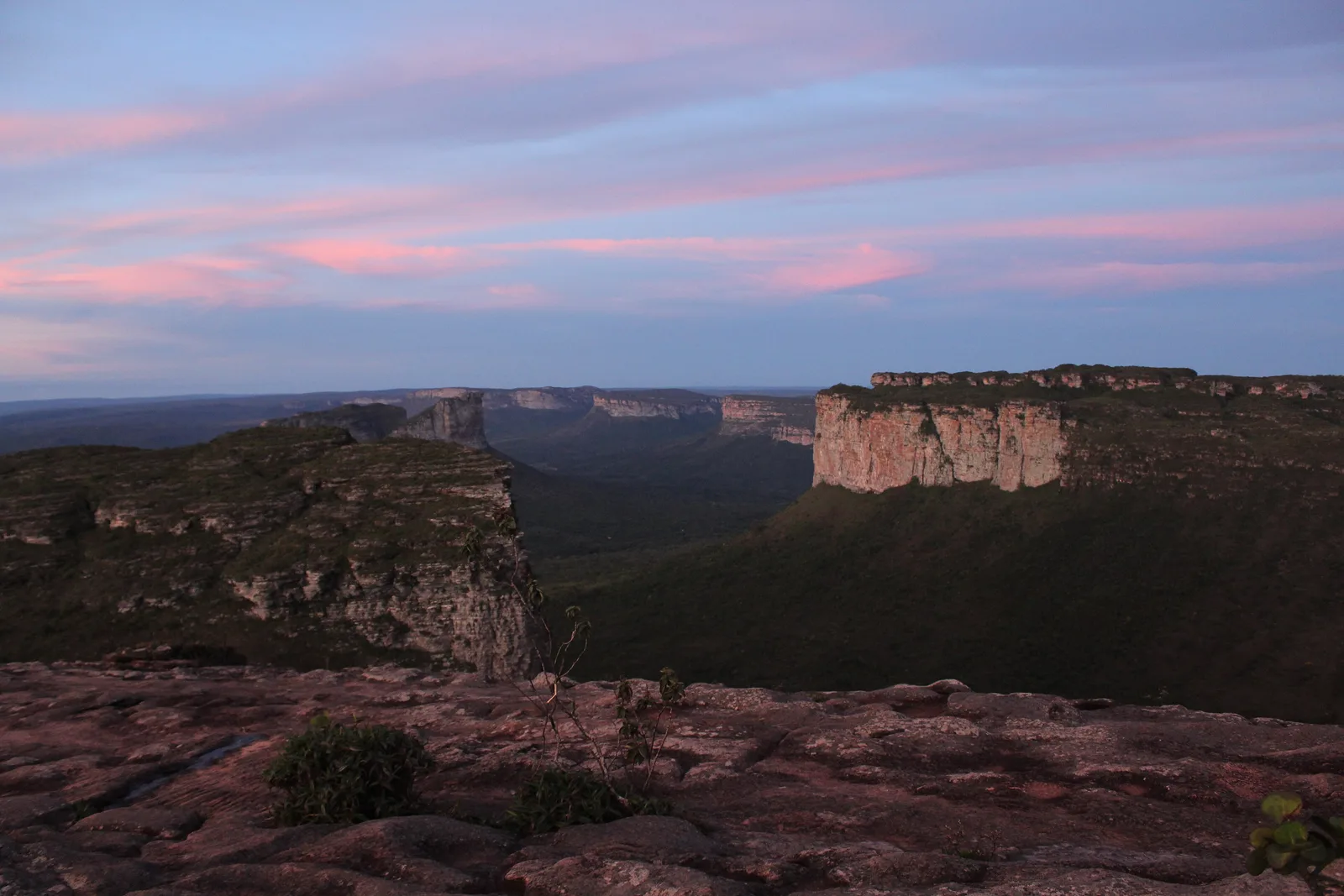
Inland, Salvador is the gateway to the Chapada Diamantina: short flights run to Lençóis at the edge of the national park, the road takes roughly six hours, and either way the park deserves at least three nights.
Rio de Janeiro connects on a frequent, often inexpensive direct flight, which is why Salvador slots so neatly into a longer route. How we build the city itself, day by day, is on our Salvador destination page.
Summary FAQ
What is Salvador, Brazil known for? Salvador is Brazil's first capital, founded in 1549, and the heart of Afro-Brazilian culture: the UNESCO-listed Pelourinho old town, capoeira, candomblé traditions, Olodum drumming and the Bahian kitchen of acarajé, moqueca and dendê palm oil.
How many days do you need in Salvador? Two to three days. Two cover the Pelourinho and its museums, a Bahian food tour and a capoeira taster; a third opens up a day trip to the Recôncavo towns, Itaparica Island or the dunes and river north of the city.
When is the best time to visit Salvador? The city is warm all year. The sunniest, driest months run roughly September to March; April to July sees more rain. Carnival, usually in February, is spectacular and very busy, with the year's highest prices.
Is Salvador worth visiting? Yes, and it is unlike anywhere else in Brazil. It rewards culture, history and food more richly than any other Brazilian city we plan, and it doubles as the gateway to the Bahia coast and the Chapada Diamantina.
Is Salvador safe? It is a big city and rewards local know-how. A private guide steers you to the right areas at the right times and covers your free evenings with simple, sensible advice, which removes most of the risk that worries first-time visitors.
How do you get to Salvador? Salvador connects to Rio de Janeiro on a frequent, often inexpensive direct flight, so it slots easily into a wider Brazil route. From the city, short flights reach Lençóis for the Chapada Diamantina, and Praia do Forte is a private transfer up the coast.
If pastel streets, drum rhythms and the best kitchen in Brazil sound like your kind of trip, tell us your dates and interests and you will have a personal, non-binding proposal within 24 hours. If you are still deciding where Salvador fits in the larger route, tell us that instead. It fits more places than you would think.
Official sources
The rules and figures in this article come from the official bodies below. They change, so check them for your own dates.
- INMET, the national meteorological institute · Governo Federal do Brasil
- Projeto TAMAR, Brazil’s national sea turtle conservation programme · Fundação Projeto Tamar
- Brazil Travel Advisory · U.S. Department of State
- Salvador da Bahia
- Bahia
- Destination guide
Turn it into your own Brazil trip
Tell Robin your dates and what caught your eye, or pick the destinations and experiences you love and send us your own route to plan.
Non-binding, a personal reply within 24 hours, in English or German.