
Right after "when should we come," this is the question we hear most often: "Is Brazil actually safe?" We live here year-round, so we'll give you the same honest answer we give every guest on their planning call, not a blanket yes or no, but what actually matters, and where.
Quick answer: Brazil is not more dangerous than most people imagine once you know two things: which situations to avoid, and that a private guide removes almost all of them. Millions of tourists, including solo travellers and families, visit safely every year. The real risk in Brazil, like most of the world, is concentrated in specific places and specific moments, petty theft in crowded tourist spots, certain neighbourhoods after dark, not everywhere, all the time.
Where in Brazil is safest?
Brazil's big cities, Rio de Janeiro, São Paulo, Salvador, need the most local know-how: which neighbourhoods and hours to enjoy freely, and a good guide steers you there automatically.
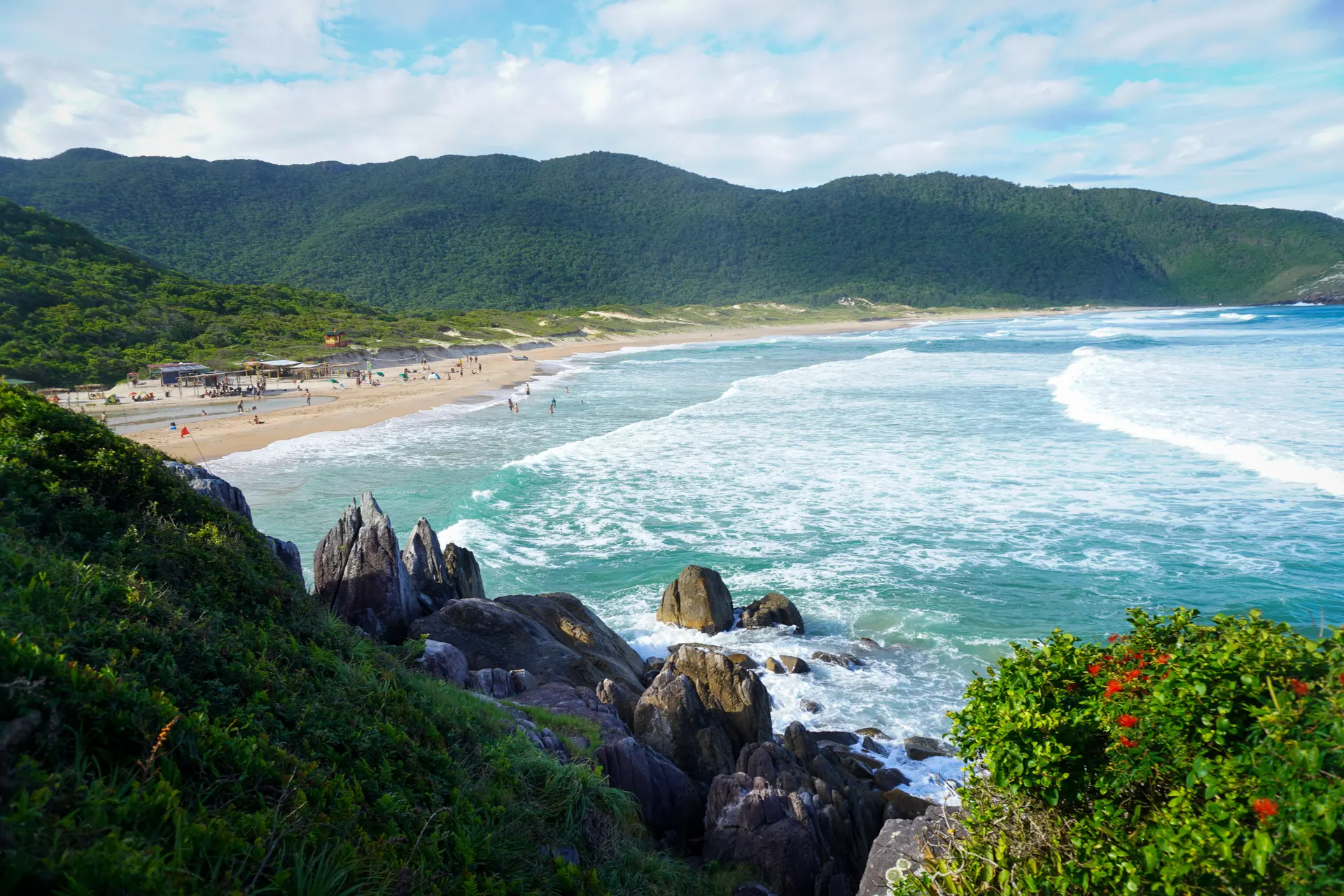
Away from the big cities, places like Florianópolis, Paraty and Ilha Grande are noticeably more relaxed, closer to how a small beach town anywhere feels, where the real things to respect are the sun, the sea and the trails, not the streets. The wild regions, the Amazon and the Pantanal, are safe in a different way: professional guides trained in survival and first aid manage the actual variable there, nature.
What a private guide actually changes
This is the honest core of it: almost every safety concern a solo, independent traveller has in Brazil, which taxi to trust, which street to avoid at 9pm, whether that beach vendor is legitimate, simply doesn't arise when you're with a private, English- or German-speaking guide who lives there.
Your guide reads the city the way you read your own hometown. That's the entire reason we exist as a private, guided operator rather than a marketplace of city tours: it isn't a luxury layer, it's the actual safety mechanism.
Entry requirements and money myths
Two questions come up so often they deserve a direct answer here. No, you don't need to show $2,000 or any specific sum to enter Brazil as a tourist, that isn't a real requirement.
What you do need depends on your passport: US citizens have needed an e-Visa since April 10, 2025 (apply online, about $80.90, valid 10 years); German, Austrian and Swiss citizens still enter visa-free for stays of up to 90 days. On cost: Brazil isn't a cheap-and-cheerful backpacker country the way $100 stretches in parts of Southeast Asia, but it's meaningfully cheaper than Western Europe or the US for food, transport and guided days. We'll cover real trip budgets properly in a separate article.
Is Rio de Janeiro safe?
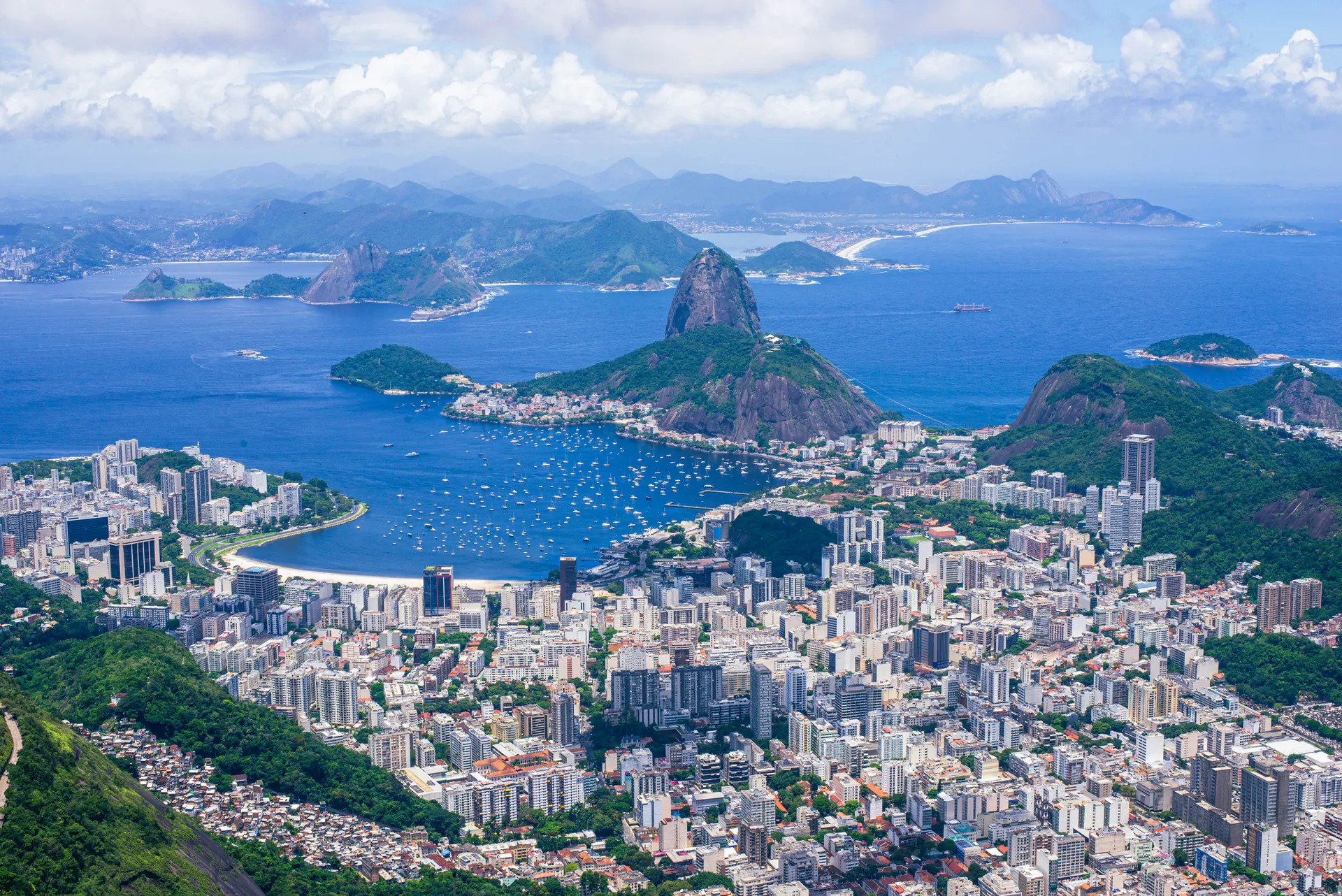
Yes, with the same specificity the rest of this page argues for. Rio's risk is concentrated, not spread: it sits in particular neighbourhoods, at particular hours, and around particular behaviour, and almost none of it overlaps with where visitors actually spend their days.
The Zona Sul, meaning Copacabana, Ipanema, Leblon, Botafogo and Flamengo, is where you will stay, eat and swim, and it is the most policed part of the city.
The honest specifics, because vague reassurance helps nobody:
- The common crime is opportunistic theft, not violence. A phone taken from a table on a beach kiosk or from a hand at a crossing. If it ever happens, hand it over. Nothing you are carrying is worth contesting, and this is the single piece of advice every resident here would give you first.
- Centro empties out. The historic centre is worth a morning and turns quiet after office hours and at weekends. Go with a guide, go in the daytime, and let the evening belong to Lapa or Santa Teresa.
- Beaches change character after dark. Copacabana at 8am is joggers and coconut sellers. The same sand at midnight is not where you want to be carrying a camera.
- Take Uber or a hotel car, not a street cab. The route is recorded, the fare is fixed, and there is no negotiation on a kerb.
- Favelas are not a sightseeing stop. Some are visited responsibly with community-run operators, most are not, and a wrong turn on a map app is the classic way visitors end up somewhere they should not be.
The part nobody writes down: Rio rewards looking like you know where you are going. Phone in the pocket rather than in the hand on the street, camera out where everyone else's is out. That single habit removes most of what actually happens to visitors here.
City by city, briefly
- Rio de Janeiro: Wonderful and completely manageable with a guide who knows which neighbourhoods to enjoy and when. Avoid wandering favelas or empty beaches after dark without one.
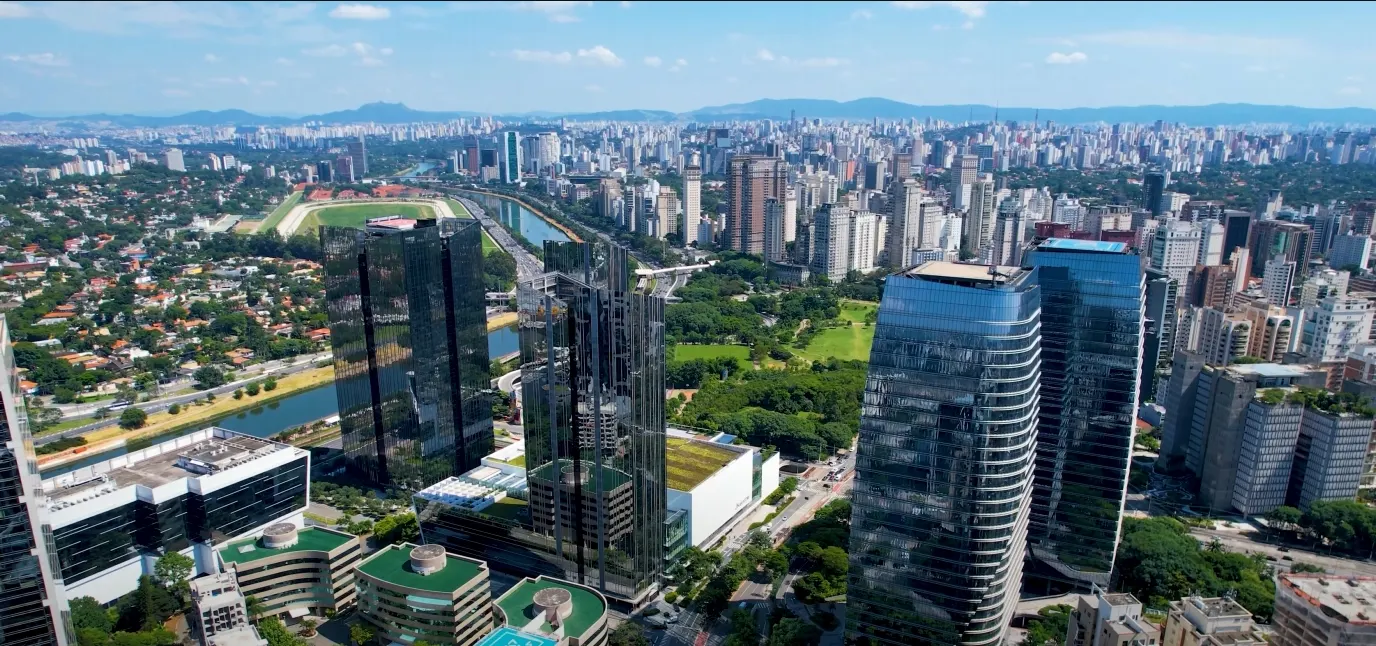
- São Paulo: Huge, but as a business and gateway city it's straightforward with basic city sense, stick to well-populated areas at night, as anywhere this size.
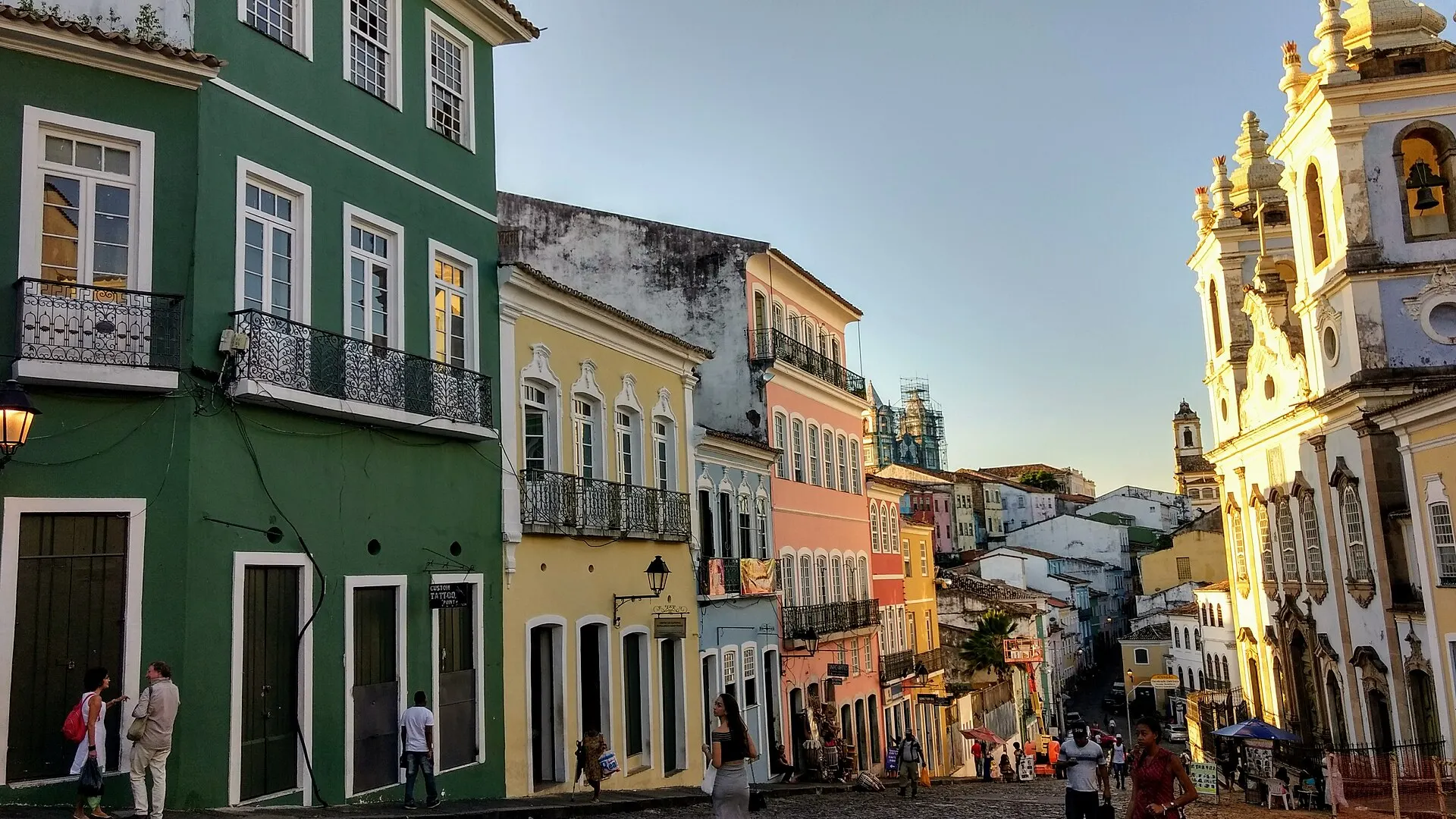
- Salvador: Historic and beautiful, and, like Rio, rewards knowing the right neighbourhoods and hours, which is exactly where a guide earns their keep.
- Florianópolis: One of the most relaxed stops on the whole trip, an island of beaches and small towns, not a big-city risk profile at all.
A few concrete habits, wherever you go
your private guide for each destination will pick you up at the airport and will give you more insights on this matter for the respective destination but usually uber or hotel arranged transports are very reliable and safe rather than hailing cabs on the street.
Leave the passport in the hotel safe and carry a photo of it plus a copy. Keep phones and cameras low-key in busy squares and on beaches (a beach bag, not a flashy strap, holds up fine). Swim only where locals are swimming. None of this is Brazil-specific caution, it's the same common sense as any major city or beach destination, just worth saying out loud once.
So, should you come?
Yes. We've lived here for years, raised this question with hundreds of guests, and watched nearly all of them leave saying the place felt far friendlier and safer than they expected.
Tell us your dates and where you'd like to go, and we'll build the trip, and the honest safety briefing that comes with it, around exactly that. Every one of our signature journeys is built on that arrangement, first stop to last.
Summary FAQ
Is Brazil safe for tourists? Yes, with the specificity this page argues for. Risk in Brazil is concentrated in particular neighbourhoods and hours rather than spread across the country, and the places visitors actually spend their time are not the places that carry it. The most common problem is opportunistic theft, not violence.
Is Rio de Janeiro safe? Yes, in the Zona Sul where you will be staying, which covers Copacabana, Ipanema, Leblon, Botafogo and Flamengo and is the most policed part of the city. Take Uber rather than street cabs, keep the phone in a pocket on the street, treat the historic centre as a daytime visit, and stay off the beaches after dark.
What should you do if you are robbed in Brazil? Hand over what is asked for without hesitating. Nothing you are carrying is worth contesting, and this is the first thing any resident here will tell you. Report it afterwards for the insurance, and travel with a photo and a copy of your passport so the original can stay in the hotel safe.
Is Brazil safe for solo female travellers? Yes, and it is a question we get often enough to answer properly rather than briefly. The practical advice is the same as the general advice with one addition: arrange your airport pickup in advance rather than sorting transport on arrival, which is the moment of a trip where people are most tired and least sure of where they are.
Is Brazil safe for families with children? Yes, and it is one of the easier long-haul destinations for it. Brazilians are warm toward children in a way that surprises most of our guests, and the beach and wildlife regions carry a completely different risk profile from the big cities. We cover the practical side in Brazil with kids.
Do you need vaccinations for Brazil? That is a question for a travel medicine clinic and not for a tour operator, and we would rather say so than guess. Bring the question to a doctor early, because some recommendations need lead time.
Official sources
The rules and figures in this article come from the official bodies below. They change, so check them for your own dates.
- Brazil Travel Advisory · U.S. Department of State
- Official Brazil e-Visa portal · Government of Brazil / VFS Global
- CADASTUR, the register of licensed Brazilian tour operators · Ministério do Turismo
- Travel planning
- Safety
- Practical tips
Turn it into your own Brazil trip
Tell Robin your dates and what caught your eye, or pick the destinations and experiences you love and send us your own route to plan.
Non-binding, a personal reply within 24 hours, in English or German.