
Three weeks in Brazil is more vacation than most Americans have, and that is worth saying out loud before anything else. If you are reading this you have either saved it up deliberately or you are between jobs, and either way the question is not whether Brazil can fill three weeks. It is what the third week actually buys you.
Quick answer: Three weeks gets you three very different Brazils instead of two. The extra week only earns its place if you spend it on a different landscape rather than a fourth stop on the same loop. Budget roughly 5,000 to 6,800 US dollars per person for the time on the ground, privately guided, flights separate. And pick your travel window before your route: July to September is the only stretch where the Pantanal, the Amazon and the Lençóis are all at their best at once.
Is three weeks enough time in Brazil?
Not for the country. Brazil is larger than the contiguous United States, and anyone expecting an overview in three weeks goes home feeling short-changed.
For a good trip it is more than enough, for one specific reason. At two weeks the arithmetic forces a choice on you, the coast and the rainforest, or the coast and the wildlife, not both. The third week takes that choice away. That is the whole value, and it is a lot.
What it does not do is turn one trip into two. We have had guests come back from three weeks having seen more than others manage in two separate trips, and we have had guests come back worn out because there were seven domestic flights on the schedule. The difference was never the length.
What is the best three week Brazil itinerary?
Three combinations work reliably. All of them build on the classic loop and spend the extra week somewhere different.
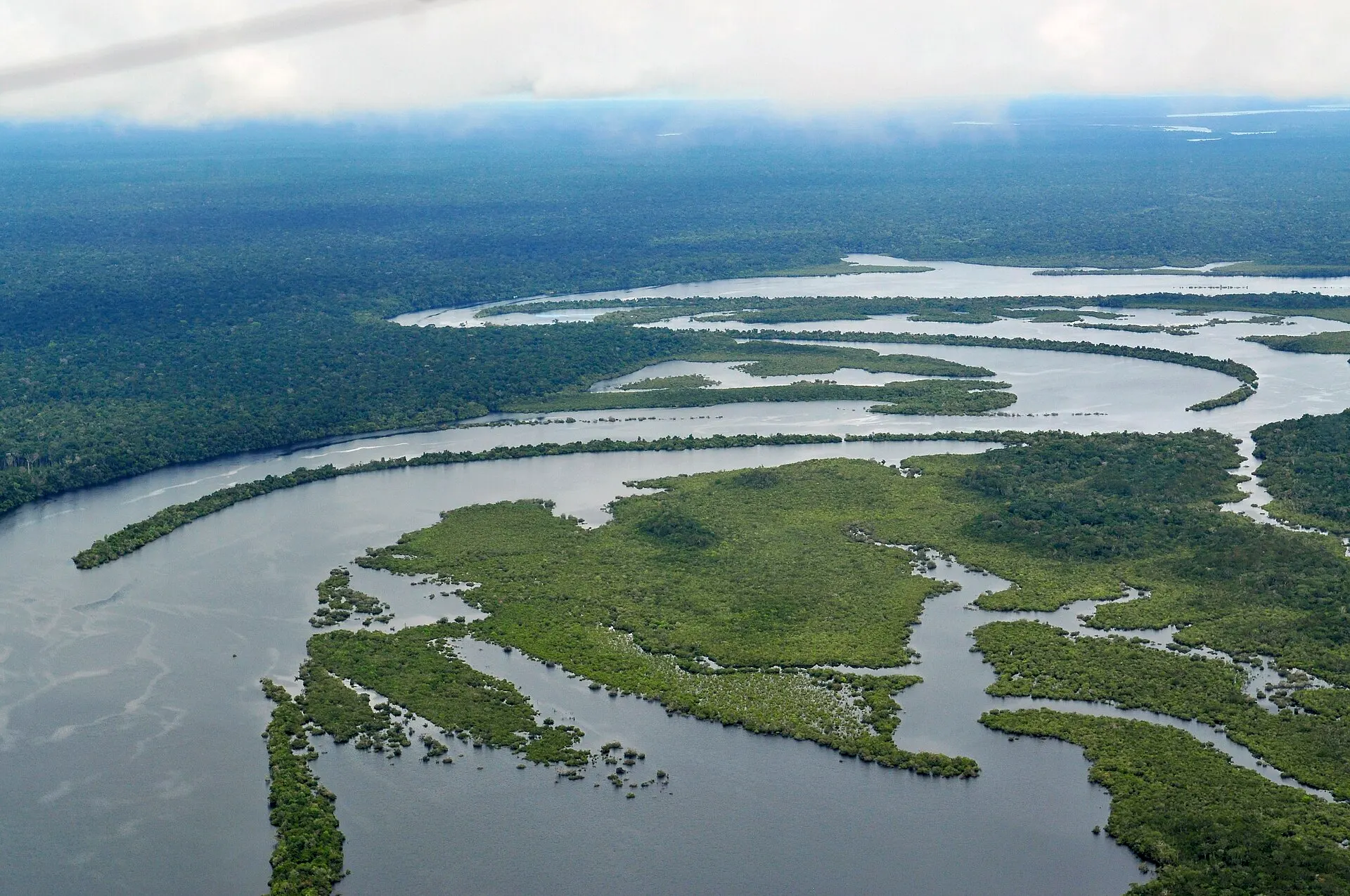
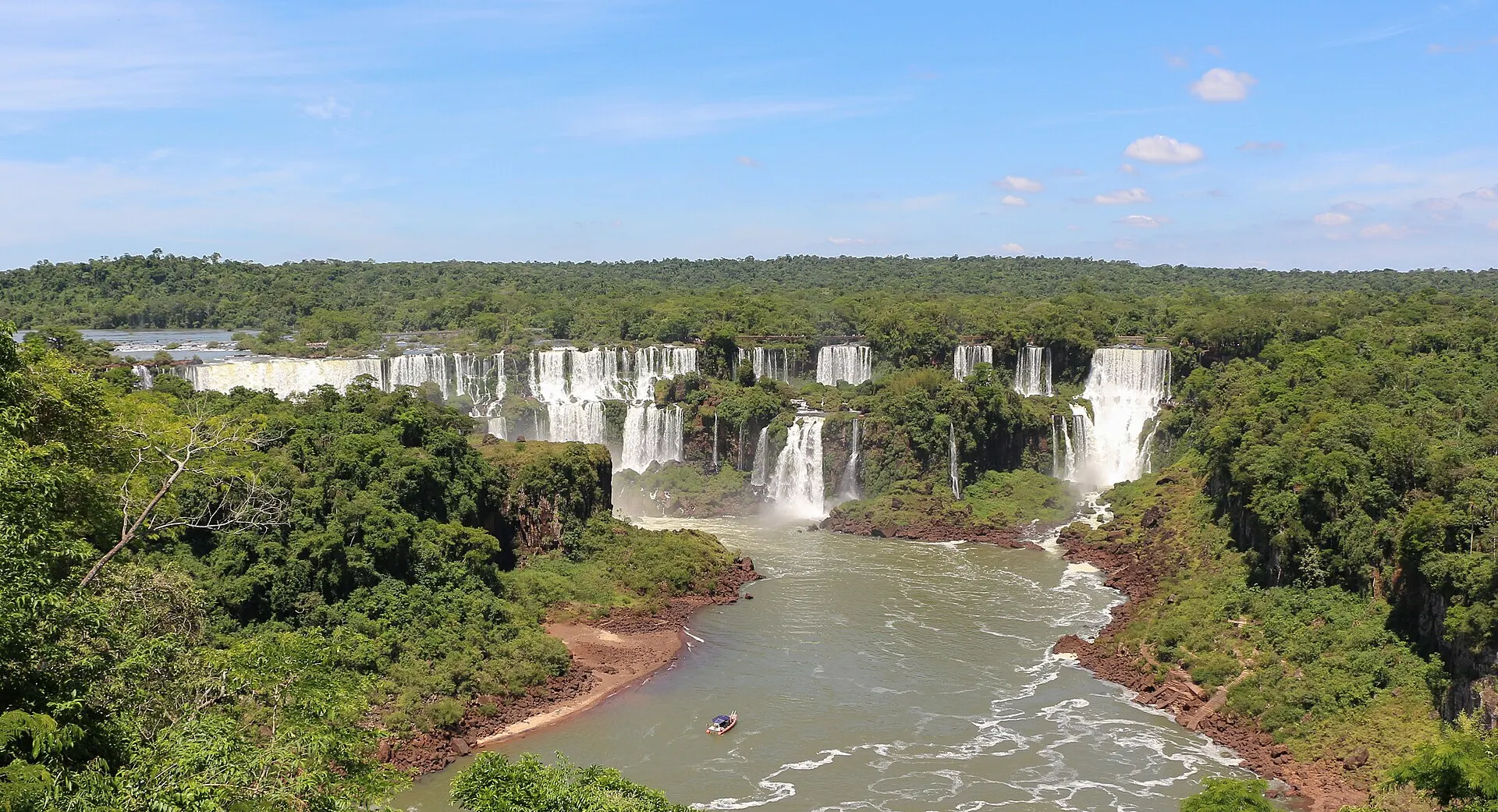
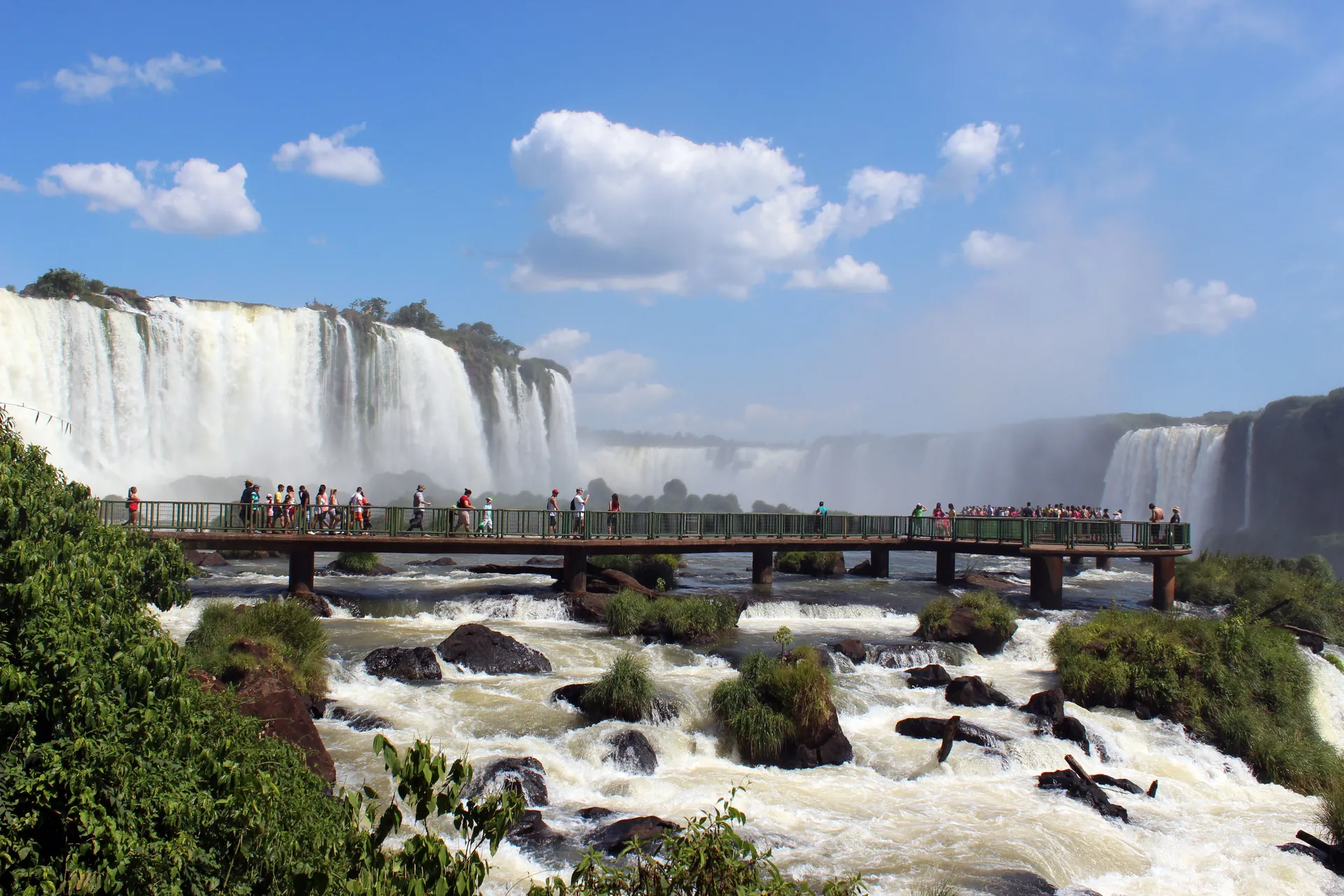
1. Rio, Iguaçu Falls, the Amazon, the Pantanal. The first-trip route when you have the time. Four days in Rio, three at the falls, four in the rainforest, five in the wetland. City, water, forest and open plain, four landscapes with nothing in common. It is also the most demanding of the three, because it needs four domestic flights.
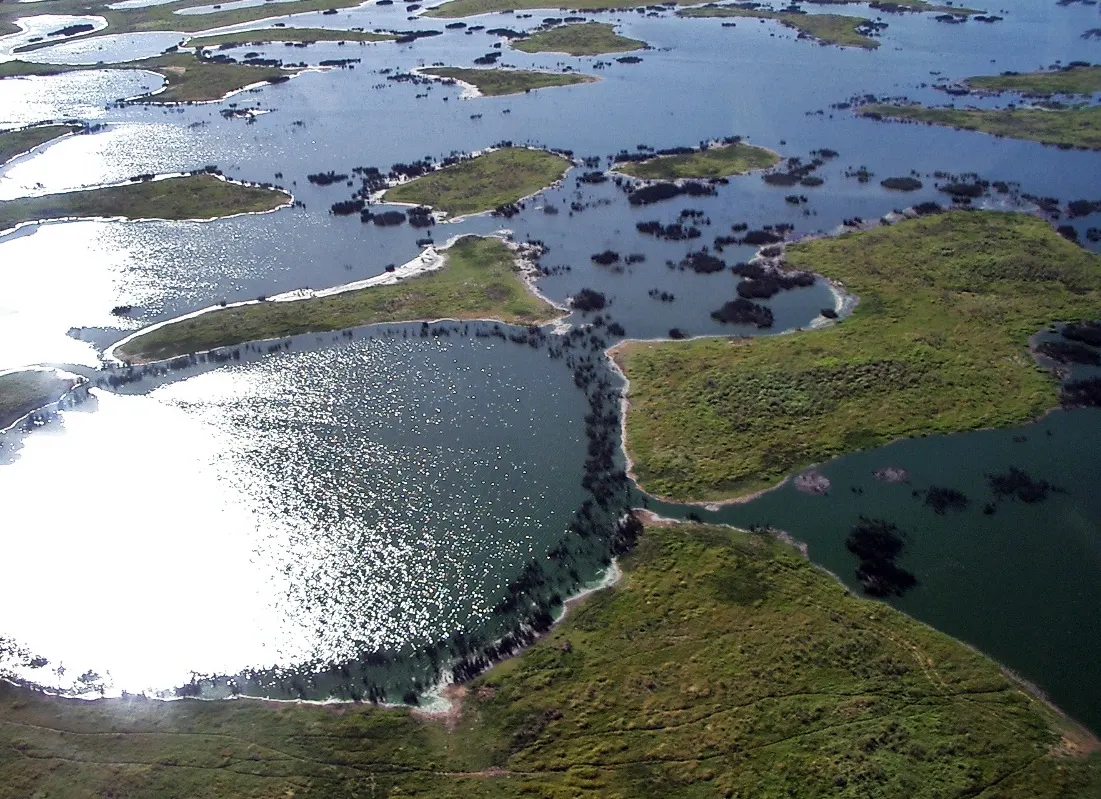
2. Rio, the Pantanal, the Lençóis Maranhenses. Fewer stops, deeper days. Four days in Rio, six in the Pantanal, which is the best place on earth to see wild jaguars, then the dunes in the northeast with their rainwater lagoons. Our Wildlife and Nature journey is built around the first two.
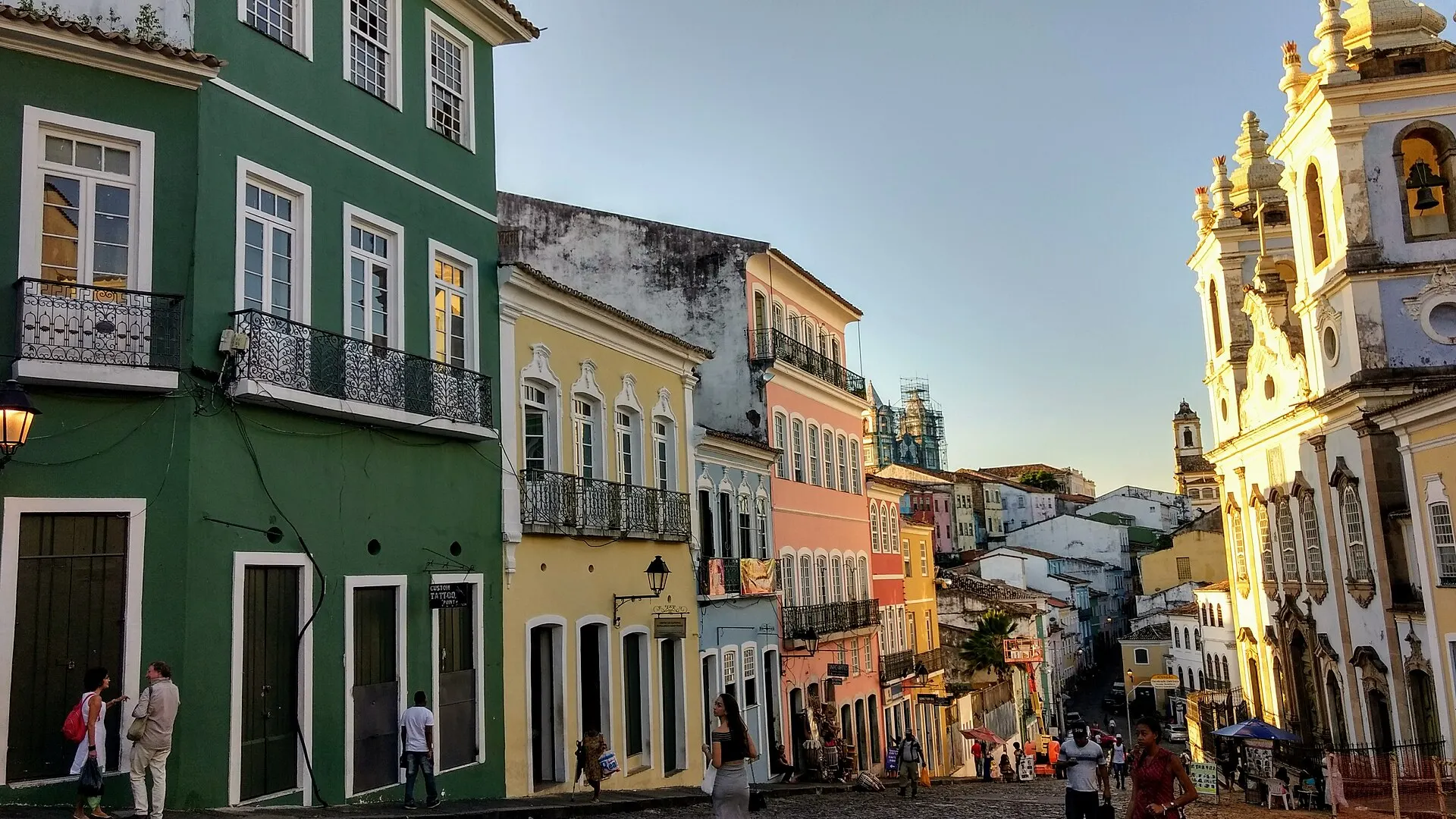
3. Rio, Salvador, the northeast coast, the Amazon. The most relaxed of the three. If your third week is meant to be rest rather than another landscape, put it on the coast above Salvador and fly north afterwards. This route also handles the southern rainy months better.
If you want to compare the shorter version, the routes and the full cost breakdown are in our two week Brazil itinerary.
When should you go for three weeks?
This is the part most route suggestions online leave out, and it shapes your trip more than the order of the stops.
The three regions that make a third week worth having each have a narrow window:
- The Pantanal: June to October, the dry season, when animals gather at whatever water is left.
- The Amazon: low water runs roughly July to December. High water from January to June is not worse, it is a completely different trip, with boats gliding through flooded forest.
- The Lençóis Maranhenses: the lagoons fill between May and September, and they are fullest and deepest blue from June to August.
Lay those over each other and you get July to September. That is the window where three weeks shows you all three at their best.
The honest cost of that window: July is the most expensive month in the Pantanal, because Brazilian school holidays fall there and the lodges are small. If you want July, book six months out, or availability picks your route instead of you.
If your time off falls elsewhere, that is not a reason to skip Brazil. It is a reason to spend the third week differently. In February we will not build you a jaguar safari, we will build coast and culture, and we will tell you why before you ask.
How much does three weeks in Brazil cost?
We can only do this honestly with our own 2026 prices, since anything else would be a guess. They are per person, privately guided, and cover accommodation, transfers, guided touring and your own guide throughout. Domestic and international flights are quoted separately.
Time on the ground starts at:
- Rio de Janeiro, 4 days: from 800 US dollars
- The Amazon, 4 days: from 950 US dollars
- The Pantanal, 5 days: from 1,800 US dollars
- Iguaçu Falls, 3 days: from 800 US dollars
- Salvador, 3 days: from 600 US dollars
A fourteen day combination of Rio, the Amazon and the Pantanal therefore starts around 3,500 to 4,000 US dollars. For the third week, carry the same day rate forward, 200 to 400 US dollars per person per day for privately guided travel, so 1,400 to 2,800 dollars. Together that is roughly 5,000 to 6,800 US dollars per person for three weeks on the ground.
Where you land inside that range comes down to two things, the standard of the lodging and how full you want the days to be. The Pantanal and the Lençóis carry the highest day rates, and the reason is unglamorous. The lodges are small and remote, supplied by dirt road or by boat, and the guiding there is specialist work.
Here is the sentence that costs us money. If your budget for the whole trip is 3,500 dollars, we are not your operator.
What the third week should not be
Four more one-night stops. That is the mistake we cut from draft itineraries more than any other.
Last year a couple had planned a third week made of Belo Horizonte, Brasília, Recife and Fortaleza, one night each. On paper, four new places. In practice, four airport mornings, four check-ins and one half day where they might actually have arrived somewhere. We proposed six nights in the Pantanal instead. The email we got afterwards had a jaguar's name as the subject line, an animal their guide has known for years.
If your third week would be mostly transit, we will tell you. Sometimes the more honest suggestion is to keep it to two weeks and come back.
How many domestic flights is too many?
Four over three weeks is the ceiling we work to, and the first route above sits right on it.
Each flight costs about half a travel day once you count the checkout, the transfer and the arrival that lands too late to use, so four of them is roughly two days of your twenty-one spent moving.
That is the real difference between the three routes rather than the destinations in them. Rio, the Pantanal and the Lençóis has fewer legs and deeper days. The coast route has the fewest of all, because Rio, Salvador and the beaches above it string along one coastline.
If an itinerary you are reading anywhere has six or seven internal flights in three weeks, the length is not the problem, the shape is. Our guide to getting around Brazil sets out which legs genuinely need a flight and which are better done another way.
What if your window is not July to September?
Then change the third week, not the trip. This is the most common conversation we have and it almost never ends with somebody staying home.
December to March. The southern summer. The Pantanal is flooded and its animals dispersed, so the third week goes to coast and culture instead, Salvador, the beaches above it, Paraty. Carnival falls in this window and is the biggest price and demand surge of the Brazilian year, which our Carnival planning guide covers in full.
April to June. The shoulder, and the window nobody writes about. The Amazon is still in high water, which is a canoe trip between the treetops of the flooded forest rather than a walking one, and the Lençóis lagoons are filling from May. Quieter and better value than the peak.
October and November. The dry season turning. The Pantanal still works well into October, Iguaçu is carrying water, and November sits just before the December rush, which makes it one of the better-value months of the whole year.
Summary FAQ
Is three weeks too long for Brazil? Not for the country, which is larger than the contiguous United States. It is only too long if the extra week becomes a fourth stop on the same loop instead of a genuinely different landscape.
What is the best three-week Brazil itinerary? Three shapes work reliably: Rio, Iguaçu, the Amazon and the Pantanal for a first trip with time; Rio, the Pantanal and the Lençóis Maranhenses for fewer stops and deeper days; and Rio, Salvador and the northeastern coast with the Amazon if the third week is meant to be rest.
When is the best time to go for three weeks? July to September. That is the only stretch where the Pantanal dry season, Amazon low water and the full Lençóis lagoons overlap. July is the most expensive month of the three because of the Brazilian school holidays.
How much does three weeks in Brazil cost? Roughly 5,000 to 6,800 US dollars per person for the time on the ground, privately guided, with flights quoted separately. That is a fourteen-day base of about 3,500 to 4,000 dollars plus 200 to 400 dollars per person per day for the third week.
How many internal flights should a three-week trip have? Four at most. Each one costs about half a travel day, so six or seven flights means roughly three of your twenty-one days spent in transit rather than anywhere.
Should you do three weeks or come back twice? If your third week would be mostly transit, come back. We say so when we see it, and sometimes the honest proposal is a two-week trip and a second visit rather than a longer first one.
Tell us your dates and what you want to see, and you will have a personal, non-binding proposal within 24 hours. If your window does not fit the route you had in mind, that will be in the proposal before you have to ask.
Official sources
The rules and figures in this article come from the official bodies below. They change, so check them for your own dates.
- Official Brazil e-Visa portal · Government of Brazil / VFS Global
- Brazil Travel Advisory · U.S. Department of State
- CADASTUR, the register of licensed Brazilian tour operators · Ministério do Turismo
- itinerary
- planning
- costs
- three weeks
Turn it into your own Brazil trip
Tell Robin your dates and what caught your eye, or pick the destinations and experiences you love and send us your own route to plan.
Non-binding, a personal reply within 24 hours, in English or German.