

I came to Brazil from Germany and stayed. I plan Brazil itineraries every working day of the year, and I have seen enough of them to say this plainly: almost every disappointing Brazil trip we hear about was lost at the planning stage, not on the ground.
The country punishes a plan built in the wrong order. People pick the flights first, then discover that the month they booked is the month the lagoons in the Lençóis Maranhenses are dry. Or they fit five regions into twelve days and spend a third of the trip in airports instead of getting to know the wonderful destinations.
So here is the order we actually use. Same sequence every time, whether the trip ends up as ten days or four weeks.
Quick answer: Plan a Brazil trip in this order. Fix your travel window first, because the best seasons of the Pantanal, the Amazon, the northeastern dunes and the coast do not overlap. Then choose two or three regions, not five. Allow eight to ten days as a realistic minimum, and fourteen to eighteen for a first trip that combines a city with nature. Book internal flights last, once the ground plan is fixed. They normally run through us, so a cancellation or delay does not break the rest of the trip. For privately guided travel with accommodation, transfers, guided touring and activities included, budget roughly US$200 to US$400 per person per day, and expect a two week trip to start around US$3,000 per person for the time on the ground, before any flights.
How many days do you need in Brazil?
Eight to ten days is the realistic minimum for a first trip, and fourteen to eighteen days is what we recommend when you want to combine a city with a nature region. Brazil is larger than the contiguous United States. A week here buys you one region, not a country.
These are the stays we actually plan for each place, counted as time on the ground and not including the flying between them:
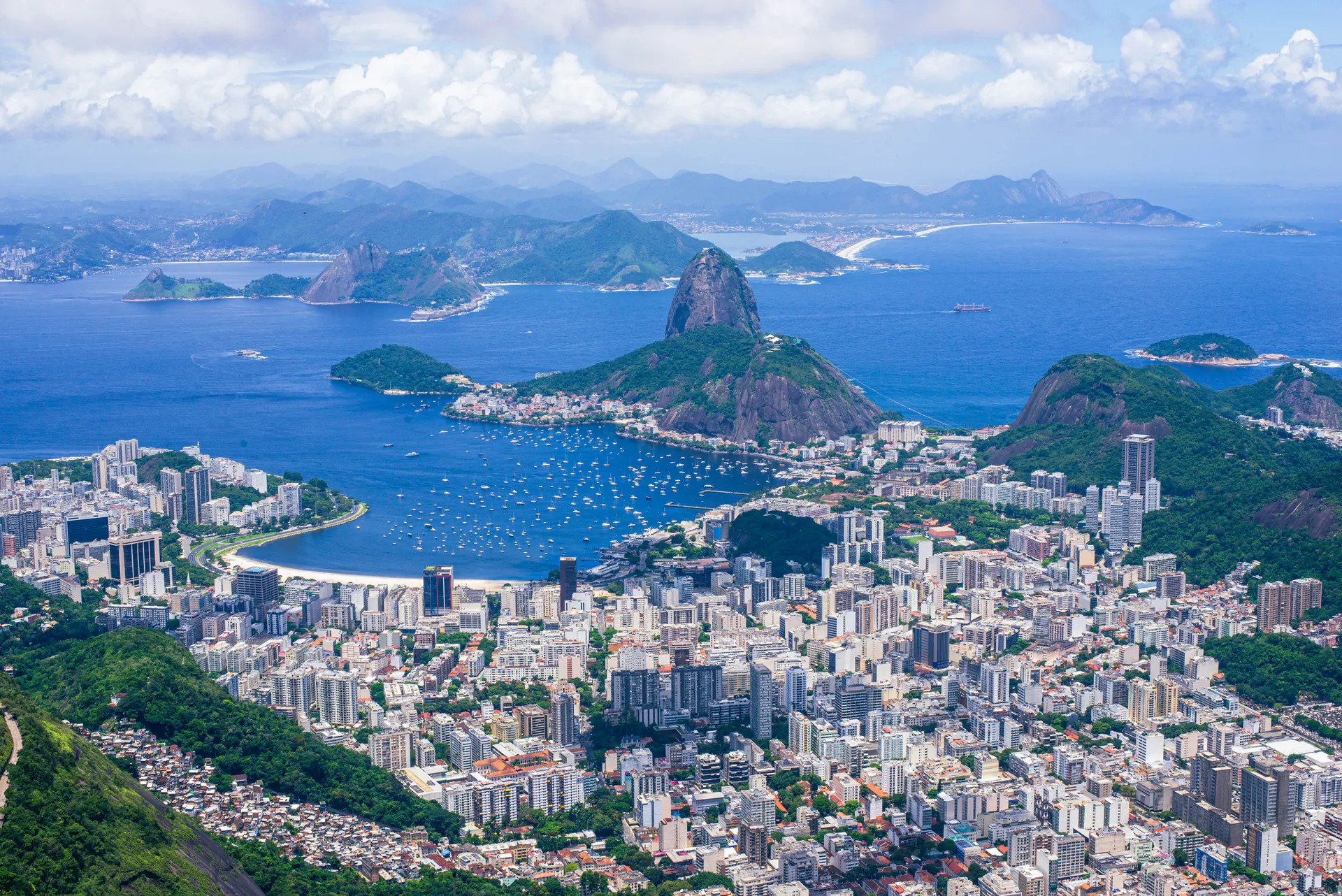
- Rio de Janeiro: 4 days
- São Paulo: 2 days
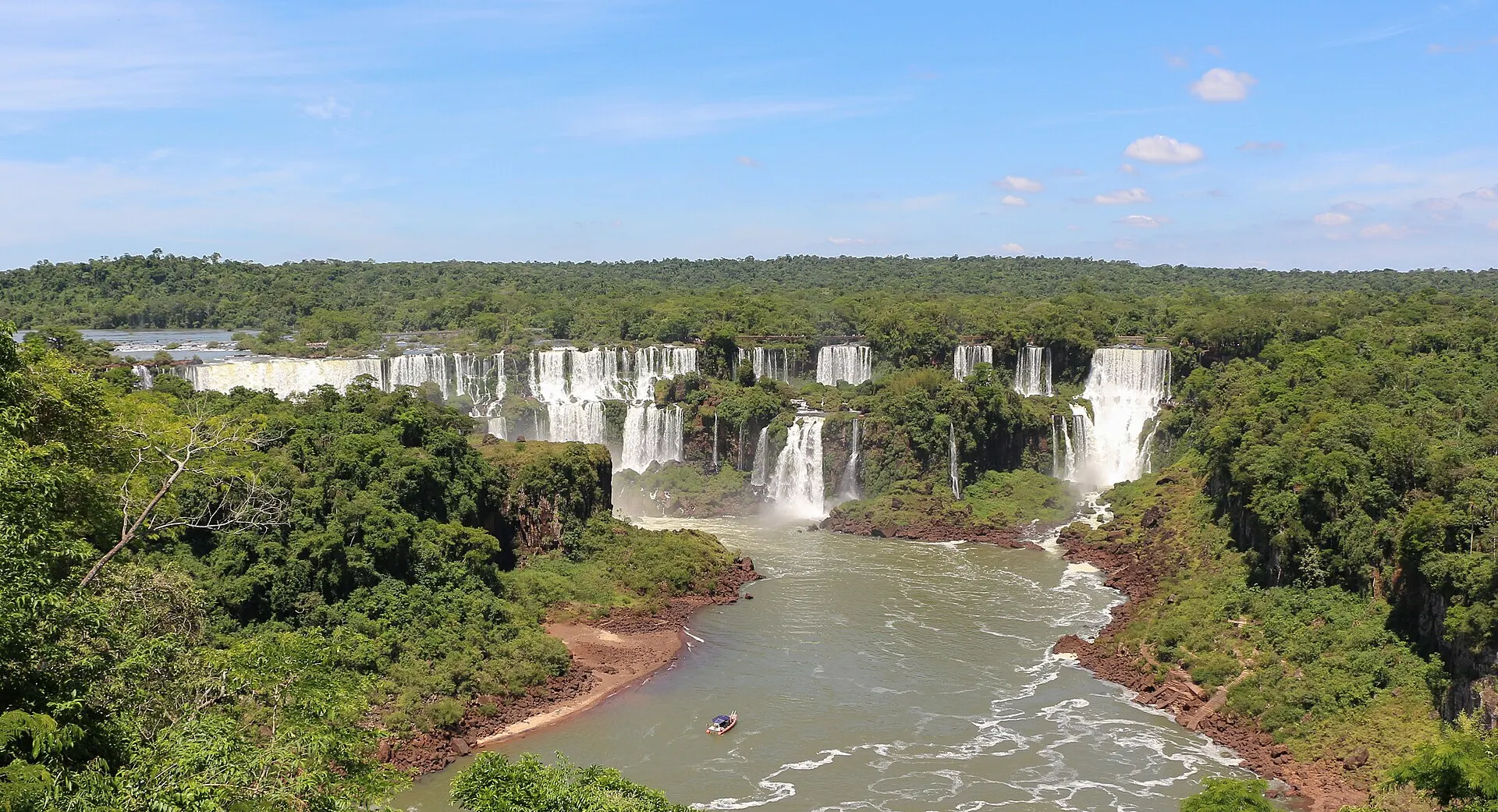
- Foz do Iguaçu: 3 days
- Salvador: 1-3 days
- Paraty: 2-3 days
- Ilha Grande: 3 days
- Praia do Forte: 3 days
- The Amazon: 4-5 days
- The Pantanal: 5+ days
- Lençóis Maranhenses: 4-5 days
- Florianópolis: 3-5 days
Then add roughly half a travel day between any two of them. Three regions in ten days looks perfectly reasonable on a spreadsheet and feels like an airport tour in reality.
When is the best time to visit Brazil?
There is no single best month for the whole country, and that is the most useful thing to know before you decide anything else. The seasons of the regions people most want to combine actively contradict each other:
- Pantanal: the dry season, June to October, is when jaguars come down to the riverbanks and the wildlife concentrates around what water is left. But the wet season has its own charm too, and it is often underestimated. Some of our guides in the Pantanal actually prefer the wet season.
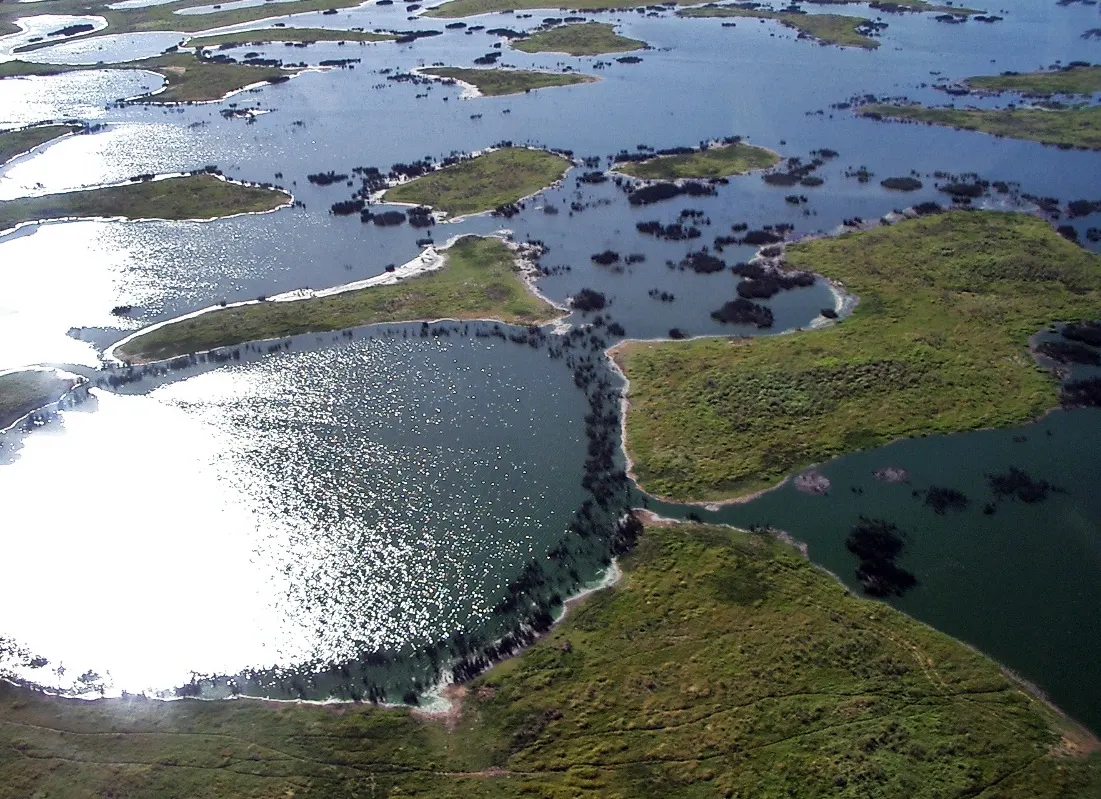
- Lençóis Maranhenses: May/June to September, once the rains have filled the lagoons between the dunes. Outside that window you are looking at sand.
- Rio de Janeiro and the southeast coast: driest and clearest from May to September, hottest and most alive from December to March.
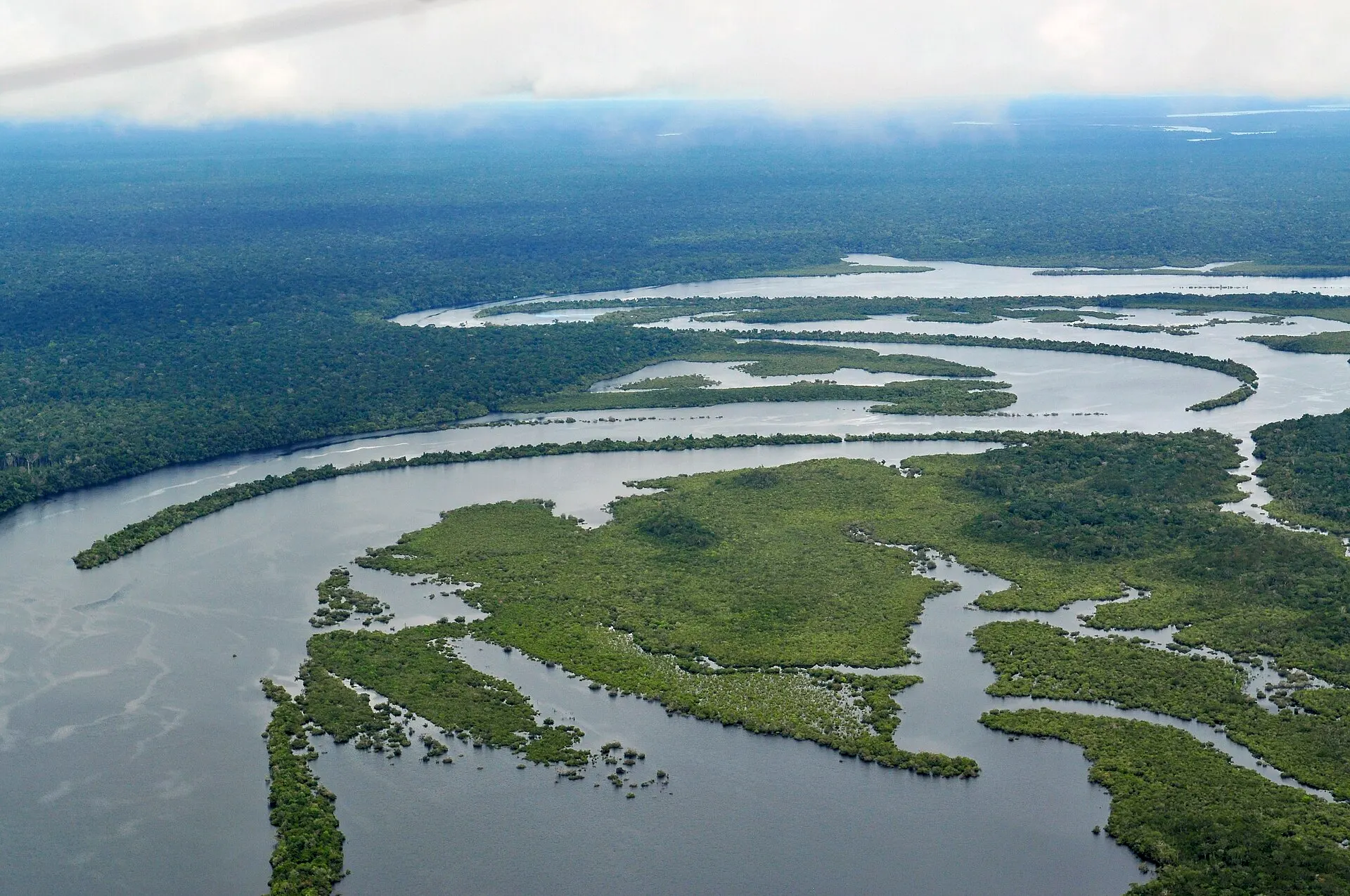
- The Amazon: genuinely year round. High water from January to June lets you paddle through flooded forest, low water from July to December opens river beaches and forest trails.
- Salvador, Praia do Forte and the northeast coast: sunniest from September to March, with humpback whales offshore from July to October.
- Florianopolis: good beach weather from December to late April. Always good weather to explore the island and the various hikes it has to offer.
Which means the calendar decides the route, not the other way around. If your only travel window is January, we will not build you a jaguar safari, we will build you a coast and culture trip that is genuinely at its best in January. We wrote the full month by month breakdown in the best time to visit Brazil, region by region.
Which regions should you combine, and which should you not?
For a two week trip, take one city, one nature region and at most one coastal stop. That is the shape that consistently works.
The combinations we build most often, because the logistics and the seasons cooperate:
- Rio, Foz do Iguaçu and the Amazon. The classic first trip. Three completely different Brazils, all reachable on internal flights.
- Rio and the Pantanal. City and serious wildlife, and the strongest use of two weeks if animals are the reason you are coming. See our Wildlife & Nature journey.
- Salvador, Praia do Forte and the Bahian coast. Culture, food and beach, all inside one region and one climate. Our Salvador guide is where that route starts.
- Rio, Paraty and Ilha Grande. Colonial towns and islands within driving distance of each other, no extra internal flights at all.
And the ones we talk people out of: the Amazon, the Pantanal, the Lençóis and Rio in fourteen days. Every one of those is a wonderful week, and putting all four in a fortnight means four internal flights, four unpacking days and no time in any of them. Pick two, come back for the others. Only this way you will be able to feel the magic those destinations have to offer.
How do you get around inside Brazil?
By plane, and that part is not optional. The distances are continental: Rio to Manaus is about four hours in the air, roughly Madrid to Moscow. Most domestic routes connect through São Paulo or Rio, so a regional hop often means a connection rather than a direct flight.
Three things worth knowing before you book anything:
- Book internal flights last. Lodge arrival days, boat departures and the transfer windows into the Pantanal dictate which flights are actually usable. Buy the flights first and you will be rebuilding the trip around them. That is why the internal flights normally run through us: if one is cancelled or delayed, we rebook it and rework the day around it. If you would rather book them yourself, do it once the ground plan is fixed.
- Count the ground time. Several of the best lodges are reached by three or four hours of road, or by boat. Those hours are part of the day, not an extra.
- Short coastal hops are better by road. Rio to Paraty is a beautiful four hour drive down the Costa Verde. Flying it makes no sense.
What does a trip to Brazil actually cost?
Our own 2026 rates are the most honest reference we can give, because they are privately guided and include accommodation, transfers, guided touring and your own guide throughout.
The internal flights normally run through us as well, quoted separately from the rates below. Booking them ourselves means we can line them up with lodge arrival days, boat departures and transfer windows, and if a flight is cancelled or delayed we rebook it and rebuild the day for you. You are welcome to book them yourself instead, just settle the ground plan with us first. Per person, the time on the ground starts at:
- The Amazon, 4 days: from US$950
- Salvador, 3 days: from US$600
- Rio de Janeiro, 4 days: from US$800
- Foz do Iguaçu, 3 days: from US$800
- Lençóis Maranhenses, 4 days: from US$1,400
- The Pantanal, 5 days: from US$1,800
So a fourteen day combination of Rio, the Amazon and the Pantanal usually starts in the region of US$3,500 to US$4,000 per person, with the flights quoted separately on top, both internal and international. Where a quote lands within that range comes down to the standard of the accommodation and how full you want the days to be. The Pantanal and the Lençóis carry the highest daily rates for a simple reason: the lodges are small, remote and supplied by road or boat, and the guiding there is specialist work. The demand has been reaching new highs recently. That´s why we are offering off the beaten track Experiences with Through the Heart of the Pantanal and Rhythms of the Western Pantanal.
One structural thing that moves the number more than anything you can negotiate: where you book. The same itinerary resold through an agency in New York or Frankfurt typically carries twenty to thirty percent more margin, and we explain exactly where that money goes in the middleman tax.
Is Brazil safe, and how should that shape the plan?
Yes, with the same city sense you would use in any large city anywhere, and the honest answer is that most of the risk people worry about is a planning variable rather than a fixed property of the country.
Which neighbourhood, which hour, which transport, which beach. Those are decisions made at the desk, weeks before you fly. We answered this at length in is Brazil safe for tourists, including the recurring myth that you need to show US$2,000 to enter the country. You do not.
What do you need to arrange before you fly?
- Entry. United States citizens have needed an e-Visa since April 10, 2025. You apply online, it costs about US$80.90 and it is valid for ten years. German, Austrian and Swiss citizens still enter visa free for stays of up to 90 days.
- Health. A yellow fever vaccination is recommended for the Amazon, and some countries ask for proof of it if you travel onward from Brazil. Speak to a travel doctor at least a month before you fly.
- Money. Cards work nearly everywhere, and Pix, the local instant payment system, has largely replaced cash in daily life. You need very little cash, mostly for small rural places.
- Language. Portuguese, not Spanish, and outside international hotels English is genuinely rare. This is the single most underestimated part of independent travel here.
- Booking window. The small lodges in the Pantanal and around the Lençóis sell out for their peak months six to nine months ahead. If you want July to October in the Pantanal, plan the winter before.
Five routes that actually work
- First time in Brazil, 12 to 14 days. Rio de Janeiro, Foz do Iguaçu and the Amazon. City, waterfalls and rainforest, and nothing feels rushed.
- Wildlife, 14 to 16 days. Rio plus a proper Pantanal safari. Our Rhythms of the Western Pantanal runs six days, and the Pantanal expedition cruise eight, sleeping on the river where the jaguars are.
- Family, 14 days. Rio, Foz do Iguaçu and Ilha Grande or Paraty. Short flights, no long lodge transfers, and something for every age. See the Family & Multi-Generational journey.
- Coast and culture, 10 days. Salvador and the Bahian coast, at the pace the region deserves. Start with our Salvador guide and end at Praia do Forte.
- The northeast dunes, 7 days. Crossing the Lençóis on foot between the lagoons, or the Rota das Emoções from Maranhão to Ceará.
The five mistakes we see most often
- Booking the flights before the season. The most expensive mistake on this list, and the most common.
- Adding a fourth region with limited time. It never adds a place, it removes days from the three you already had.
- Treating São Paulo as a destination when it is your gateway. Two days is plenty unless food and art are the reason you came.
- Underestimating the Portuguese. Not a problem in a Copacabana hotel. A real problem at a bus terminal in Cuiabá with a delayed connection.
- Booking the famous thing instead of the good thing. Many of the best guides and boat captains in Brazil have no website at all. If it is easy to find online, it is easy for everyone to find online.
Summary FAQ
How many days do you need for a trip to Brazil? Eight to ten days is the realistic minimum for a first trip to Brazil, and fourteen to eighteen days is recommended if you want to combine a city such as Rio de Janeiro with a nature region such as the Amazon or the Pantanal. Allow roughly half a travel day between any two regions.
When is the best time to visit Brazil? There is no single best month for all of Brazil. The Pantanal is best from July to October, the Lençóis Maranhenses from June to September, the southeast coast around Rio from May to September for dry weather or December to March for summer, and the Amazon works year round. Choose the region to match your travel window rather than the other way around.
How much does a two week trip to Brazil cost? A two week privately guided trip usually starts around US$3,000 per person for the time on the ground, including accommodation, transfers and guides, but not the flights. Remote combinations such as Rio, the Amazon and the Pantanal usually cost more. Roughly US$200 to US$400 per person per day is a realistic planning figure for privately guided travel.
Do you need a visa to travel to Brazil? United States citizens have needed an e-Visa since April 10, 2025. It is applied for online, costs about US$80.90 and is valid for ten years. German, Austrian and Swiss citizens can enter visa free for stays of up to 90 days.
Can you travel around Brazil without speaking Portuguese? It is possible in international hotels and the main tourist areas of Rio de Janeiro, but English is not widely spoken elsewhere in Brazil. For multi region itineraries, remote lodges and anything that goes wrong in transit, a bilingual local guide makes the difference between an inconvenience and a lost day.
That is the whole method. If you would rather not run it yourself, that is precisely what we do: tell us your dates and what you want out of the trip and we will send you a personal, non binding proposal built in exactly this order.
Official sources
The rules and figures in this article come from the official bodies below. They change, so check them for your own dates.
- Official Brazil e-Visa portal · Government of Brazil / VFS Global
- Brazil Travel Advisory · U.S. Department of State
- CADASTUR, the register of licensed Brazilian tour operators · Ministério do Turismo
- Travel planning
- Practical tips
- Itineraries
Turn it into your own Brazil trip
Tell Robin your dates and what caught your eye, or pick the destinations and experiences you love and send us your own route to plan.
Non-binding, a personal reply within 24 hours, in English or German.