
Ecotourism is a word with no definition and no enforcement behind it. Any operator can print it, nobody checks, and a great many trips sold under it are ordinary trips with a photograph of a tree on the brochure. So rather than claim the word, here are the mechanisms we actually operate inside, all of which you can check without taking our word for anything.
Quick answer: The parts of Brazil worth travelling for are mostly inside federal or state protected areas, and those areas have real rules: daily visitor caps, timed entry, conservation charges and management agencies. Bonito is the clearest example, where every river and cave admits a fixed number of people per day. Beyond the rules, the honest measures are how much of your money stays local and whether the communities you visit are living there or performing for you. And the thing nobody in this industry says: we fly you across an ocean, and no amount of careful guiding cancels that.
What ecotourism actually means in Brazil, in practice
Not a badge. A set of protected areas with agencies behind them, and the trips that happen inside those areas are shaped by rules somebody else wrote and enforces.
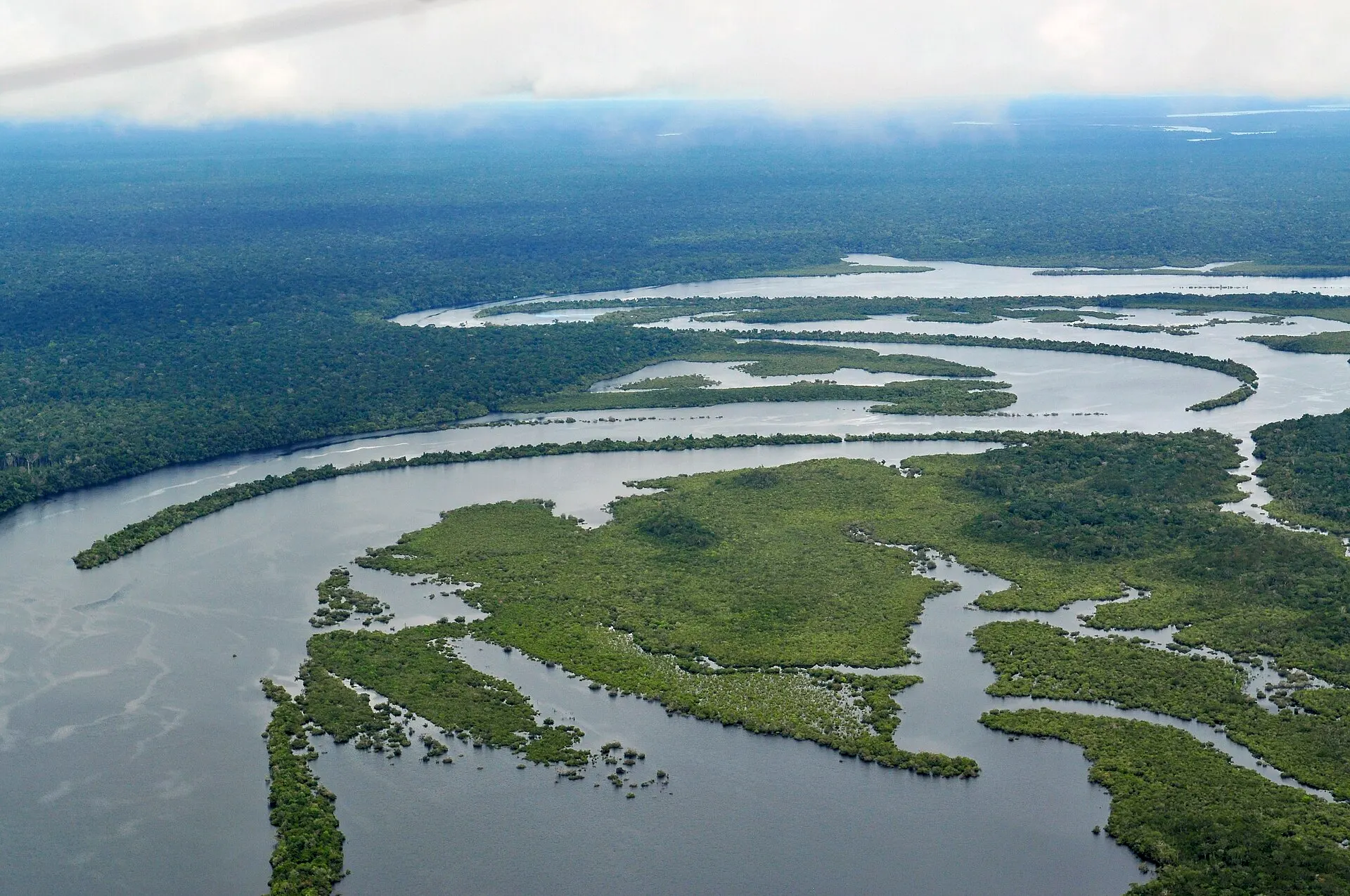
Almost everything we sell falls inside one. The Amazon lodges and riverboats we use sit on the Rio Negro near the Anavilhanas archipelago, a national park. The Chapada Diamantina is a national park. Ilha Grande is a state park with a biological reserve on its ocean side. The strictly protected reserves in the western Pantanal, Taiamã among them, are why the wildlife there is what it is. Paraty and Ilha Grande together form Brazil's first mixed UNESCO World Heritage site, listed in 2019 for culture and nature at once.
That is the difference between a claim and a constraint. We do not get to decide how many people go into those places on a given day.
The clearest example: Bonito, where the town enforces it
If you want to see what actual enforcement looks like rather than an intention, go to Bonito.
Every river, cave and waterfall circuit runs timed entry with a capped number of visitors per day. There is no turning up, and there is no version where a bigger group pays its way past the cap.
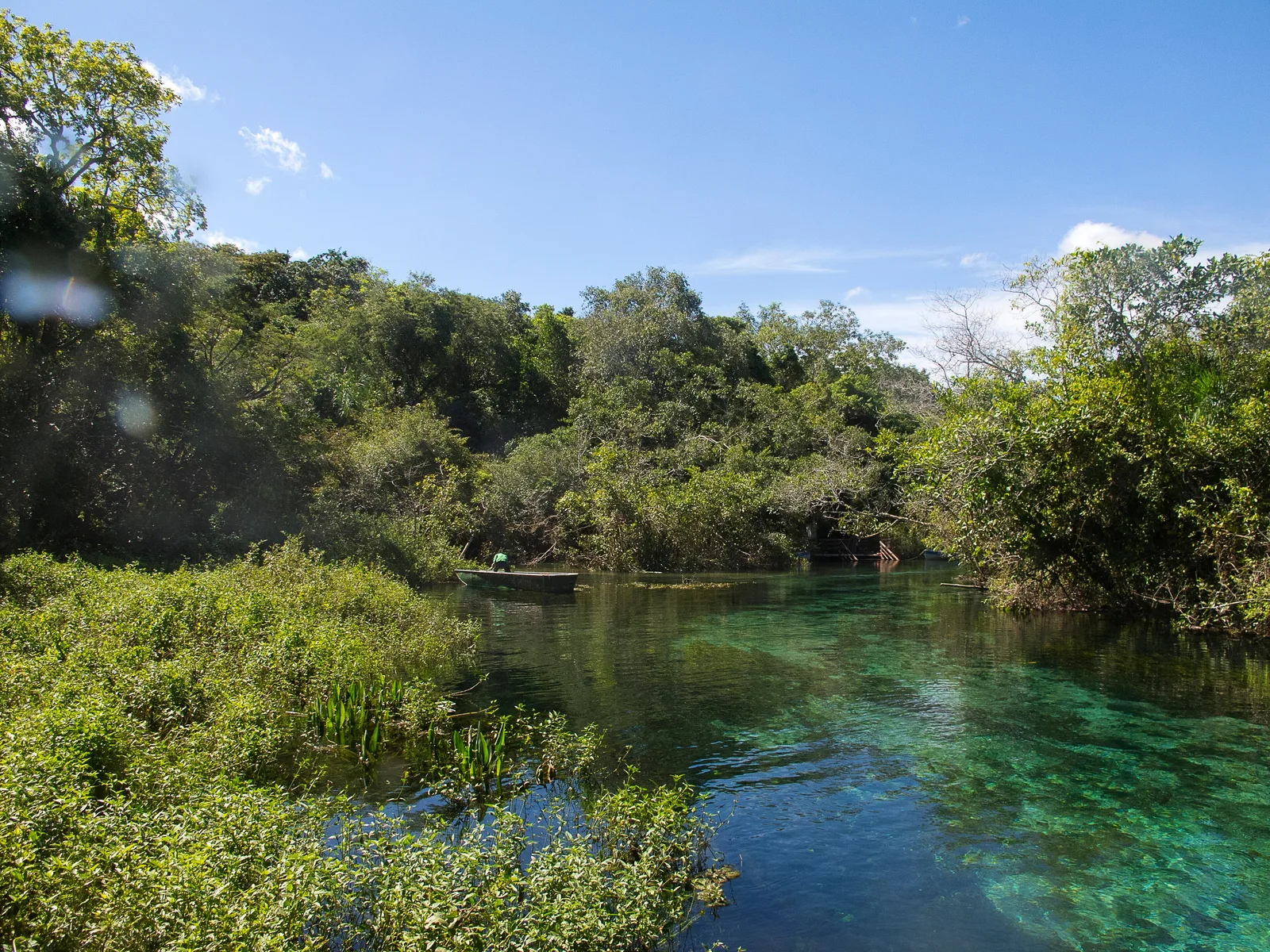
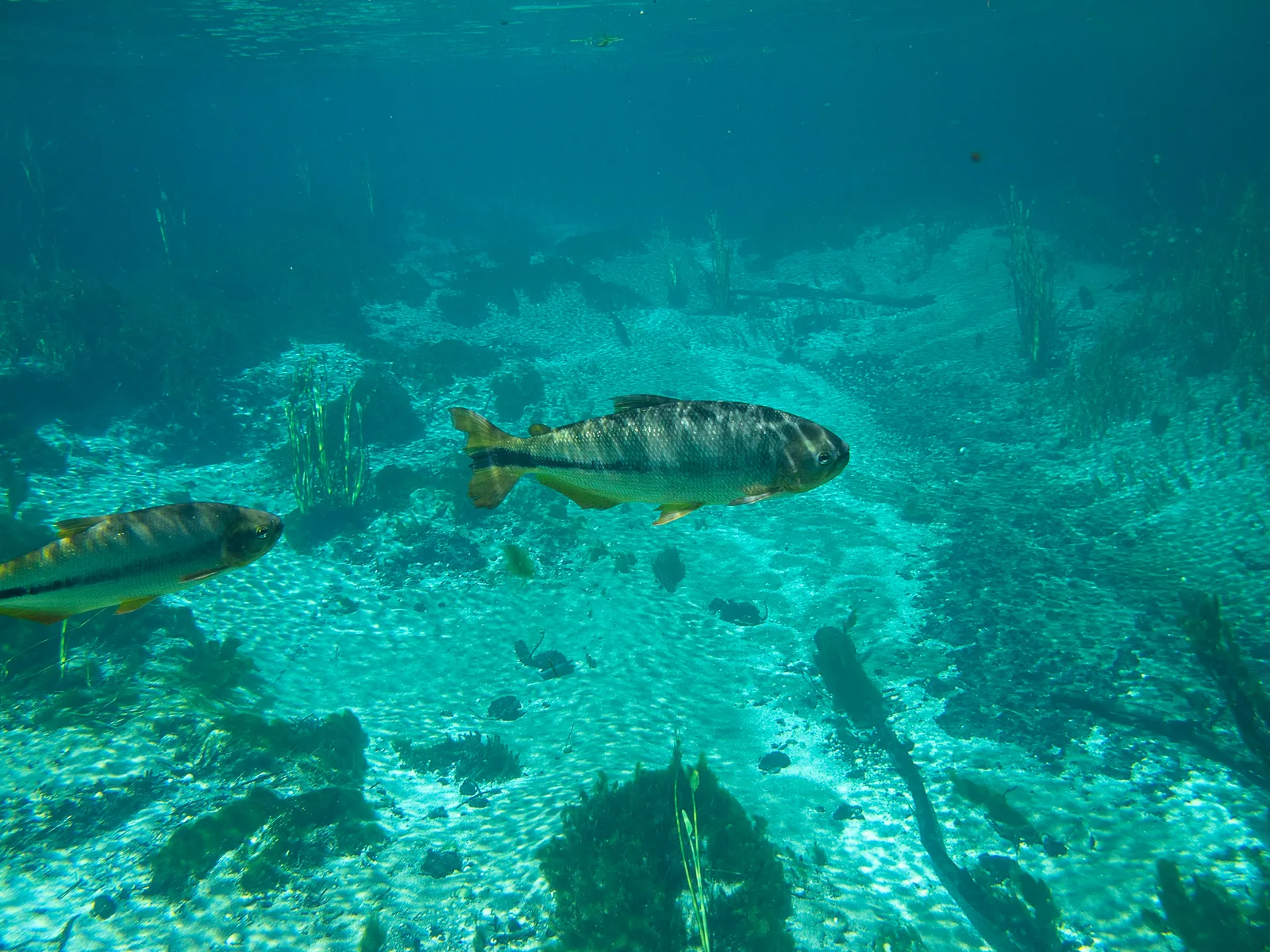
There is also a conservation tax of 15 BRL per visitor per day, paid locally at the sites and not part of our price, which we name up front rather than letting it appear at a desk. It is a small amount of money doing a visible job: the reason the water is still clear enough to read the riverbed from the surface is that not very many people are allowed in it.
The instruction there is our favourite piece of conservation advice anywhere in Brazil, because it costs nothing and works immediately: do not kick. Kicking lifts sediment and clouds the water for everyone behind you.
Communities, and the difference between visiting and watching
The parts of these trips that involve people rather than animals are the parts most easily done badly. The test we use is simple: are these people living here, or performing here?
The UNESCO listing that covers Paraty and Ilha Grande explicitly includes the Quilombola, Guarani and Caiçara communities who still live inside the protected area and maintain their own ways of life. That is not a backdrop, it is a criterion of the listing. On the Rio Negro, a visit to a caboclo river community is a normal part of an Amazon itinerary and works exactly as well as it is set up to: a real village on a real morning, or a staged one. In the Chapada Diamantina, the Vale do Pati trek sleeps in local houses, which is the most direct arrangement in anything we sell, because the money goes to the household you slept in.
The mechanism that matters underneath all of it is how much of your payment stays in the region. We are a Brazilian company that contracts local guides, local pousadas and local boatmen directly, which is the same argument our piece on the middleman tax makes for commercial reasons. It happens to be the environmental argument too.
What the seals actually prove
We carry the Brazilian Ministry of Tourism's Turismo Responsável seal and we are registered on CADASTUR, the federal register of licensed tour operators, which you can search yourself.
Neither of those is a conservation award and we are not going to present them as one. They prove we are a real, registered, checkable company, which is worth something and is not the same thing. Brazil does not hand out a badge that proves an operator is low impact, so anybody showing you one is showing you something else.
Judge us on the mechanisms instead: which protected areas the trip happens in, who is guiding it, where the money lands, and whether the group is small enough that the rules are easy to keep.
The sentence the industry avoids
You are flying across an ocean to get here.
That is the largest environmental cost of your trip by a distance, and nothing in the way we run the days on the ground cancels it. Any operator telling you their trip is carbon neutral because of what happens after you land is selling you a feeling.
What honestly reduces the cost per day is staying longer and moving less. A three-week route with four bases is a better trip and a lower-impact one than the same three weeks with nine internal flights, which is also why our guide to getting around Brazil argues for fewer, longer legs. We would rather make that argument than the comfortable one.
If that trade-off is unacceptable to you, we understand it entirely, and the right answer is not to come. We would rather write that sentence than pretend it away.
What this looks like on a real trip
Small numbers, mostly. We only plan private trips, so the group is you, which means the caps and the rules are trivially easy to keep and a guide is watching one boat rather than moving forty people through a site.
Beyond that it is unglamorous: staying in small locally owned pousadas rather than chains, using the guided bus where it works instead of adding a vehicle, timing visits away from the crowded middle of the day, and going to Praia do Forte, where Projeto TAMAR runs Brazil's national sea turtle programme, in a way that supports the station rather than the queue.
Summary FAQ
What is ecotourism in Brazil? In practice, travel inside protected areas that carry real rules: daily visitor caps, timed entry, conservation charges and a managing agency. The word itself has no enforcement behind it, so the useful question is which protected areas a trip happens in and under whose rules.
Which places in Brazil have real visitor limits? Bonito is the clearest, where every river and cave runs timed entry with a fixed number of visitors a day plus a 15 BRL daily conservation tax paid locally. National and state parks including Anavilhanas, the Chapada Diamantina and Ilha Grande have their own management rules.
How do you know if a Brazilian operator is genuinely responsible? Check CADASTUR, the federal register of licensed operators, then ask mechanical questions: which protected areas, who guides, where the money stays and how big the group is. No Brazilian seal certifies low environmental impact, so treat any badge presented as proof of that with suspicion.
Are community visits in Brazil authentic? They can be either, and the test is whether people live there or perform there. The Quilombola, Guarani and Caiçara communities inside the Paraty and Ilha Grande World Heritage area live there, and the Vale do Pati trek sleeps in local houses, which puts the money directly in the household.
Is long-haul travel to Brazil compatible with ecotourism? Not entirely, and we will not pretend otherwise. The flight is the dominant cost and nothing on the ground cancels it. Staying longer and moving less between regions is what genuinely lowers the impact per day.
Do you offer carbon-neutral trips? No, and we are sceptical of anybody who says they do on the basis of what happens after you land. What we can offer is fewer internal flights, longer stays and locally contracted guides and lodges.
Tell us where you want to go and how long you have, and we will build the version with fewer legs and longer stays, which is usually the better trip anyway. You will have a personal, non-binding proposal within 24 hours. Our wildlife and nature journeys are built that way already, with fewer legs and more nights in each place.
Official sources
The rules and figures in this article come from the official bodies below. They change, so check them for your own dates.
- ICMBio, the federal agency for Brazil’s national parks · Governo Federal do Brasil
- CADASTUR, the register of licensed Brazilian tour operators · Ministério do Turismo
- Projeto TAMAR, Brazil’s national sea turtle conservation programme · Fundação Projeto Tamar
- Ecotourism
- Responsible travel
- How we work
Turn it into your own Brazil trip
Tell Robin your dates and what caught your eye, or pick the destinations and experiences you love and send us your own route to plan.
Non-binding, a personal reply within 24 hours, in English or German.