
Most Americans meet Brazilian food at a steakhouse: servers with skewers who keep coming until you flip the little card to red. That is real, and you can find it in Brazil. But explaining Brazilian food through the rodízio is like explaining American food through a ballpark hot dog. Not wrong, just missing most of the country.
Quick answer: Brazilian food is regional first. Bahia cooks with dendê palm oil and coconut milk, as in moqueca and acarajé. Minas Gerais means cheese, beans and pão de queijo, the south means churrasco, Rio means feijoada and botecos, and the Amazon means river fish and açaí. Across the whole country the daily base is rice and beans.
What is traditional Brazilian food?
Traditional Brazilian food starts with rice and beans, arroz e feijão, served with farofa, toasted cassava flour. That plate appears at lunch almost everywhere in Brazil, from an office canteen in São Paulo to a ranch table in the Pantanal.
Everything beyond it is regional. Brazil is larger than the contiguous United States, and its food grew from very different ingredients and waves of immigration: African in the Northeast, Portuguese and rural in the Minas highlands, Italian and Japanese in São Paulo, Indigenous and river-driven in the Amazon. Travel through Brazil and you eat something different at every stop, which is one of the best arguments for seeing more than one region.
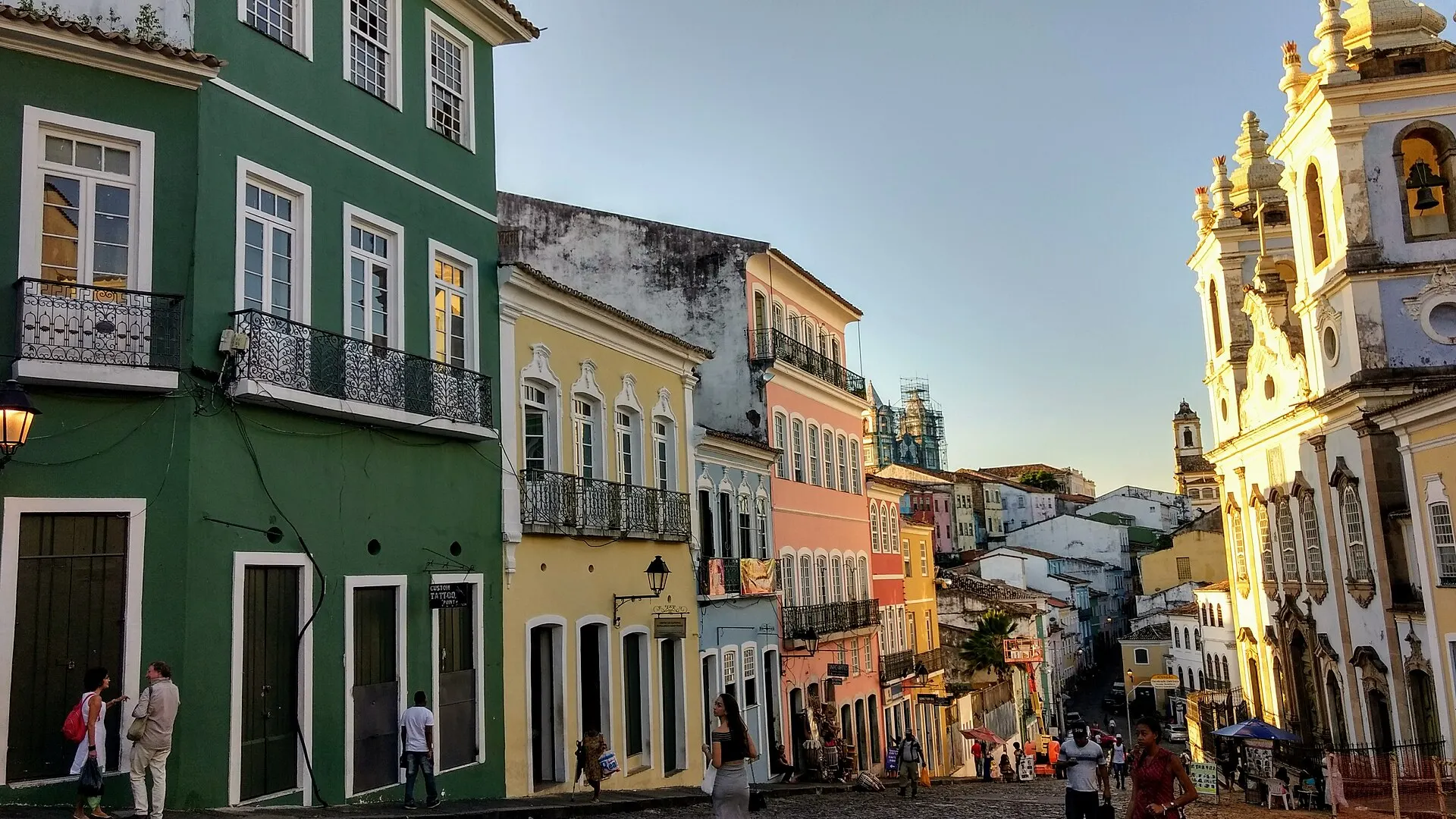
What do people eat in Salvador and Bahia?
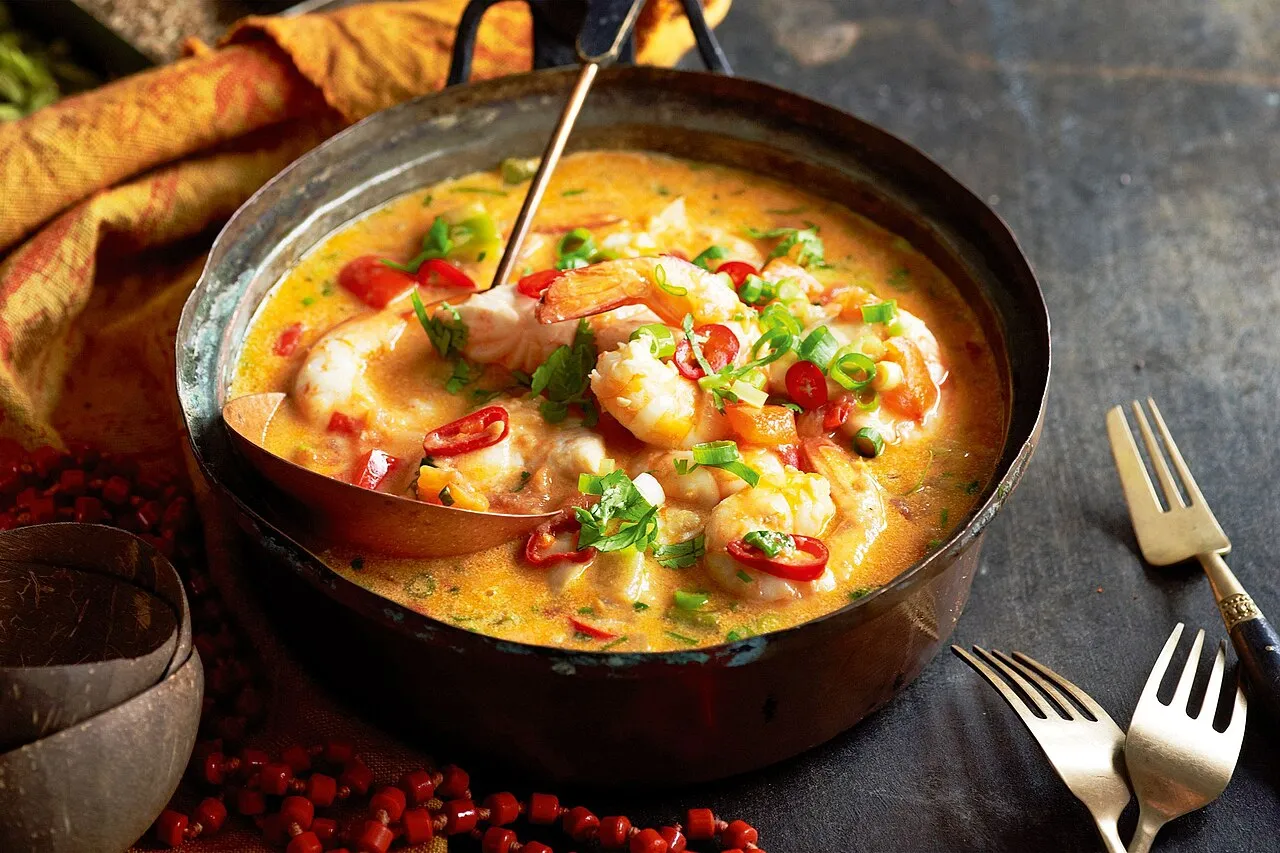
In Salvador people eat moqueca and acarajé, and both depend on dendê, the red palm oil that gives Bahian cooking its colour and flavour. Moqueca is a fish or seafood stew with coconut milk, served in a clay pot. Acarajé is a deep-fried black-eyed pea fritter, split, filled and hot.
Acarajé is sold on the street by the baianas in their white dress, and their craft has been registered as Brazilian cultural heritage by IPHAN, the national heritage institute, since January 2005. It belongs to the Afro-Brazilian traditions that still shape Salvador. Your first time, you will be asked how spicy you want it. For most visitors the honest answer is "a little". A Bahian "a little" is still a statement.
In Salvador a guided food tour is one of the things we plan most often, and our Salvador da Bahia guide covers what goes into it.
What is Comida Mineira?
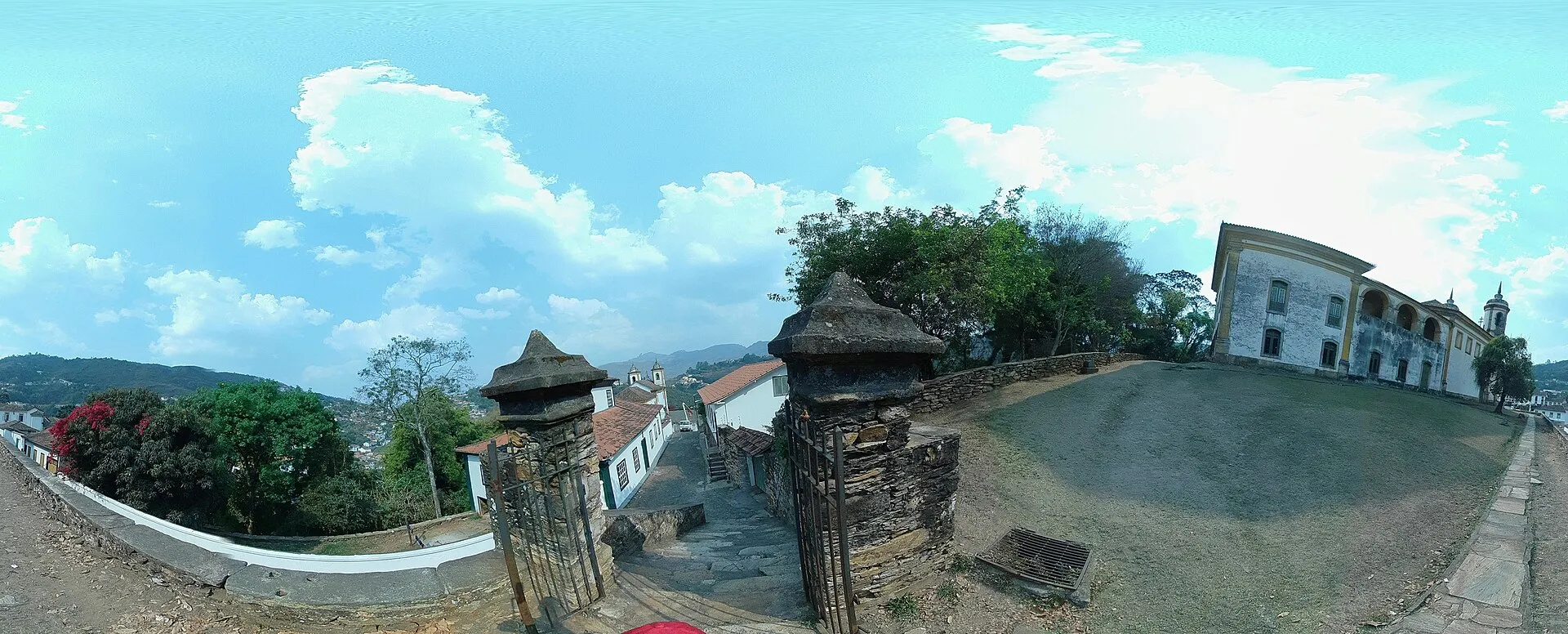
Comida Mineira is the cooking of Minas Gerais, and many Brazilians consider it the best in the country. It is hearty and slow-cooked: beans, pork, collard greens, cornmeal and above all cheese, often made on a wood stove.
Pão de queijo, the small cheese bread now eaten at breakfast all over Brazil, comes from Minas. So does queijo Minas itself: the artisanal way of making it from raw milk has been registered as Brazilian cultural heritage since June 2008, and it is now on UNESCO's list of the intangible heritage of humanity as well. You can say with a straight face that breakfast in Ouro Preto comes with UNESCO status.
Our Minas Gerais page shows how the baroque towns and the food fit together, and the Culture & History journey runs straight through the region.
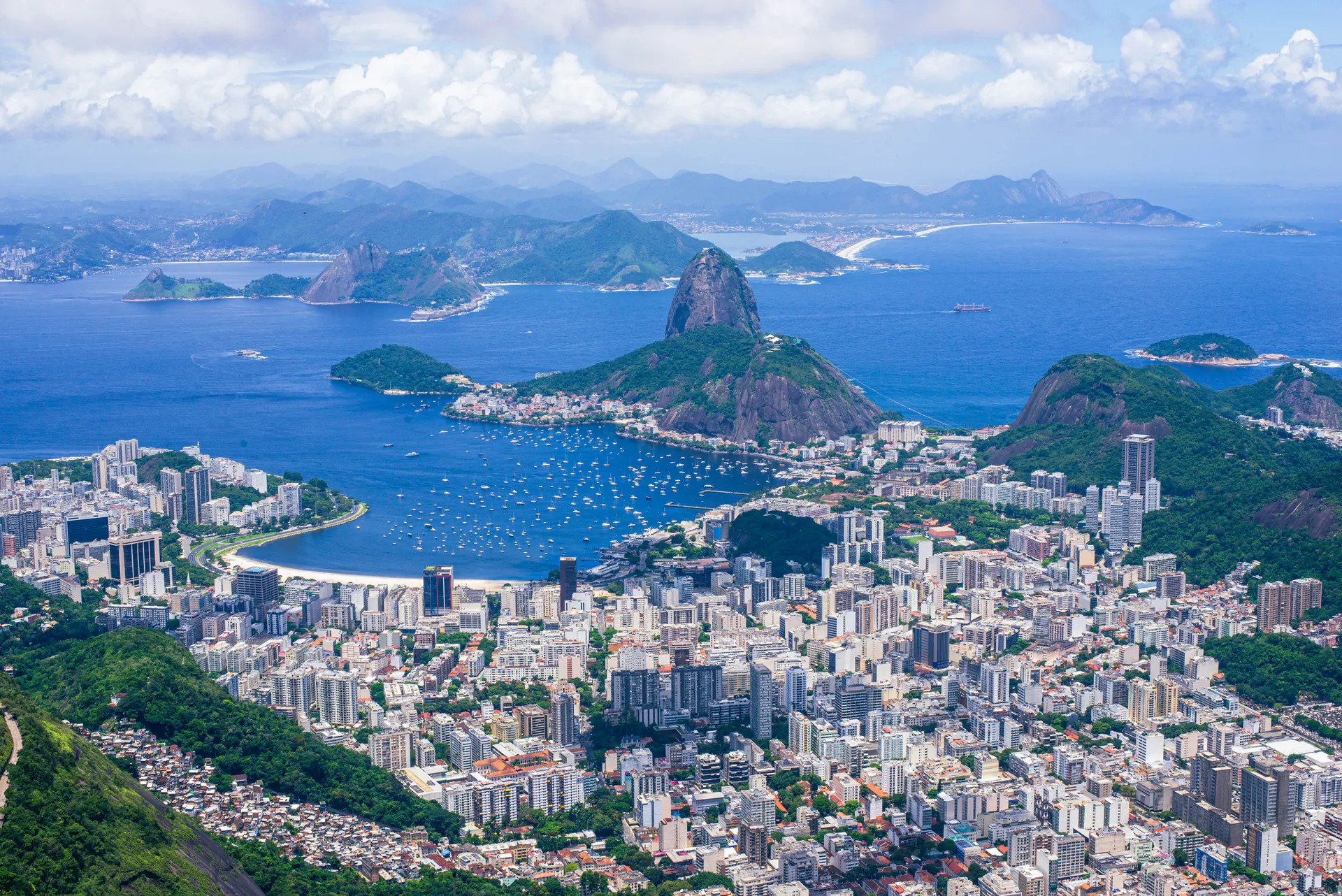
What do people eat in Rio de Janeiro?
In Rio de Janeiro people eat feijoada, the black bean and pork stew traditionally served on Saturdays, and they eat at the boteco. Botecos are plain neighbourhood bars with cold beer, small plates and regulars who have held the same stools for decades.
The boteco matters more to daily life in Rio than any restaurant with a view. Walk into one with a guide and you learn more about the city in an hour than in a morning at Sugarloaf, including what to order and what not to. That is one reason our tours in Rio de Janeiro are private.
Where do you get the best churrasco in Brazil?
Churrasco comes from southern Brazil and the gaúcho ranching tradition, and the south is where it feels most at home. In rodízio form, with meat carried to the table on skewers, you now find it in every large city in the country.
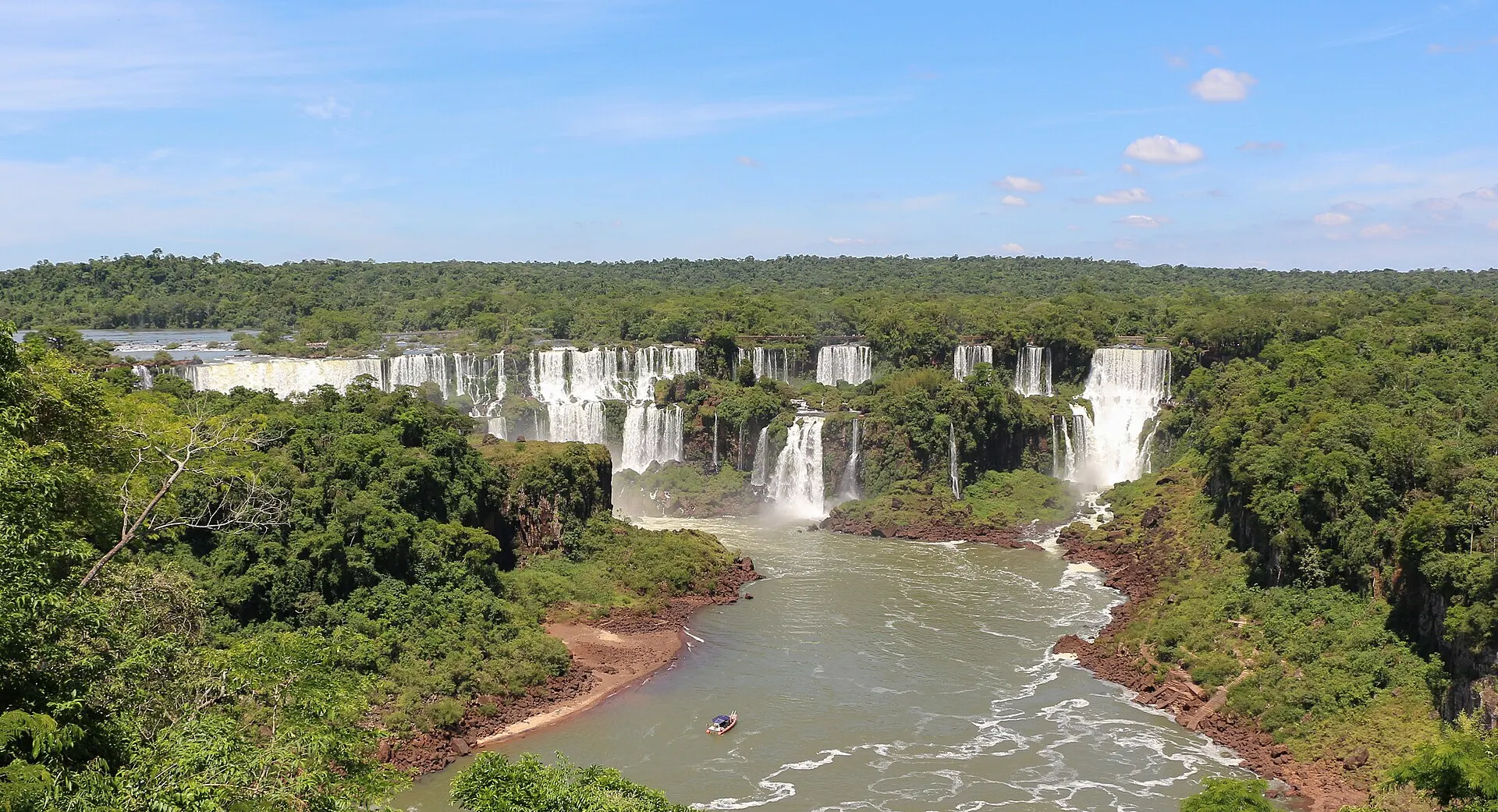
Foz do Iguaçu is a good example of the south at the table. The border city was built by people from everywhere and eats accordingly: Lebanese pastries next to a Paraguayan chipa counter next to a churrasco grill, all within a few blocks. Our Foz do Iguaçu guide describes the food walk that covers exactly that mix.
What do people eat in the Amazon?
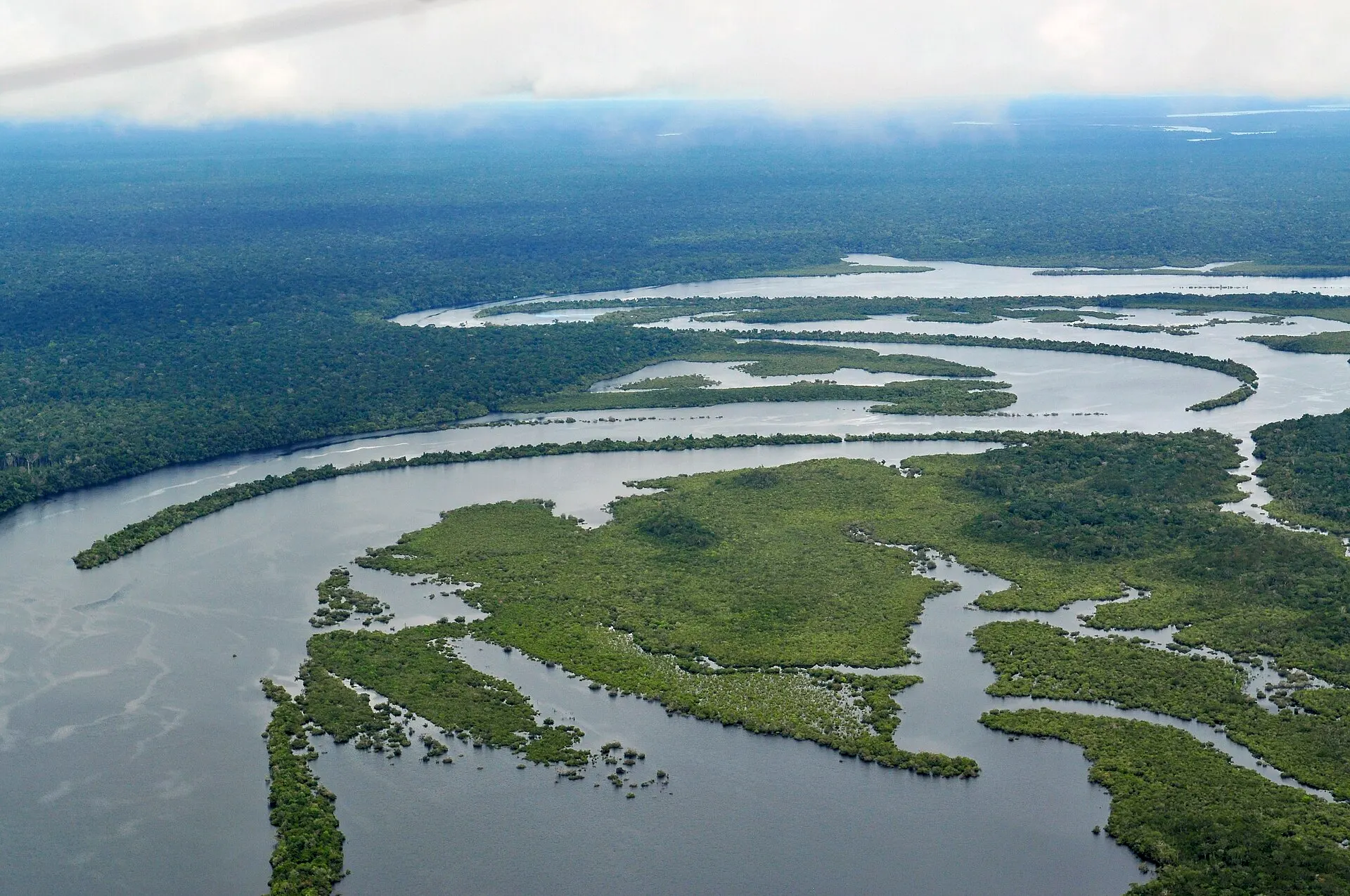
In the Amazon people eat mostly river fish, cassava in many forms, and fruit you will rarely see anywhere else. Açaí there is not the sweet frozen bowl sold in cafés further south, but an unsweetened side dish eaten with the fish.
That is usually the moment guests realise they have only ever met açaí as dessert. Up north it belongs on the plate next to the fish, not in a smoothie cup. Our Amazon page shows what a trip into the rainforest looks like.
What do people drink in Brazil?
People in Brazil drink caipirinhas, fresh fruit juice, guaraná and cafezinho, a small, strong and usually sweet coffee. The caipirinha is even defined in law: a 2009 federal decree says it is made with cachaça, lime and sugar.
The same decree sets its strength at 15 to 36 percent alcohol by volume, which explains why the second caipirinha on the beach tends to land harder than planned. Juice is the real everyday drink. Almost every juice bar presses to order, and the menu reads like a fruit catalogue in which half the names are new to you.
How do you experience Brazilian food on a trip?
You experience Brazilian food best with a guide who knows which door to open, and on a route through several regions. We plan guided food tours mainly in Salvador, São Paulo and Foz do Iguaçu, plus botecos in Rio.
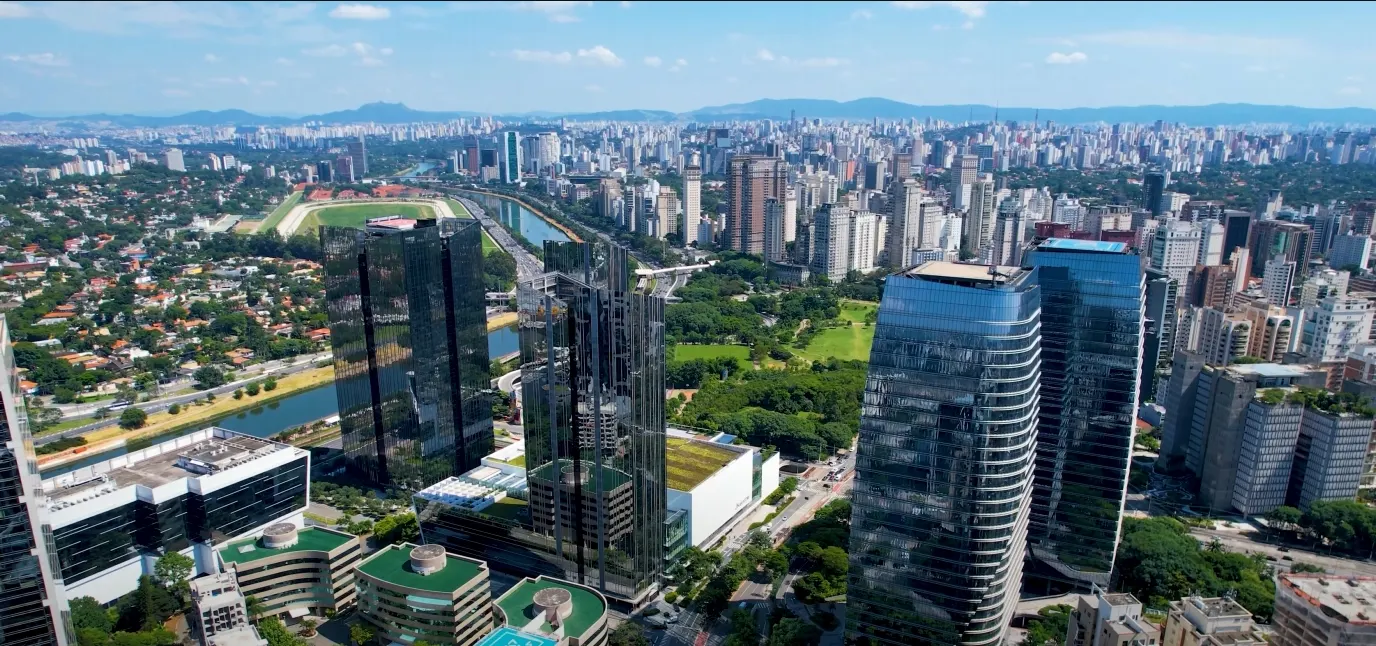
A sentence that costs us: we are not a gourmet tour and not a cooking school. If you want a trip built around tasting menus, specialists do that better than we do. What we do is put the food where it is already at its best, at the street stall in Salvador, the market in São Paulo and the bar around the corner in Rio. In São Paulo, where almost every long-haul flight lands, a food tour makes a good start to the trip.
Summary FAQ
What is the national dish of Brazil? Feijoada is the usual answer, a black bean and pork stew traditionally eaten on Saturdays in Rio de Janeiro. Day to day, though, the real foundation is rice and beans, arroz e feijão.
What is acarajé? A black-eyed pea fritter, deep-fried in dendê palm oil and filled, sold on the street in Salvador by the baianas. Their craft has been registered as Brazilian cultural heritage by the national heritage institute IPHAN since 2005.
What is pão de queijo? A small cheese bread from Minas Gerais, now eaten across Brazil at breakfast and as a snack. The queijo Minas behind it has been Brazilian cultural heritage since 2008 and is now on the UNESCO list as well.
What is in a real caipirinha? Cachaça, lime and sugar. That is how a 2009 Brazilian federal decree defines it, along with an alcohol content of 15 to 36 percent by volume.
Where is the best food in Brazil? It depends on the cooking: Salvador for moqueca and acarajé, Minas Gerais for Comida Mineira, the south for churrasco, Rio de Janeiro for feijoada and botecos, and the Amazon for river fish.
Tell us which regions appeal to you and whether food is a main reason for the trip or a welcome extra. We will build the food tours and the right stops into the route. You will have a personal, non-binding proposal within 24 hours.
Official sources
The rules and figures in this article come from the official bodies below. They change, so check them for your own dates.
- The craft of the baianas de acarajé, registered cultural heritage · IPHAN, Instituto do Patrimônio Histórico e Artístico Nacional
- Ways of making artisanal Minas cheese, registered cultural heritage · IPHAN, Instituto do Patrimônio Histórico e Artístico Nacional
- Decree 6,871 of 2009, the legal definition of caipirinha (art. 68) · Presidência da República, Planalto
- Food
- Culture
- Planning
Turn it into your own Brazil trip
Tell Robin your dates and what caught your eye, or pick the destinations and experiences you love and send us your own route to plan.
Non-binding, a personal reply within 24 hours, in English or German.