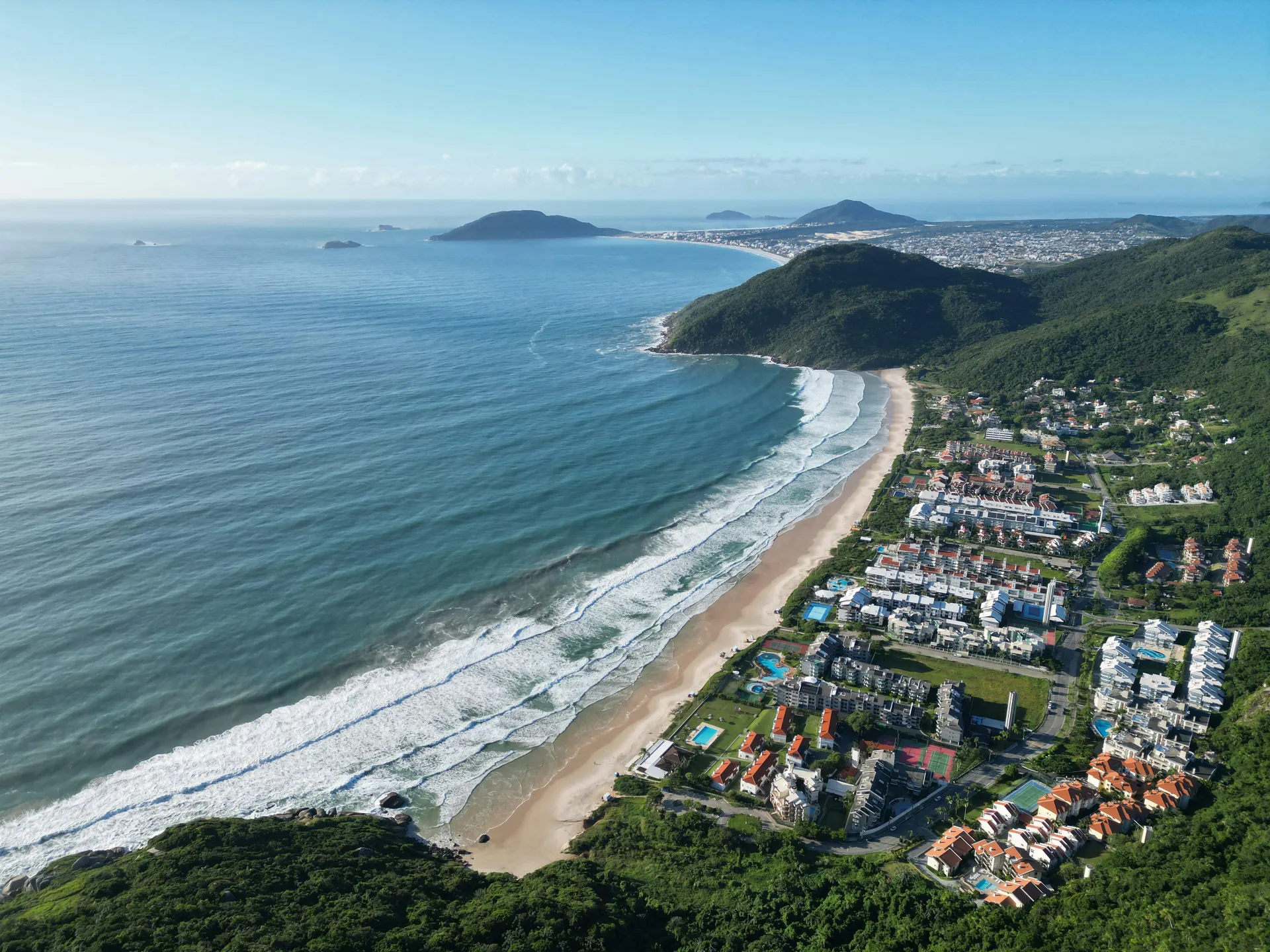
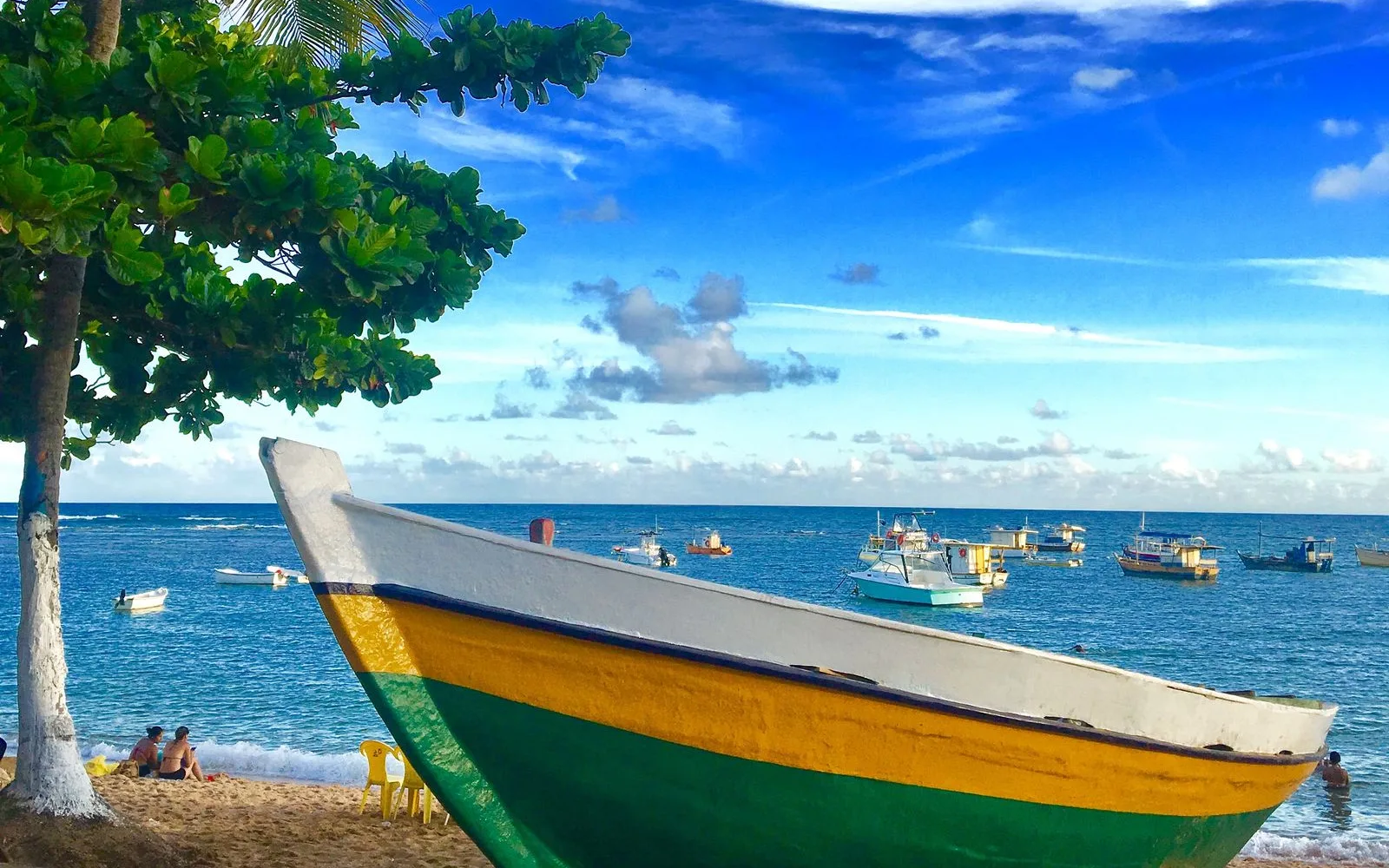
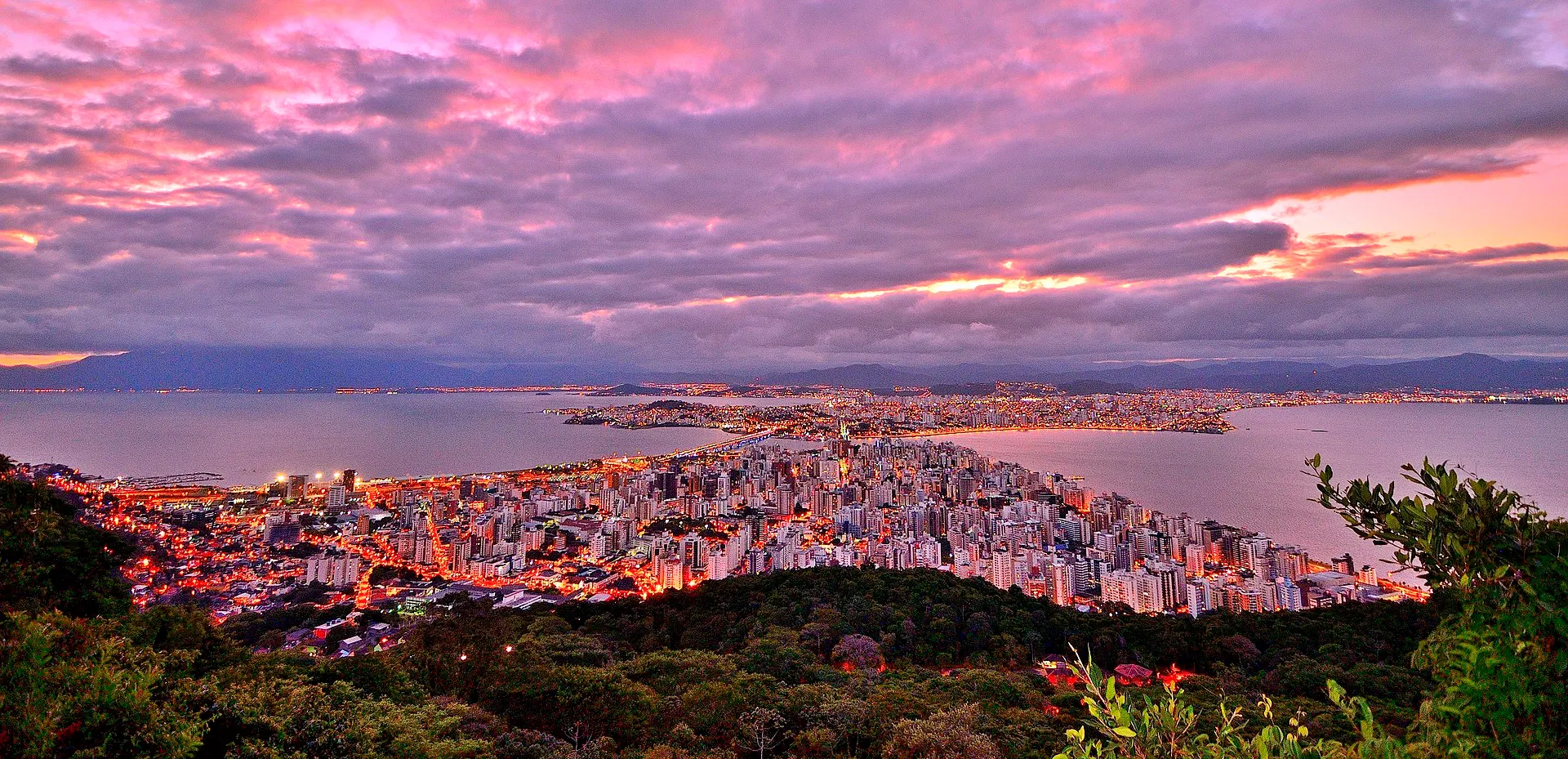
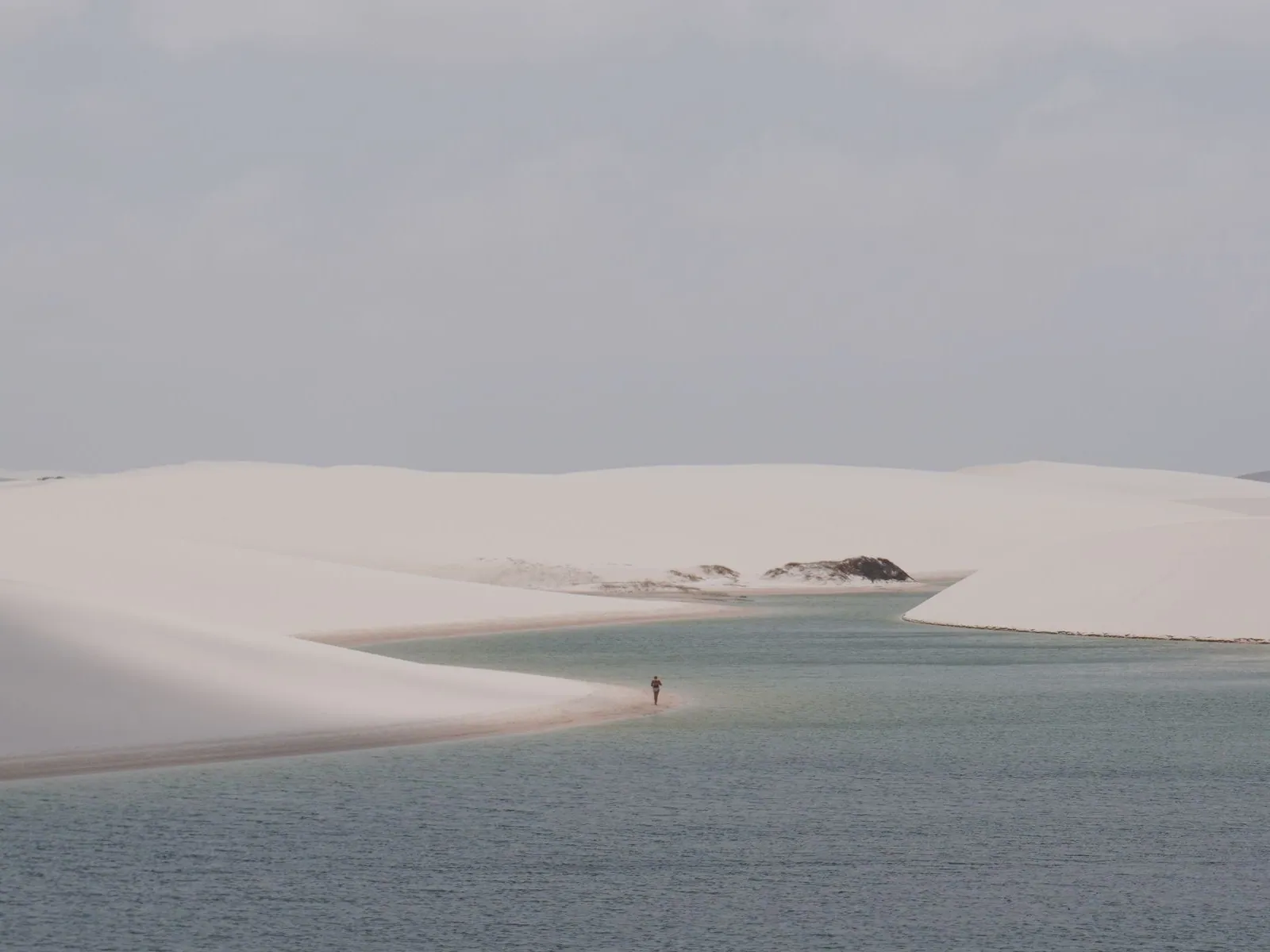
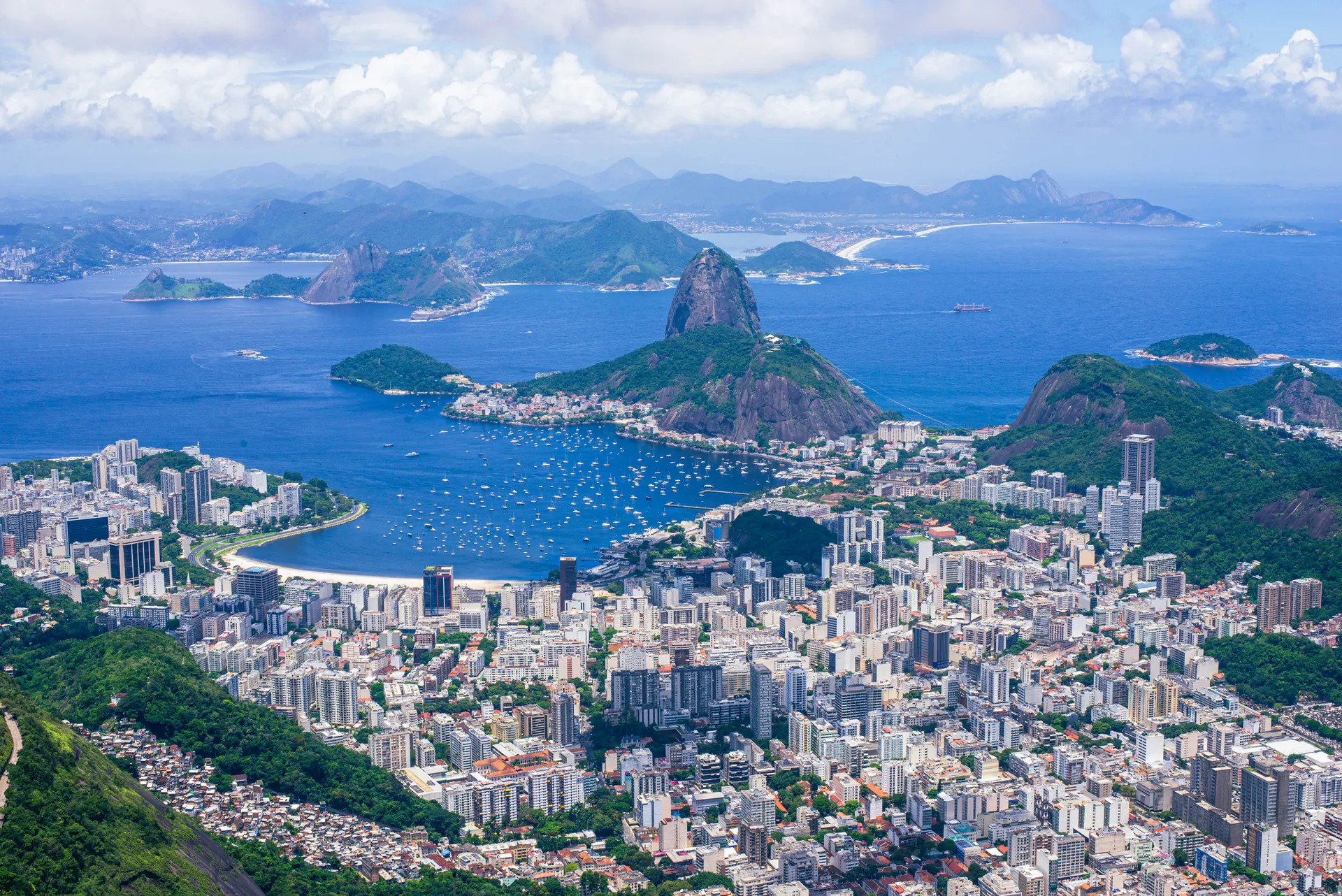
One island, 42 beaches, two completely different lives.
Locals just call it Floripa. It is a single island off Brazil's south coast where a wild surf coast, a string of Azorean fishing villages, and one of South America's fastest growing expat scenes all share a strip of land barely 50 kilometres long. This is the island the way someone who lives here would show it to you.
Most people arrive expecting a beach town and leave having found four different places. There is the Florianópolis of surfers, all cold Atlantic swell and sand dunes. There is the Florianópolis of oyster farmers and Azorean fishing villages that have not changed much in two hundred years. There is the Florianópolis of beach clubs and rooftop bars in the north. And there is the newest one, a growing city of remote workers and foreign families who came for a holiday and quietly never booked the flight home.
What makes the island rare is that all of this sits on a single strip of land you can drive end to end in about ninety minutes. A morning hike to an empty beach, an afternoon eating oysters pulled from the water in front of you, and a night out in a designed beach district are a realistic single day here. You do not pick one version of the island. You move between them.
The one thing worth setting straight early: Floripa is not a one-and-done stop. It is the place on a Brazil trip where people extend, and the place foreigners most often come back to for good.
42beaches on a single island, from empty surf coves to designed beach clubs
The island's split personality
Wild in the south, social in the north.
The clearest way to understand Floripa is as two islands joined in the middle. Knowing which half you are in tells you almost everything about the day ahead.
The south
Raw, green and surf-first
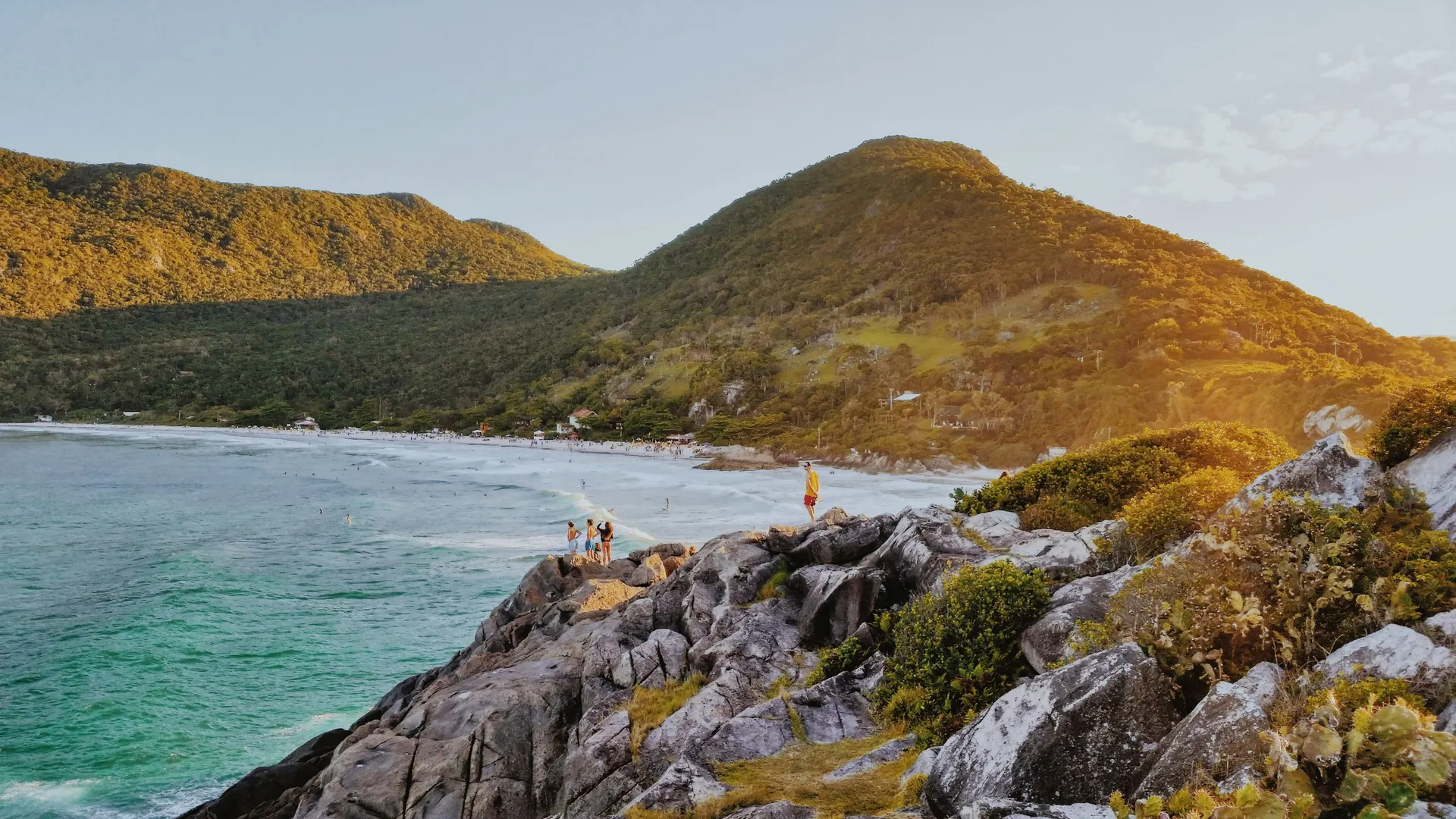
The south is where the island stays undeveloped on purpose. Dirt access roads, Atlantic forest running down to the sand, a strong surf culture, and beaches you can only reach on foot. This is the half people mean when they say Floripa still feels wild. It is quieter, cooler in mood, and it rewards anyone willing to walk a little.
The north
Calmer water, bigger scene
The north is the developed, sociable side: warmer, flatter water, family beaches, and the island’s most polished districts. It is where the beach clubs, the summer nightlife, and the easy family holidays live. Less effort, more comfort, and the base most first-time visitors choose.
A local's map
The places I would actually take you.
Not a top-ten list. These are the corners of the island worth building days around, running roughly from the wild south up to the social north.
The hike-in beach
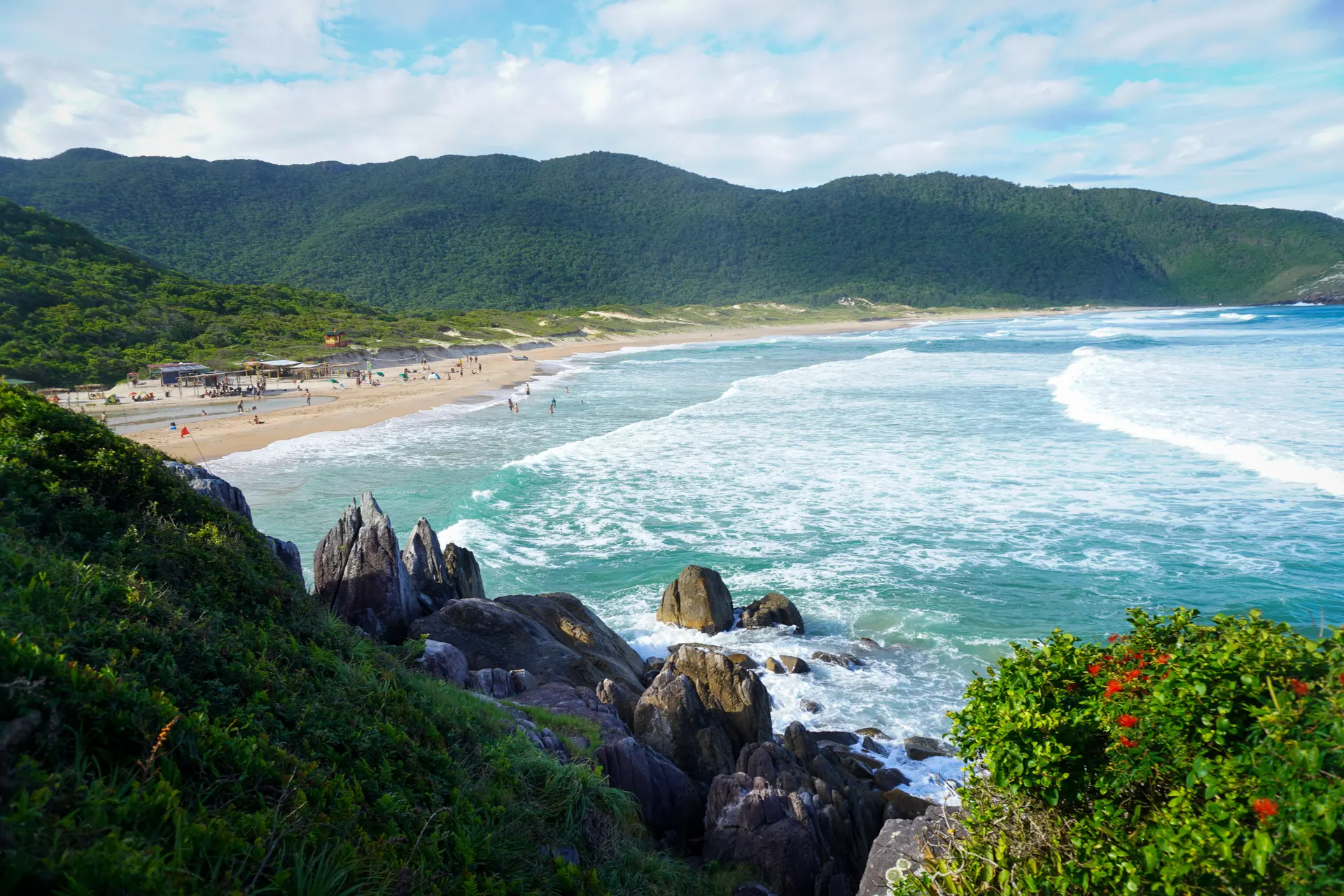
Trilha da Lagoinha do Leste
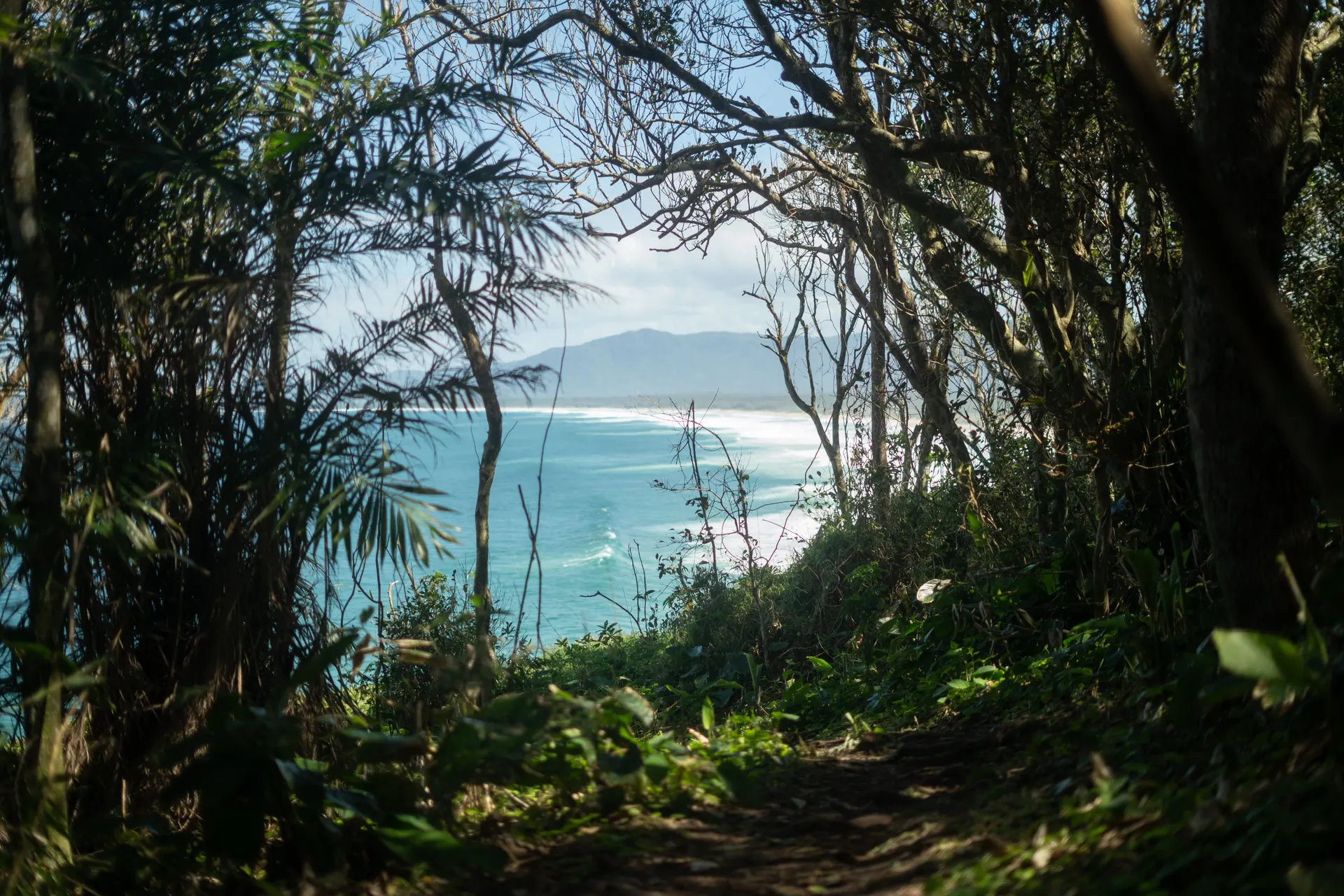
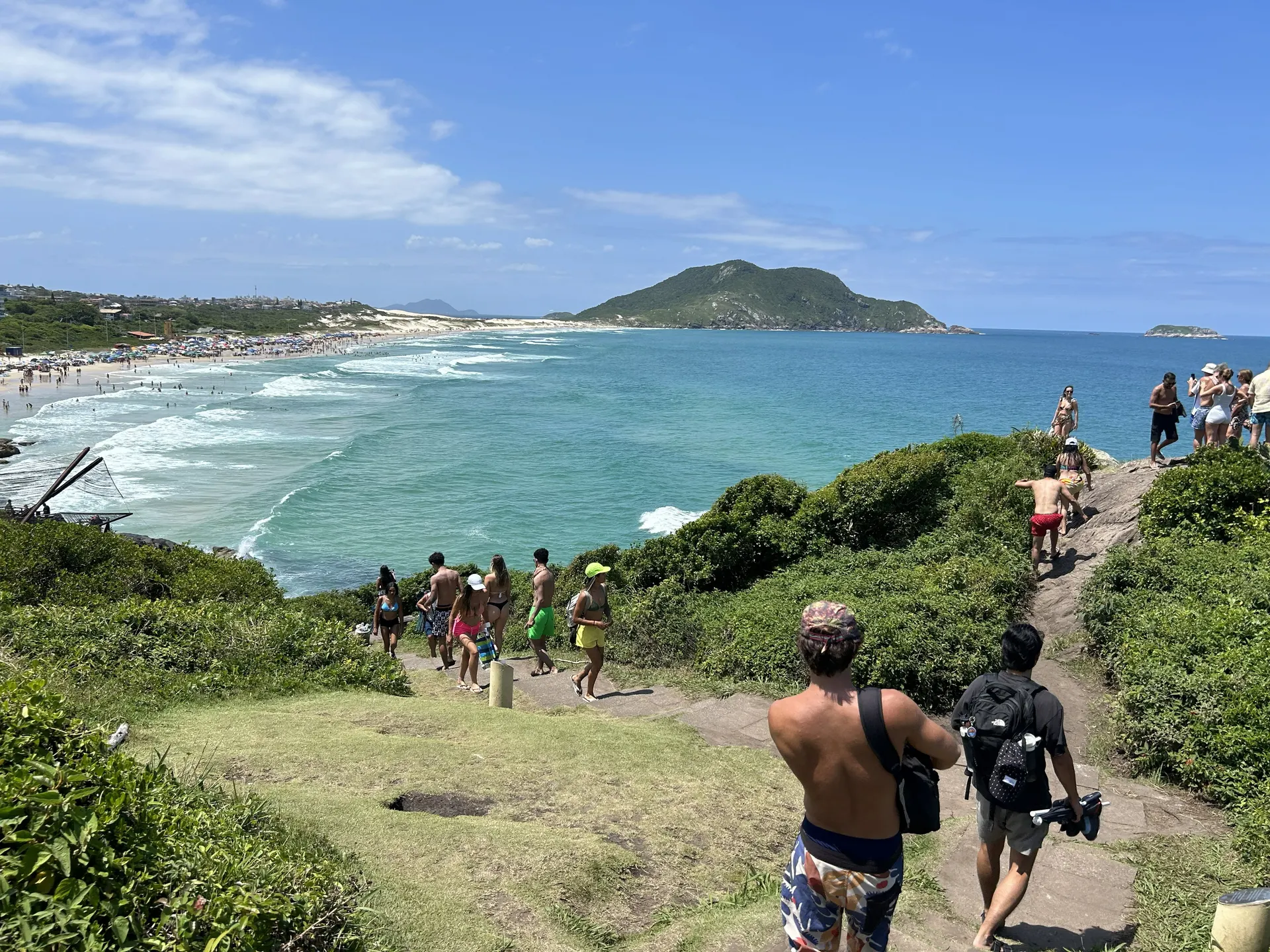
If you do one thing on the island, make it this. Lagoinha do Leste is one of the most photographed beaches in Brazil, and the reason it stays that way is that there is no road to it. You earn it on foot. The classic trail climbs through Atlantic forest and over a ridge before dropping you onto a wide, empty crescent of sand with a lagoon behind it and, usually, almost no one else on it.
There are two ways in. The main trail from Pântano do Sul is longer and more gradual. The alternative, over Morro da Coroa, is steeper and shorter with the bigger payoff from the top. Either way, bring water and go in the morning.
The island off the island
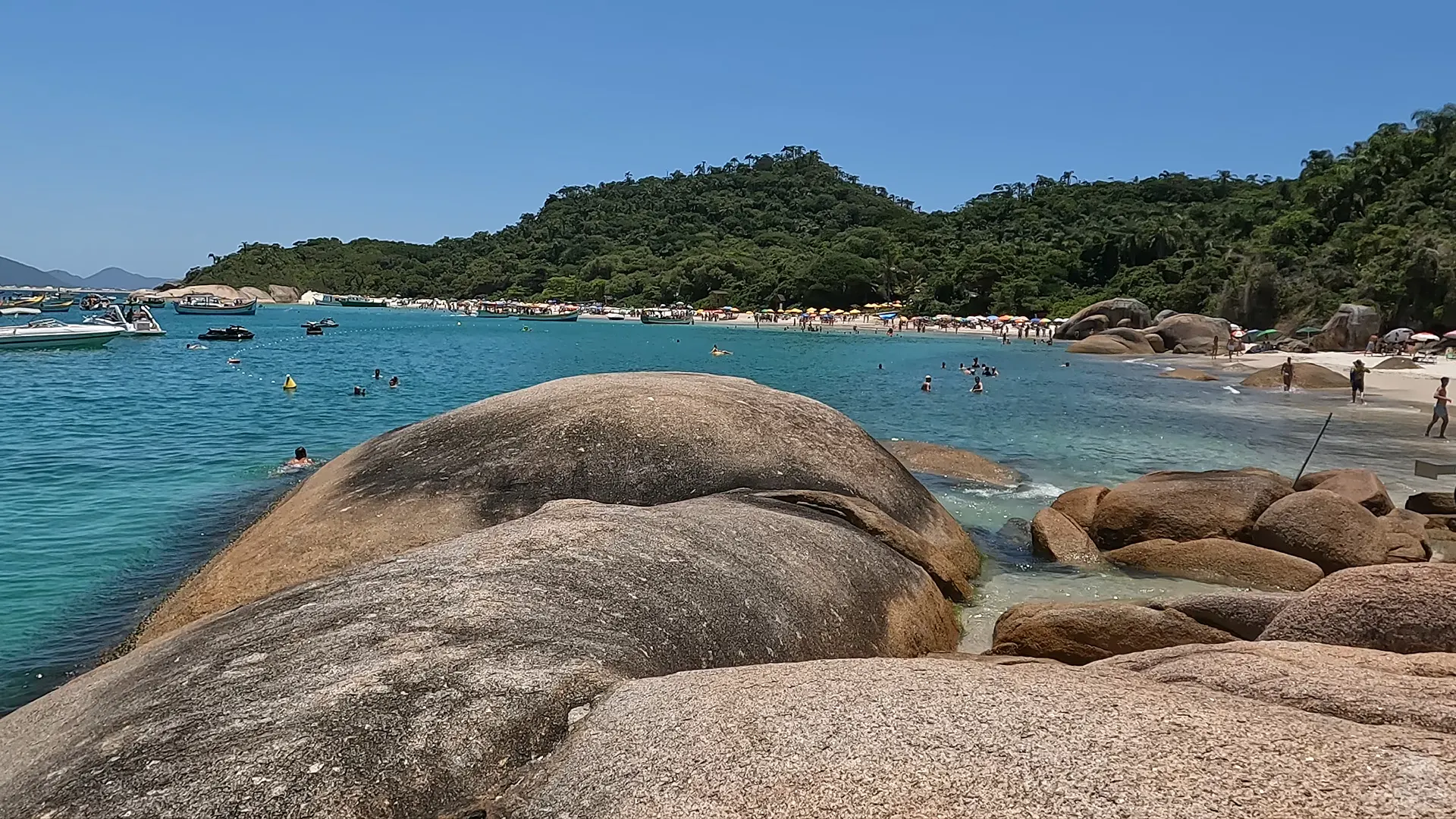
Ilha do Campeche
This is the one that surprises people. You leave the main island entirely, take a small boat across a short stretch of open water, and land on a separate protected island with water clear enough to see your feet in the shallows. Campeche is a conservation and archaeological site, so visitor numbers are capped, which is exactly why it still feels untouched.
It is half beach day, half small expedition. The crossing itself is part of it: the moment the main island shrinks behind you and it is just the boat, the swell, and an island that looks like it belongs somewhere else entirely.
Dunes and surf
Joaquina
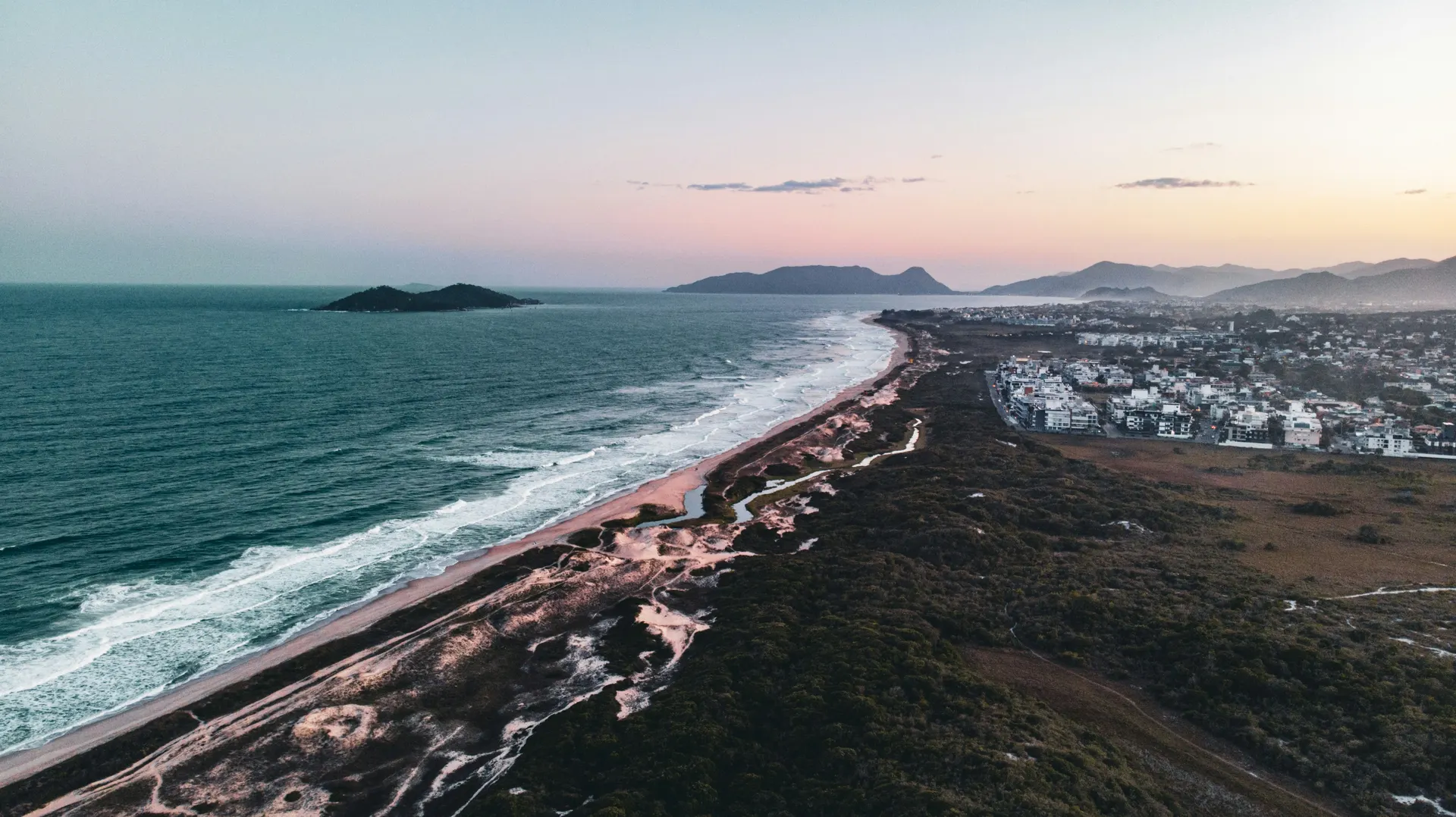
Joaquina is where the island’s surf identity is loudest. It has been a competition beach for decades, and on the right swell the lineup is serious. But even if you never touch a board, come for the dunes: a huge field of pale sand piled up behind the beach that people sandboard down and that turns gold in the late afternoon light.
It is one of the most visually dramatic spots on the island, the rare place where big surf and what looks like a small desert sit side by side.
The long wild beach
Mocambique
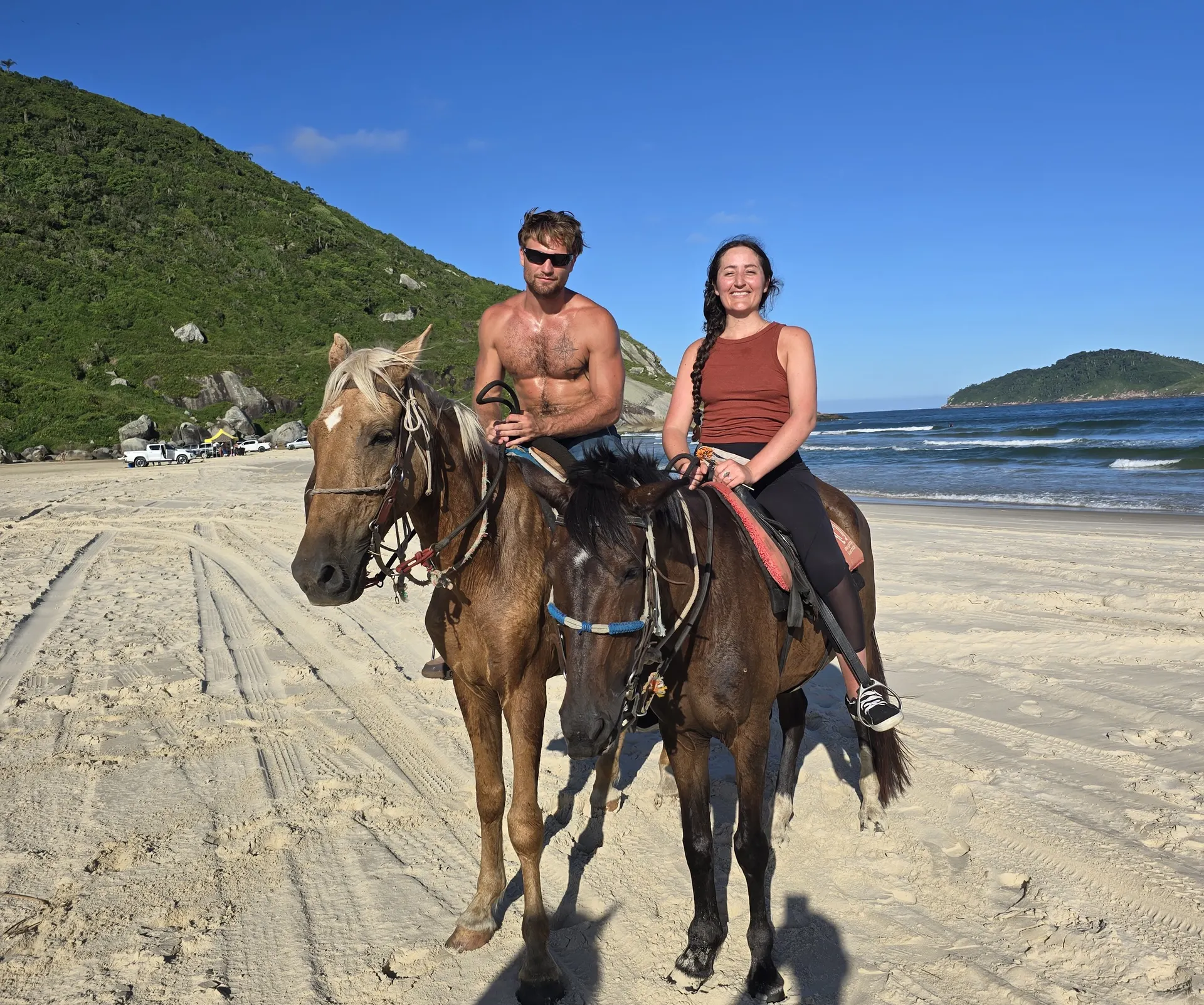
Mocambique is the longest beach on the island, a straight run of open sand backed by protected forest with almost nothing built on it. It is where you go when you want space and quiet more than facilities. One of the best ways to take it in is on horseback, riding along the sand at the edge of the water, which is a genuinely local thing to do here and far better than it sounds.
Oysters and Azorean history
Ribeirão da Ilha
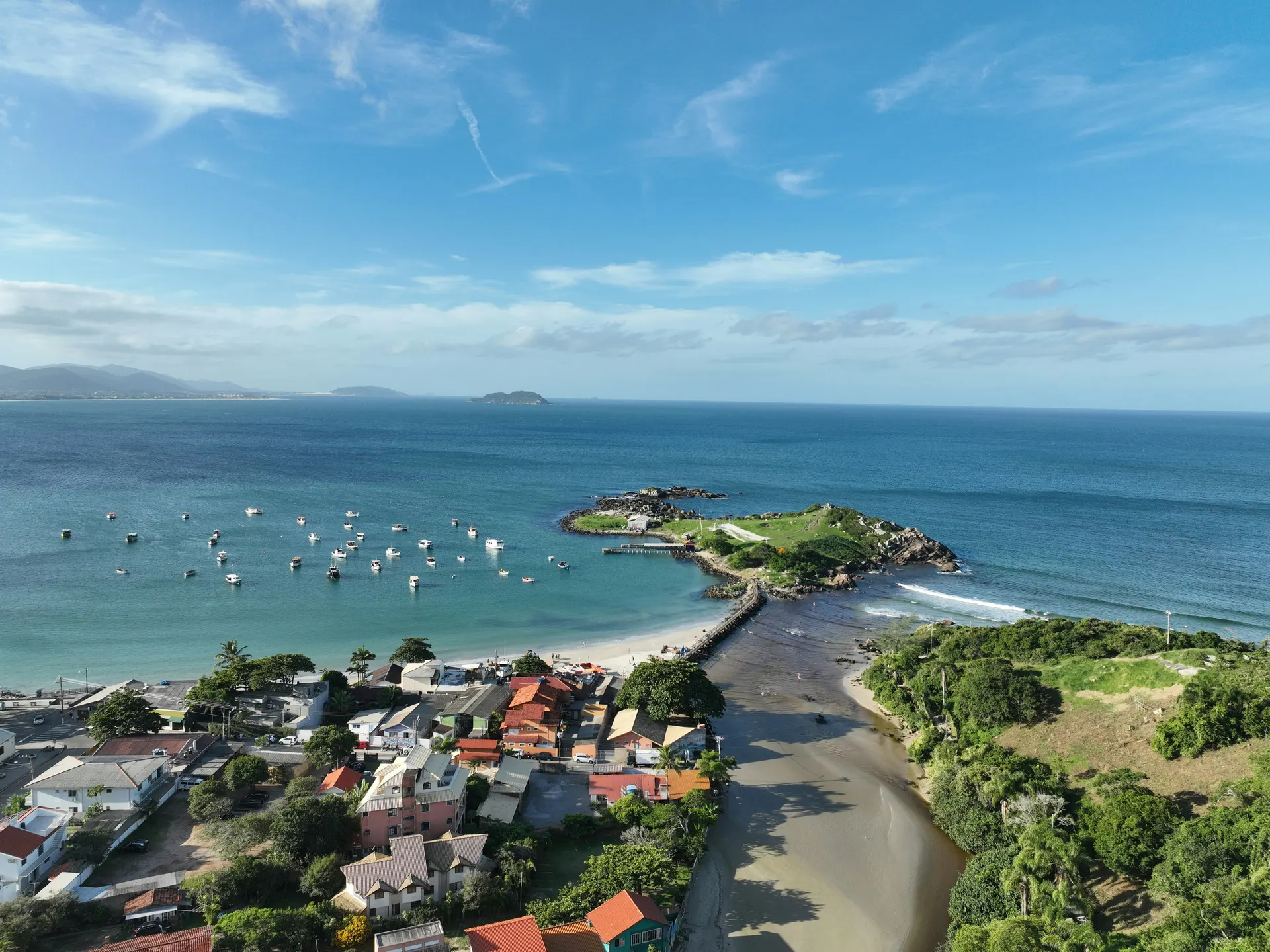
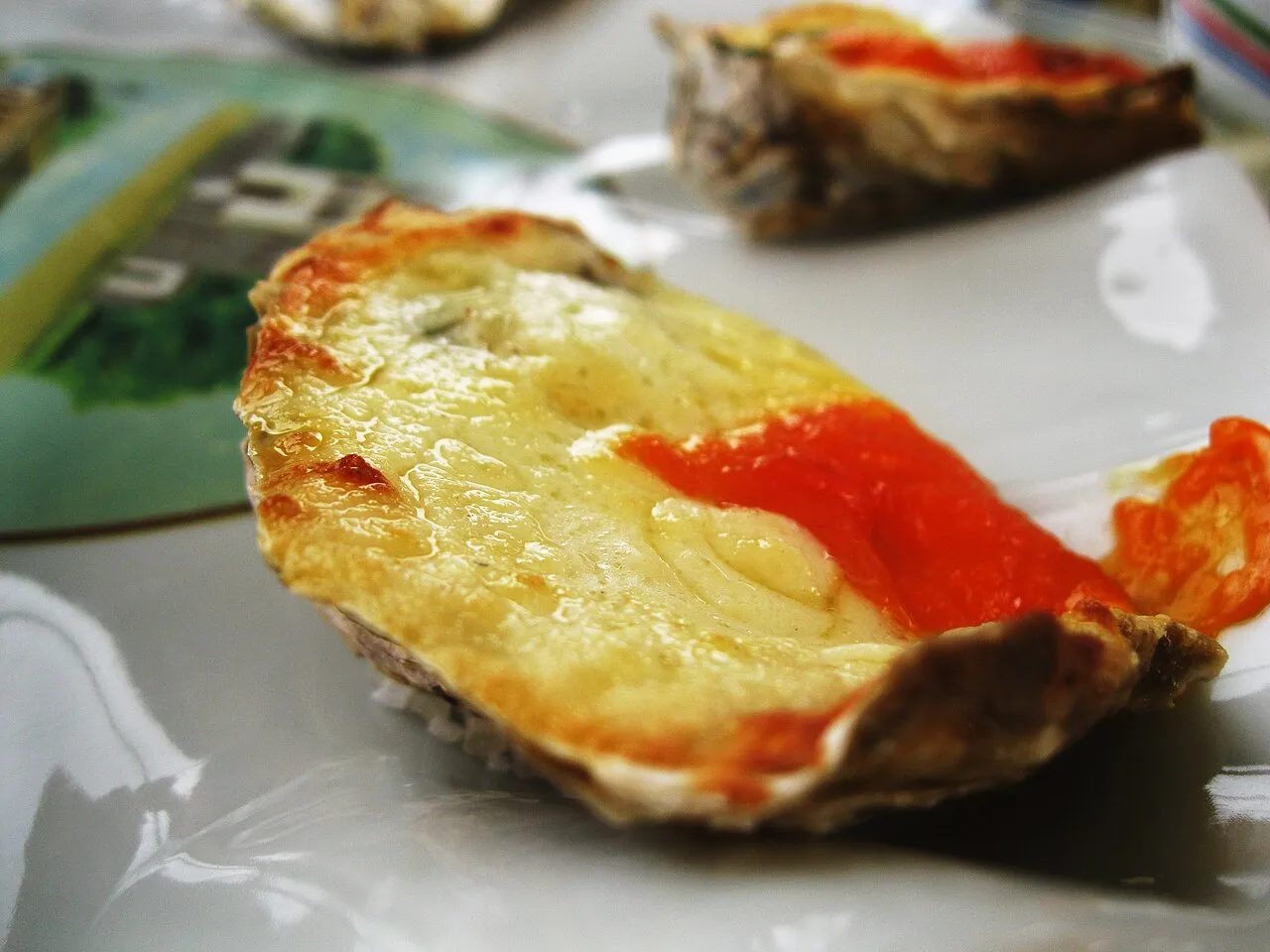
The south-west coast is the island’s oldest and most Portuguese corner, settled by families from the Azores in the 1700s. Ribeirão da Ilha is the heart of it: a colourful fishing village strung along a calm channel and the centre of Brazil’s oyster farming. You eat them a few metres from where they were pulled out of the water, which is about as fresh as oysters get anywhere on earth.
A little further up the same coast, Santo Antônio de Lisboa is the other half of this Azorean stretch: whitewashed colonial houses, sunset over the water, and the same unhurried fishing-village pace. If you fall for Ribeirão, give an evening to Santo Antônio too.
The north, two moods
Jurerê, Canasvieiras & Santinho
The north is where the island turns social, and it offers two very different versions of that. Jurerê Internacional is the upscale one: wide manicured streets, high-end holiday homes, and the beach clubs that draw a see-and-be-seen summer crowd. It is Floripa at its most polished.
For a gentler north, Canasvieiras is the classic family beach with calm, warm water and an easy, unfussy holiday feel, while Praia do Santinho pairs a good beach with its own field of dunes and a quieter setting. Between them they complete the contrast: the same sociable half of the island, dialled up or down to taste.
Not just a visit
Why people stop leaving.
Somewhere in the last decade Floripa quietly became one of the most popular places in South America to live and work remotely, and it did not happen by accident. The island has real digital infrastructure, a well-known tech and startup scene, and enough coworking spaces, laptop-friendly cafés, and English-speaking services that a foreigner can land and be functional within a week.
It helps that it consistently ranks among the safest and highest quality-of-life cities in Brazil. That combination (safe, beautiful, connected, and genuinely fun) is why the pattern here is so common: people come for two weeks, extend to a month, and start asking what a visa would take. If you are reading this while quietly wondering whether you could actually move here, you are not the first.
Built for remote work
Fast connectivity, coworking spaces, and a real tech and startup scene, not just cafés with wifi.
Safe and easy to settle
Consistently ranked among Brazil's safest and highest quality-of-life cities, with a growing English-speaking network.
A community, not a resort
Foreign families, surfers, and remote workers who came to visit and stayed, so you are never the only outsider.
Made for extending
Long-stay apartments, monthly rhythms, and everything you need to turn a trip into a season.
nomad-cafe-ocean-view.jpgDIGITAL NOMAD (landscape 4:3, sits on a dark green panel). Laptop-life meets beach: a person working on a laptop at a stylish beachside café or open-air coworking space with an ocean or lagoon view. Relaxed but productive, sunny, aspirational. Real place feel, not a stock office.
Where in Brazil
Florianópolis on the map
Florianópolis sits in Brazil’s south, in the state of Santa Catarina, an island just off the coast and linked to the mainland by bridge. It is a short internal flight from São Paulo or Rio de Janeiro.
We live here, so take this as the local answer rather than the guidebook one: the season runs from November, sometimes late November, all the way through April. That whole stretch is beach weather. Inside it, December to March is the Brazilian summer, the warmest water and the liveliest scene, but also the busiest, especially in the north and especially in January. The two ends of the season are the ones we would pick for ourselves. November is warm and still quiet, and April is our favourite month on the island: the sea has all summer stored in it, the light turns golden, the trails are perfect and the crowds have gone home. Winter, June to August, is cool and green and good for hiking, but you will not want to swim much.
Do I need a car on the island? +
For a proper visit, it helps a great deal. The best spots are spread from the far south to the far north, and public transport between them is slow. A car (or a private driver) is what makes the wild-south-in-the-morning, social-north-at-night rhythm possible. Within a single walkable district like Lagoa or Jurerê you can manage without one for a few days, and ride apps work well in the developed areas, but to actually see the island you want wheels.
Is Florianópolis safe? +
Florianópolis is consistently ranked among the safest state capitals in Brazil, and it is one of the main reasons the expat scene has grown here. It feels relaxed, and normal big-city common sense is usually all you need: keep an eye on your things on busy beaches, do not flash valuables, and use ride apps late at night. It is one of the easier places in Brazil for a first-time visitor to feel at ease.
People keep saying they moved here. Is that realistic? +
It is common enough that there is a whole ecosystem around it. Brazil offers a digital nomad visa and other longer-stay routes, and Floripa has the remote-work infrastructure, housing, and English-speaking services to make a soft landing possible. Plenty of people test it with a one to three month stay before committing to anything. If relocation is the real reason you are curious about the island, it is worth planning the trip with that in mind from the start.
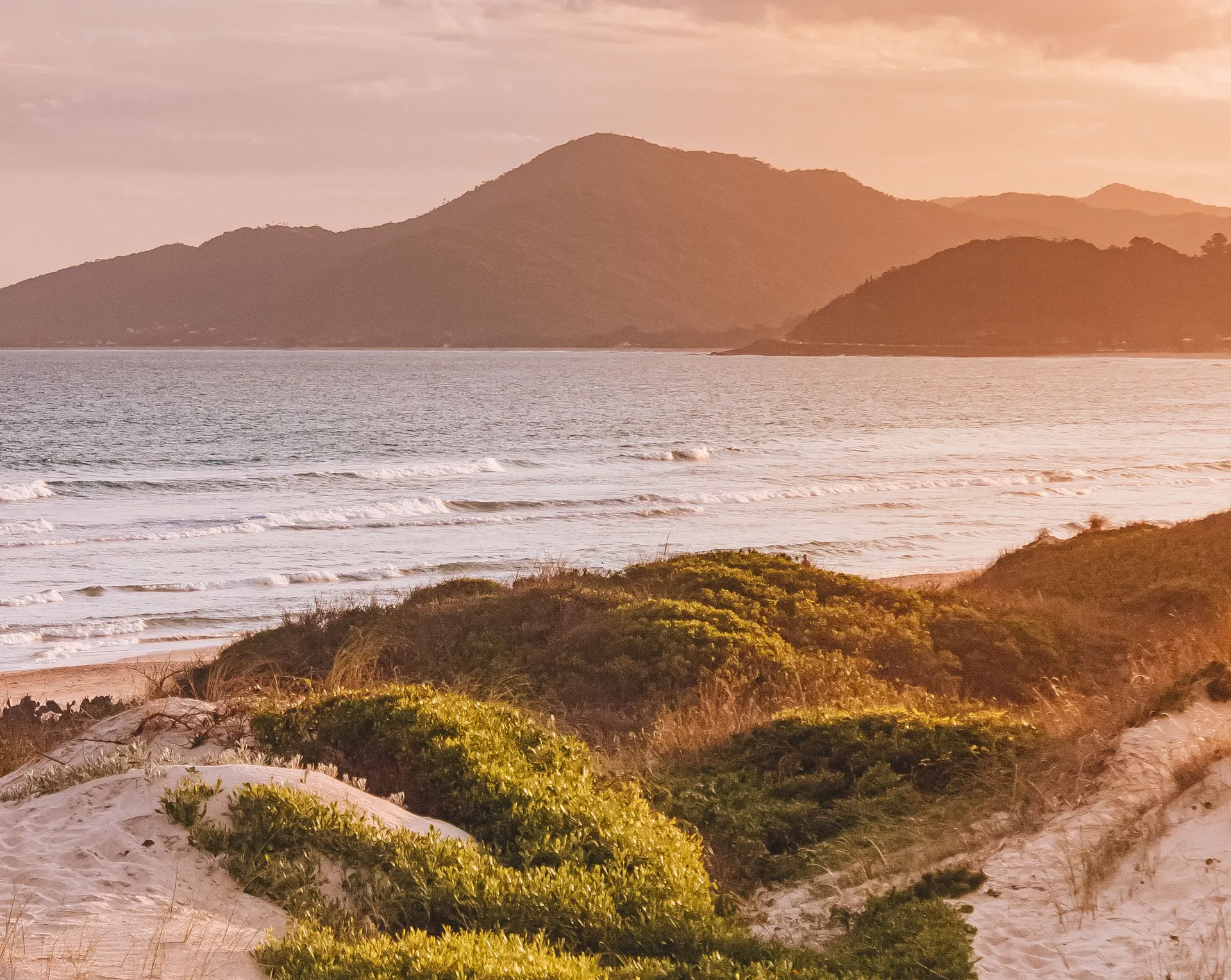
cta-floripa-sunset.jpgCLOSING CTA (full-width, landscape 16:9). Warm, aspirational sunset: golden or pink sky over the water and hills of Florianópolis, island headlands in silhouette, calm sea. Centered white text sits on top, so keep the middle relatively simple and not too busy.
Come see the island the way locals live it.
Tell us your dates, your pace, and whether this is a visit or a test run for something more permanent. We will shape a private Florianópolis itinerary around exactly that.
This site uses third-party website tracking technologies to provide and continually improve our services for you, and to display advertisements according to users' interests. I agree and may revoke or change my consent at any time with effect for the future.