
Travel Stories · A personally planned journey
A private Brazil history tour, shaped around one traveller.
A solo traveller wanted to understand Brazil through its Catholic, colonial, imperial and Afro-Brazilian history. I built a 17-day, 16-night journey from São Paulo to Salvador, connecting private guided visits with the people and places that could bring those interests to life.
Planned and written by Robin Himmrich · Florianópolis
Planning account prepared
- 16 nights
- 17 days
- Single occupancy
- 1 traveller
- One connected story
- 5 regions
- For the scheduled guided visits
- Private guides
What did the traveller want to understand?
The brief was specific: churches and sacred art, the colonial economy, the imperial family, and the African heritage that continues to shape Brazil. Each stop needed to contribute to that story. Private guiding would leave room for questions and a pace built around one person.
My task was to connect these interests across several regions and make the arrangements work as a whole. I used my contacts in Brazil to organise local guiding and transport, then refined the route around the traveller’s priorities. Time for independent exploration remained part of the plan.
Where did local planning make a difference?
A direct road connection into Minas
I found a private driver for the journey from the Rio hotel directly to Tiradentes. This replaced the proposed Rio to Belo Horizonte flight and the airport transfers at both ends. The direct road option was chosen to reduce the time and total cost of this connection.
Mariana on the way to Ouro Preto
Mariana moved into the transfer day from Tiradentes, alongside Congonhas. That gave the following day entirely to Ouro Preto. A long travel day gained historical substance, while the next day no longer had to accommodate another town.
History determined the pace
In Paraty, the Gold Trail outing was planned with the option of a shorter walk focused on history because waterfalls were not a priority. In Rio, a six-hour private visit connects Corcovado with historic churches. Ouro Preto retains a full free day.
Why these five regions, in this order?
São Paulo introduces religious life and Black Catholic history; Paraty connects the coast to the gold routes. Rio and Petrópolis bring the imperial period into focus, Minas Gerais adds mining and Baroque art, and Bahia closes with Catholic and Afro-Brazilian heritage.
Religious history beyond the skyline
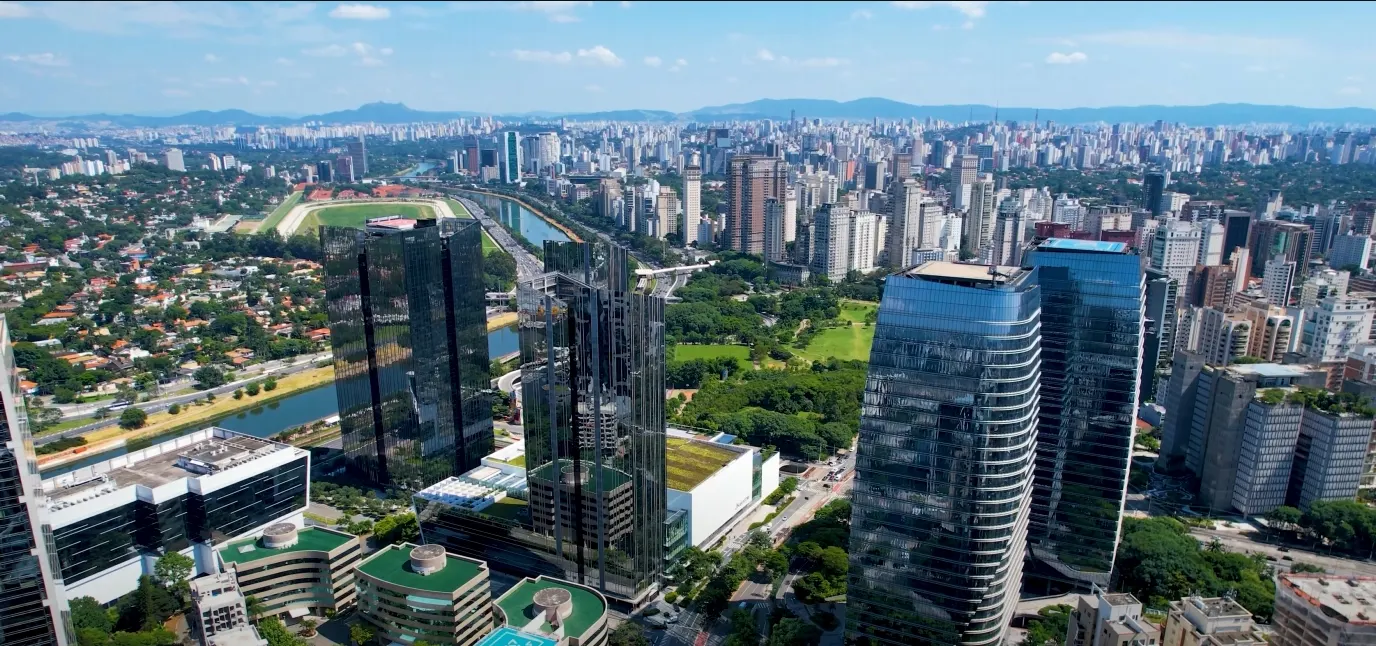
São Paulo’s origins are linked to the Jesuit foundation of 1554. For this traveller, that makes the city a useful starting point for exploring how religious institutions shaped urban life, alongside the histories of Black Catholic communities.
What is planned. The private city day includes the Metropolitan Cathedral, São Bento Monastery and historic churches. Rosário dos Homens Pretos and sites in Liberdade bring slavery, memory and Black religious life into the discussion. A separate private excursion to Aparecida visits the National Shrine, the Old Basilica and the Passarela da Fé, with time for personal reflection.
Why I chose it. Starting with both urban religious history and an active pilgrimage destination gives the journey a living dimension from the beginning.
Following the connection between gold and the coast
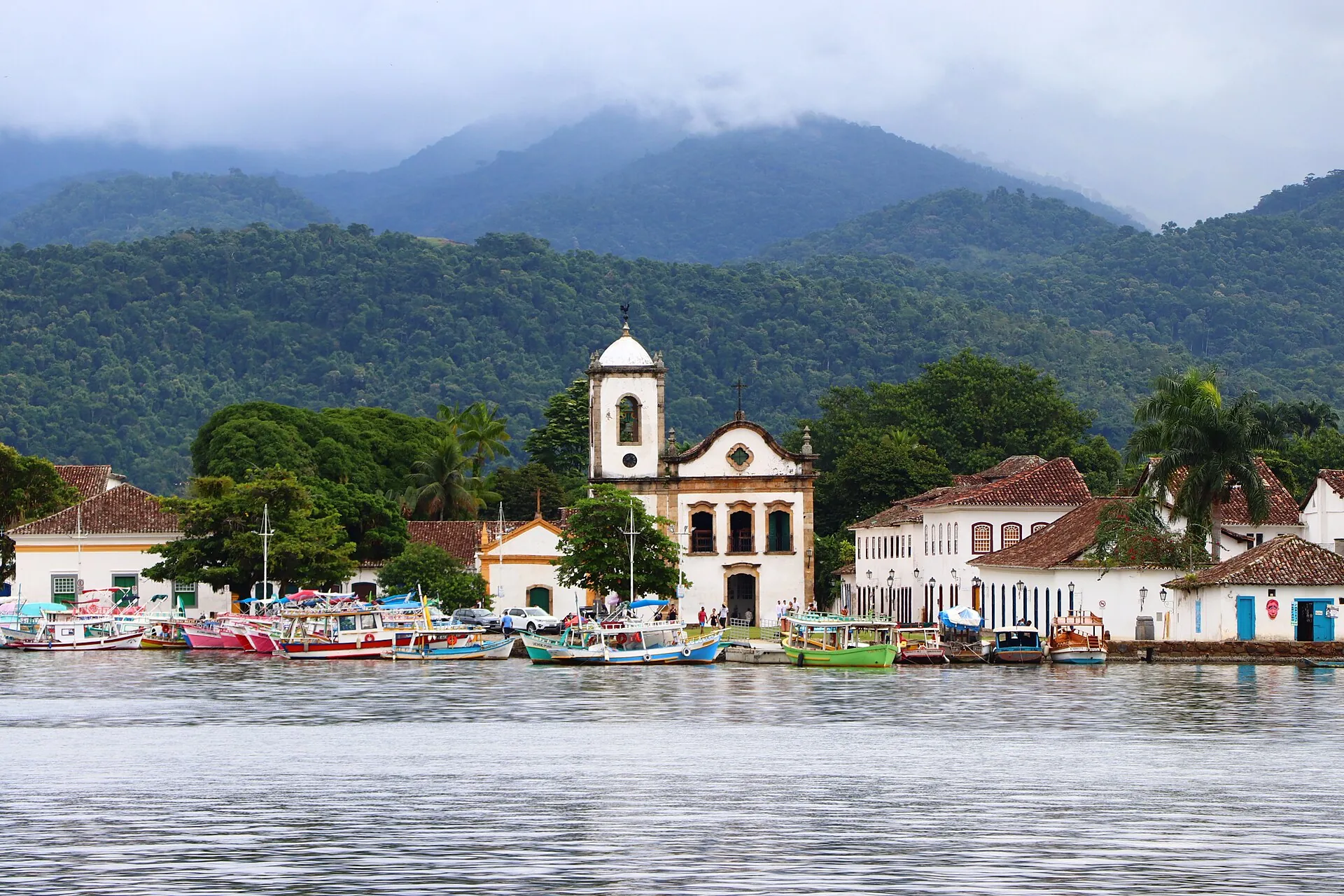
Paraty’s historic centre is part of the UNESCO property “Paraty and Ilha Grande, Culture and Biodiversity”. Its role as a port connected the coast to the gold-producing interior. The town helps explain how trade, colonial power and religious buildings belonged to the same system.
What is planned. After the shared shuttle from São Paulo, a private walking tour focuses on the old town, churches and religious orders. The next day follows the Caminho do Ouro. The outing can be shortened to concentrate on the historical trail rather than waterfall stops.
Why I chose it. Paraty establishes the coastal side of a story that the traveller will revisit in the mining towns of Minas Gerais.
Days 6 to 8 · 3 nights
Rio de Janeiro & Petrópolis
 Explore this destination: Rio de Janeiro & Petrópolis
Catholic Rio and the world of the imperial family
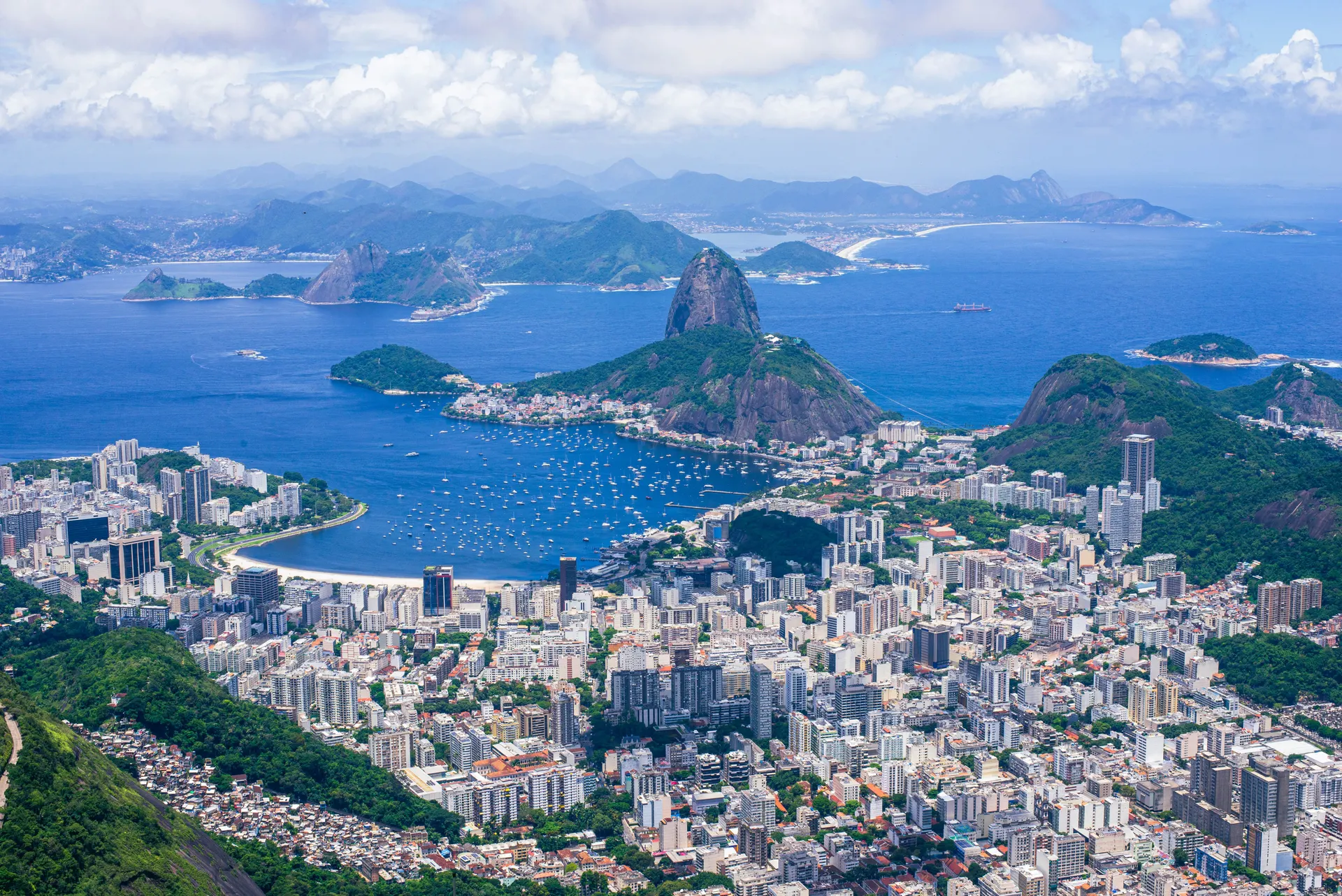
Rio’s role as Brazil’s former capital adds the political dimension. Nearby Petrópolis makes the imperial connection tangible: the Imperial Museum occupies the former summer palace of Dom Pedro II. Together, the two cities connect places of worship with the institutions of empire.
What is planned. A shared shuttle brings the traveller from Paraty to Rio, followed by free time. A private day in Petrópolis centres on the Imperial Museum and the Cathedral of São Pedro de Alcântara. A separate six-hour private Rio tour combines Christ the Redeemer with São Bento Monastery and Candelária Church.
Why I chose it. Petrópolis was included for the traveller’s interest in the monarchy; the Rio day pairs a celebrated landmark with the quieter religious visits that matter to this brief.
Gold, sacred art and the work behind the wealth
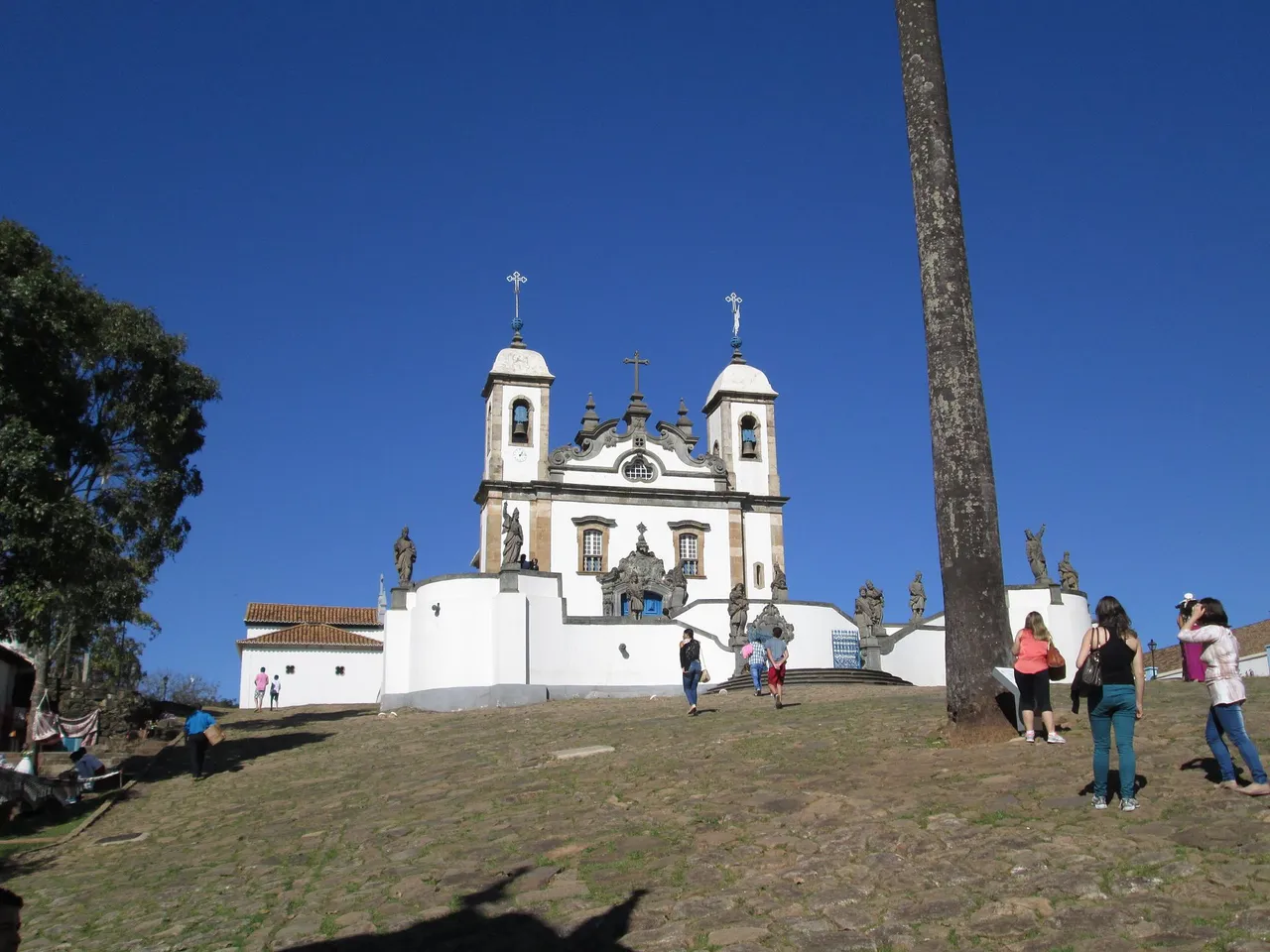
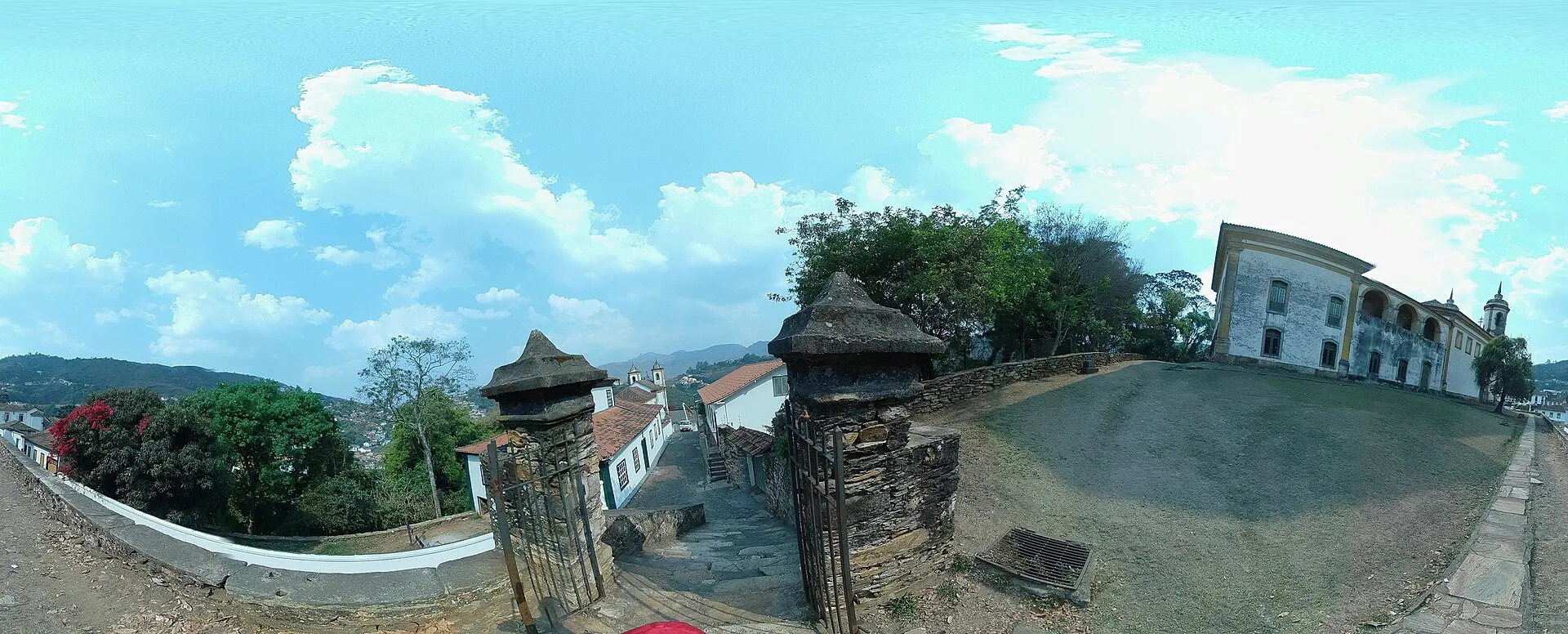
The gold rush shaped Ouro Preto and helped finance its Baroque churches. That wealth cannot be separated from slavery and labour. Congonhas adds another perspective through the Sanctuary of Bom Jesus and Aleijadinho’s sculptures. Both Ouro Preto and the sanctuary are UNESCO World Heritage sites.
What is planned. A private road transfer leads from Rio to Tiradentes. Guided visits connect Tiradentes and São João del-Rei, followed by Congonhas and Mariana on the way to Ouro Preto. There, São Francisco de Assis, Nossa Senhora do Pilar, the historic opera house and an eighteenth-century gold mine form the planned guided day. A full free day follows.
Why I chose it. Two nights in Tiradentes and three in Ouro Preto allow this region to carry real weight in the journey. The mine visit adds context to the religious art instead of treating the churches only as beautiful interiors.
Days 14 to 17 · 3 nights
Salvador & the Recôncavo
 Explore this destination: Salvador & the Recôncavo
Catholic and Afro-Brazilian histories in conversation
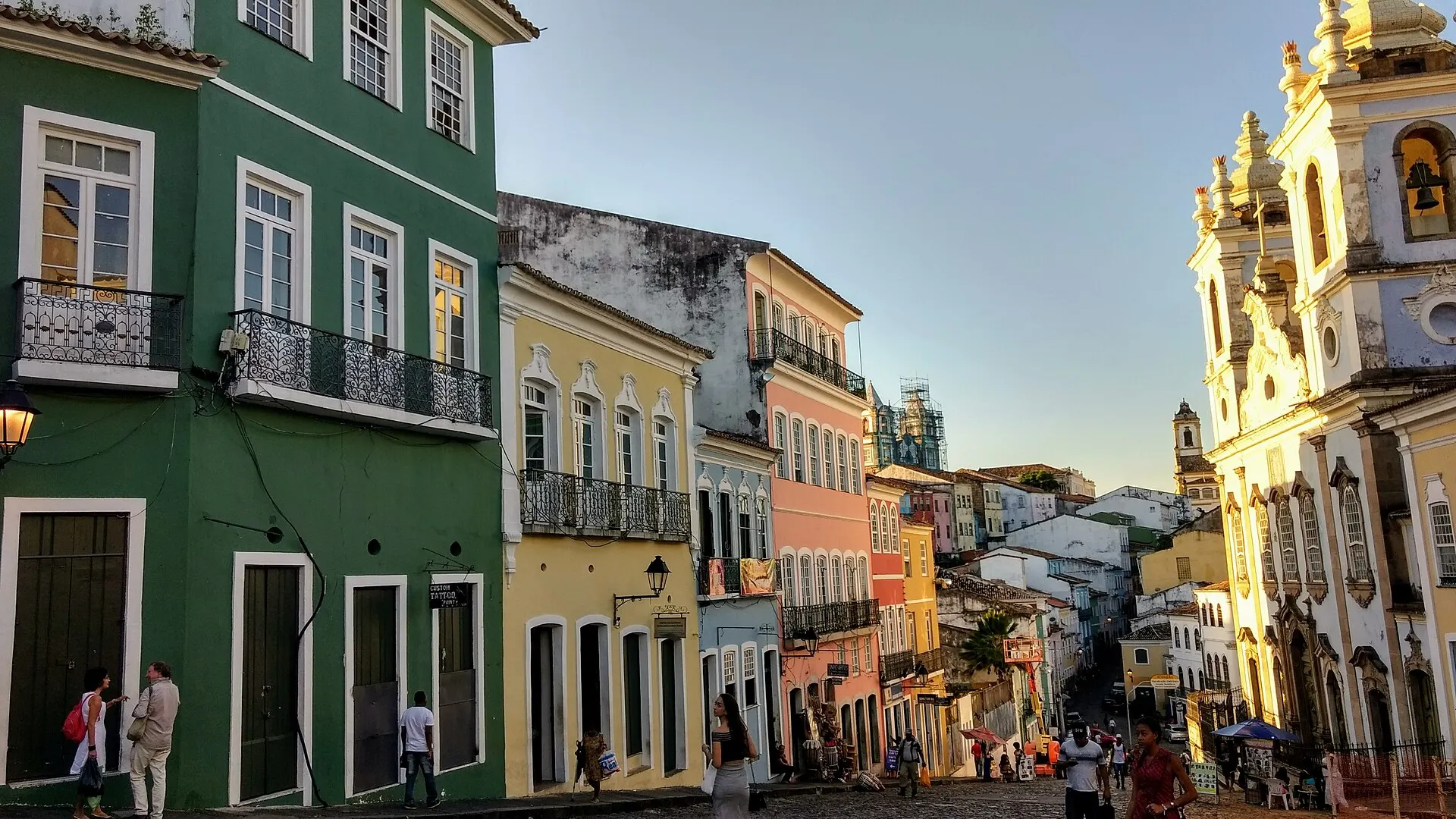
Salvador was Brazil’s first capital, from 1549 to 1763, and remains a major centre of Afro-Brazilian culture. Its historic centre brings African, European and Indigenous histories into the same urban setting. The Recôncavo extends that perspective beyond the city.
What is planned. After a flight from Belo Horizonte and a private arrival transfer, two private days focus on Salvador and the Recôncavo. Planned stops in the city include the Cathedral Basilica, Misericórdia Museum, the Third Order of São Francisco and Rosário dos Pretos. The Cachoeira excursion includes the headquarters of the Irmandade da Boa Morte, Carmelite heritage and the ruins of Santo Antônio do Paraguaçu.
Why I chose it. Bahia gives the African and Afro-Catholic strands of the brief their own space. The itinerary proposes historical visits, not guaranteed access to private religious ceremonies.
What does “privately arranged” mean on this journey?
The scheduled guided visits are private, with English-speaking local guides. The traveller has single-occupancy accommodation and the private transfers described in the plan. São Paulo to Paraty and Paraty to Rio are shared shuttle journeys. Free days do not include a guide or vehicle.
Sixteen nights, one domestic flight and the regional arrangements connect the route. International flights are outside the itinerary. Meals and admission fees depend on the individual service descriptions. Church services, opening hours and local conditions can affect the order of visits; a named stop is not a promise of unrestricted access.
Could we plan a similar history-focused trip for you?
Yes. This route shows how we can organise a Brazil trip around a particular interest, including for a solo traveller. We would start with the periods, places and questions that interest you, then agree on dates, walking demands, guiding language and budget.
This particular plan involves cobbled streets, church visits, a trail walk and some long road days. It is best suited to someone who enjoys detailed historical interpretation and several hotel bases. If you prefer fewer transfers or need easier walking, we would change the route before booking.
For another starting point, explore our Culture & History journey.Questions about this private Brazil history tour
How much time does this history-focused route allow?
The itinerary spans 17 days and 16 nights: three nights in São Paulo, two in Paraty, three in Rio, five in Minas Gerais and three in Salvador. Guided visits alternate with travel days and independent time.
Is there one guide throughout all 17 days?
The plan uses local English-speaking guides for the scheduled private visits in each region. It does not include a single accompanying guide around the clock, and the free days remain independent.
Can Catholic and Afro-Brazilian interests be combined?
Yes. This itinerary connects churches, sacred art, Black Catholic history and the Afro-Catholic heritage of Bahia. The focus is historical understanding; participation in a ceremony would require a separate, locally appropriate arrangement.
Can this trip be booked at a fixed published price?
This was an individual quotation for one traveller. A similar journey needs a new quote based on dates, room occupancy, transport and guide availability. We set out the inclusions and exclusions in your written proposal.
Historical sources
The travel arrangements above come from the individual itinerary. These official sources support the historical context. Destination photographs illustrate the places, not a completed customer journey.
- Paraty and Ilha Grande, Culture and Biodiversity · UNESCO
- Historic Town of Ouro Preto · UNESCO
- Sanctuary of Bom Jesus do Congonhas · UNESCO
- Historic Centre of Salvador de Bahia · UNESCO
- Museu Imperial · Instituto Brasileiro de Museus
- Cachoeira (BA) · IPHAN
- Igreja São José de Anchieta · Pateo do Collegio
- Passarela da Fé · Santuário Nacional de Aparecida