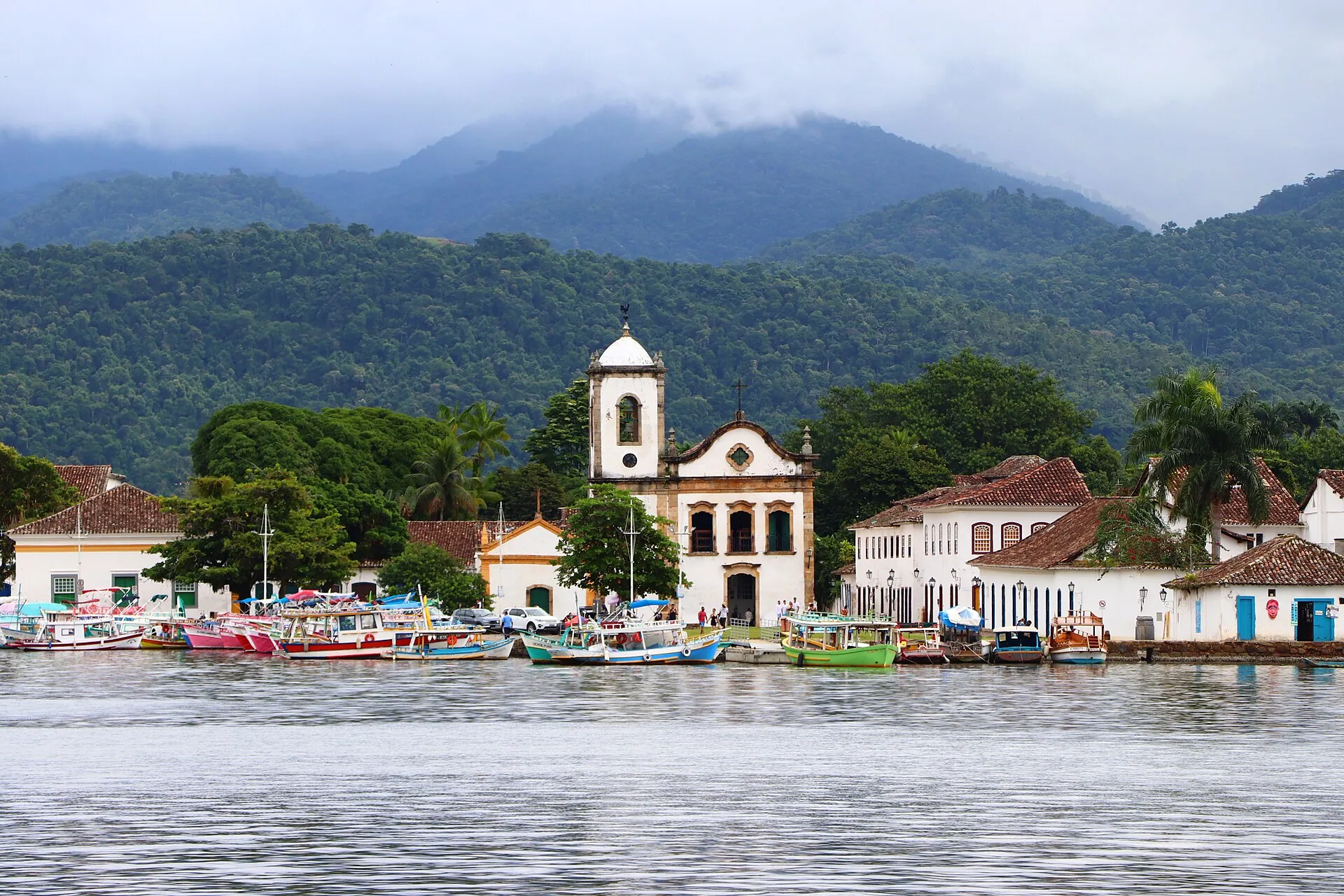
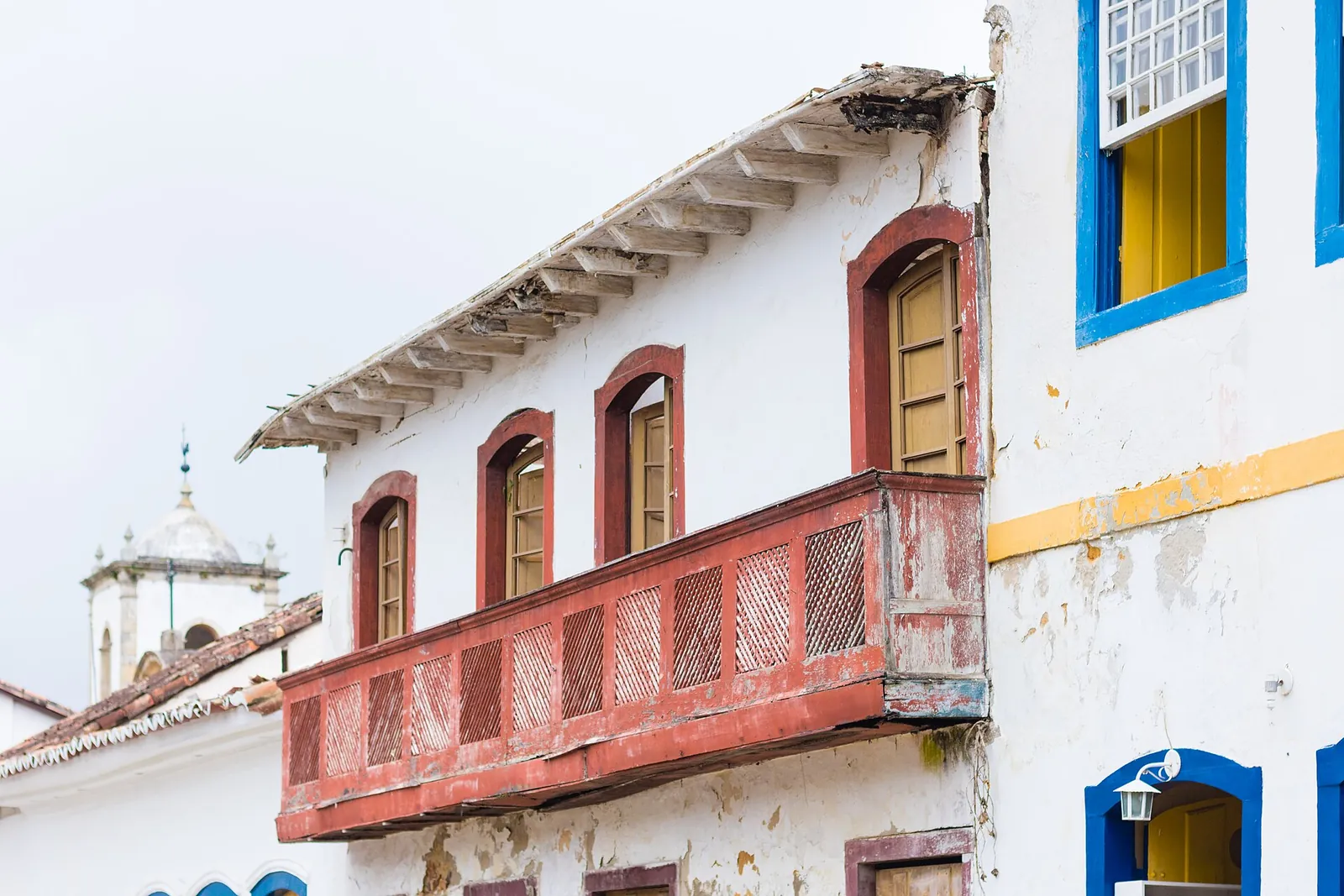
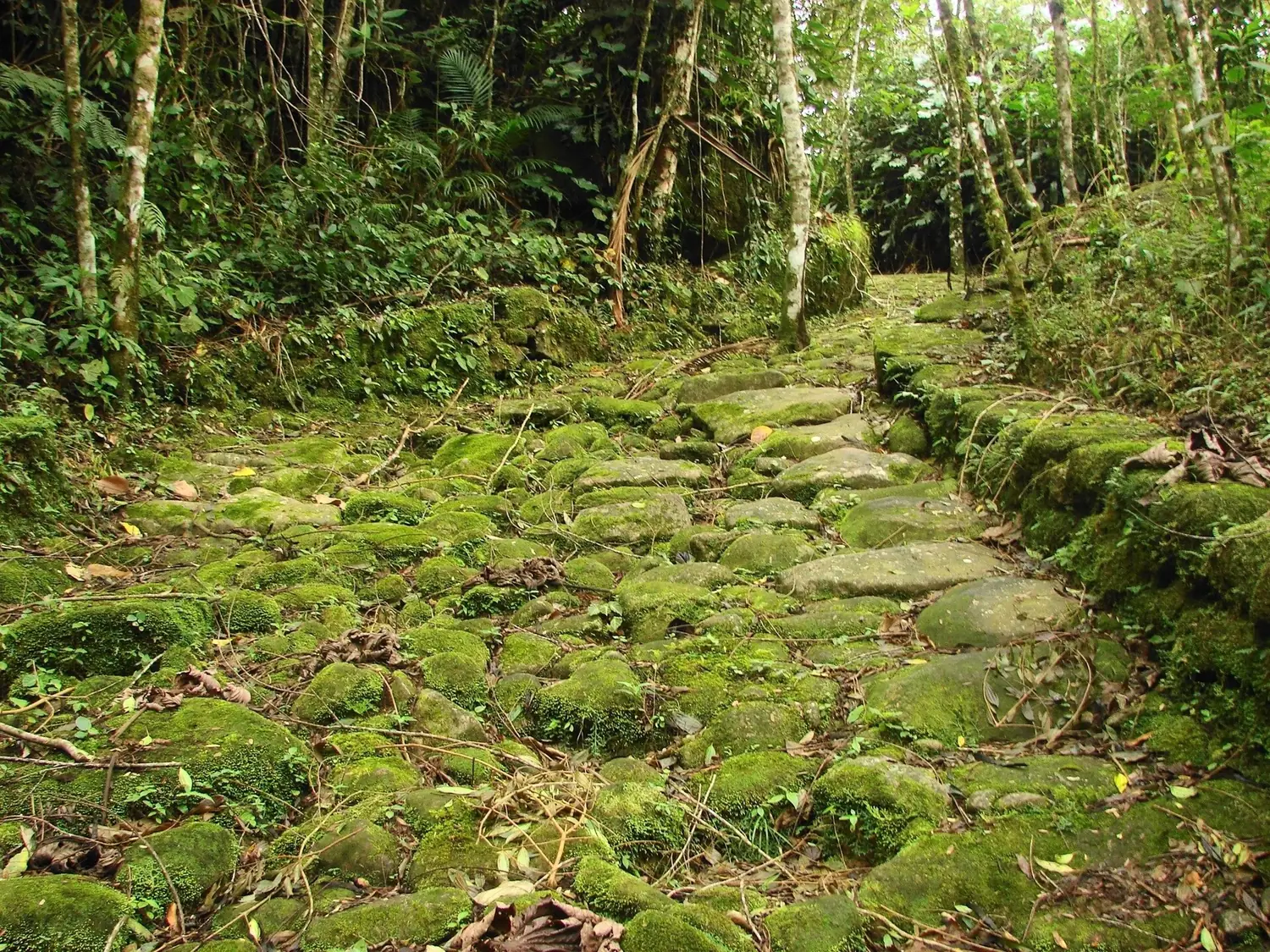
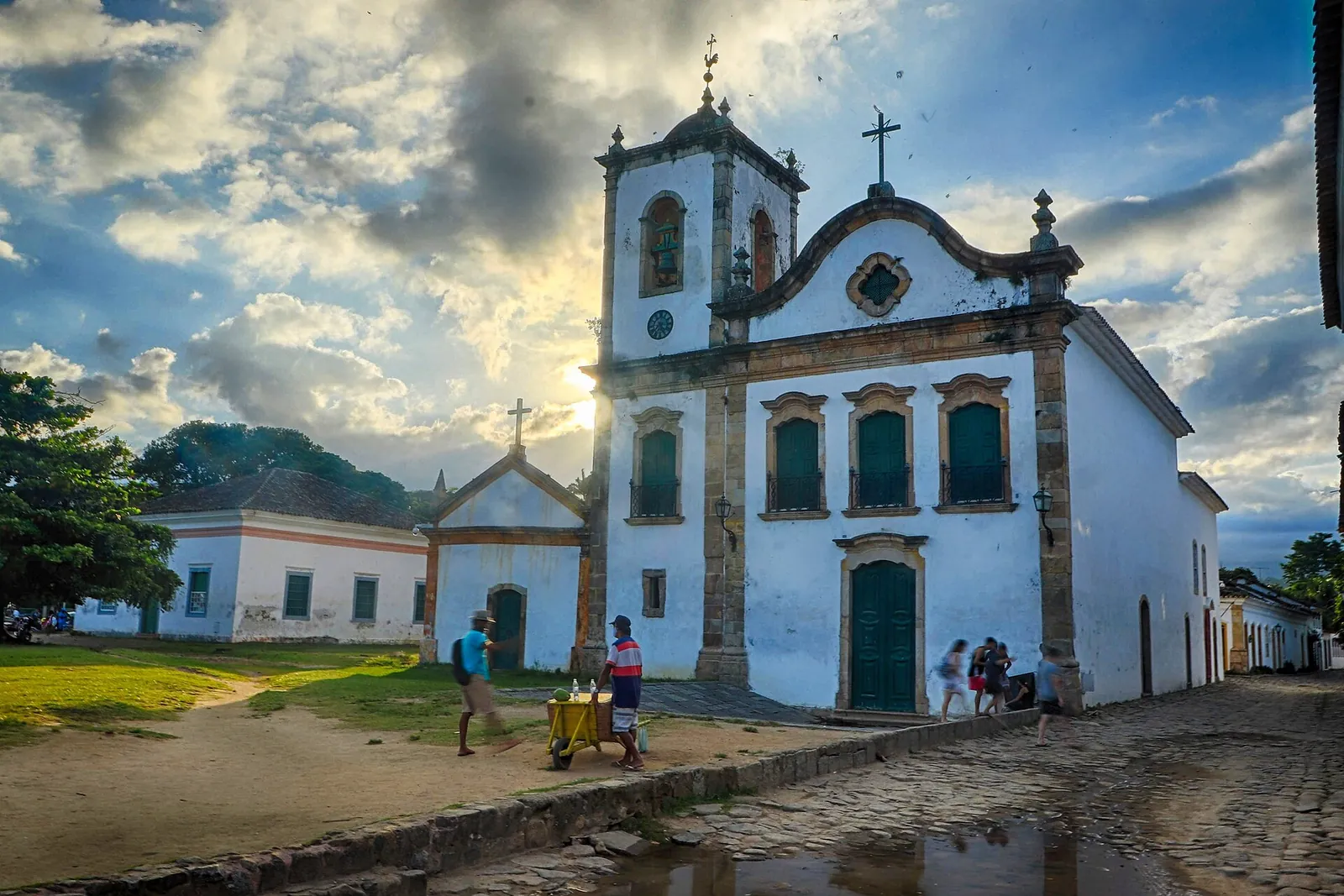
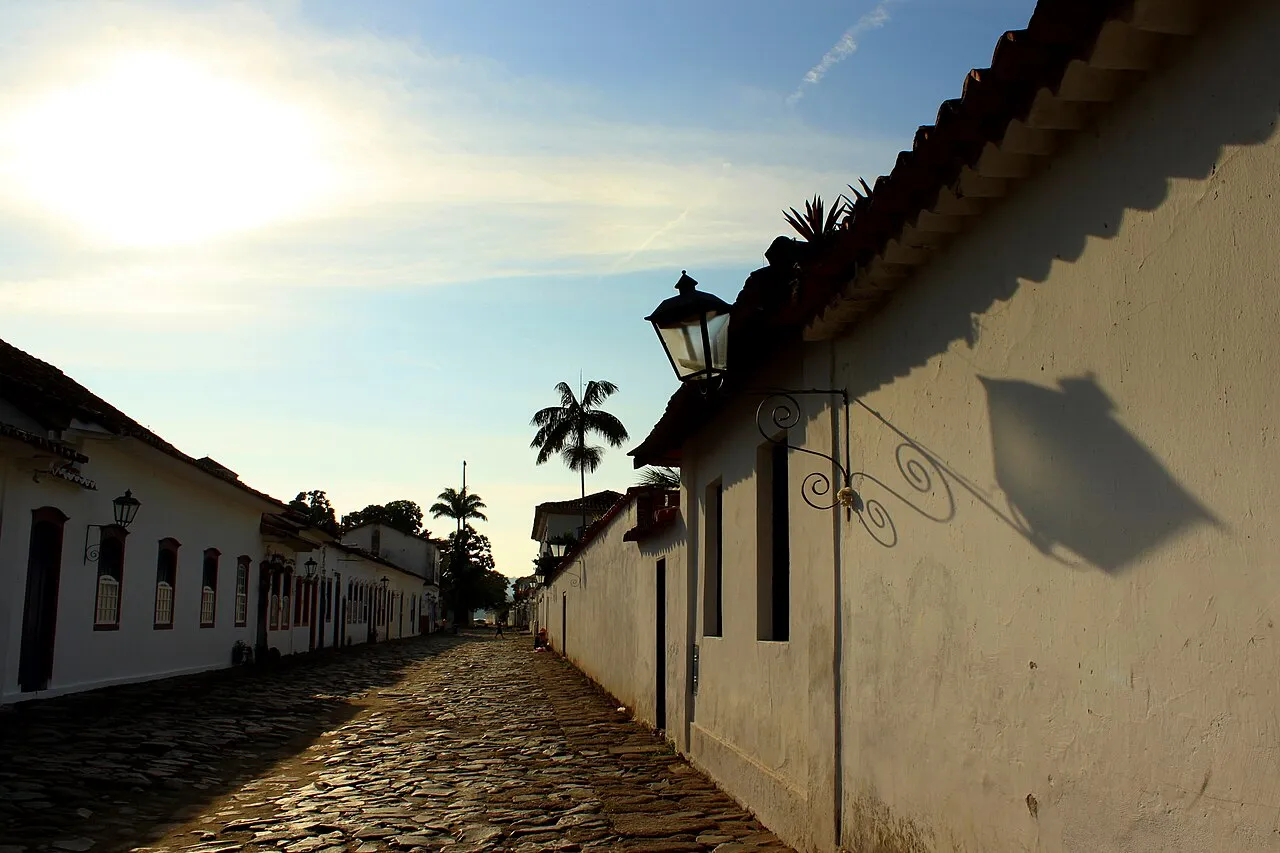
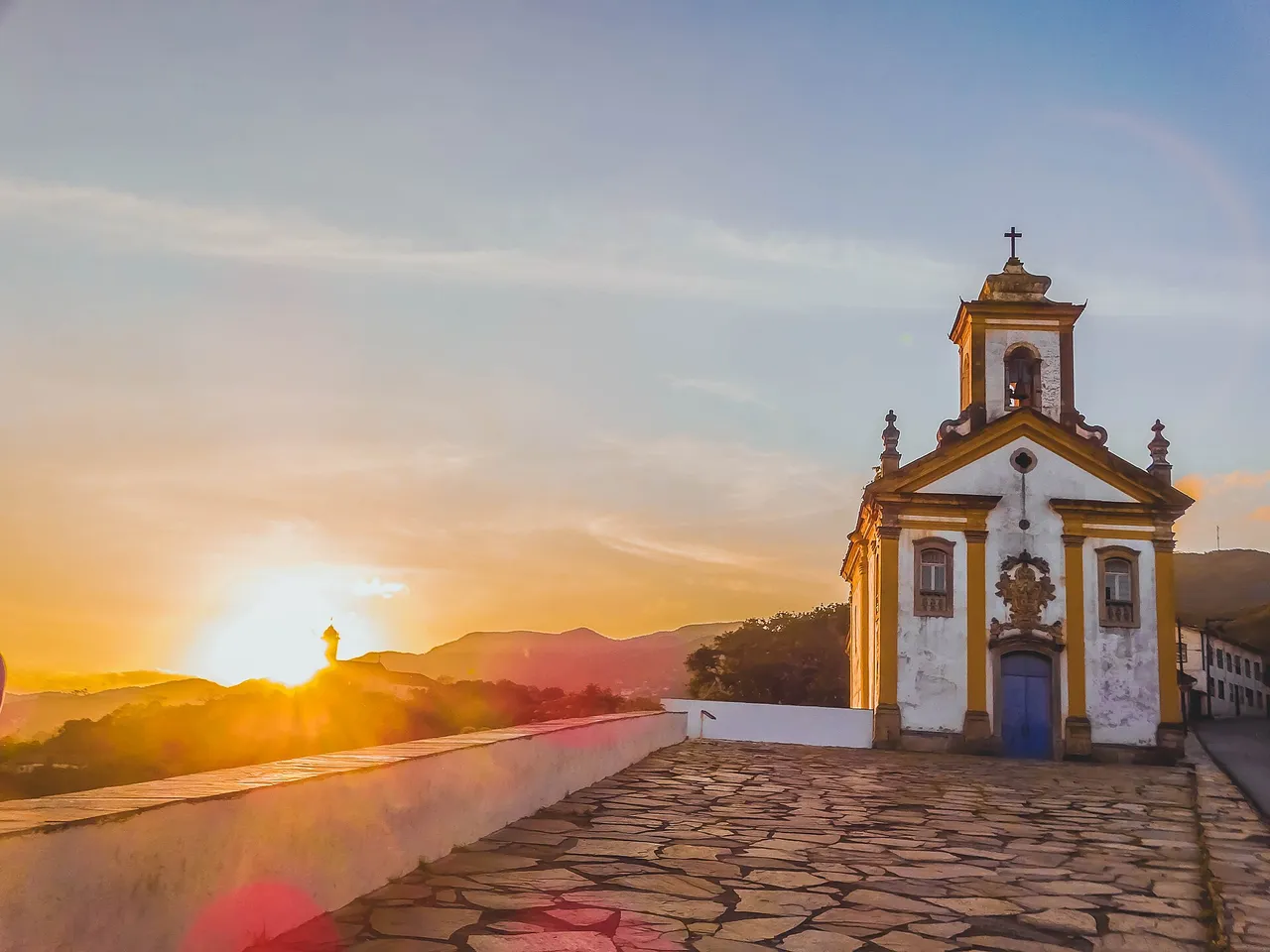
For most of the 1700s, Paraty was where Brazil’s gold met the sea. Hauled down from the mines of Minas Gerais along a stone road through the mountains, it was loaded onto ships here and sent to Portugal. That wealth built the town you still walk today: grand whitewashed houses with brightly painted doors and windows, baroque churches, and streets paved in big irregular stones the locals call pé de moleque.
When the gold ran out and a railway later carried the coffee trade elsewhere, Paraty was simply left behind, and that is exactly why it survived. The historic centre is car-free and almost perfectly preserved, so complete that in 2019 UNESCO made Paraty and Ilha Grande Brazil’s first mixed World Heritage Site, honoured for both its culture and its nature at once.
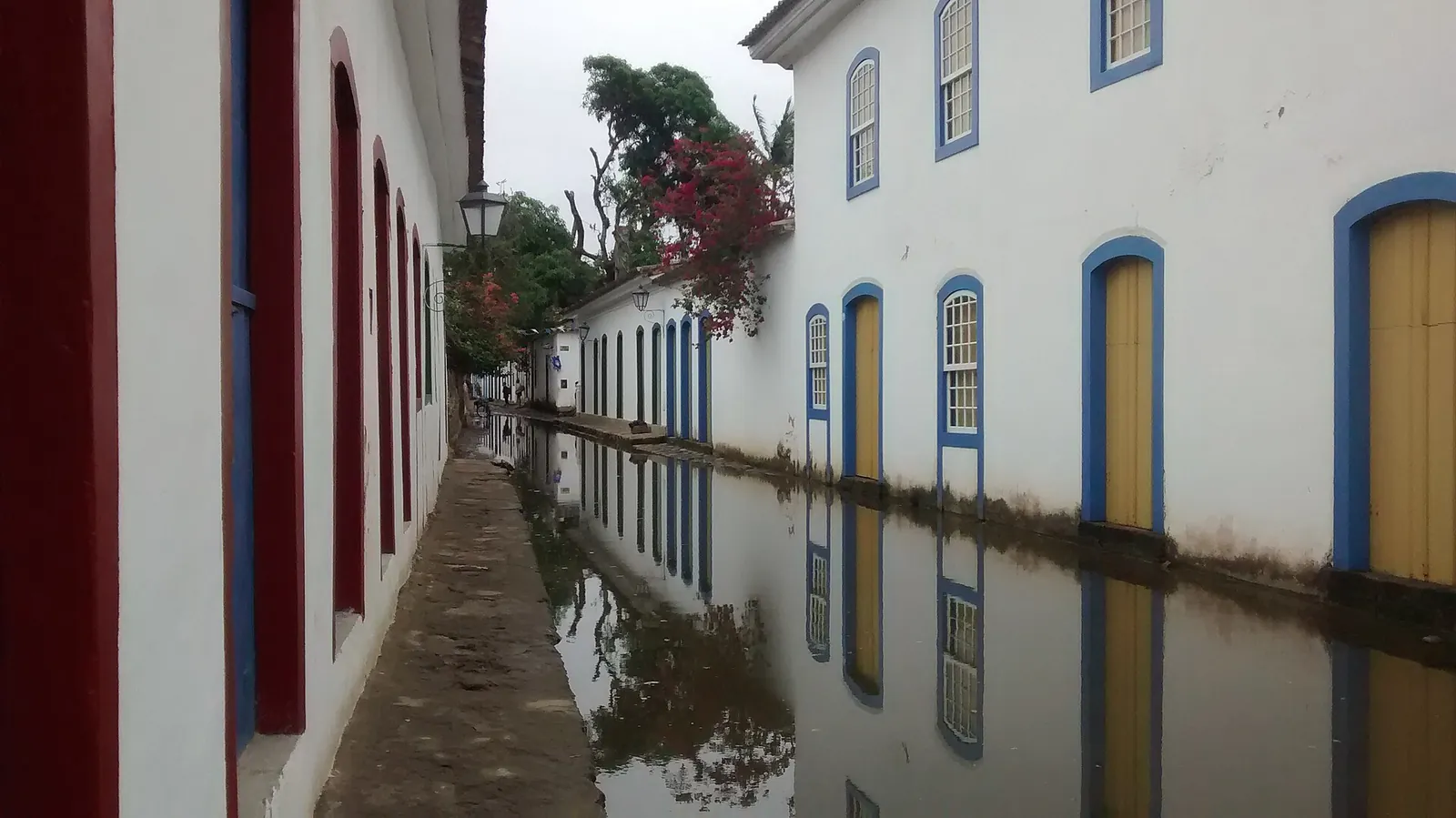
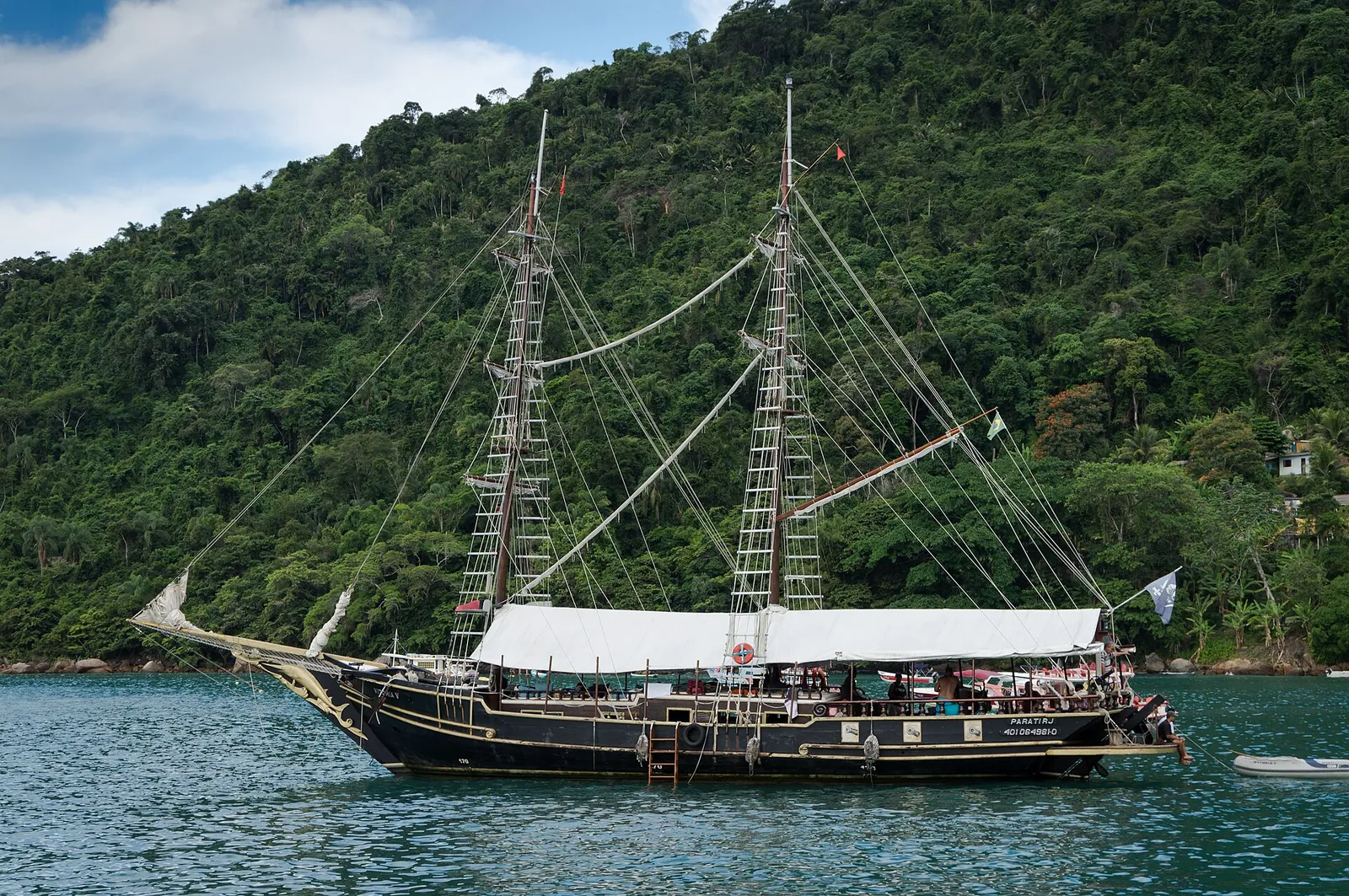
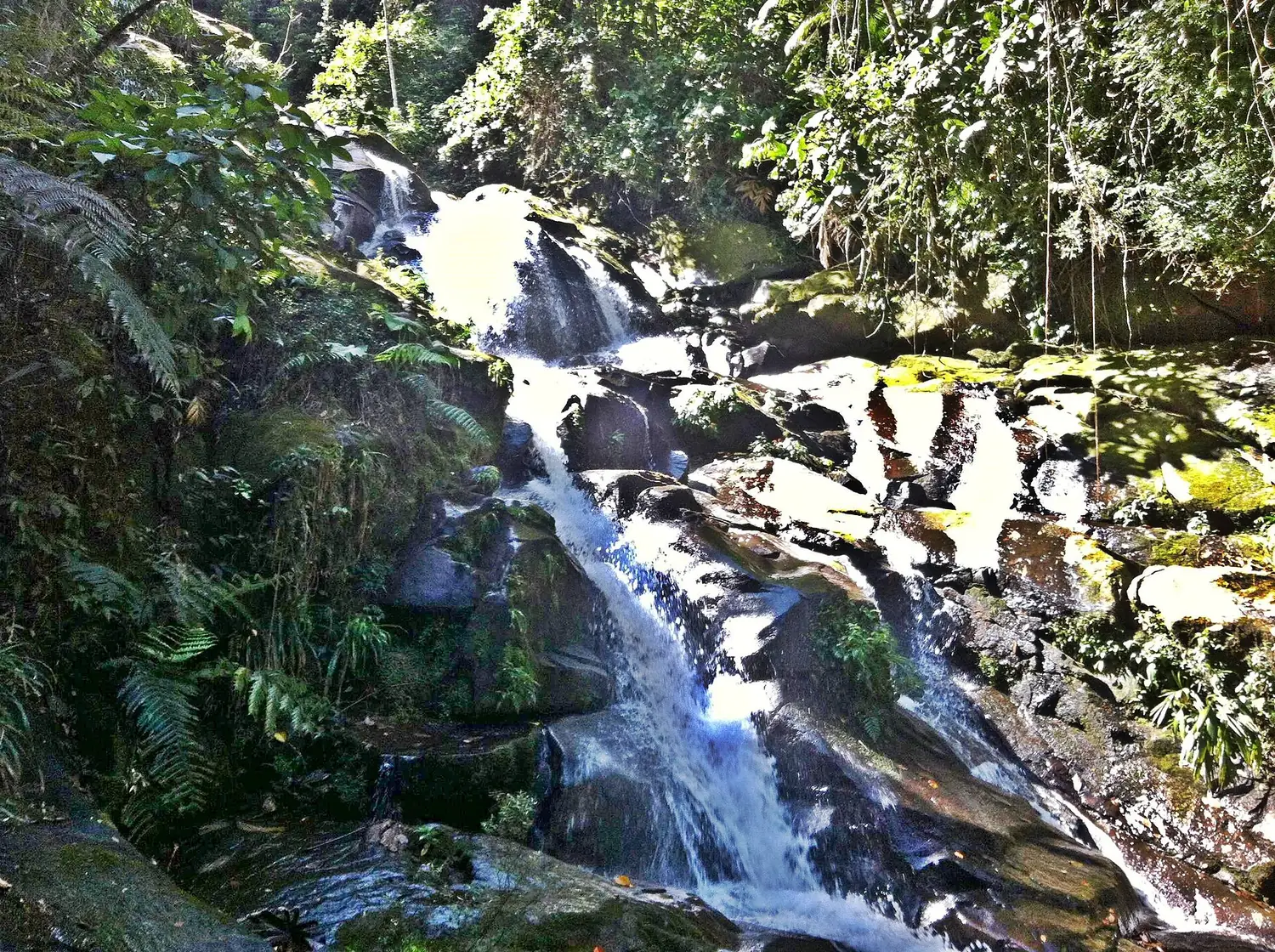
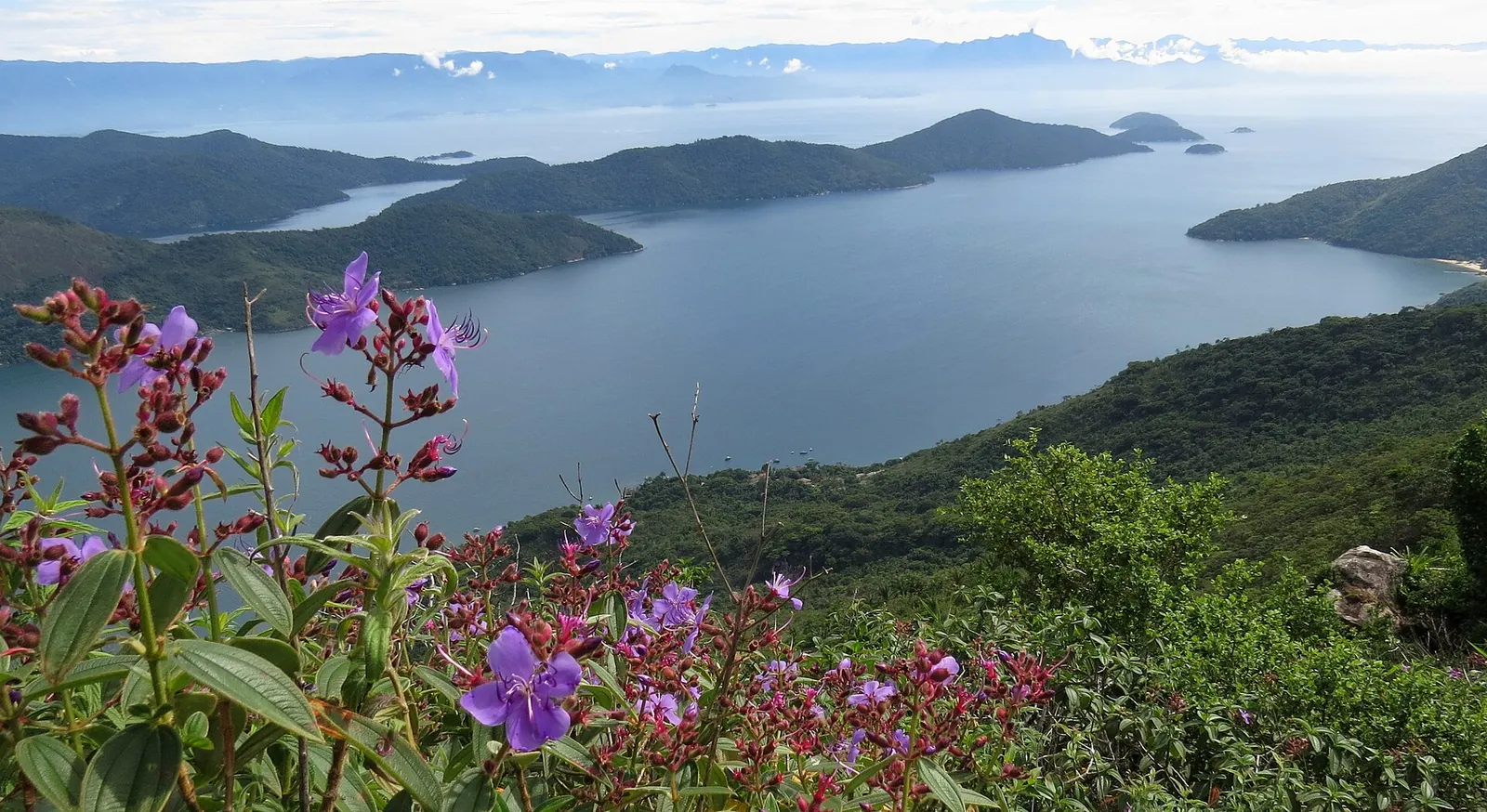
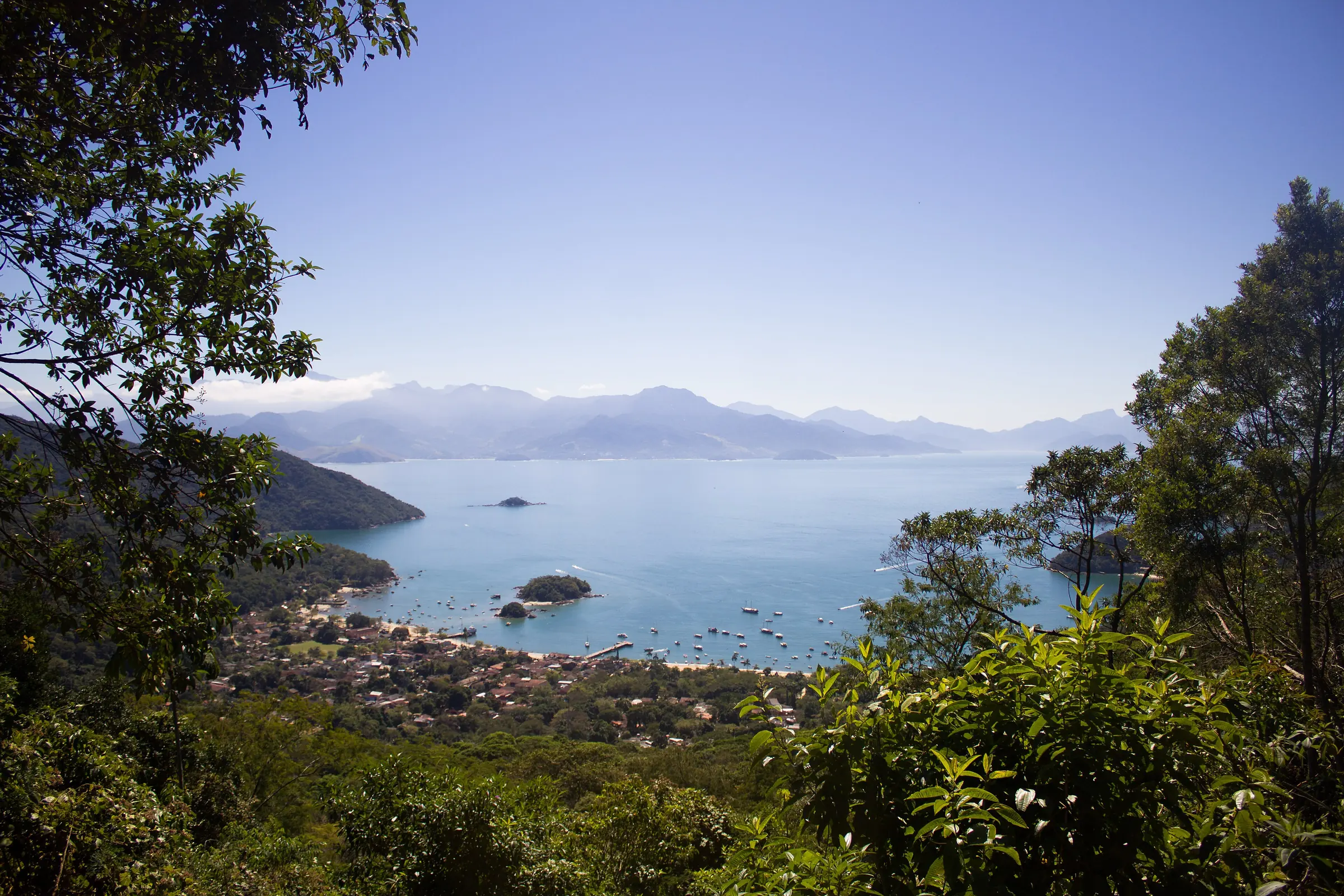
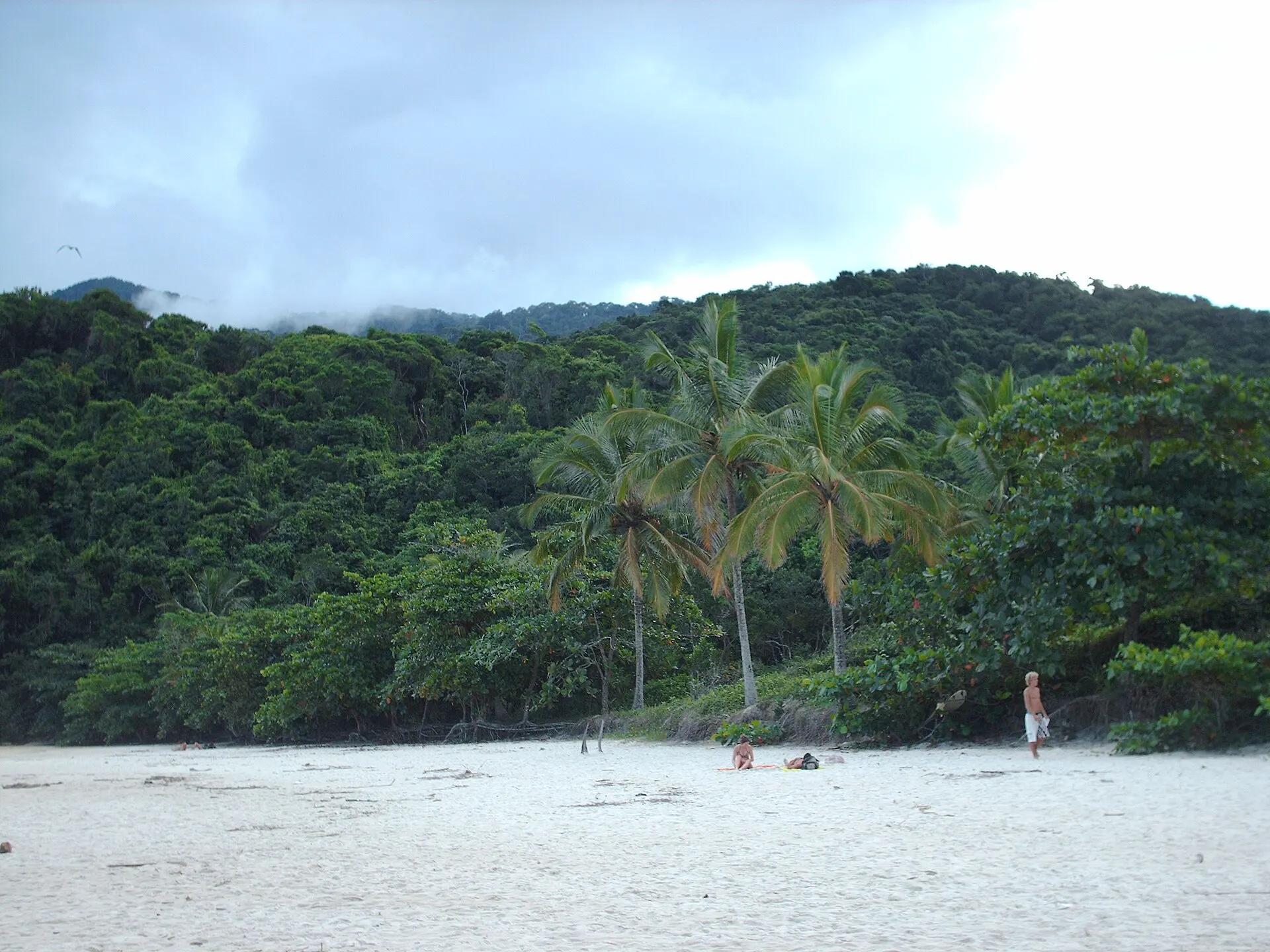
The town has one more trick. Its streets were laid to slope toward the sea, so at the spring tides around the full and new moon the water rises through the old drains and floods the cobbles, washes the town, and drains away again. Around all of it lies the Costa Verde: a bay scattered with islands, hidden beaches, waterfalls in the forest, and the mountains of the Serra da Bocaina rising straight behind.