Duration
15 days / 14 nights
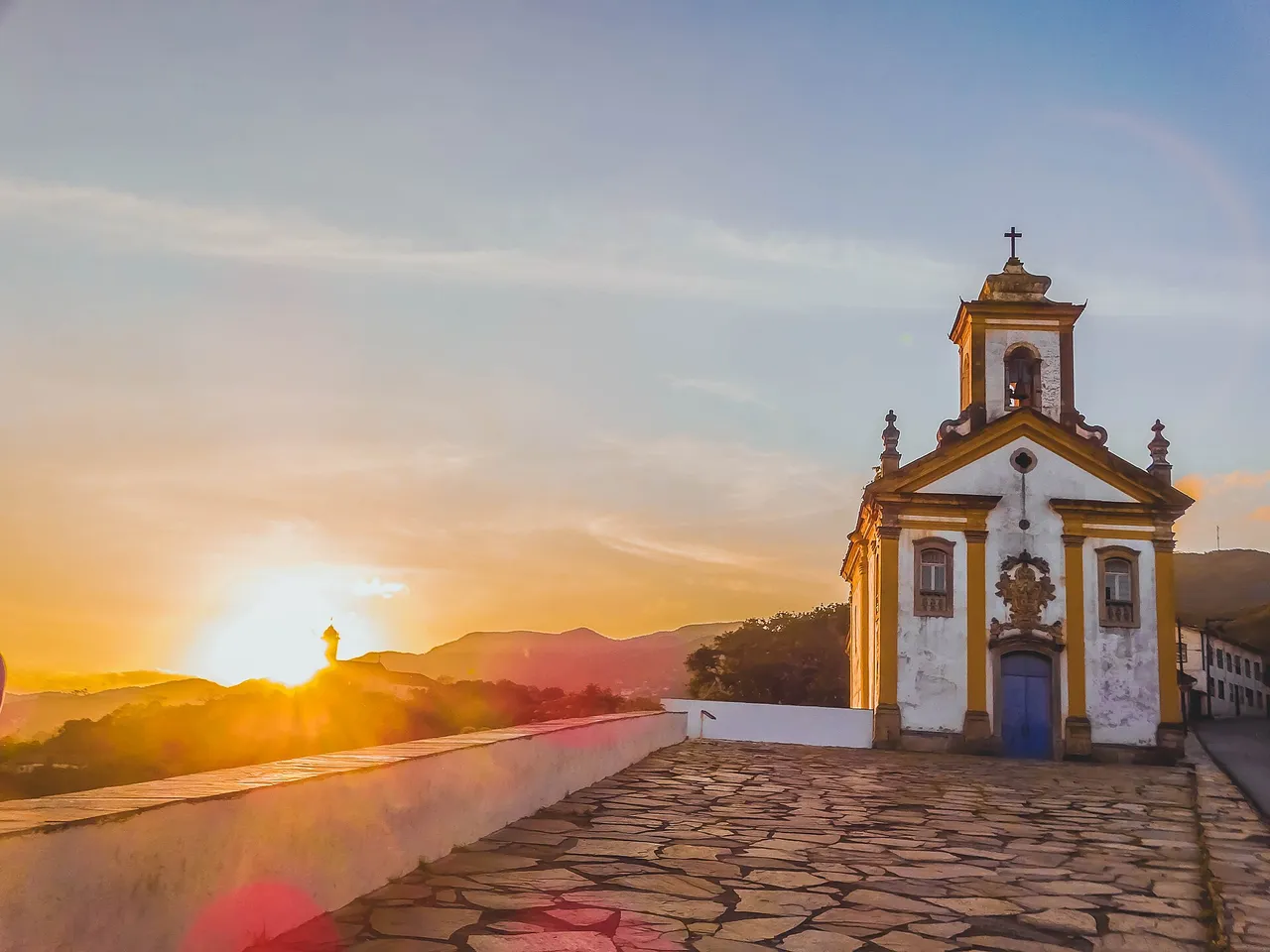
Brazil's gold road, from the port to the mines
Fifteen days along the Estrada Real, the old royal gold road: São Paulo, colonial Paraty, imperial Rio with Petrópolis, the baroque towns of Minas Gerais and Belo Horizonte. Self-drive or privately chauffeured, with a local historian waiting at every stop.
Book a callDuration
15 days / 14 nights
Start / End
São Paulo → Belo Horizonte, driven the whole way
Accommodation
Boutique hotels and colonial pousadas
Highlights
Paraty · Petrópolis · Ouro Preto · Congonhas · Inhotim
In the eighteenth century, so much gold came out of the hills of Minas Gerais that it financed a European empire, and all of it left the country along one road: the Estrada Real, the royal road, which linked the mines to the ports of Rio de Janeiro and Paraty. It is still there. It is still signposted, it is still largely gravel where it matters, and it is now Brazil's largest tourism route.
This journey travels it backwards, from the ports up to the source, which is the direction that makes the story land. You start in São Paulo because that is where your flight arrives, unwind in colonial Paraty where the gold was loaded onto ships, spend four days in Rio, the capital of Brazil for nearly two centuries and the seat of a European court, and then climb into the mountains to Ouro Preto, Congonhas and Belo Horizonte, where the gold came from and where the baroque it paid for still stands.
There are no domestic flights on this route, and that is the point. The whole thing is driven, either by you in a rental car or by a private driver, because the road between these places is the road the gold went down and skipping it in an aeroplane costs you the best part of the story. The only flight is at the very end, a short hop back to São Paulo so your international ticket stays a simple return rather than an expensive open jaw.
You choose how you cover the ground. Take a rental car and drive it yourselves, which suits this route better than any other we plan, with a guide meeting you in each town. Or hand the driving over entirely and travel by private transfer. Both versions cost roughly the same in the end, and the honest answer to which is better is in the FAQ below rather than buried in a proposal.
The Estrada Real, Brazil's royal gold road, travelled from the port to the mines
The original eighteenth century paving of the Caminho do Ouro at Paraty
Imperial Rio: the baroque centre, and Petrópolis where the court spent its summers
Ouro Preto, the first Brazilian site on the UNESCO World Heritage list
Aleijadinho's Twelve Prophets at Congonhas, and a gold mine you enter by cart
Your choice of rental car or private transfers, with a local guide at every stop
The route runs inland and uphill, from the Atlantic ports where the gold was shipped to the mountain towns where it was dug out. Nothing here is a detour: every stop sits on the historic road, and the drive between them is a large part of why the journey works.
This is just one example of how your days could unfold, every itinerary is private and fully tailored, so we gladly reshape it around your pace, interests and travel dates.
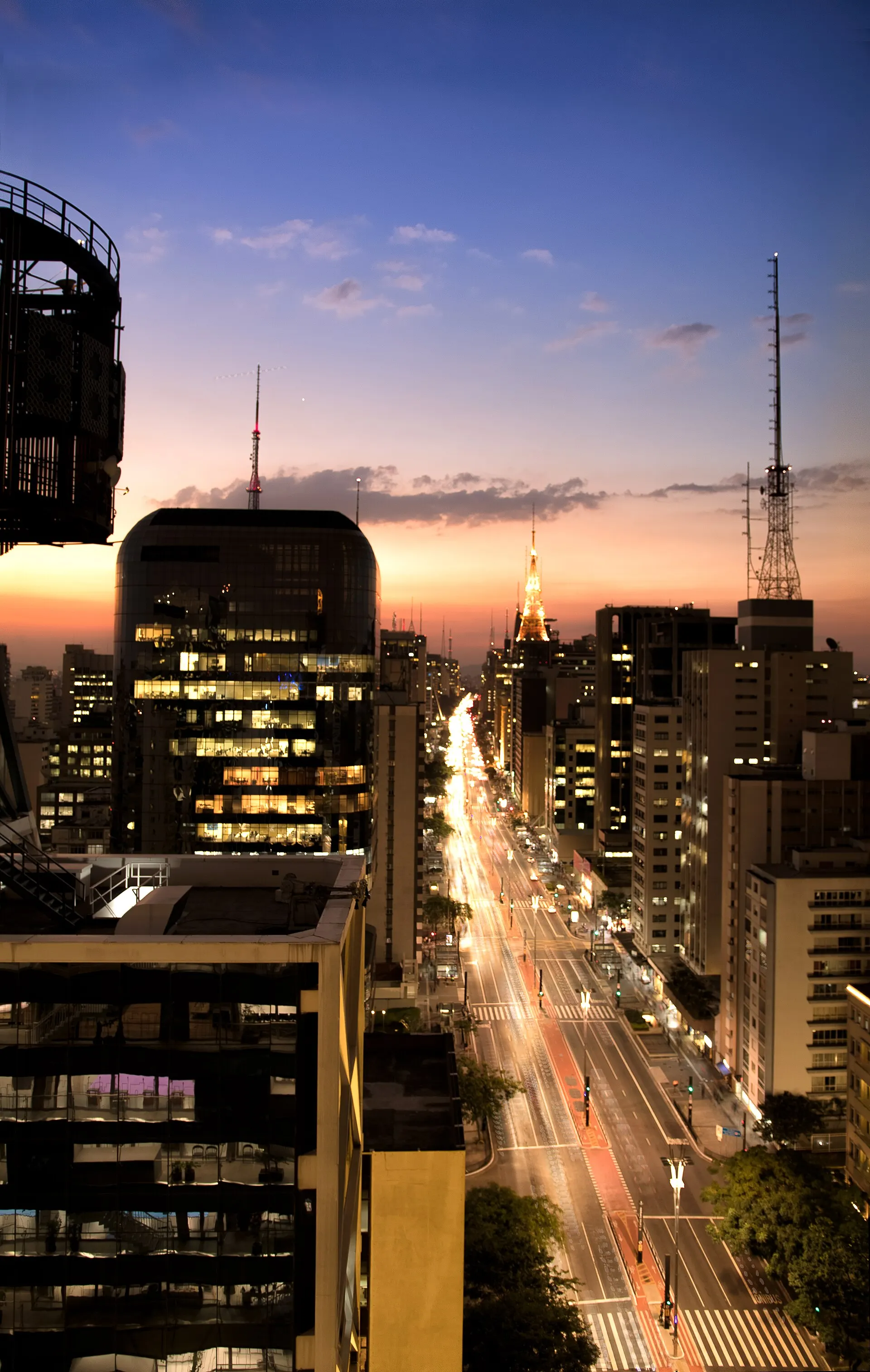
Day 1-2
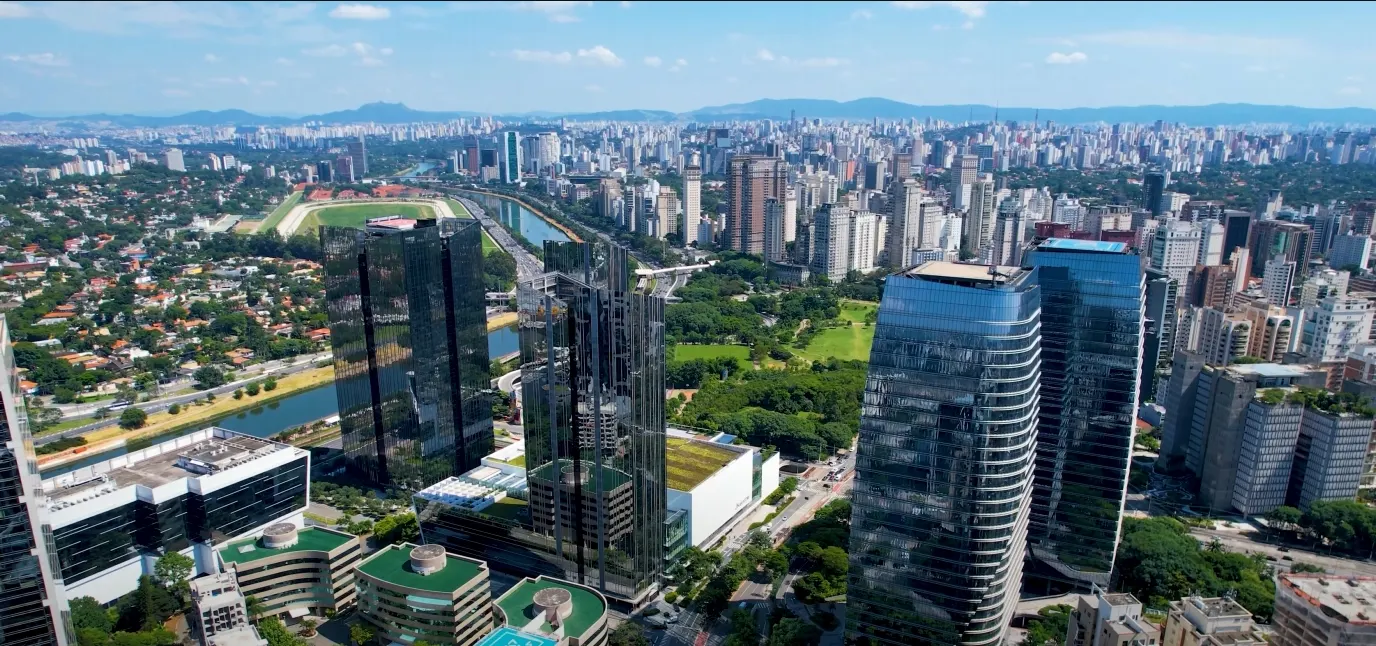
Your long-haul flight lands here, so we use the city rather than escaping it. Two nights is enough to shake off the flight and to eat properly, and São Paulo is arguably the best eating city in South America, which is a useful thing to know before two weeks of country cooking.
Met inside the terminal at Guarulhos and driven into the city. Nothing is planned for the rest of the day beyond a table booked somewhere unassuming and excellent, because the first evening after a night flight is not the moment for a museum.
A private day routed around the traffic rather than through it: Avenida Paulista and the MASP with its famous suspended glass gallery, the historic centre and cathedral, the Mercado Municipal, and the street art of Vila Madalena. If you would rather eat than look, we swap the afternoon for Japanese Liberdade and Italian Bixiga instead.
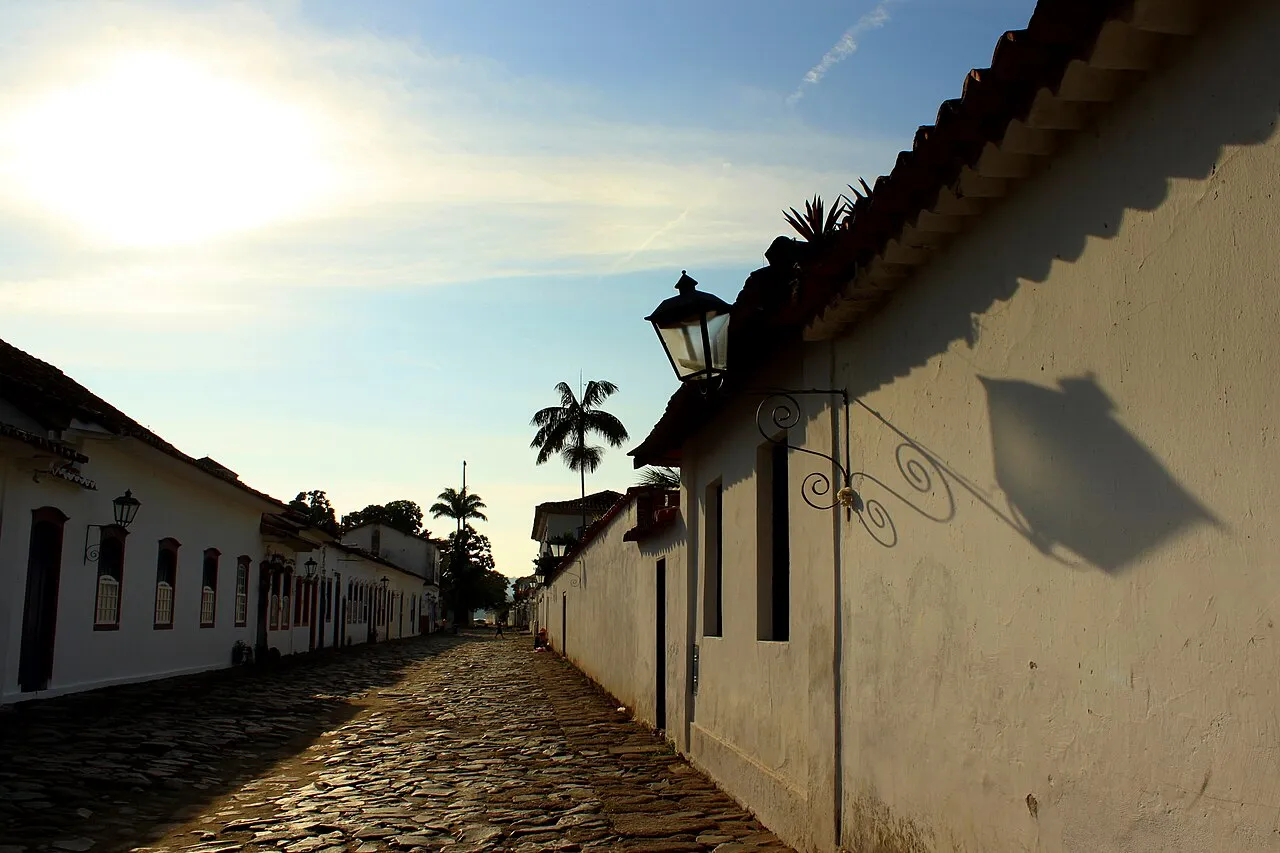
Day 3-5
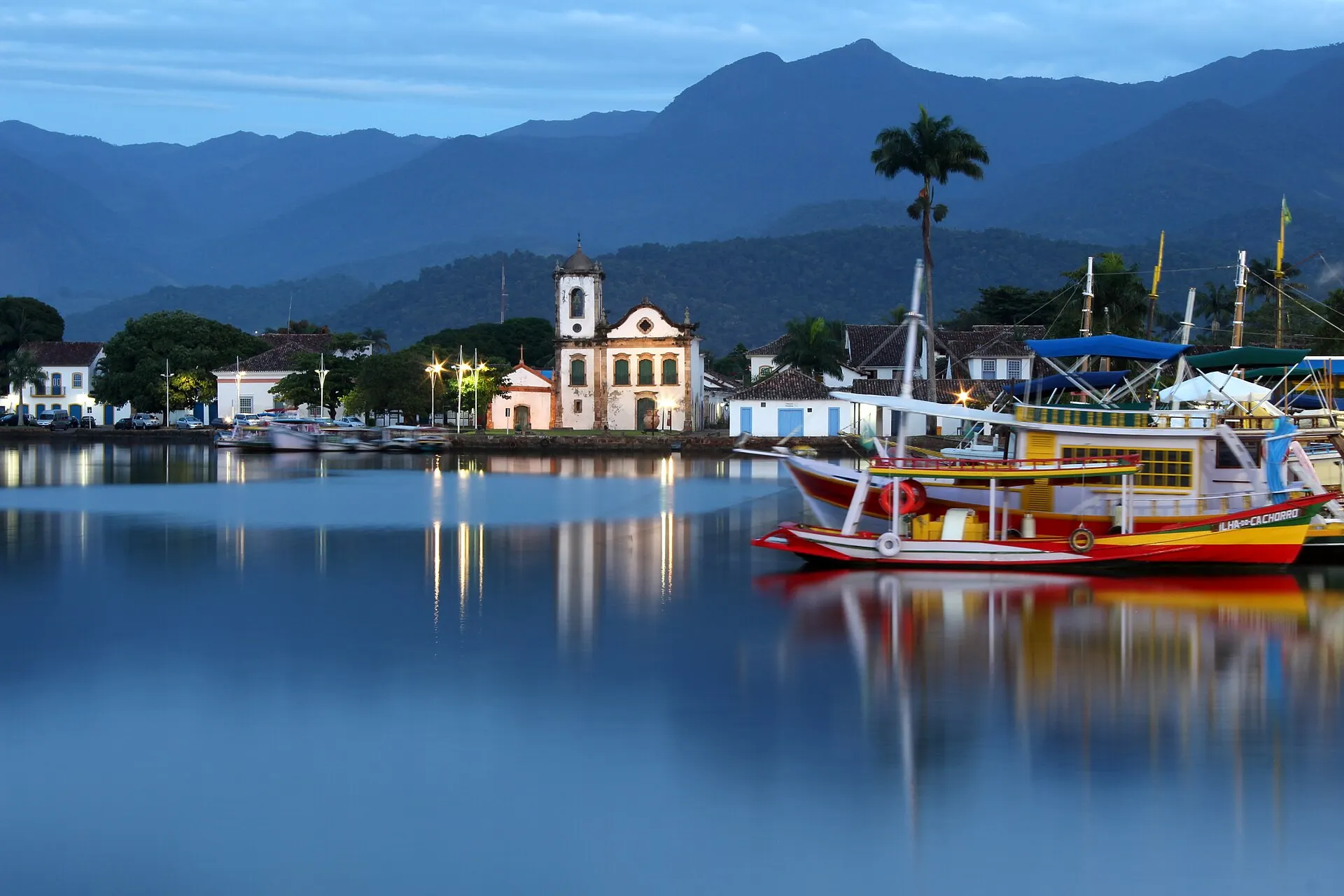
The seaward end of the gold road, and a UNESCO town whose historic centre is closed to cars, which is why the streets are still uneven ballast stones. Gold came down out of the mountains on mule trains and left from this harbour. Three nights, because Paraty is also where you swim.
The coast road from São Paulo runs between the Serra do Mar and the Atlantic and is one of the great drives in Brazil. You arrive in the afternoon and walk the old town at the hour it is best: after the day trippers leave, when the whitewashed fronts go orange and the church bells are the loudest thing in town.
The Caminho do Ouro is the original eighteenth century stone road, and you walk on the actual paving the mule trains used, through Atlantic rainforest, past waterfalls and natural pools. Two hundred years of gold went over these stones on its way to Lisbon. It is the single best hour on this entire journey for understanding what the Estrada Real actually was.
Your own boat among the islands of the Costa Verde rather than a fixed schooner schedule: emerald water, quiet coves, swim stops when you want them. This is also the day Ilha Grande would slot in if you decide to add it, and several guests do once they see the water.
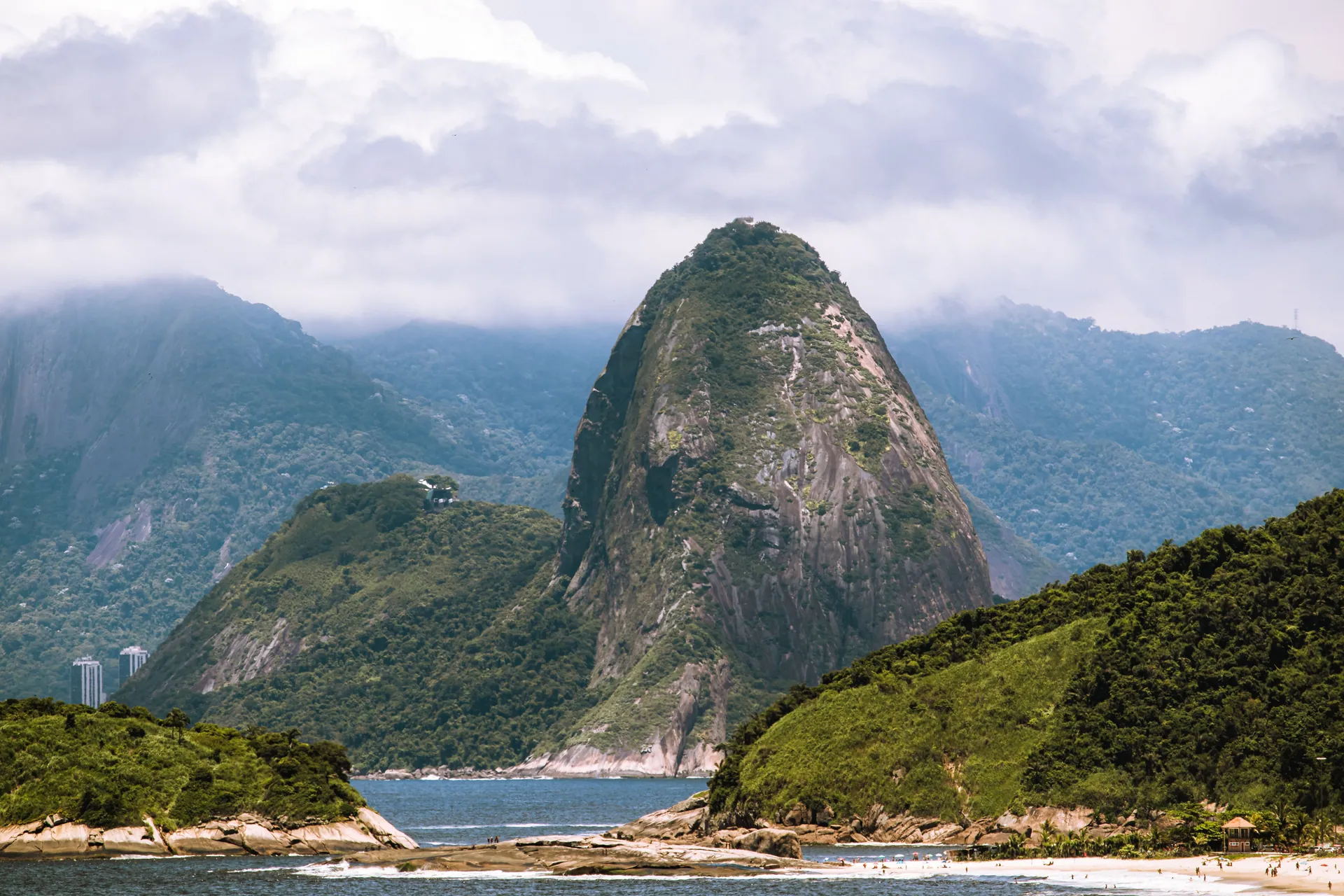
Day 6-9
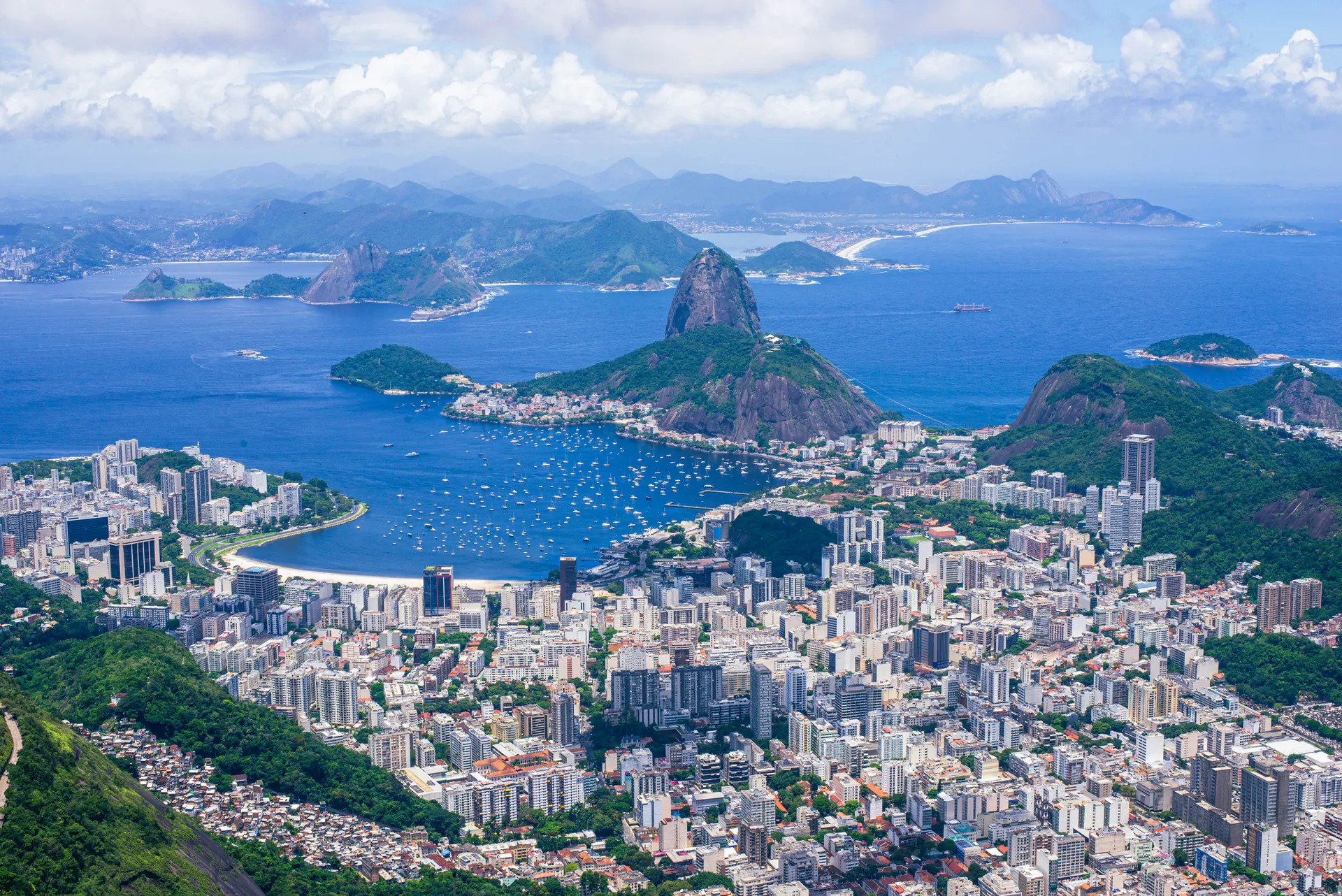
Not the beach chapter. Rio was the capital of Brazil from 1763 until 1960 and, uniquely in the Americas, the seat of a European monarchy: when Napoleon marched on Lisbon the Portuguese court sailed here, and for thirteen years an empire was ruled from this bay. That is why the old centre has the churches, the palaces and the libraries it has, and four nights is what it takes to see them and still climb the mountains.
The Costa Verde road again, arriving in the afternoon. An easy first evening in Santa Teresa, the hill village of ateliers and colonial houses above the city, reached by the little yellow tram and best seen when the bars start filling.
Colonial and imperial Rio on foot with a historian: the baroque churches of the old centre, the mosaic Selarón steps, and the reading rooms and palaces left behind by a court that never expected to stay. Most visitors see Rio's centre only through a car window on the way to the beach, which is the single biggest thing they miss.
Up into the mountains behind Rio to the town Dom Pedro II founded as his summer residence, laid out with German settlers in the 1840s and cool enough that the court fled the coastal heat for it every year. His summer palace is now the Imperial Museum, where the crown of the Empire of Brazil sits in a glass case and you shuffle through the parquet rooms in felt overshoes. A gothic cathedral holds the family tombs.
The two you came for, timed properly: the cog railway up through the Tijuca forest to Christ the Redeemer early, before the coaches, and the two glass cable cars up Sugarloaf in the late afternoon as the bay turns gold. Tijuca itself is worth the aside: the largest urban rainforest on earth, and a planted one, replanted by hand from the 1860s after the coffee estates stripped these hills bare.
Day 10-12
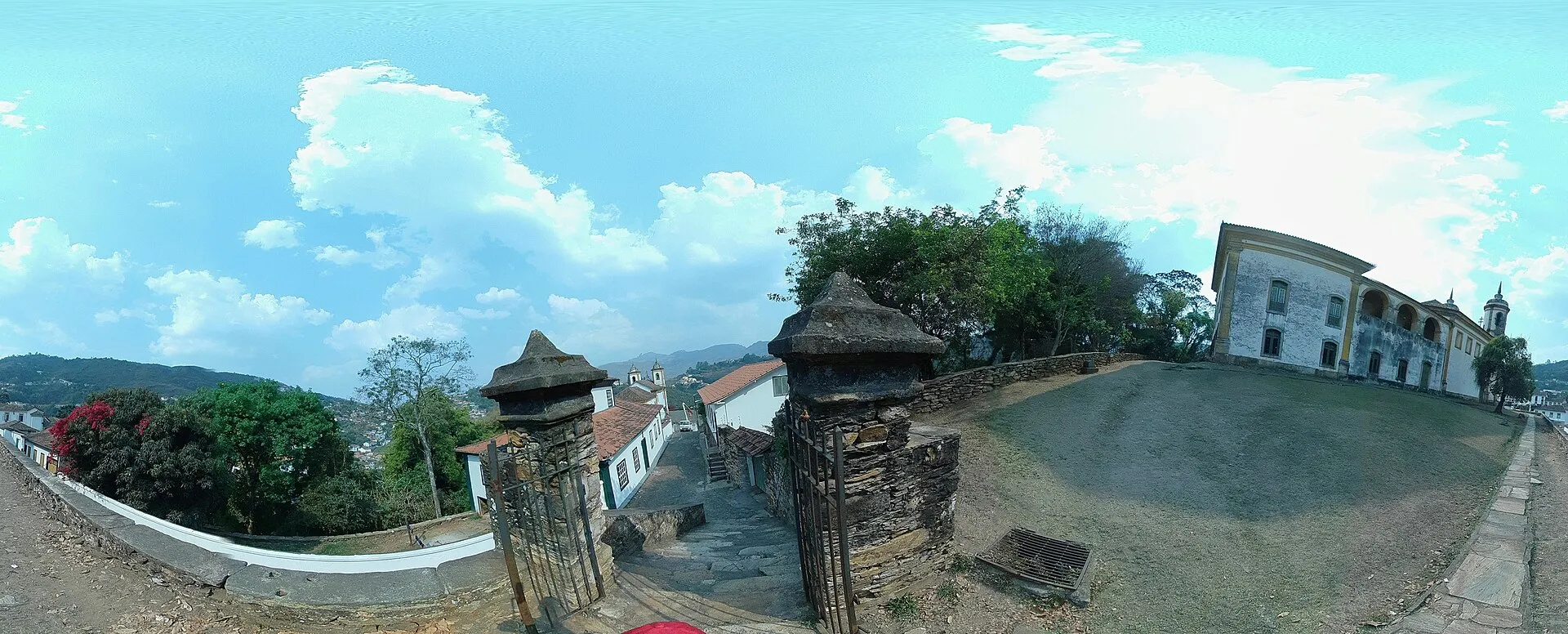
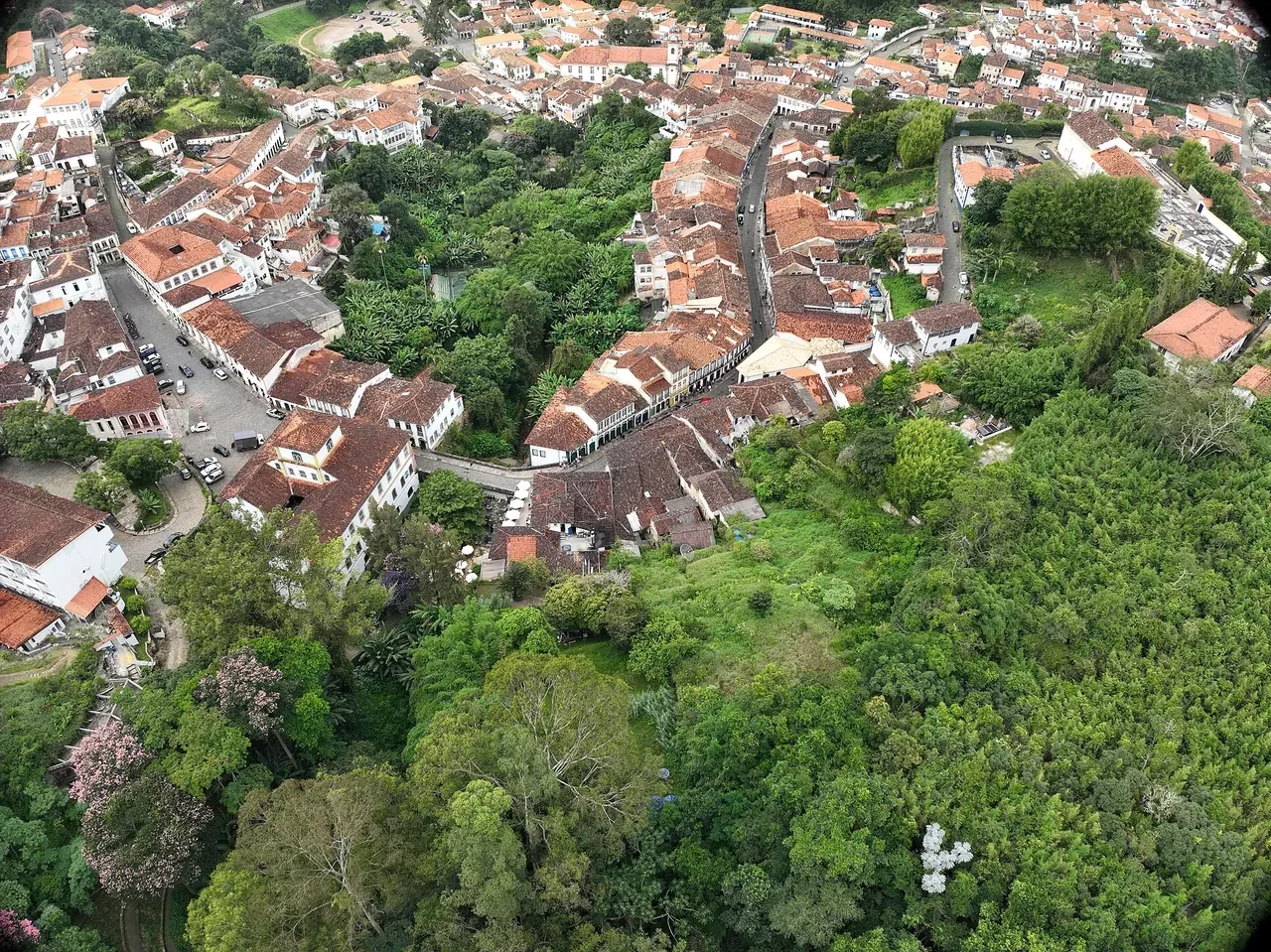
The source. Ouro Preto was the first place in Brazil named a UNESCO World Heritage Site, and it is not a preserved museum town: it is a student town of thirteen baroque churches on hills so steep the streets are stepped, below the Itacolomi peak that the mule trains used as a landmark. It is also one of the safest towns in Minas Gerais, which changes how you spend an evening.
The longest driving day of the trip, and the most historic: this is the corridor the gold came down, out of the coastal range and up onto the highland plateau. Congonhas sits on it, which is why we break the day there. On the terrace of the Sanctuary of Bom Jesus de Matosinhos, finished in 1757, stand twelve life-size prophets carved in soapstone by Aleijadinho, each caught mid-gesture, mid-sentence. UNESCO listed them in 1985. Twenty minutes here beats an hour almost anywhere else in Brazil, and you reach Ouro Preto in the early evening.
The old gold capital with a guide who knows which church to enter and when the light is in it: the gilded interior of São Francisco de Assis, the sacred art and mineralogy museums, the soapstone and gemstone workshops. The 1789 independence conspiracy started here and its leader is on the flag of Minas Gerais to this day. The opera house is the oldest still working in Latin America.
A short hop to Mariana, the oldest town in Minas and its first capital, where a serene main square is lined with baroque churches and one of them holds a rare German pipe organ still played in concert. Then down into the Mina da Passagem by mine cart, into the workings under the hills that paid for all of it. In the evening, comida mineira: the raw milk cheese whose method is recognised as Brazilian cultural heritage, slow pork and beans, and the country's best coffee and cachaça.
Day 13-15
The modern counterweight, and a deliberate way to end. Belo Horizonte is a planned city, founded in 1897 and now the sixth largest in Brazil, sitting in one of the world's great iron ore deposits: drive out towards Ouro Preto and the open pits and the enormous diggers are right there beside the road. After three centuries of baroque, it is a useful jolt.
On the way in, the Pampulha lake, where Oscar Niemeyer built his first great work in 1943, a church of concrete curves the archbishop refused to consecrate for sixteen years because he found it too modern. UNESCO listed the ensemble in 2016. Then the museums around the Praça da Liberdade and the Mercado Central, which is the fastest education in Minas there is: cheese, cachaça, coffee, herbs and a counter to eat at.
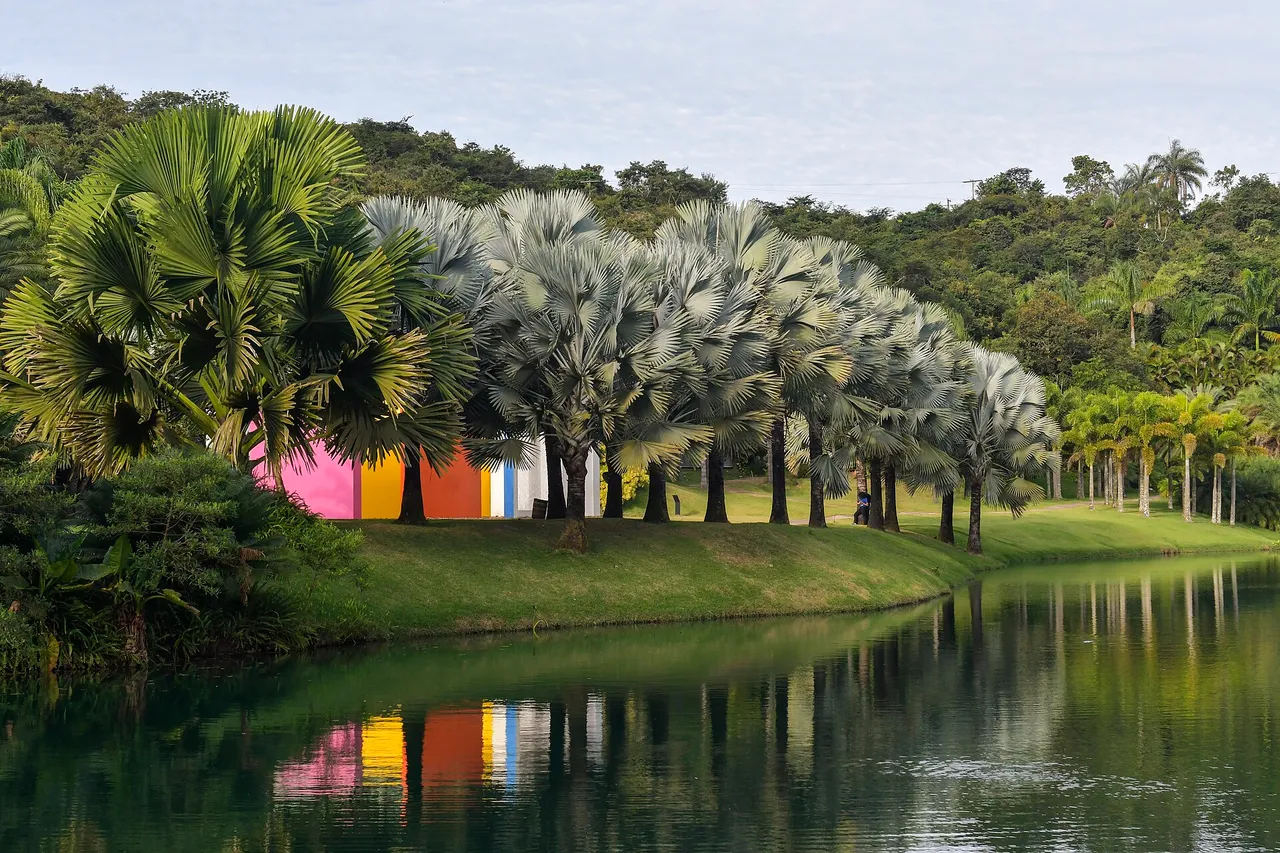
Sixty kilometres from Belo Horizonte, one of the most important contemporary art collections in the world sits inside a botanical garden of around 250 hectares with some 5,000 plant species and one of the finest palm collections anywhere. Monumental installations stand in pavilions built for one work each. Bring swimwear: there are pools, shaded loungers and lakes, and the correct way to do Inhotim is slowly, with a picnic, not in three hours.
A slow morning, and if it is a Sunday the Feira Hippie on Avenida Afonso Pena, the largest street market in Latin America, with roughly 2,300 stalls of crafts, furniture and food. Then the rental car goes back and we put you on the short flight from Confins to São Paulo, timed against your international departure. Confins is about 40 kilometres out of the city, which is exactly the kind of thing that ruins a last day if nobody has thought about it.
Tell us your dates and whether you would rather drive or be driven, and we will send a personal, non-binding version of this route within 24 hours.
Plan My TripEither a rental car booked and insured by us, with routes, stops and parking briefed in advance, or private transfers with a driver for every leg. Say which you prefer and the rest of the trip does not change.
A historian in Paraty, a carioca in Rio, a guide in Ouro Preto who knows all thirteen churches. English or German speaking, and they meet you where you are staying.
Boutique hotels in the cities and colonial pousadas in the old towns, all of them seen by us. In Paraty and Ouro Preto that often means a house older than most of Europe's hotels.
The Gold Trail, the private boat day, the imperial museum at Petrópolis, Corcovado and Sugarloaf, Congonhas, the Ouro Preto churches and museums, the mine at Mariana and a full day at Inhotim.
Belo Horizonte to São Paulo at the end, booked and timed against your international flight. It is the only flight on the whole route, and it exists purely so your long-haul ticket stays a straightforward return.
Reachable on WhatsApp throughout, which matters more on a self-drive than on any other trip we plan. If a road is closed or a museum shuts unexpectedly, you message us and we re-plan the day.
Honestly, it depends on one thing: whether driving is a pleasure to you or a task. This is the one route we plan where the driving is genuinely part of the experience, the Costa Verde coast road between São Paulo, Paraty and Rio is one of the great drives in Brazil, and the mountain roads in Minas are quiet. Take the car if you like being able to stop at a viewpoint nobody planned for you. Take the transfers if you would rather look out of the window, if you are not confident on unfamiliar roads at night, or if you intend to taste cachaça in Minas, which is not a small consideration. You can also mix the two: many guests drive the coast and hand the keys back for the Minas section.
The roads on this route are good and the traffic outside São Paulo is light. Two honest points. First, we plan every leg to arrive in daylight, because driving unfamiliar rural roads after dark is the one thing we would ask you not to do, less for crime than for unlit trucks, potholes and livestock. Second, the historic Estrada Real itself is largely gravel and signposted for independent travellers, so if you want to drive an original section we will tell you which one and in what vehicle. You are briefed on all of it before you land, and we are on WhatsApp the whole way.
Ouro Preto is steep, and we would rather say so than have you find out. The town is built on hills, the streets are cobbled and some are stepped, and comfortable shoes matter more here than anywhere else on the route. It is entirely manageable at a slow pace with breaks, and your guide plans the day so you go down more than you go up. Paraty is flat but its historic centre is paved in uneven ballast stones, which is why it has no cars. If stairs and uneven ground are a problem, say so early: we adjust which churches and which viewpoints, and there is a driver-assisted version of the Ouro Preto day.
Money, and it is usually a lot of it. An international ticket that flies you into one city and home from another, what airlines call an open jaw, is priced very differently from a plain return, and on a long-haul route it regularly costs several hundred euros or dollars more per person. A domestic hop from Belo Horizonte back to São Paulo costs a fraction of that difference, takes about an hour and lets you buy the cheapest and most flexible version of the flight that actually matters. So we build the route to end with that hop rather than pretending the open jaw is free. If your long-haul ticket happens to be a good open-jaw fare, tell us and we will simply drop the hop.
It is the one long day on the route, and we would rather flag it than have you discover it at four in the afternoon. You leave Rio after breakfast, climb out of the coastal range onto the highland plateau, break at Congonhas for the prophets and arrive in Ouro Preto in the early evening. Done that way it is a good day, and it is the historic corridor itself, which is the reason we no longer fly this leg. If you would rather split it, there is a natural halfway stop in the colonial town of Tiradentes. We normally advise against Tiradentes, and our Minas Gerais guide says so plainly, because on a fly-in trip it sits well south of the Ouro Preto cluster and means a long haul back to the airport. Coming overland from Rio that objection disappears completely: it is on the way. Two extra nights, and we will price it if you want it.
Because it belongs to a different trip, and adding it here quietly costs you two days. Ilha Grande is car-free and reached by speedboat, so you would park the car on the mainland, cross, and cross back, and the island rewards two or three unhurried nights rather than one. It is a wonderful addition if you have the time, and it slots in perfectly between Paraty and Rio. Say the word and we will price the eighteen day version, but we would not put it in the default and pretend it costs nothing.
It would be, if it were fifteen days of churches. It is not. There is a boat day among the islands at Paraty, a rainforest hike on the old stone road, two mountain days in Rio, a mine you ride into on a cart, and a full day at Inhotim which is an art collection inside a botanical garden with swimming pools in it. The rhythm alternates on purpose: a town day is always followed by a day outdoors. And the food in Minas Gerais does a lot of the work, which is not a joke, it is why many guests say the state was their favourite part.
Yes, and if you have the days it is the extension we recommend most. Two directions. North on the Estrada Real to Serro and Diamantina, a UNESCO gold and diamond town from 1722, past mountain villages, waterfalls and the Serra do Cipó national park, which a Brazilian landscape architect once called the garden of Brazil for its orchids and bromeliads. Or the Caraça sanctuary, an old monastery turned simple guesthouse high in the Espinhaço range, where every evening the priest puts out meat on the church steps and wild maned wolves come for it. Dom Pedro II said the visit to Caraça alone was worth the journey to Minas, and he had seen a lot of Brazil.
Fifteen days at our published planning range of US$200 to US$400 per person per day comes to roughly US$3,000 to US$6,000 per person for the time on the ground, before international and domestic flights. Two segments have published starting prices: four days in Rio from US$800 and four days in Minas Gerais from US$1,100 per person, privately guided with accommodation and transfers. Those are the prices for booking a region on its own, so they do not simply add up to the route: a continuous trip is planned and costed as one. Self-drive against a private chauffeur, and how many days a local historian walks with you, move the total more than the hotels do. We publish no package price; the written proposal states the full amount before anything is confirmed.
It is right for travellers who read the plaque beside the painting: baroque churches, Aleijadinho, the old gold road and the imperial city, with a local historian waiting at every stop. Self-drivers fit it as well as guests who want a chauffeur. It is not right for anyone whose picture of Brazil is beaches and wildlife, because these days are spent in colonial towns and museums, and not for very young children, who run out of cathedral considerably earlier than their parents do.
Individually bookable, fixed-departure experiences in the regions this journey passes through.
 Experience
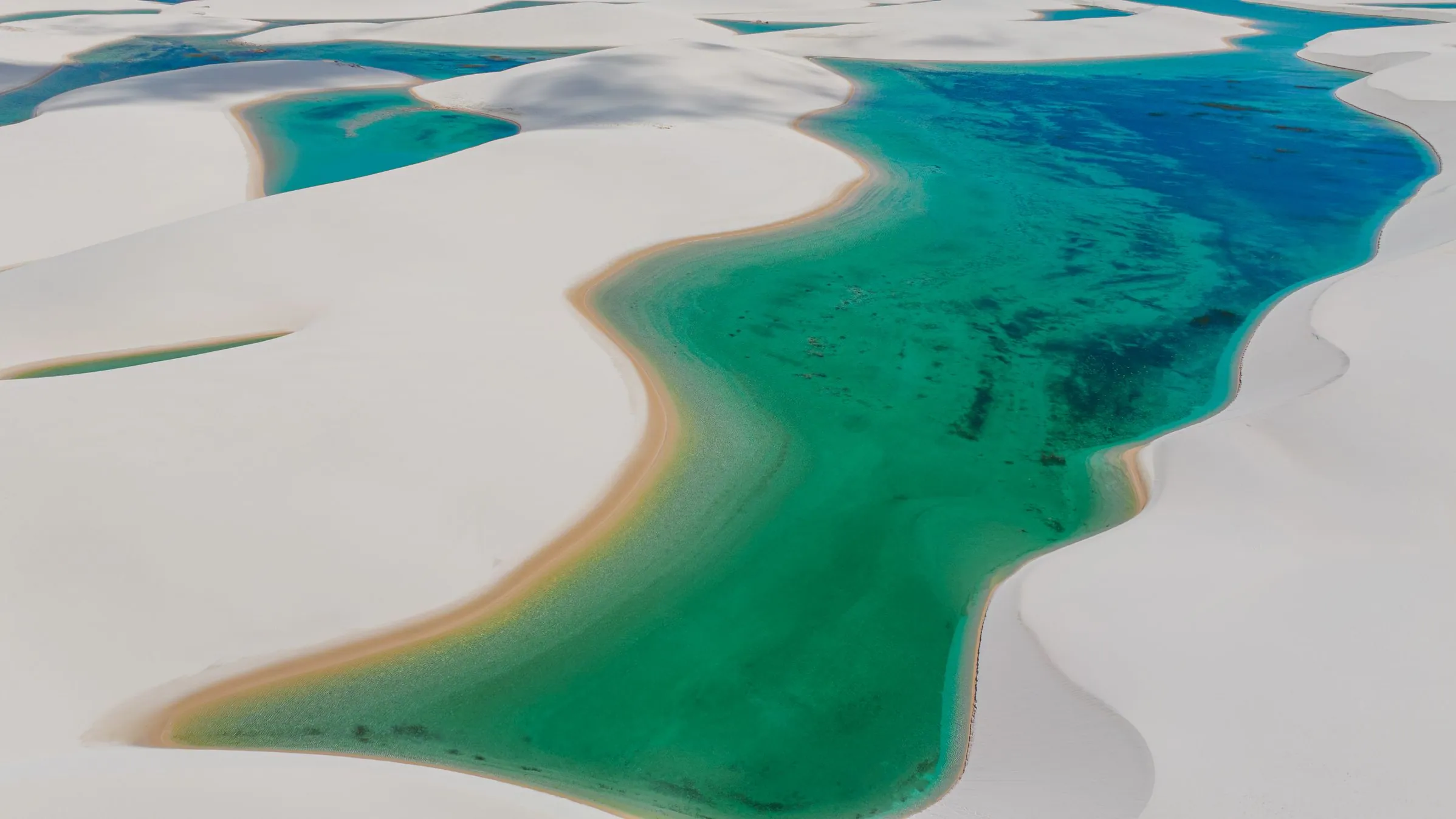
 The Route of Emotions, São Luís to Jericoacoara
View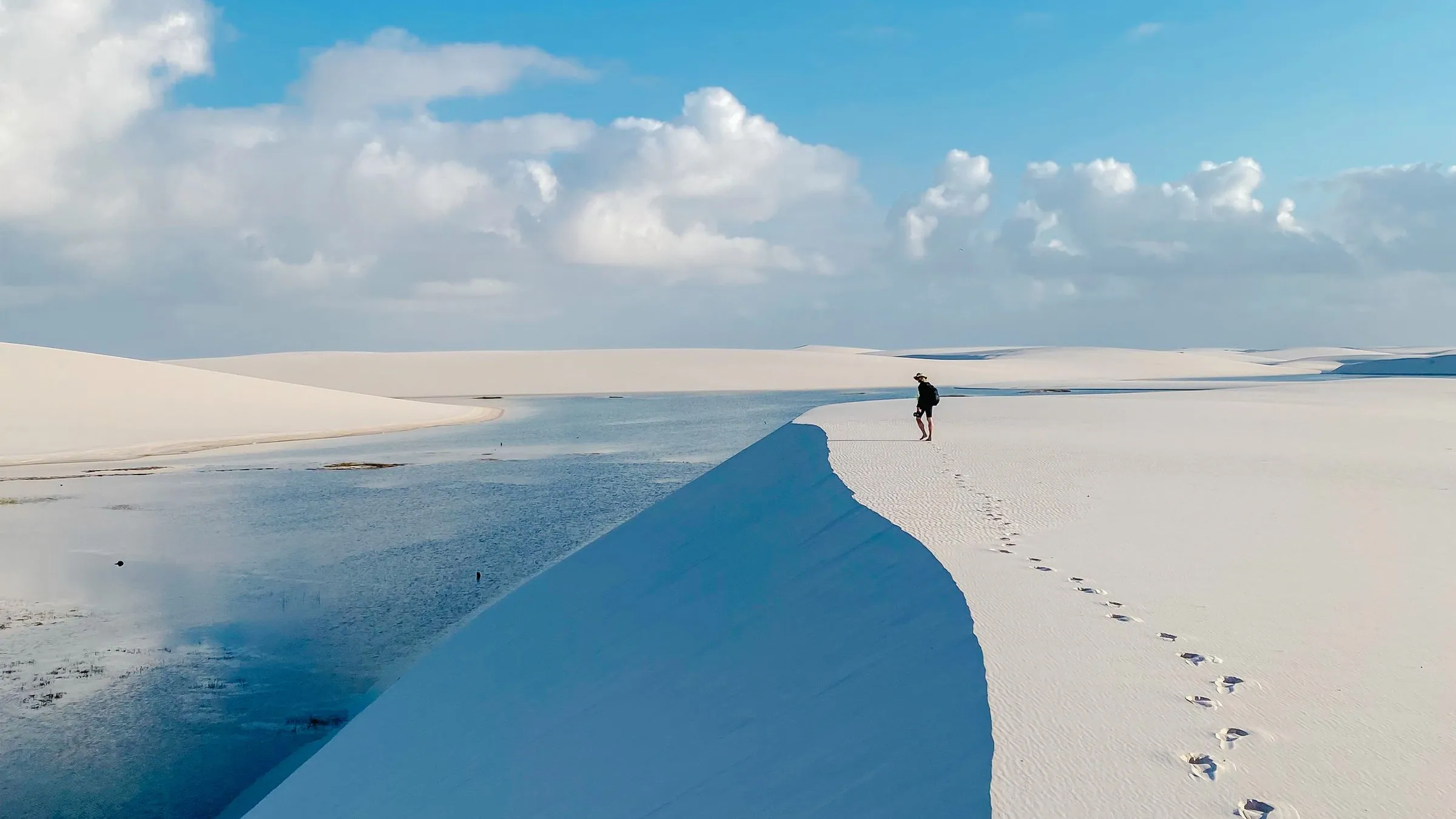 Experience
 Three days on foot across Brazil's white-sand sea
View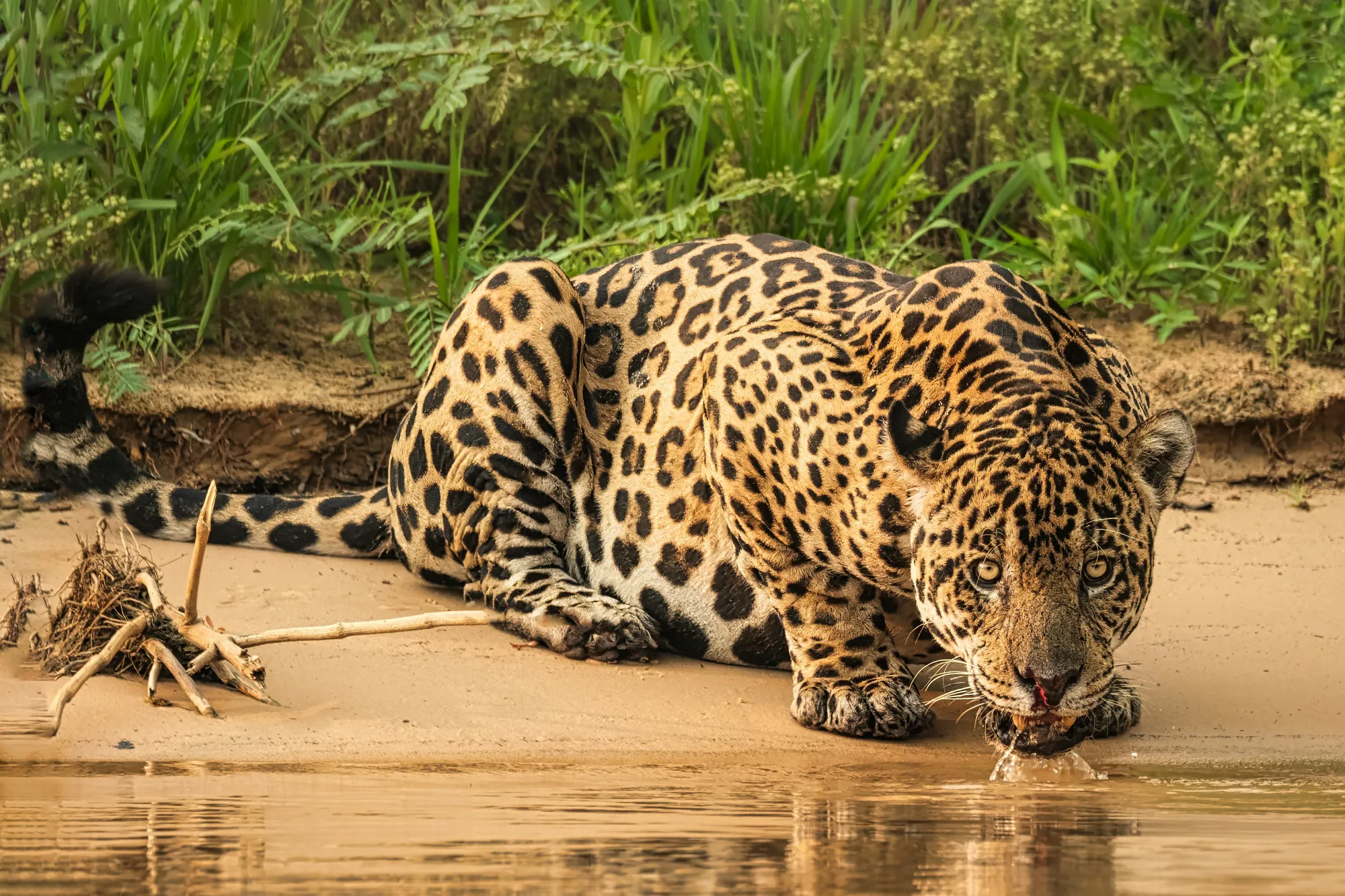 Experience
 An expedition cruise through the land of the jaguar
View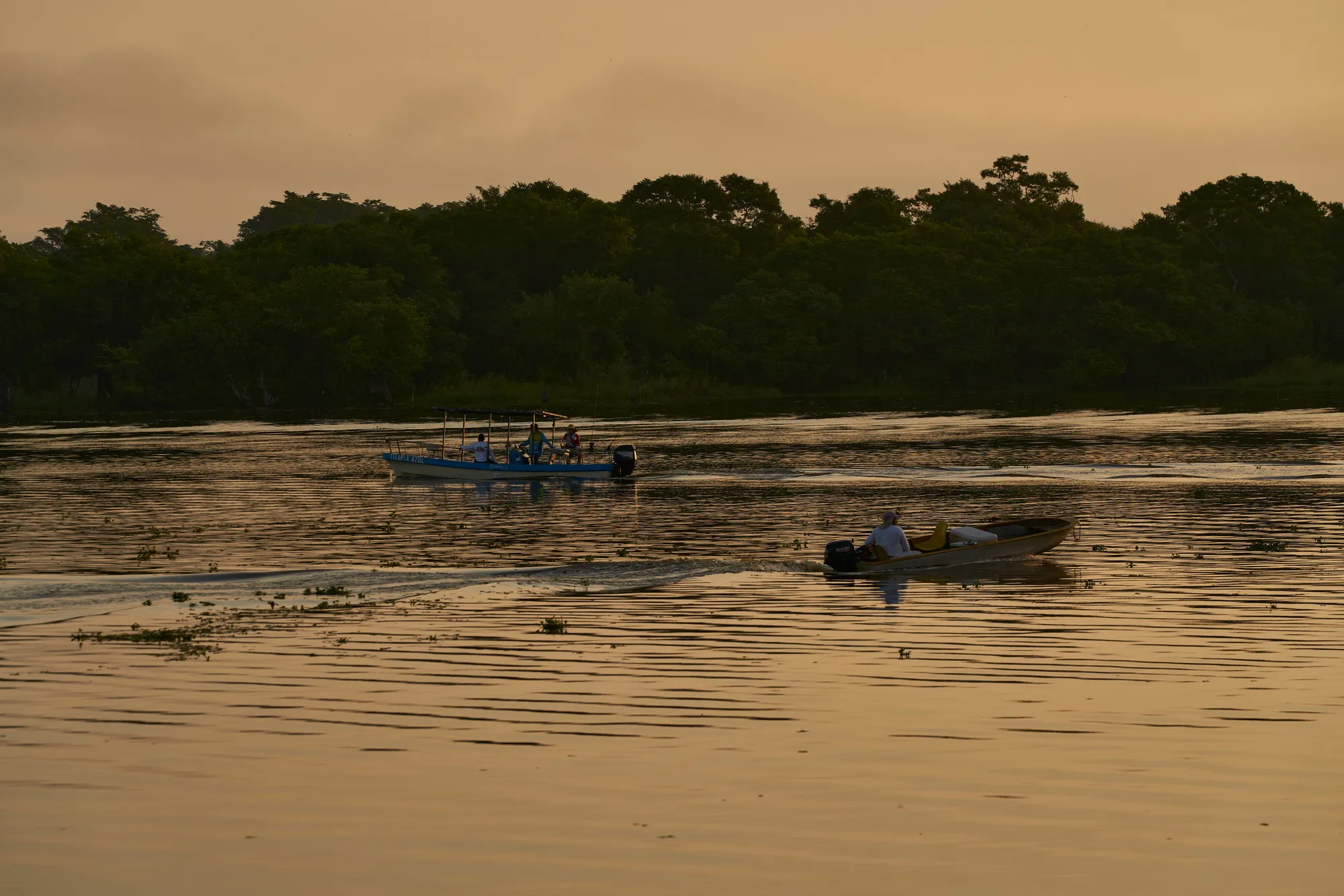 Experience
 Jaguars and cowboys along the Rio Paraguai
View My wife and I have always been thrilled by Brazil, but we had never dared to organise the trip ourselves. Authentic Brazil Travel planned the whole journey for us, including some destinations we did not know. The trip was superbly organised, the guides were great, the accommodations lovely and the transfers punctual. Thanks to the wonderful guides and their tips we felt safe the entire time and got to discover a lot of new things. Gladly again!
A little Brazilian sunshine
A few ideas are all we need to start planning something personal.
We'll be in touch within 24 hours to start planning. Want to talk sooner? Message us on WhatsApp.
Chat on WhatsApp