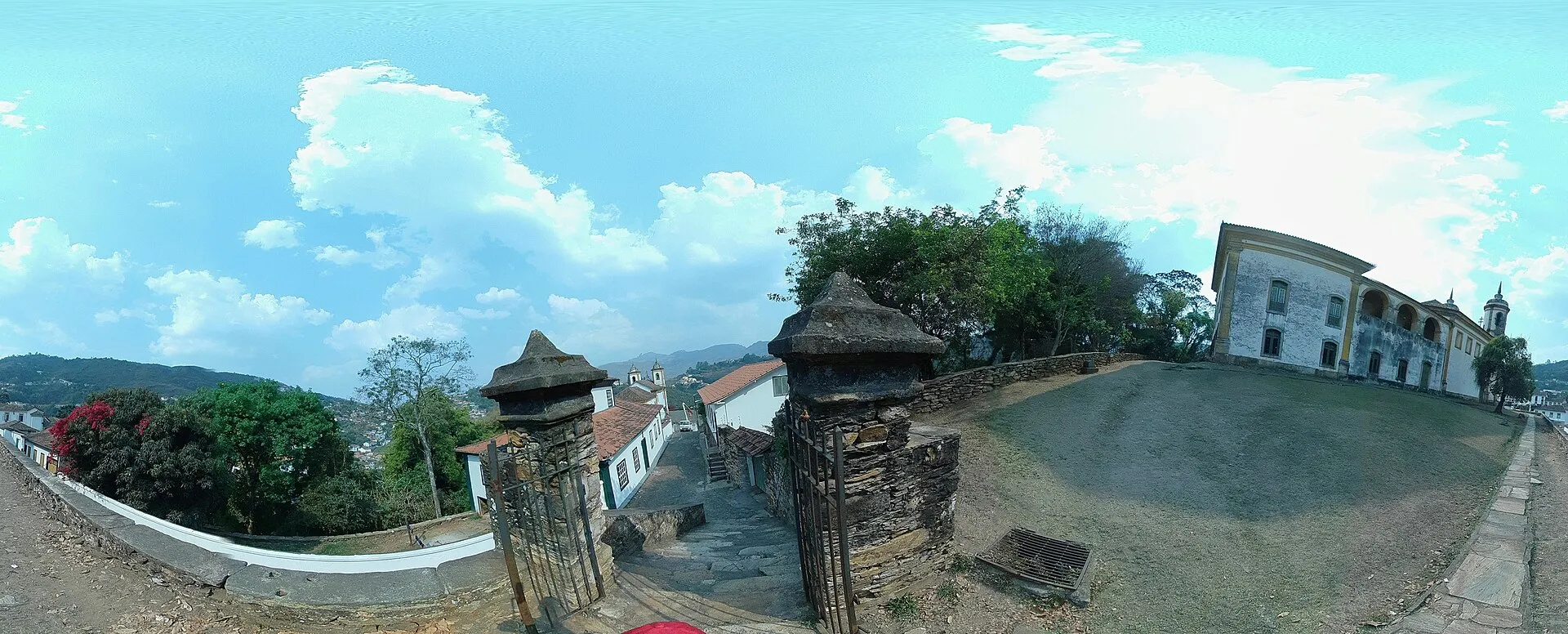
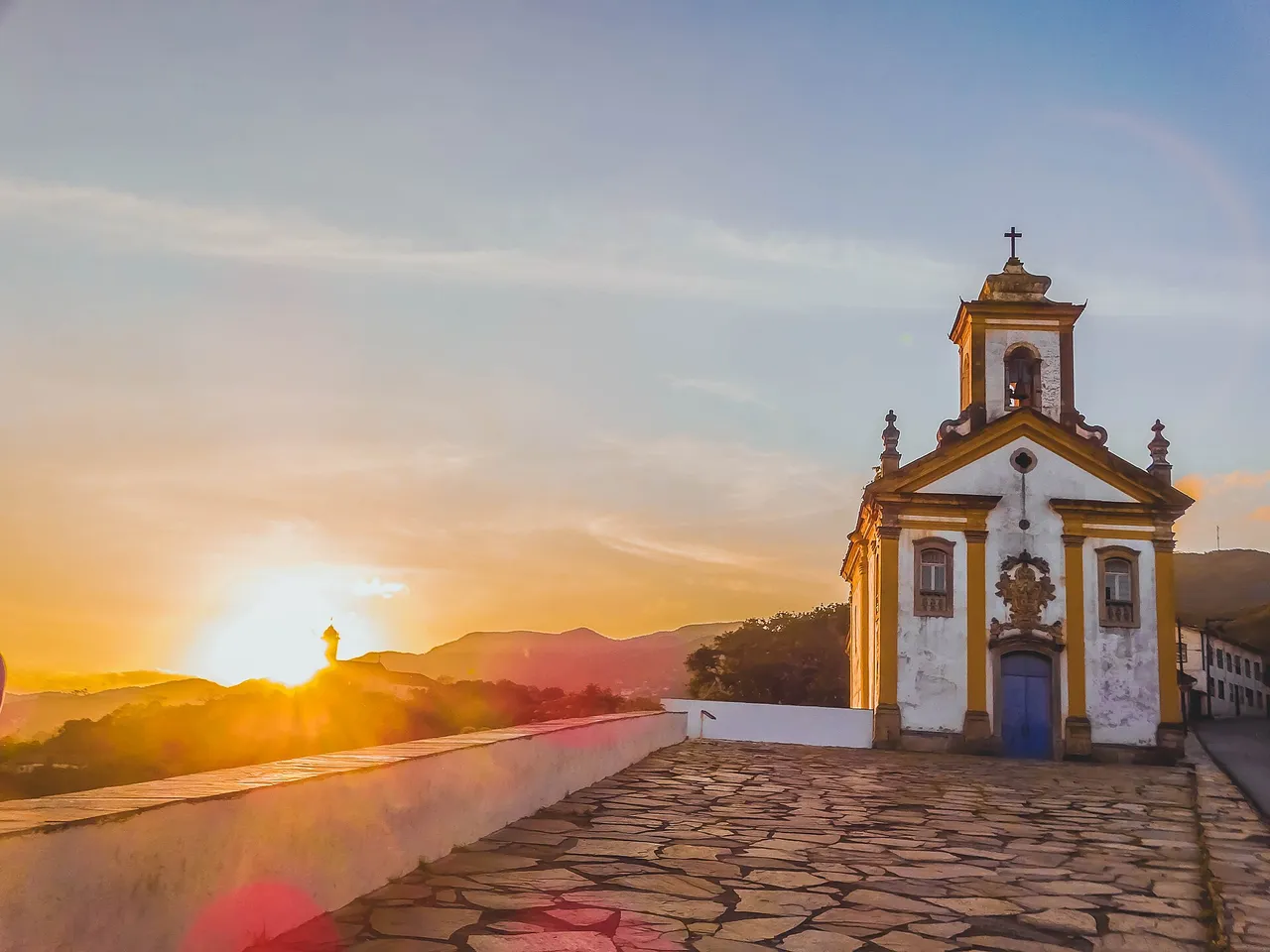
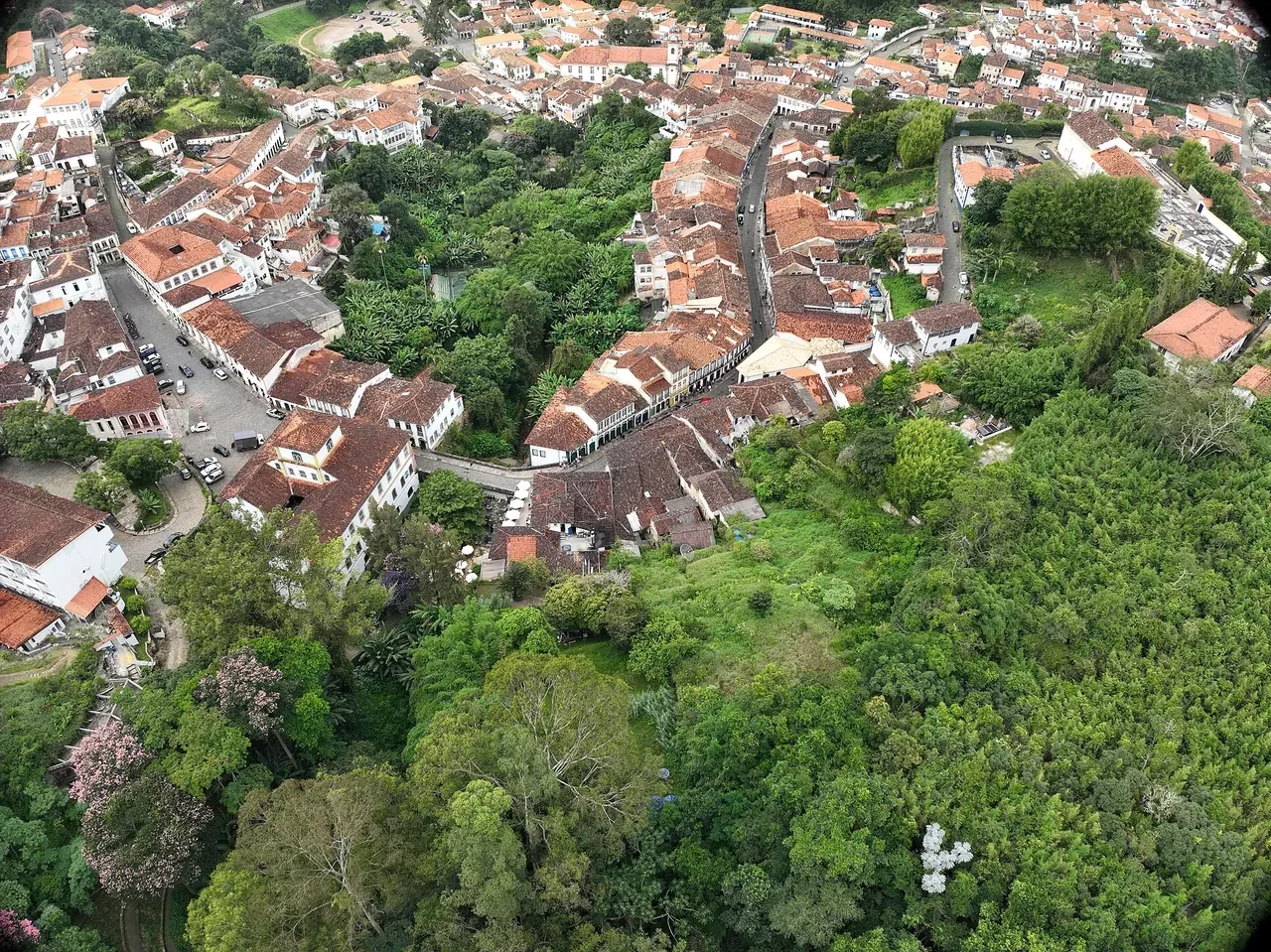
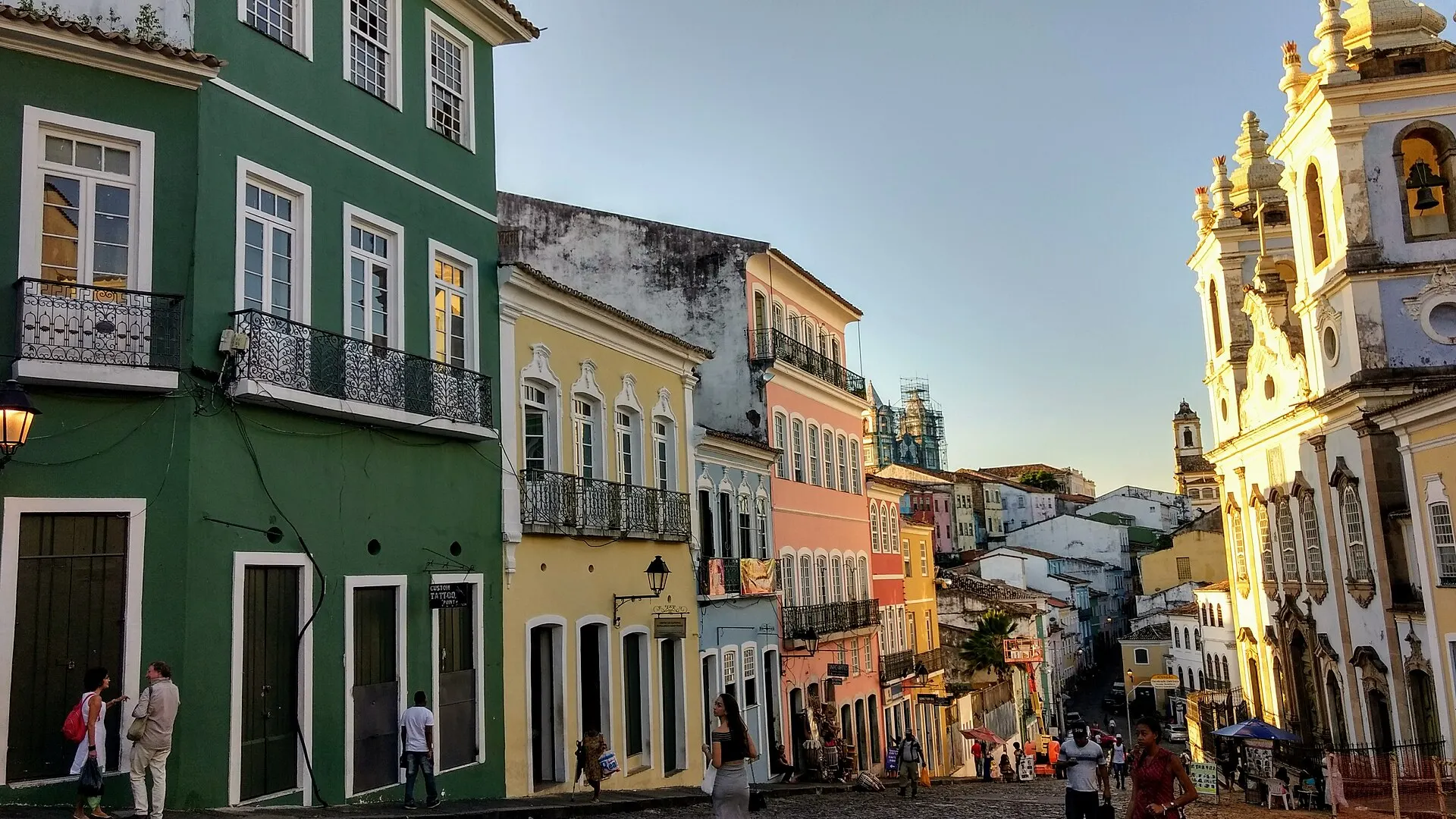
Long before Rio, the story of modern Brazil was written here, in the cool highlands of Minas Gerais. The gold and gemstones found in these hills in the late seventeenth century set off a rush that built Portugal into a world power and left behind the most beautiful colonial towns in the country. Ouro Preto, the first place in Brazil to be named a UNESCO World Heritage Site, is the jewel: painted houses and thirteen baroque churches spilling down steep cobbled streets, still lived-in, still a lively university town rather than a museum.
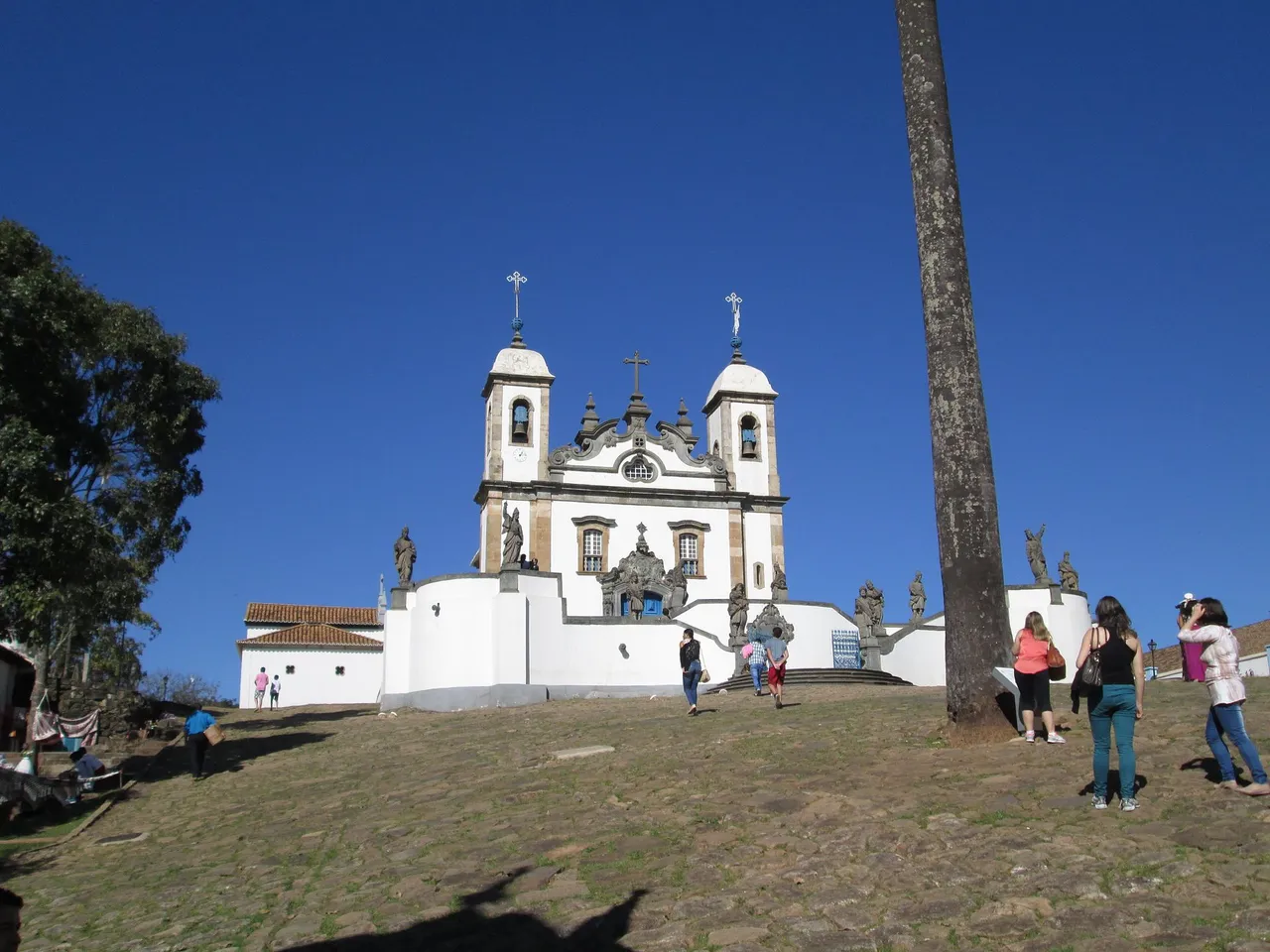
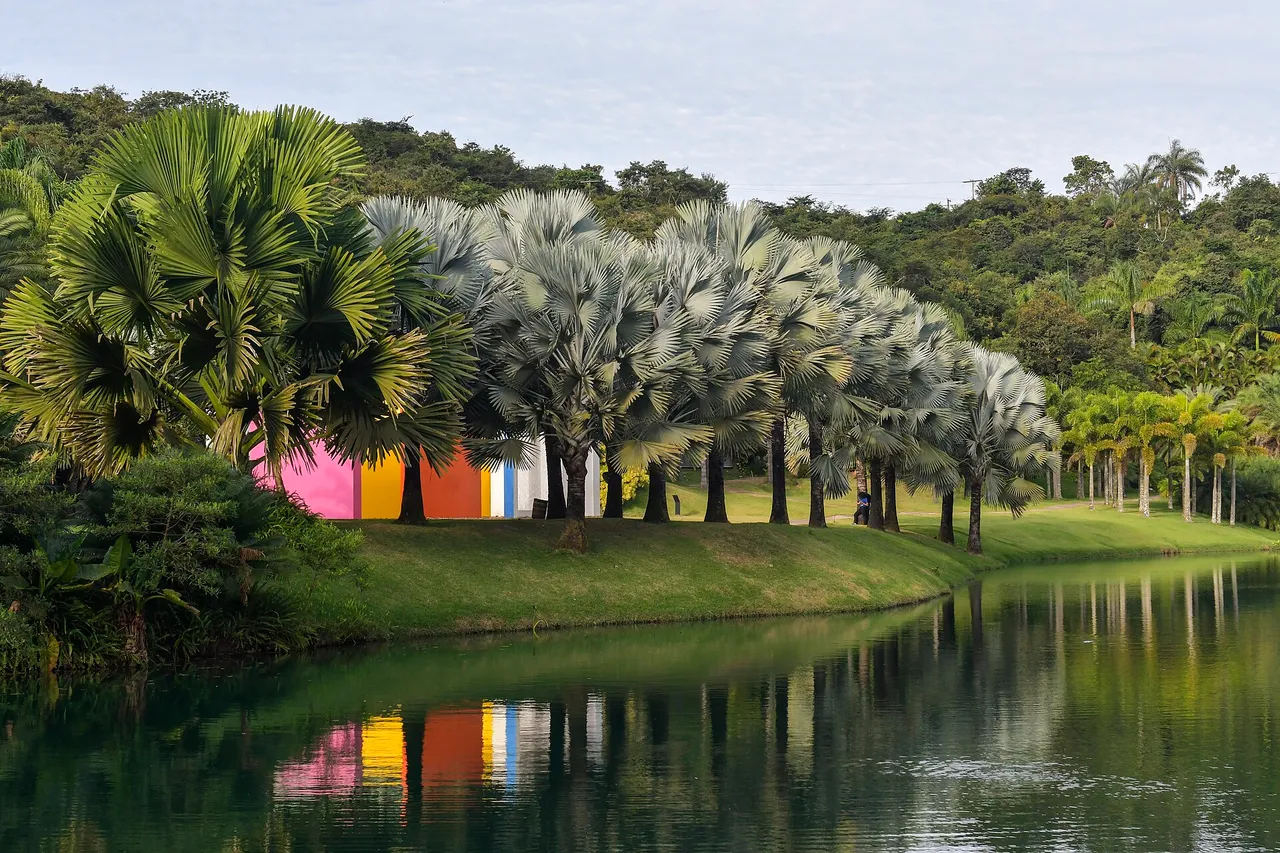
From a base in Ouro Preto and the capital Belo Horizonte, the region opens up in easy day trips. Nearby Mariana, the state's oldest town, hides gilded churches and old gold mines you can walk into. At Congonhas stands the masterpiece of Aleijadinho, the crippled mixed-race sculptor who became the genius of Brazilian baroque: his twelve life-size soapstone prophets guarding the Sanctuary of Bom Jesus, a UNESCO site in their own right. And on the other side of Belo Horizonte, Inhotim blends one of the world's great open-air contemporary-art collections into a 250-hectare botanical garden, a full, unforgettable day.
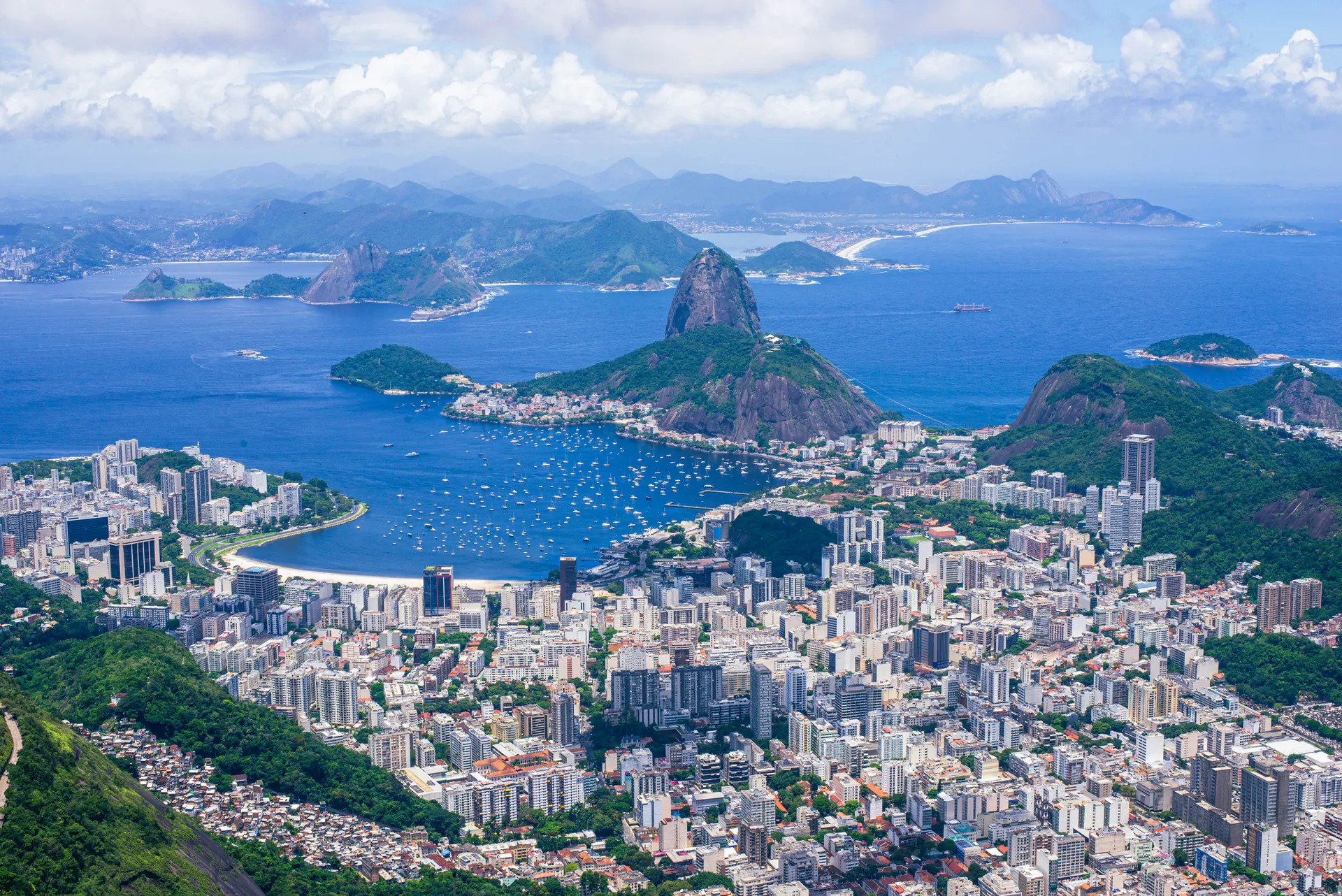
Minas is also, quite simply, where Brazil eats best. Comida Mineira, slow-cooked pork, homemade cheeses, cachaça and the country's finest coffee, is a cuisine in its own right, and half the pleasure of travelling here. We base you in a colonial pousada in Ouro Preto and a boutique hotel in Belo Horizonte, keep the driving short, and fold in the food along the way. It slots neatly onto the end of a Rio trip along the old Estrada Real gold road, or as a cultural counterpoint to the beaches and the Amazon.