Duration
14 days / 13 nights, and it works from 12
Brazil's coast, slowed right down
Fourteen days down two of Brazil's best coasts: Rio, the car-free island of Ilha Grande, colonial Paraty, a night in Salvador and four barefoot days on the turtle beaches of Praia do Forte. Every night in the plan can move.
Book a callDuration
14 days / 13 nights, and it works from 12
Start / End
Rio de Janeiro → Praia do Forte
Accommodation
Beach hotels, island and colonial pousadas
Highlights
Ilha Grande · Paraty · Pelourinho · Projeto Tamar
Brazil has more than 7,000 kilometres of Atlantic coast, and the mistake most beach trips make is staying on one stretch of it. The country's coastline changes character every few hundred kilometres, and two of its best parts sit far enough apart that they feel like different countries: the Costa Verde below Rio, where Atlantic rainforest falls straight into a bay full of islands, and the Coconut Coast north of Salvador, where the water is warmer, the palms lean over the sand and the pace drops another gear.
This route takes both. You start in Rio, cross to the car-free island of Ilha Grande, carry on to colonial Paraty, then come back through Rio to catch the short flight north. One night in Salvador, timed so you get the Pelourinho at the hour it is worth having, and then it is barefoot on the beaches of Praia do Forte until your flight home.
Fourteen days is how it reads below, and twelve is entirely possible. What matters more is where the nights sit. Some guests want a fourth or fifth day in Rio because the city keeps giving them reasons. Others fall for Ilha Grande and cannot see why they should ever get back on the boat. Plenty never really leave Praia do Forte once they arrive, and simply want more of it. We move the nights around before anything is booked, so tell us which of those you think you are.
What does not change: a private guide where a guide actually adds something, every transfer arranged including the boats, and pousadas we have stayed in ourselves. You never stand at a pier wondering which vessel is yours.
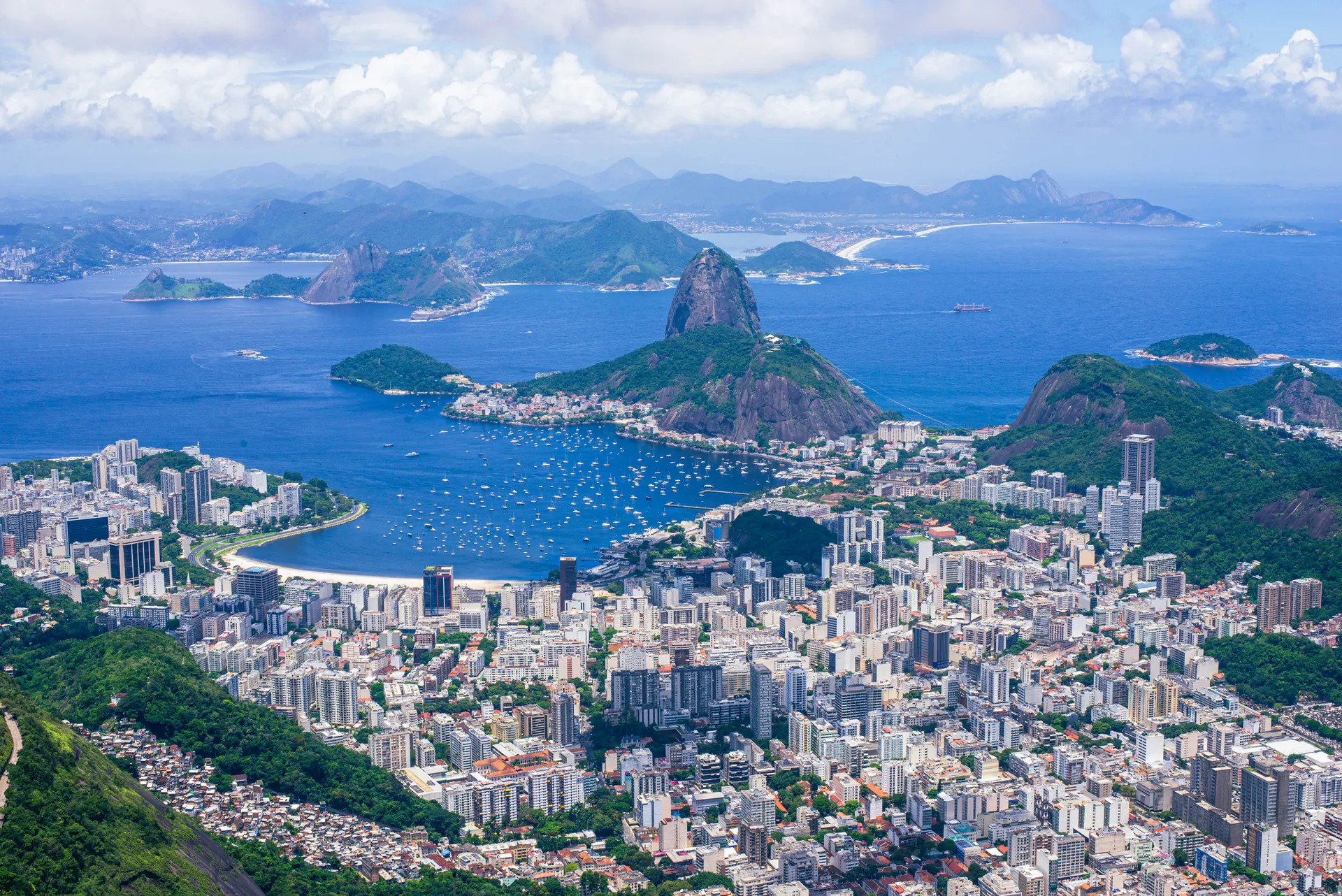
Rio at the right hours: Corcovado before the coaches, Sugarloaf as the bay turns gold
Ilha Grande, car-free and reached only by boat, with the long white sand of Lopes Mendes
A private boat day among the islands of the Bay of Ilha Grande out of Paraty
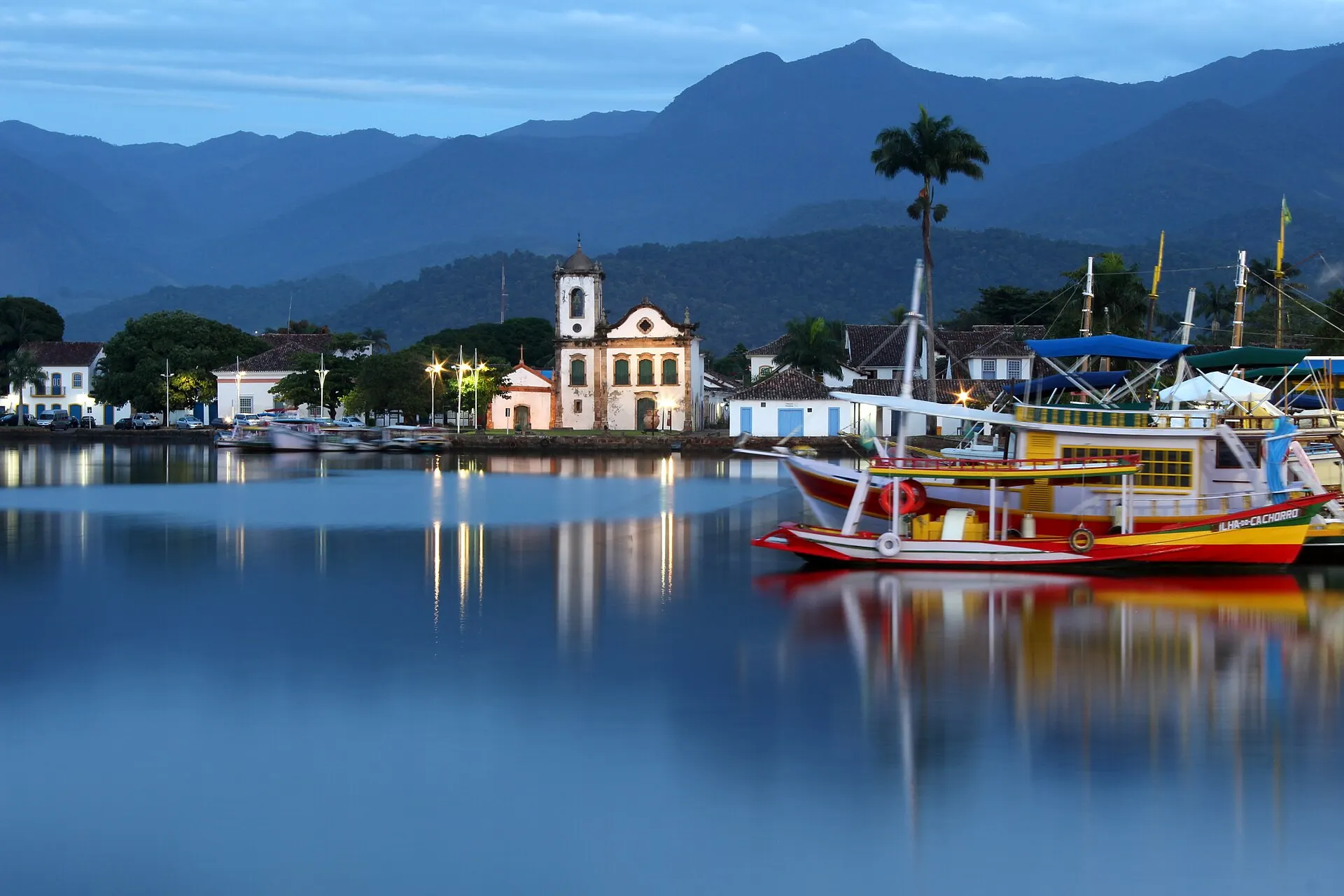
The cobbled UNESCO old town of Paraty, walked in the late light with a local guide
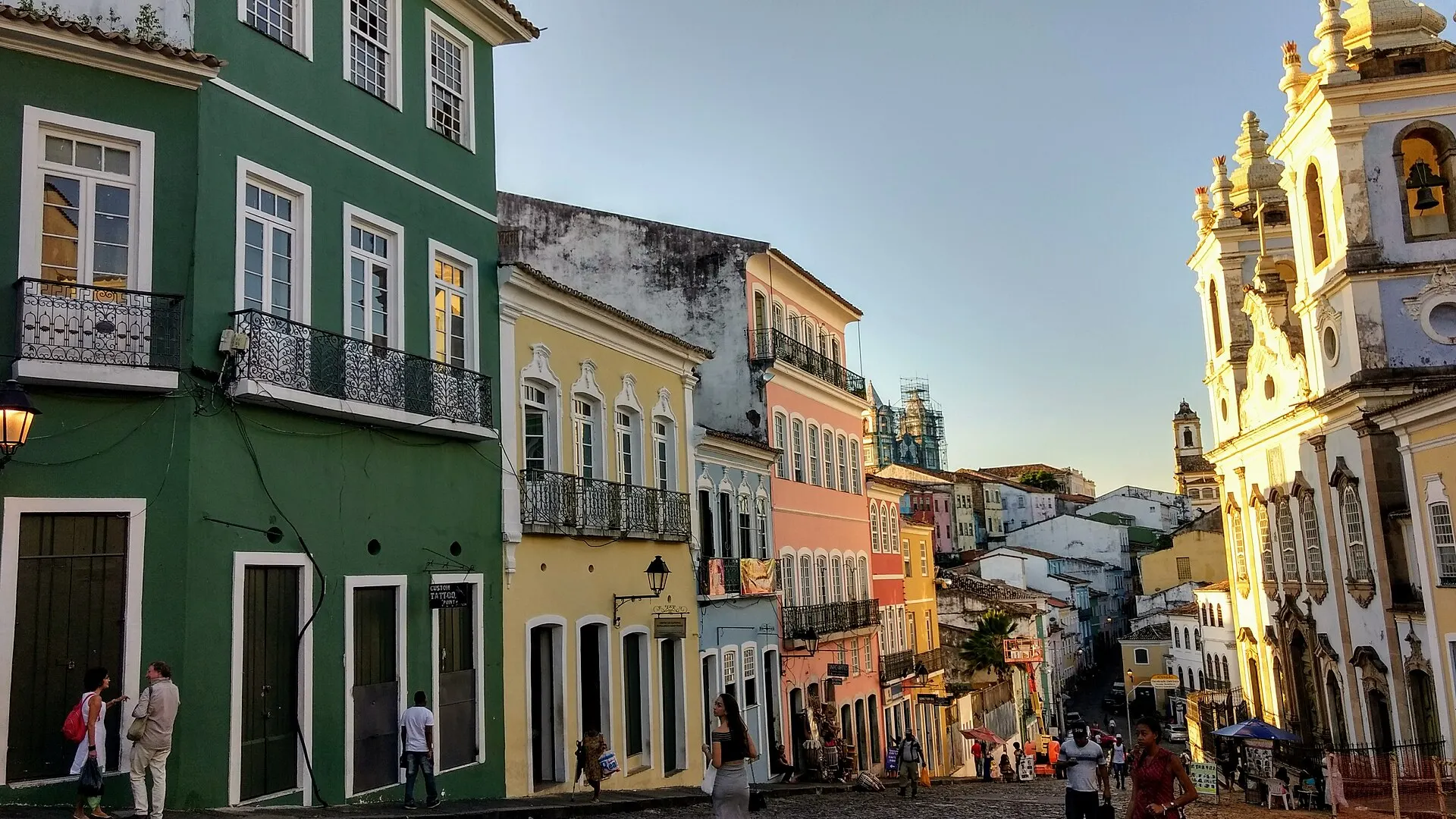
One night in Salvador, the Pelourinho at dusk and moqueca for dinner
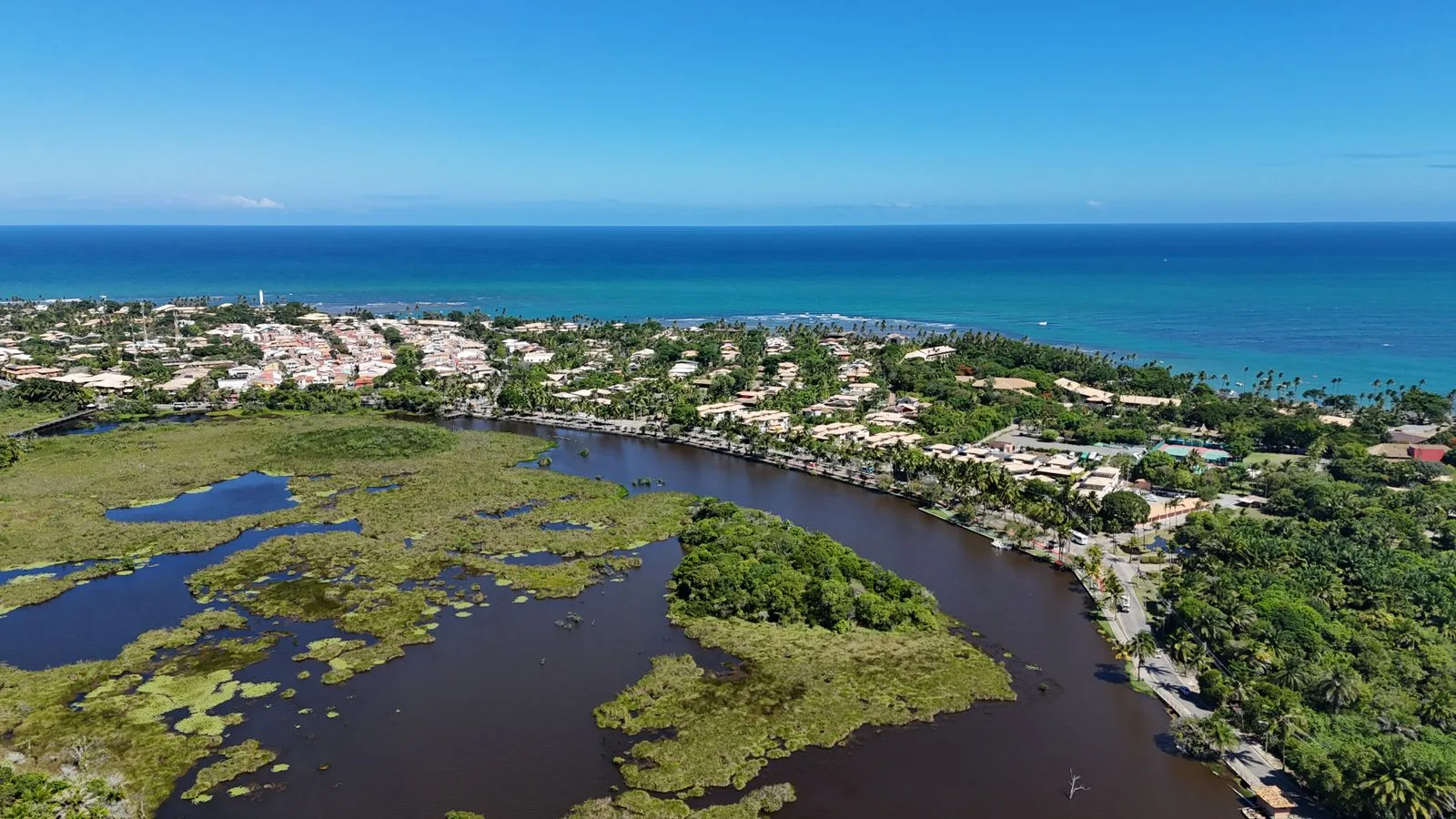
Projeto Tamar and barefoot days on the Coconut Coast at Praia do Forte
Nights that move: more Rio, more island or more beach, decided before you book
The first half is the Costa Verde, rainforest and islands within a few hours of Rio. The second half is Bahia, 1,200 kilometres north, where the sea is warm all year and the day has no plan in it. One short flight joins them, and everything else is by road and by boat.
This is just one example of how your days could unfold, every itinerary is private and fully tailored, so we gladly reshape it around your pace, interests and travel dates.
Day 1-3
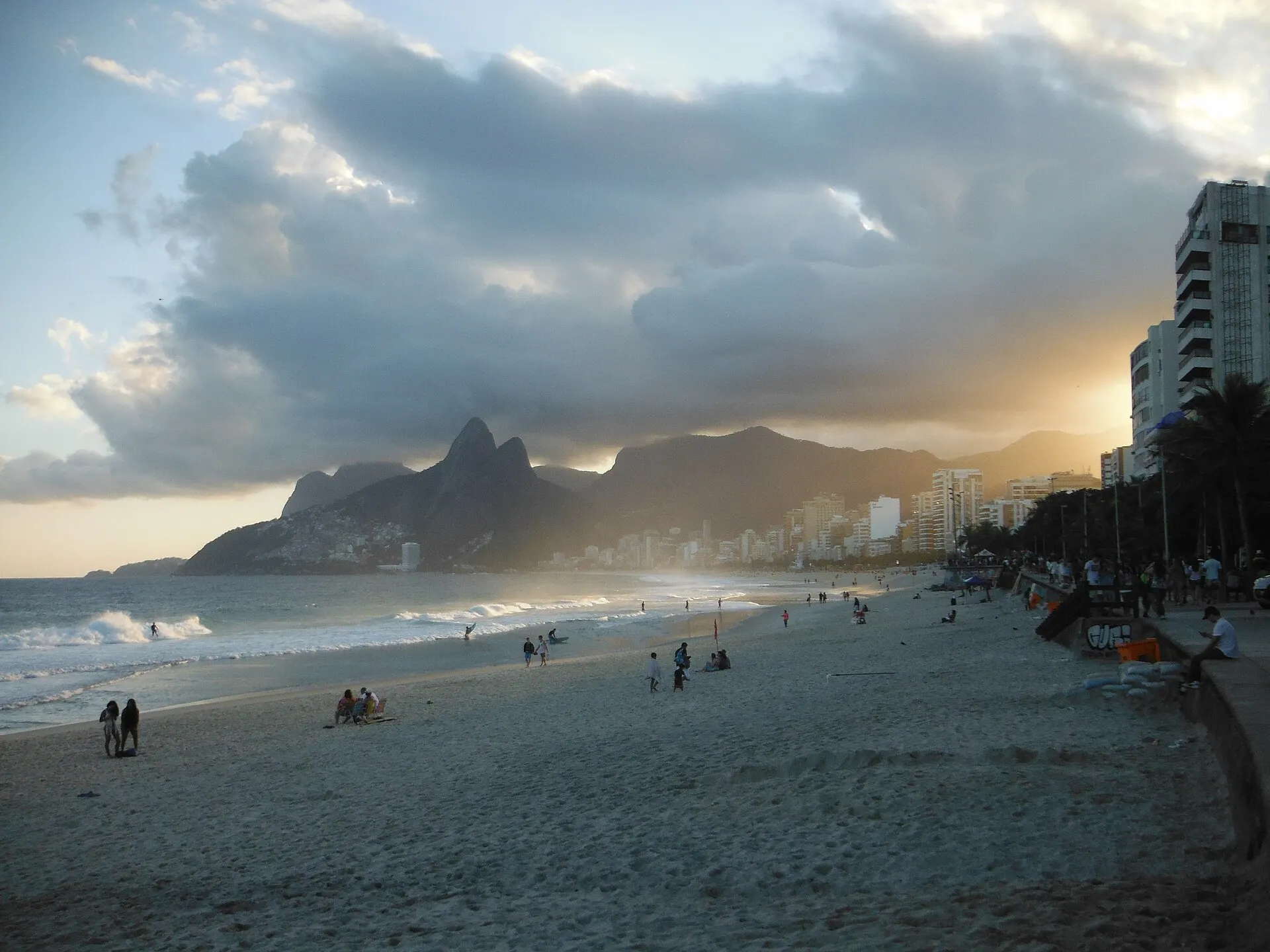
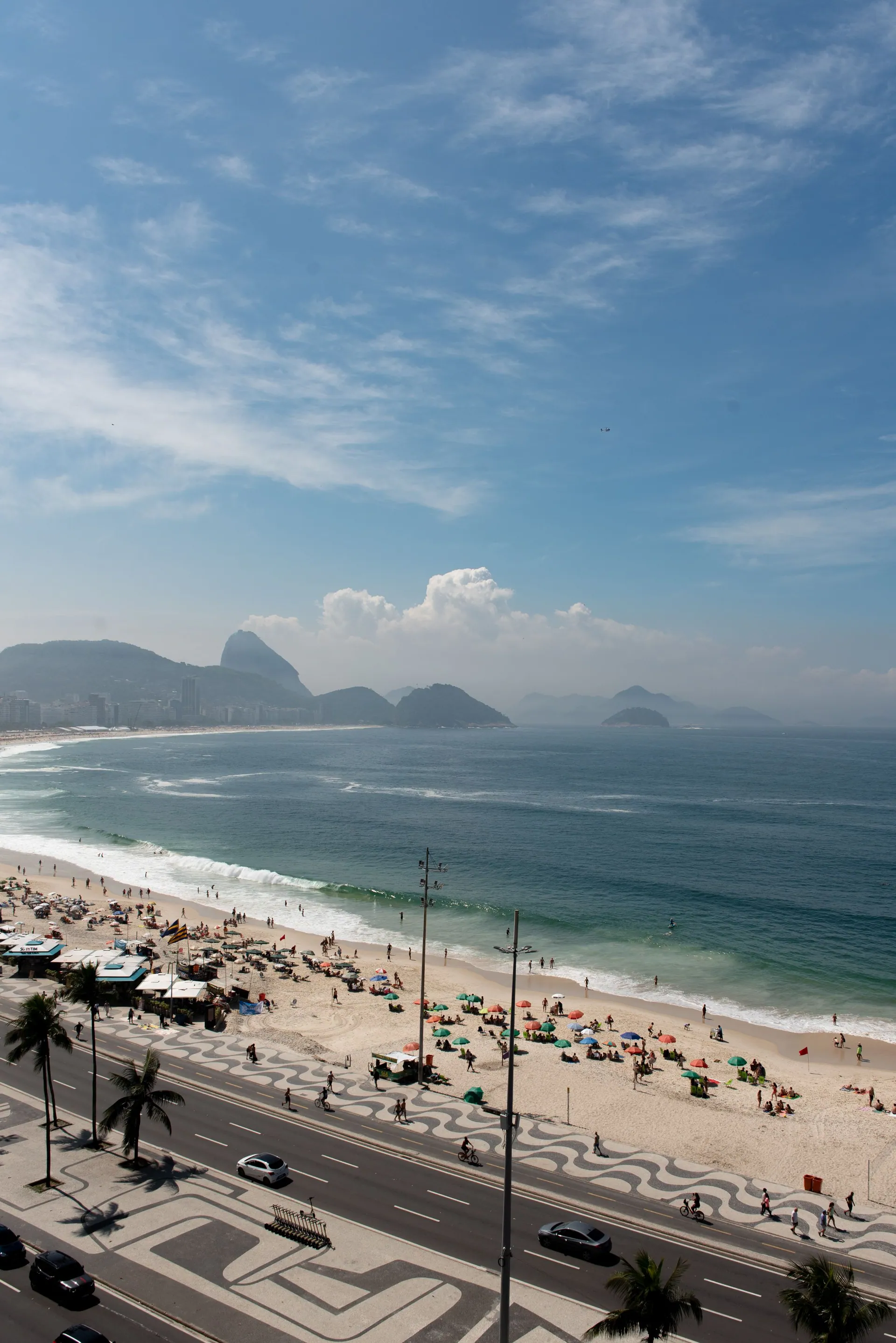
Your flight lands here, and Rio is the only city on earth where a proper beach day and a rainforest mountain fit into the same afternoon. Three nights is the least it takes to see the two peaks and still have a full day where the only decision is which stretch of sand you want. If you already know you want more city, this is the stop that grows first.
Your guide meets you inside the terminal at Galeão and drives you to your hotel in Ipanema or Copacabana, a block or two from the sand. Nothing is scheduled after that. If your body clock allows it, walk to Arpoador for the sunset, the rock between the two beaches where a few hundred people applaud the sun as it goes down, which sounds ridiculous until you are standing there doing it too.
The two big ones, timed rather than queued for. The cog railway climbs through the Tijuca forest to Christ the Redeemer in the morning, before the coach groups arrive and while the bay is still clear. The middle of the day is yours on the beach. In the late afternoon the two glass cable cars take you up Sugarloaf, and you stay for the moment the city switches its lights on below you.
Rio's beaches are not just one stretch of sand; they are a dozen distinct vibe-zones sharing a coastline, where the numbered lifeguard posts (postos) tell you exactly where you are. Today is entirely yours to enjoy a free day at the beach: grab a chair and an umbrella, soak up the sun, and let the beach vendors keep the cold drinks coming. If you'd rather experience the city's wilder side, head west instead to Prainha and Grumari: forested, building-free coves with great surf, just forty minutes from Ipanema and a completely different world. Alternative option: If you want to blend nature and relaxation, you can add an optional ~4-hour morning tour into Tijuca National Park with your private guide to explore the lush rainforest, before heading to the beach for the afternoon, or simply spend the entire day unwinding along Rio's coastline with a fresh Caipirinha in hand.
Day 4-6
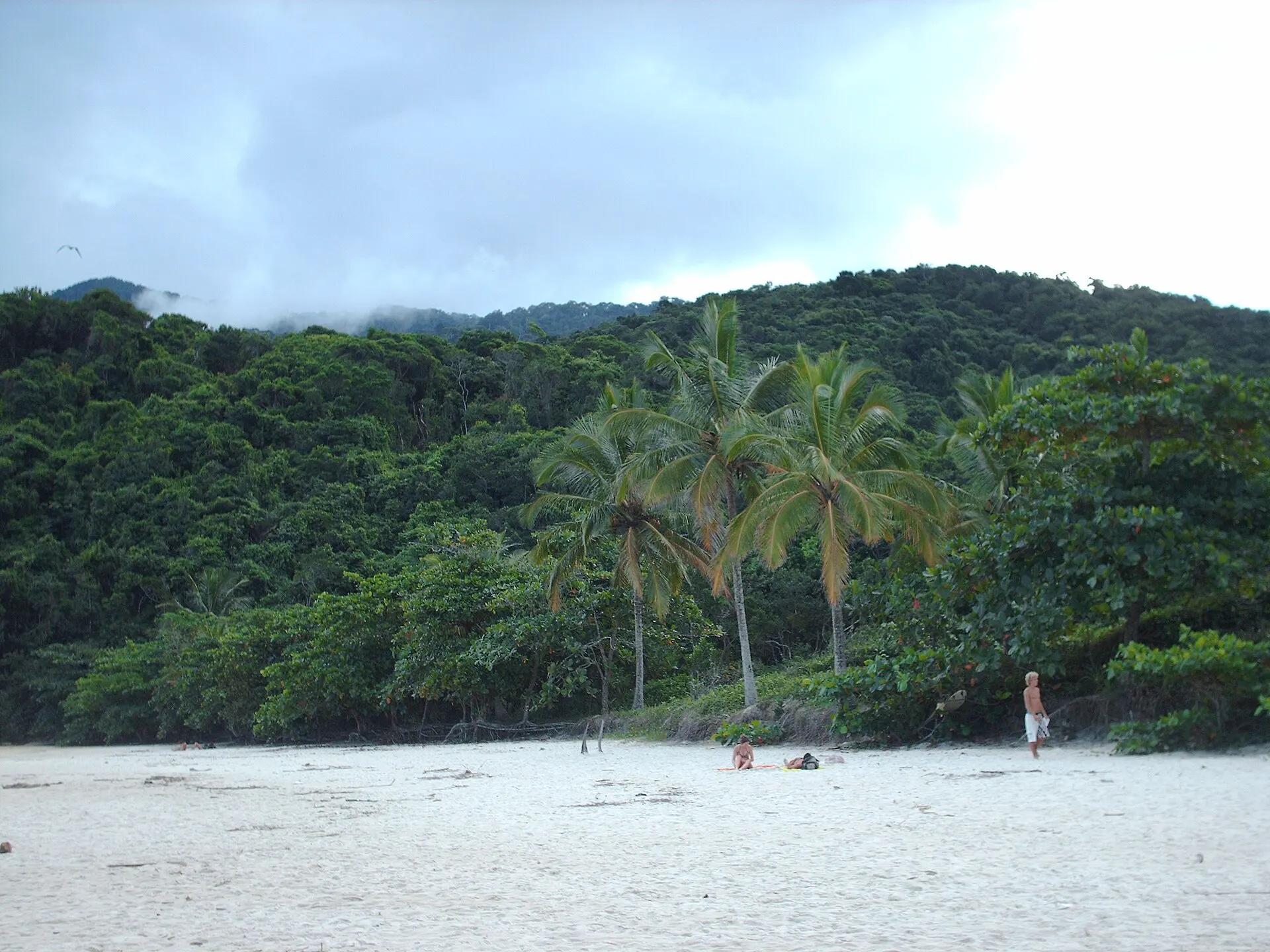
An island with no cars and almost no roads, an hour off the coast. It stayed that way by accident: first a quarantine station, then a prison colony that only closed in 1994, which kept the developers away for a century while the Atlantic forest grew back over everything. Today it is part of a UNESCO World Heritage site, it has more than a hundred beaches, and you reach every one of them on foot or by boat.
A little over two hours down the Costa Verde road from Rio, then twenty minutes by speedboat to Vila do Abraão, the island's one real village: sandy lanes, boats at anchor, forested peaks straight behind the rooftops. Luggage goes to the pousada on a handcart because there is nothing else to put it on. The rest of the day is the village beach, a first swim and the slightly strange feeling of not hearing a single engine.
A boat around the coast to Pouso, then a twenty-minute forest trail over the headland, and the trees open onto roughly three kilometres of fine white sand with green water in front of it and nothing built on it at all. No road reaches Lopes Mendes, which is exactly why it stays the way it is. Bodyboards for hire under the trees, a boat back in the afternoon, and dinner in Abraão with sand still in your bag.
Your own boat for the day rather than a fixed schooner timetable. The Lagoa Azul is the set piece, a shallow pool of clear water inside a ring of rocks where the fish come to you the moment a mask goes in, and it is calmest early, which is when we go. After that it is your call: quiet coves along the north coast, a beach with a shack that grills whatever came in that morning, and back whenever you feel like it.
Day 7-9
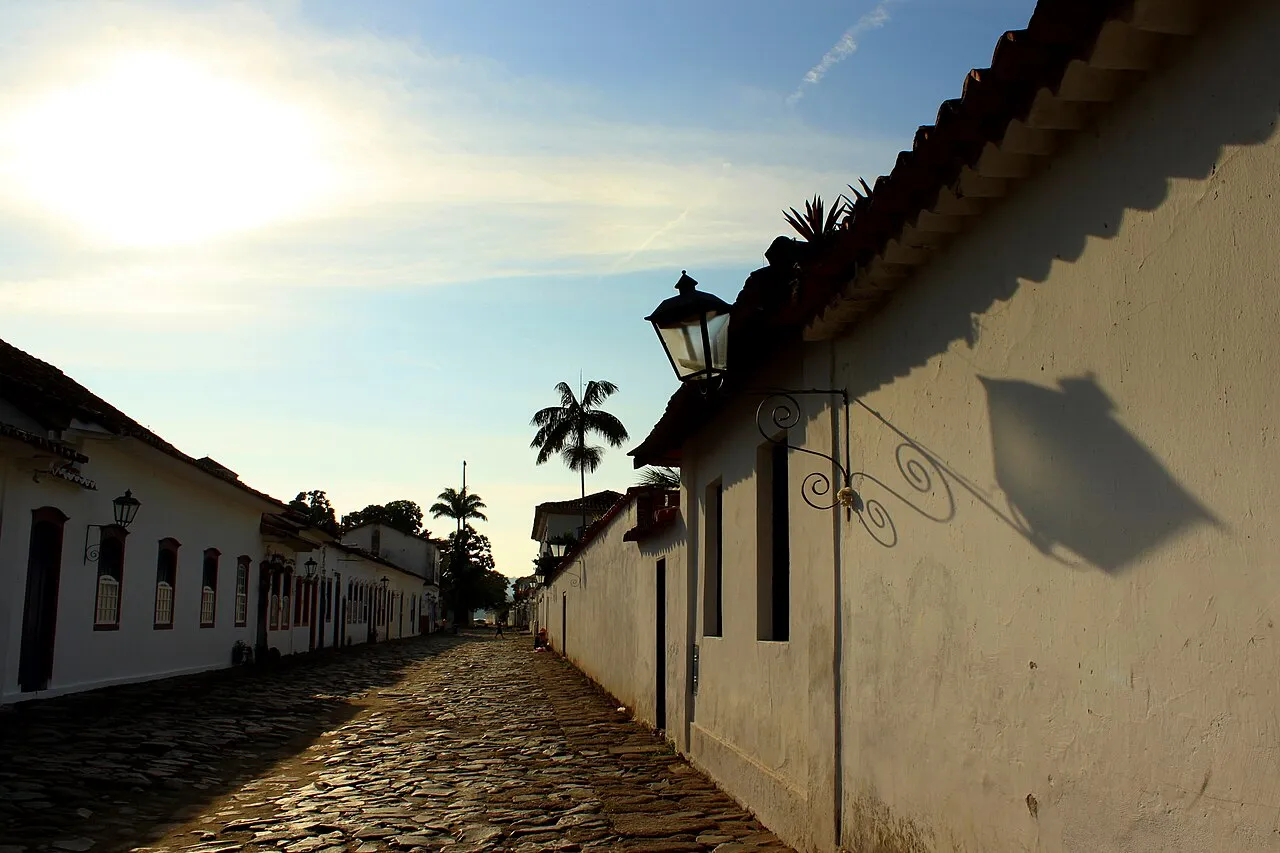
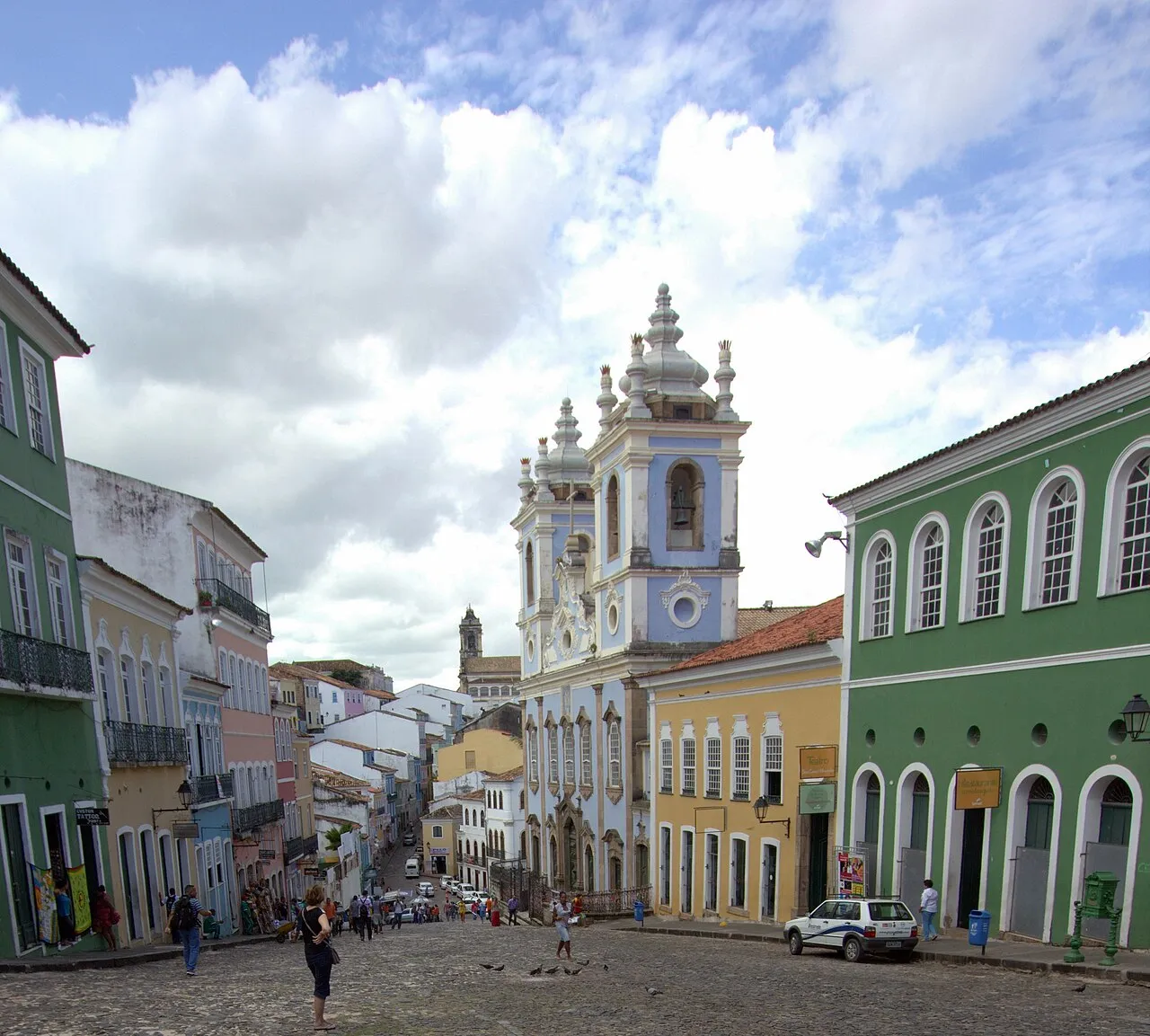
The town at the other end of the bay, and the reason the bay was ever important: for two centuries the gold of Minas Gerais came down out of the mountains on mule trains and left Brazil from this harbour. The historic centre has been closed to cars since long before that was fashionable, so the streets are still the original uneven ballast stones. Three nights, because Paraty is a town, a boat trip and a rainforest walk, and each deserves its own day.
Back across the water in the morning and an hour and a half down the coast, which puts you in Paraty for lunch. The old town is best walked late, when the day trippers have gone and the whitewashed fronts turn orange, so that is when your guide takes you through it: the two churches built for two different classes of people, the drains cut into the cobbles so the spring tide can flood and rinse the streets, and the cachaça that made the town famous a second time.
The Bay of Ilha Grande holds dozens of islands, and the schooners all visit the same four. You get a private boat and a skipper who goes where the water is clearest that morning: swim stops in green coves, snorkelling over rocks, lunch on board or at a floating restaurant. If you want the wilder version, we point the boat at Saco do Mamanguá, a long thin inlet of mangrove and forest that is the closest thing Brazil has to a fjord.
Two good options and no wrong answer. The Caminho do Ouro is the original eighteenth-century stone road, hand-laid, now mossy and swallowed by rainforest, and you walk on the actual paving the mule trains used, with waterfall pools clear enough to swim in along the way. Or drive twenty-five minutes south to Trindade, a former fishing village with a string of surf beaches and a natural rock pool you can snorkel in. Start early and there is time for both.
Day 10
One night, and deliberately so. The flight north leaves from Rio anyway, and Salvador is where it lands, so the question is only whether you sleep at the airport end of the day or drive straight on. We sleep in the old town, because the Pelourinho in the last hour of daylight is the single best thing Salvador gives a traveller who is not staying a week. Brazil's first capital for over two hundred years, and the place Afro-Brazilian culture was made. If it grabs you, this is the stop to add two more nights to.
An early start from Paraty and about four hours back along the Costa Verde to Rio's international airport, then a two-hour flight north. By late afternoon you are somewhere that does not feel like the same country. Your guide walks you through the Pelourinho as the light goes soft: the pastel mansions, the gold-leaf interior of São Francisco, drums starting up in a square somewhere out of sight. Dinner is moqueca, the Bahian fish stew cooked in coconut milk and dendê oil, and it is the reason people book a second night.
Day 11-14
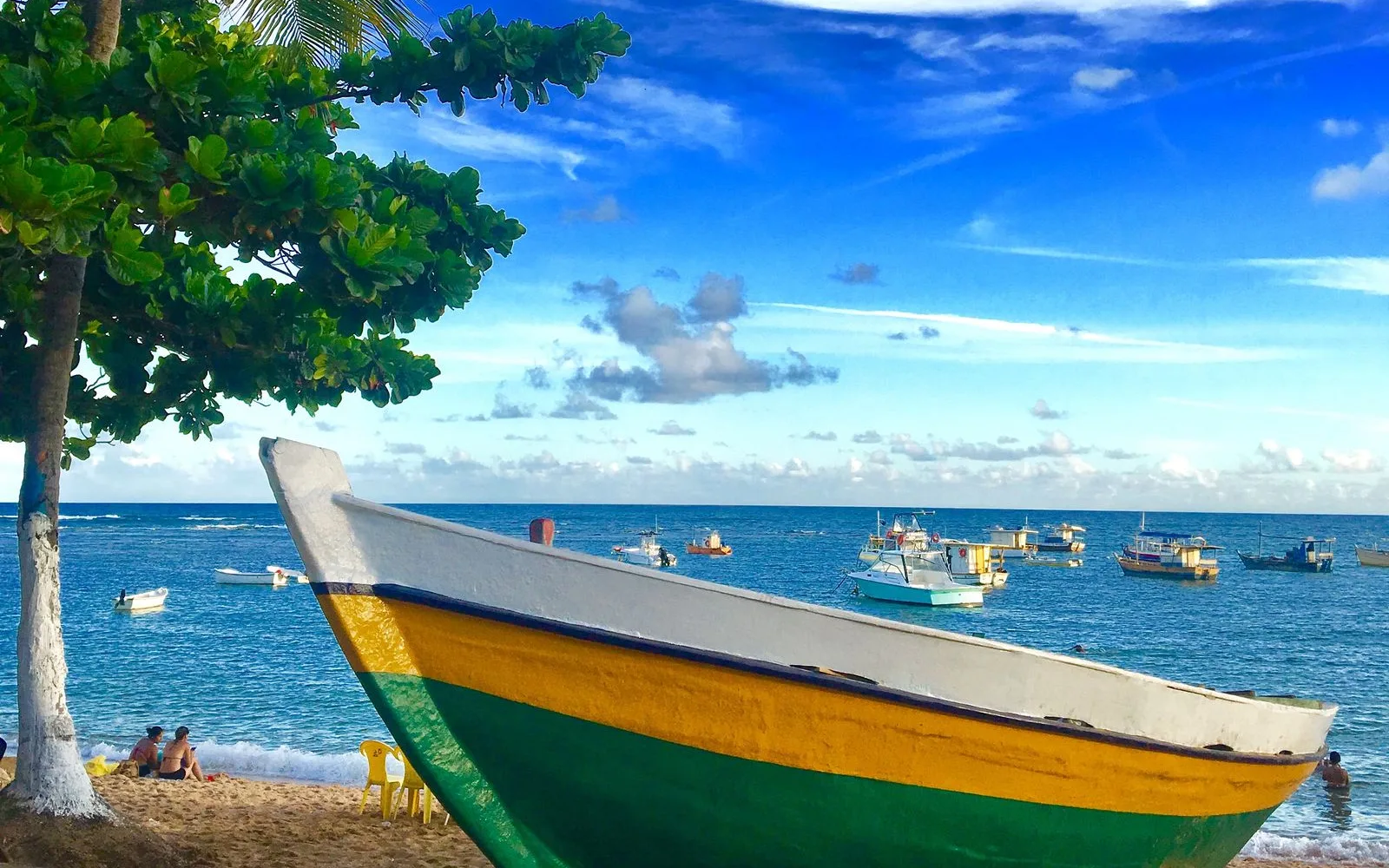
A former fishing village on the Coconut Coast that has one sandy main lane, no through traffic, and a line of pousadas a few steps from the water. It is also the home of Projeto Tamar, the sea-turtle programme that started in 1980 and now runs the whole Brazilian coast. This is the part of the trip with nothing to achieve, which after eleven days of coast roads and boats is exactly the point.
After breakfast, an hour and a quarter north on the Estrada do Coco, palms on both sides most of the way, and you are at the pousada before lunch. Nothing is planned. The village is small enough to learn in one walk, the sea in front of it is calm and shallow behind a reef, and the correct use of the first afternoon is a chair, the shade of a palm and no further decisions.
Projeto Tamar's main visitor centre sits right on the beach here: open-air tanks of green, loggerhead and hawksbill turtles, the tanks of the ones being nursed back, and the story of how a handful of biologists talked the fishing villages out of eating the eggs and into protecting them. Between September and March there are hatchling releases at dusk. Afterwards, walk out to the natural pools that form on the reef at low tide, which is snorkelling for people who do not really snorkel.
A day with options and no obligation. The Sapiranga reserve just inland has Atlantic forest trails and a tea-coloured river you can paddle down to the sea. On the hill above the village stand the ruins of the Garcia d'Ávila castle, a fortified manor begun in the 1550s and among the oldest colonial buildings in Brazil. Between July and October humpback whales pass along this coast to breed and a morning boat goes out to them. Or you do none of it, which is a perfectly good day here.
A slow morning, a last hour in the water and a late checkout where the pousada allows it, then the transfer to Salvador airport, which is under an hour from here and the shortest airport run of the whole trip. If you are flying home from Rio instead, we put you on the hop back. And if you have got this far and cannot face leaving, say so early: extra nights here are the easiest change we make, and the one guests ask for most.
Tell us your dates and where you think you will want to stay longer, and you will have a personal, non-binding version of this route within 24 hours.
Plan My TripThe fourteen days below are a starting point, not a package. Tell us where you want to linger and we shift the nights between Rio, the island and Praia do Forte before anything is booked, at no charge and with the price difference shown openly.
English- or German-speaking guides for Rio, the Paraty old town, the boat days and the Pelourinho. Not somebody standing over you on a beach day, because that is not what a beach day is for.
Airport pickups, both legs of the Costa Verde coast road, the speedboat crossings to and from Ilha Grande, the run up the Coconut Coast and the airport drop at the end. You are met every time, by name.
Rio to Salvador, booked and timed against the drive up from Paraty so the day actually works rather than looking fine on paper. If your international ticket returns from Rio, the hop back from Salvador is added too.
A hotel a block from the sand in Rio, a pousada in Abraão within a handcart's walk of the pier, a colonial house inside Paraty's old town and a place in Praia do Forte where the beach is the end of the garden.
Corcovado and Sugarloaf, the boat and trail to Lopes Mendes, the private island boat on both bays, the Gold Trail walk, the guided Pelourinho and entry to Projeto Tamar. No optional extras produced at the last minute.
Yes, and you should. This is a private trip, so the fourteen days are a shape rather than a product, and here is how it actually bends. Rio at three nights is the least that is not a rush, and four or five is a common upgrade if you want Santa Teresa, a favela project or simply more beach. Ilha Grande rewards a fourth night more than most people expect, because the good beaches are a boat ride apart and one of your three days is spent arriving. Paraty works at two nights if you drop either the Gold Trail or the boat day. Praia do Forte is the one guests extend once they get there, so we would rather you build the extra night in now than wish for it later. Twelve days is the shortest version we would still call this route, and sixteen is where it gets genuinely unhurried.
Because on a beach trip, one night is the honest amount. The flight north lands there whatever we do, and one night buys you the Pelourinho at dusk, which is the hour that city is at its best, plus a proper Bahian dinner, without turning fourteen days of coast into a city stop. Salvador deserves three days if you want the Recôncavo sugar towns, Itaparica island, a food tour or a capoeira session with a mestre, and we will happily build that, but it is a different trip and we would rather say so than quietly sell you a rushed version of both. If you only ever wanted the beaches, this single night still gives you the one thing you would regret missing.
Either, and the answer is usually about the price of your long-haul ticket rather than the itinerary. Flying into Rio and home out of Salvador is what airlines call an open jaw, and on some routes it costs no more than a plain return while on others it costs a great deal more. So the first thing we do is check both. If the open jaw is priced sensibly, you finish at Praia do Forte and drive under an hour to Salvador airport, which is the neatest possible ending. If it is not, we add the short flight from Salvador back to Rio at the end, which is usually far cheaper than the fare difference, and you fly home from where you started. Send us the fares you are seeing and we will tell you which way round is better.
It is a small practical thing rather than a problem, and it is worth knowing in advance. Your driver takes you to the pier at Conceição de Jacareí, the speedboat crossing is about twenty minutes with your bags on board, and at Vila do Abraão someone from the pousada meets the boat with a handcart, because handcarts are what the island has instead of taxis. The lanes are sand, so a big hard-shell suitcase is more awkward than a soft bag, and if you are carrying a lot we can leave part of it with your Rio hotel, which many guests do since you pass back through anyway. Mobility matters more than luggage here: the village is flat, but the beaches involve boats and short forest trails, so tell us if steps or uneven ground are an issue and we plan the island days around boats only.
Rio is the only stop on this route where the question is a fair one, and the honest answer is that it is a big city where a few specific habits matter and the rest is ordinary. You are met inside the terminal, driven door to door, and your guide will tell you plainly which streets and hours are fine and which are not, which is the sort of local knowledge no article can give you. The other four stops are among the calmest places in Brazil: Ilha Grande has no cars and about five thousand residents, Paraty's old town is car-free and walked at night by families, Praia do Forte is a village where the main lane is sand. Every leg between them is private, so you are never on a public bus or standing at a road with your bags. We are also on WhatsApp for the whole trip, which is worth more than any list of rules.
This route crosses two climates, so there is a genuine trade-off and we would rather set it out than pretend every month is perfect. The Costa Verde, meaning Rio, Ilha Grande and Paraty, is driest from April to October. Bahia is at its sunniest from September to March. The overlap is therefore September to early November and, at the other end, March into April, and those are the months we recommend first: warm sea on both coasts, no high-season crowds and reasonable prices. December to February is the Brazilian summer holiday, which means the hottest water, the fullest beaches and afternoon downpours on the Costa Verde. July to October is when humpback whales are off Praia do Forte, and the Costa Verde is cooler but often beautifully clear. Tell us your dates and we will tell you honestly what they will feel like.
Then we add a chapter, and this route takes one easily. The natural additions are Foz do Iguaçu, which is a short flight from Rio and the one waterfall nobody regrets, or the Pantanal for wildlife, or three nights in an Amazon lodge out of Manaus. Within the route as it stands you can also go deeper without going further: two extra nights in Salvador for the Recôncavo and Itaparica, a day in Rio's historic centre and Santa Teresa rather than a third beach day, or the Caminho do Ouro replaced with a cachaça distillery and a quilombo community outside Paraty. Say what you are actually curious about in the form below and we will build around it rather than around the template.
Fourteen days on the ground, at our published planning range of US$200 to US$400 per person per day, comes to roughly US$2,800 to US$5,600 per person before international and domestic flights. A coastal route usually lands nearer the lower end than one with the Pantanal or the Amazon in it, because pousadas and road and boat transfers cost less than wildlife lodges and chartered boats. Rio has a published starting price of its own: four days from US$800 per person, privately guided, with accommodation and transfers. The written proposal gives the exact total before you confirm.
It is right for people who want the coast rather than a checklist: short travel days, boats instead of internal flights wherever possible, and enough beach time to actually stop. Couples, friends and families with older children all fit it. It is not right for travellers whose main reason for coming is wildlife, because neither the Pantanal nor the Amazon is in it, and not for anyone who needs to be driven to their door each evening: Ilha Grande has no cars, and luggage travels by handcart and boat.
Individually bookable, fixed-departure experiences in the regions this journey passes through.
 Experience
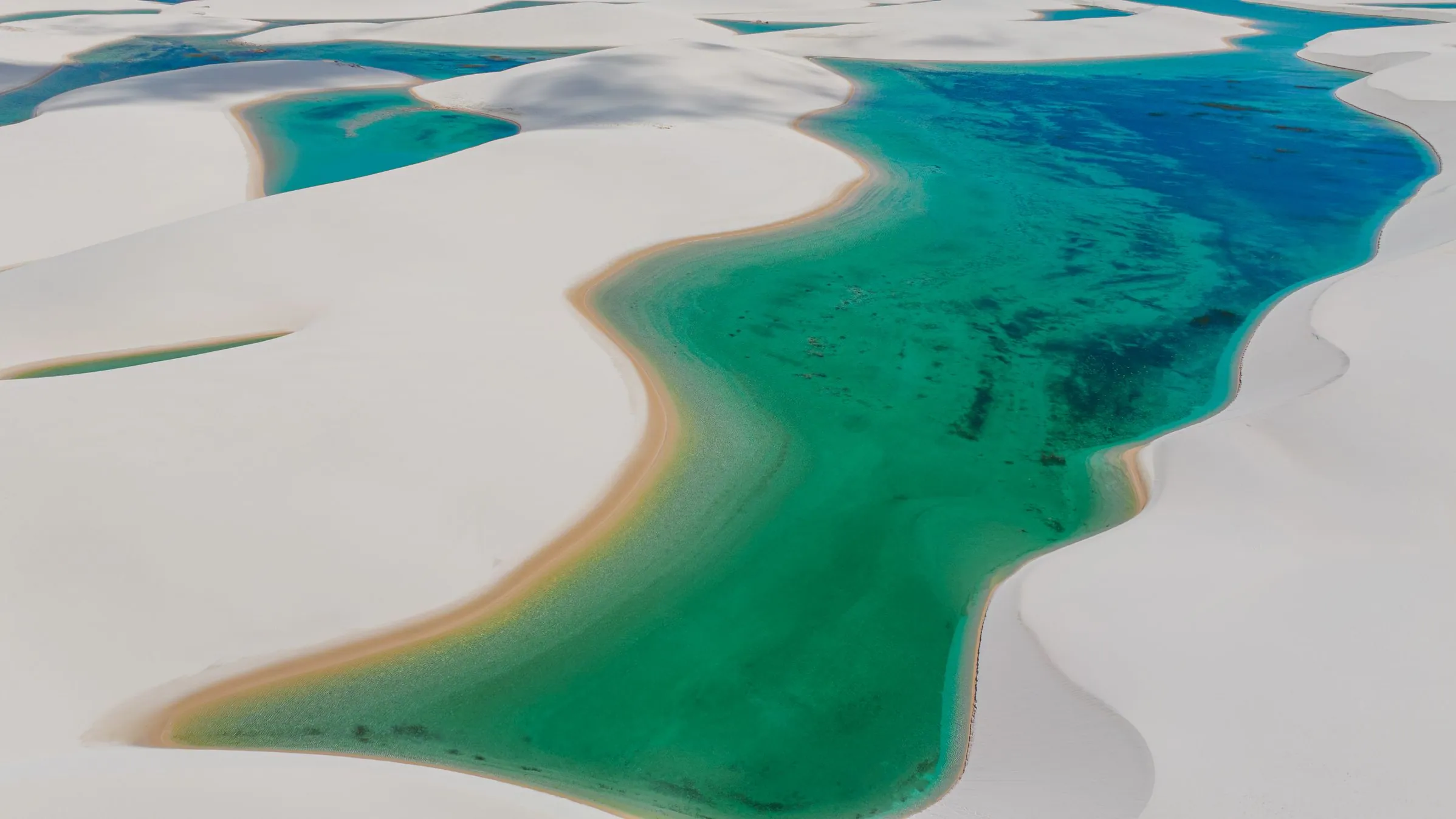
 The Route of Emotions, São Luís to Jericoacoara
View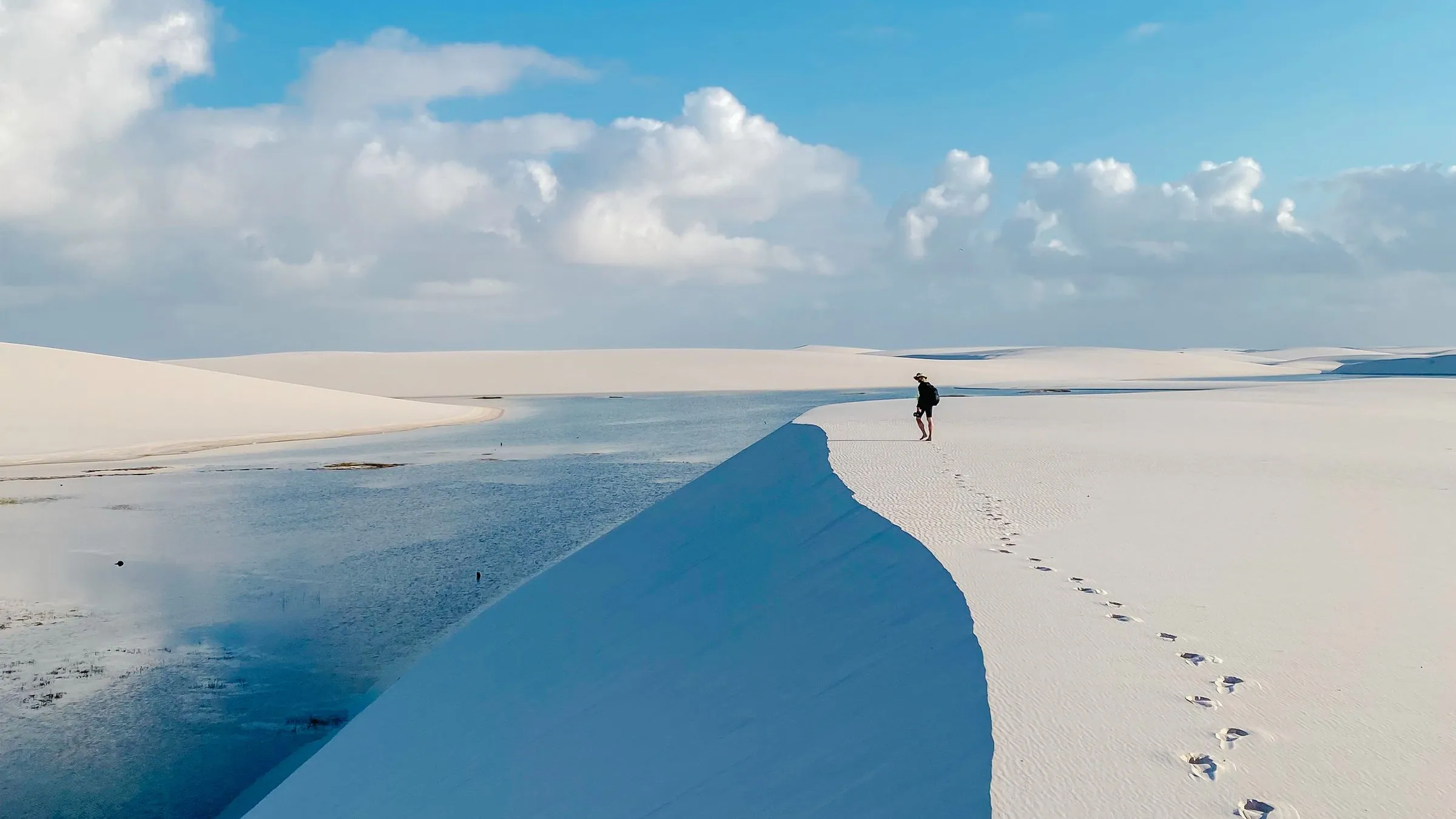 Experience
 Three days on foot across Brazil's white-sand sea
View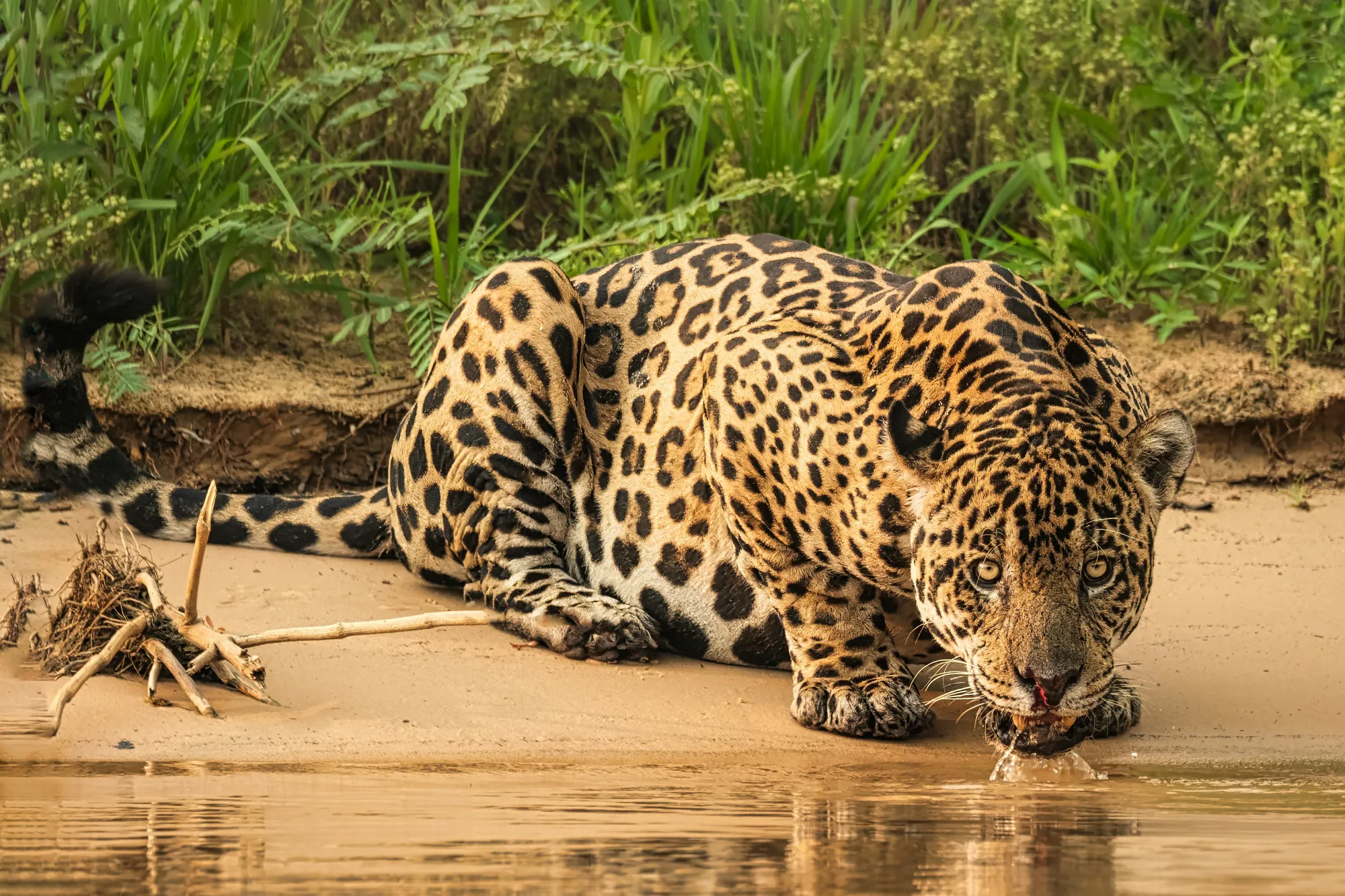 Experience
 An expedition cruise through the land of the jaguar
View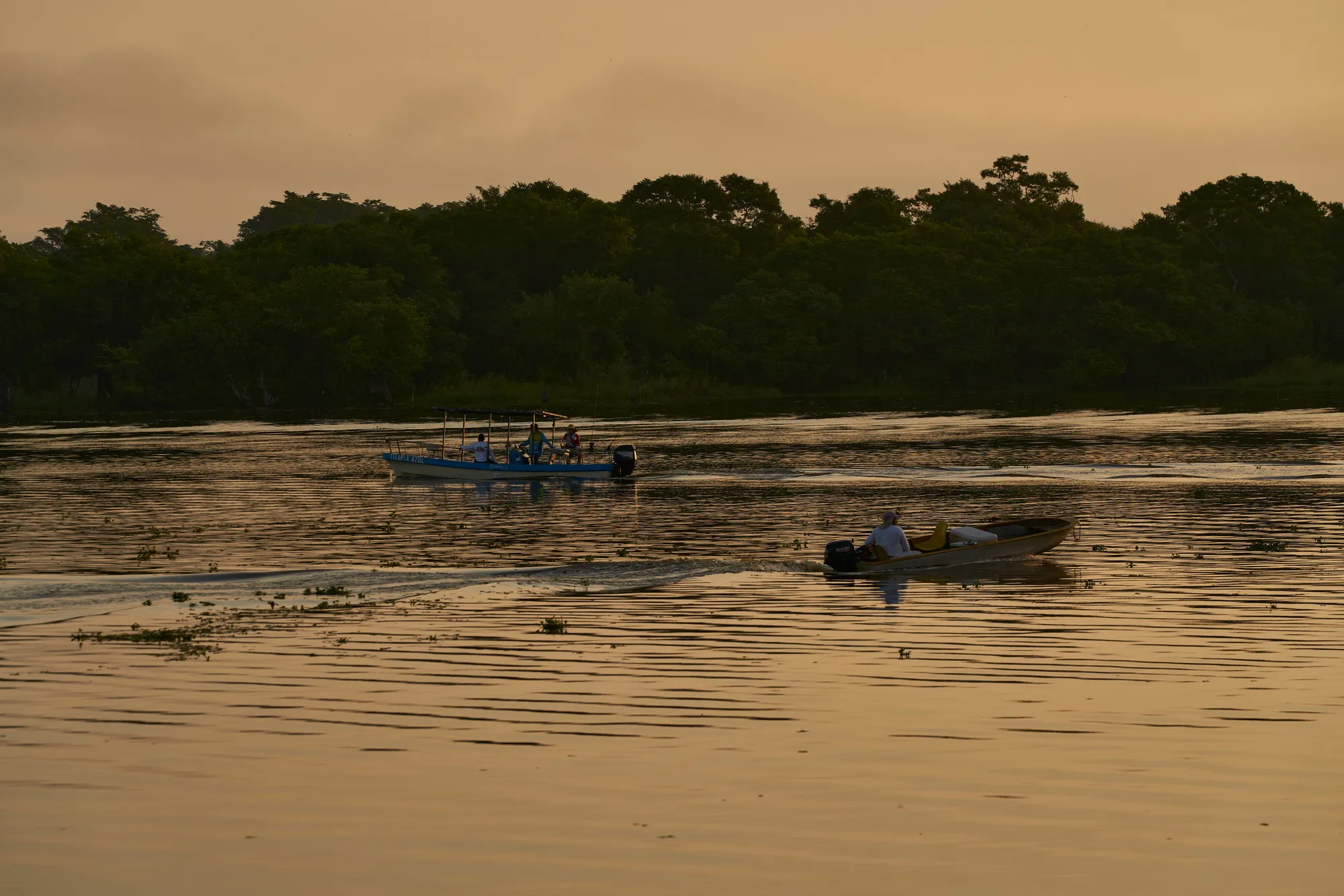 Experience
 Jaguars and cowboys along the Rio Paraguai
View My wife and I have always been thrilled by Brazil, but we had never dared to organise the trip ourselves. Authentic Brazil Travel planned the whole journey for us, including some destinations we did not know. The trip was superbly organised, the guides were great, the accommodations lovely and the transfers punctual. Thanks to the wonderful guides and their tips we felt safe the entire time and got to discover a lot of new things. Gladly again!
A little Brazilian sunshine
A few ideas are all we need to start planning something personal.
We'll be in touch within 24 hours to start planning. Want to talk sooner? Message us on WhatsApp.
Chat on WhatsApp