Three days tracking jaguars by boat through the strictly protected Taiamã reserve, then three days in the saddle in the Parque do Guirá, the least explored corner of the whole wetland. Two ways of living, one frontier, and Bolivia on the far shore.
It is the far western edge, out where the wetland presses up against the Bolivian border and quietly turns into something else. You spend the first half of the journey on the water, tracking jaguars and giant otters through the strictly protected Taiamã reserve, and the second half on land, in the saddle and behind the wheel of a jeep, in a place that maps still barely describe.
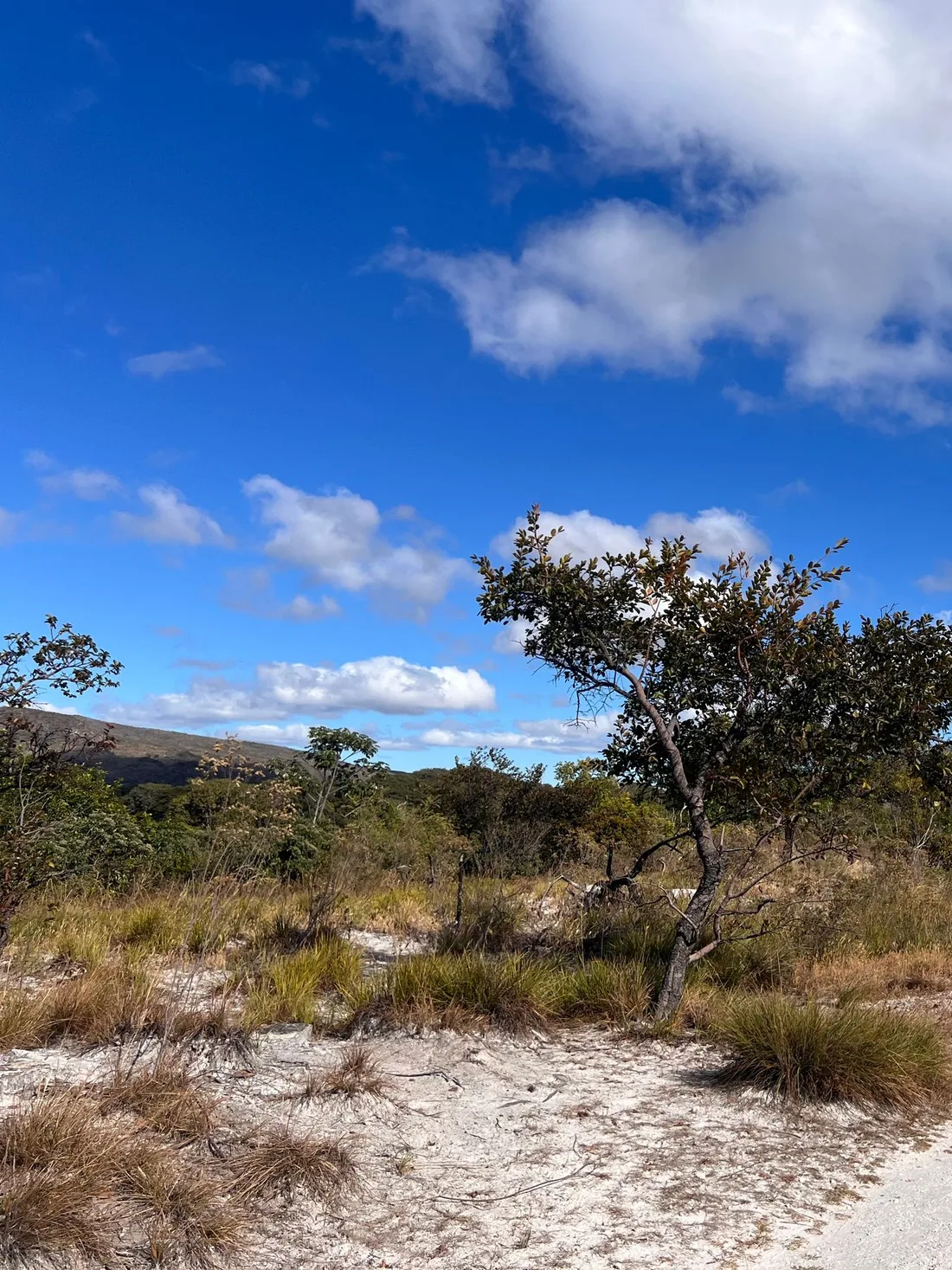
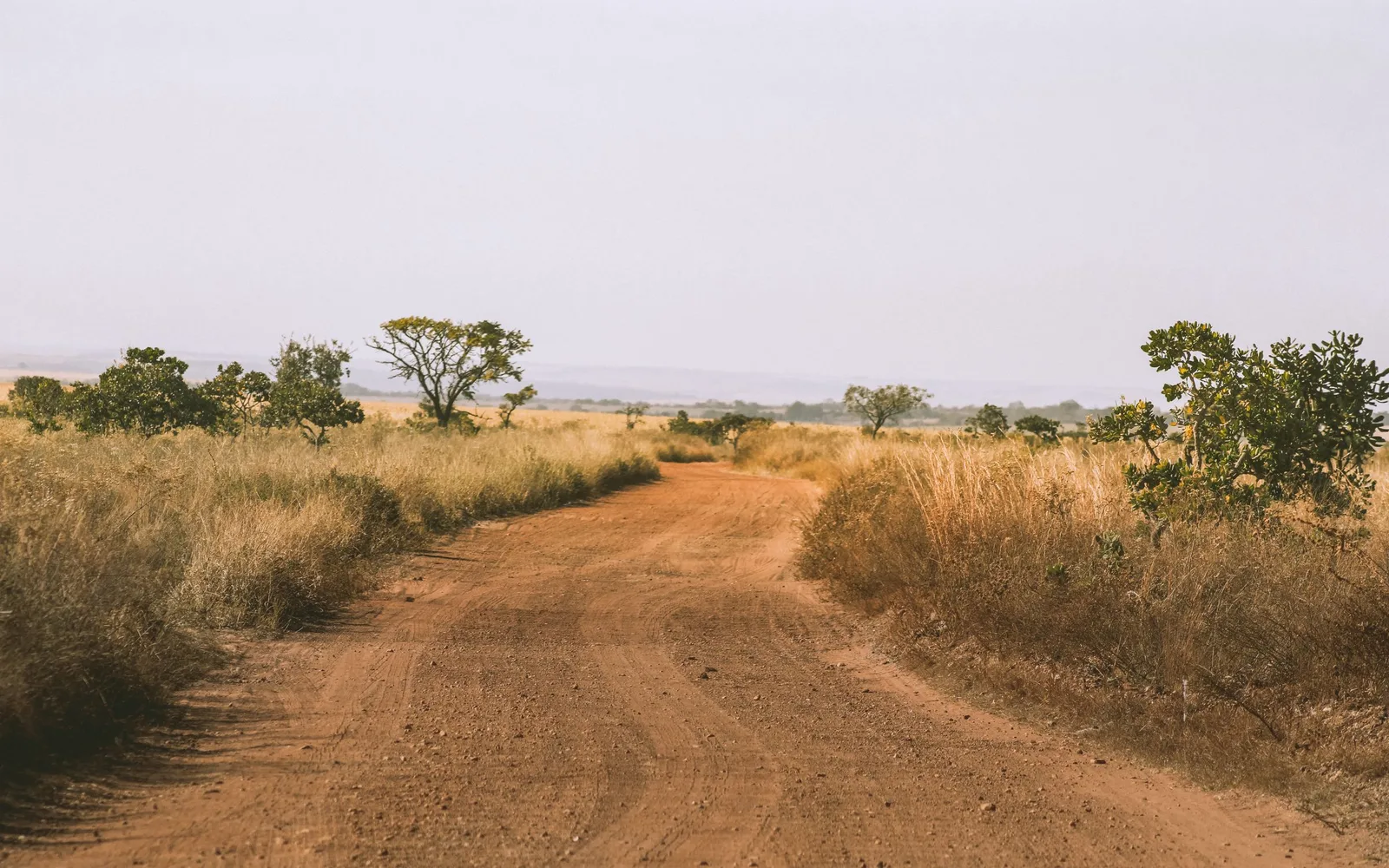
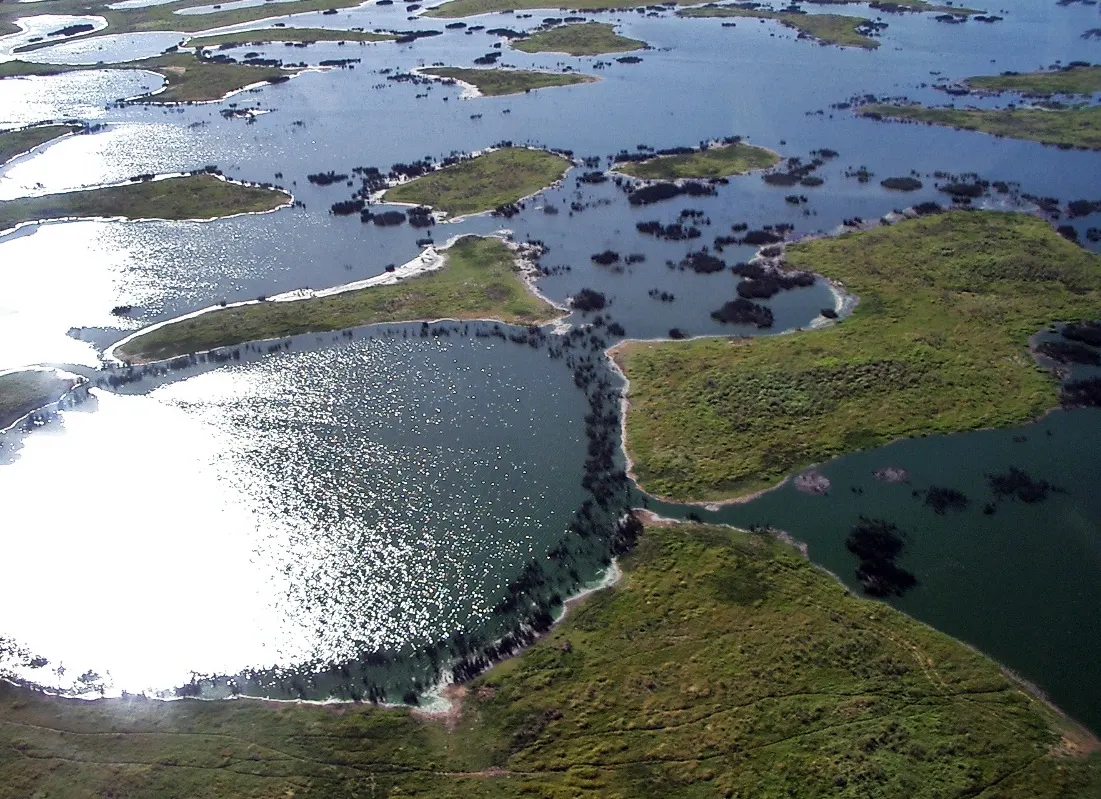
That place is the Parque Estadual do Guirá, widely held to be the least explored and least visited region in the whole Pantanal. Because it sits so far west, the Chaco biome already bleeds into it, so the plants and animals are not quite the ones you meet elsewhere in the wetland. There are more armadillos here than anywhere else in the Pantanal, and a handful of remote lakes so far off the map that their far shore is Bolivia.
You will sleep simply, in a pousada, then a river lodge or a houseboat, then a working cattle ranch, because this is an expedition and not a resort. What you trade in luxury you gain many times over in encounters, silence and space. Use the days below as a frame. Every departure is private and we happily reshape it around your pace and the animals.
Three days by boat, then three in the saddle and the jeep
Guirá
Widely held to be the least explored region in the whole Pantanal
Bolívia
The far shore of the remote lakes you reach on the land half
Every pin is a day. Click one to read it.
Two ways of life, one frontier
The far west holds two completely different answers to the same question of how to live with water that arrives and leaves every year. This trip gives you three days inside each of them.
I
Days 2 and 3
The river people
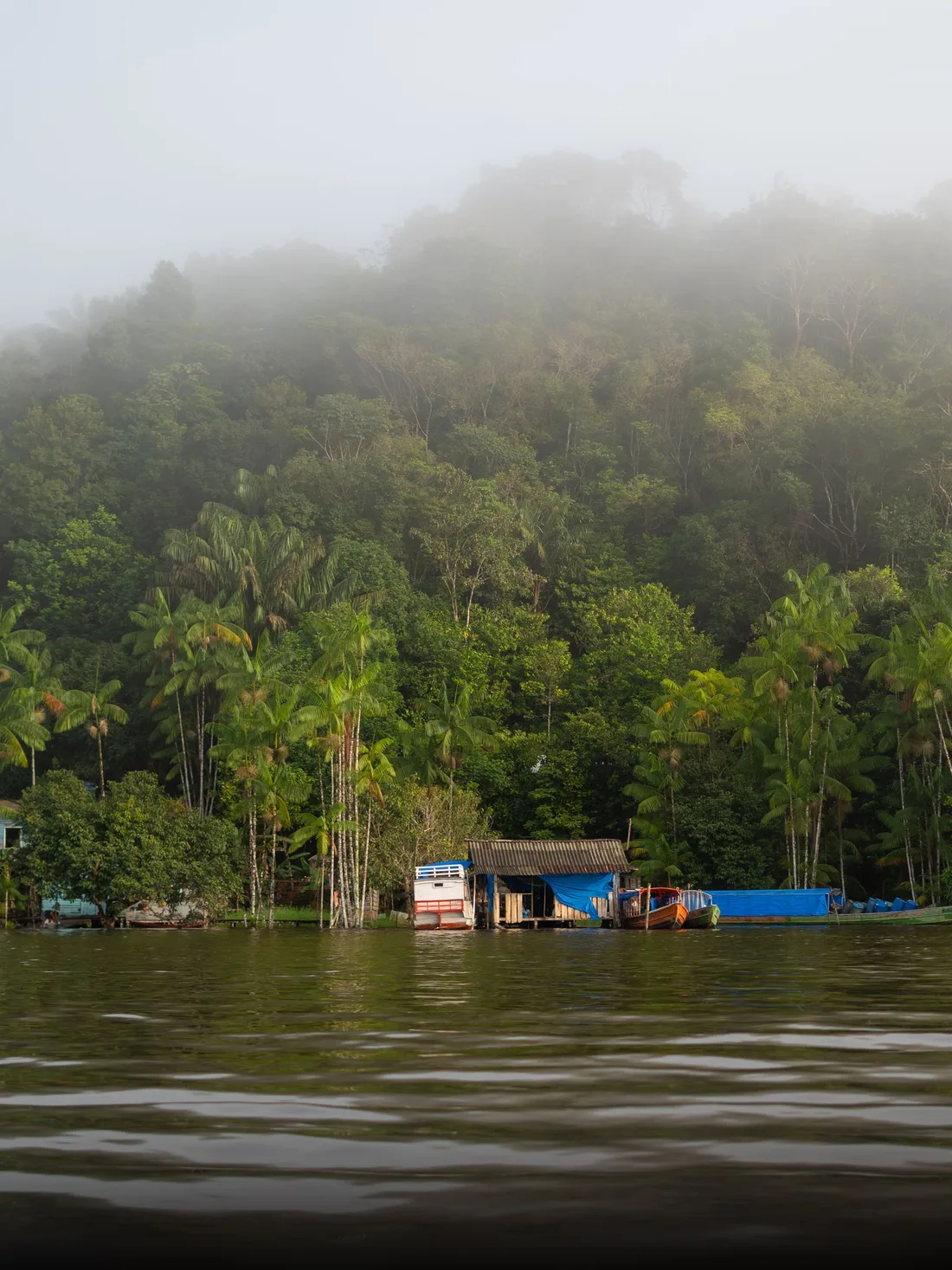
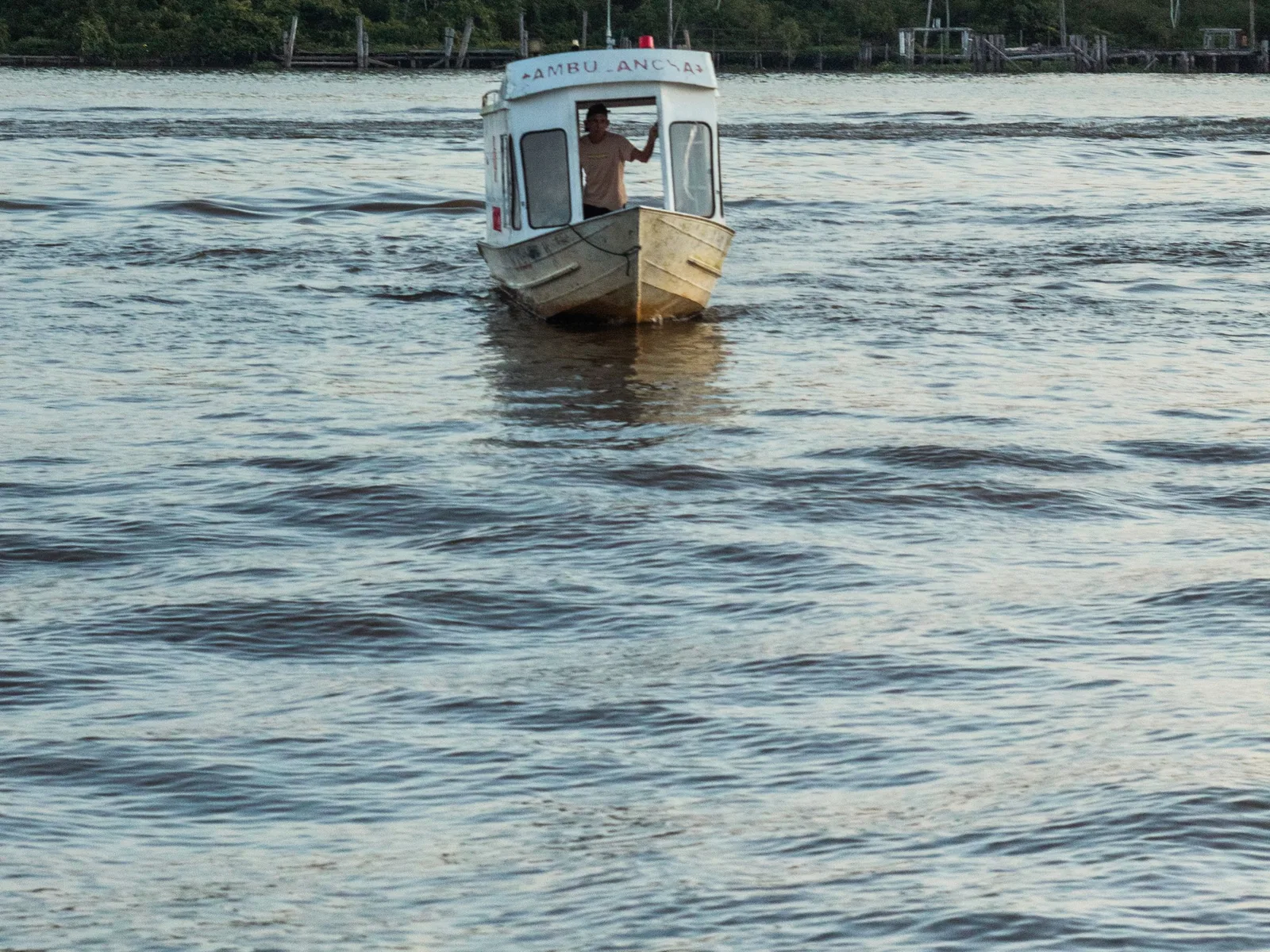
Along the Paraguai, life is arranged around water that rises and falls by metres each year. Families fish, read the flood, and move when it tells them to. You travel their river with them for three days, and their boats are still the only traffic on it.
II
Days 4 and 5
The Pantaneiros
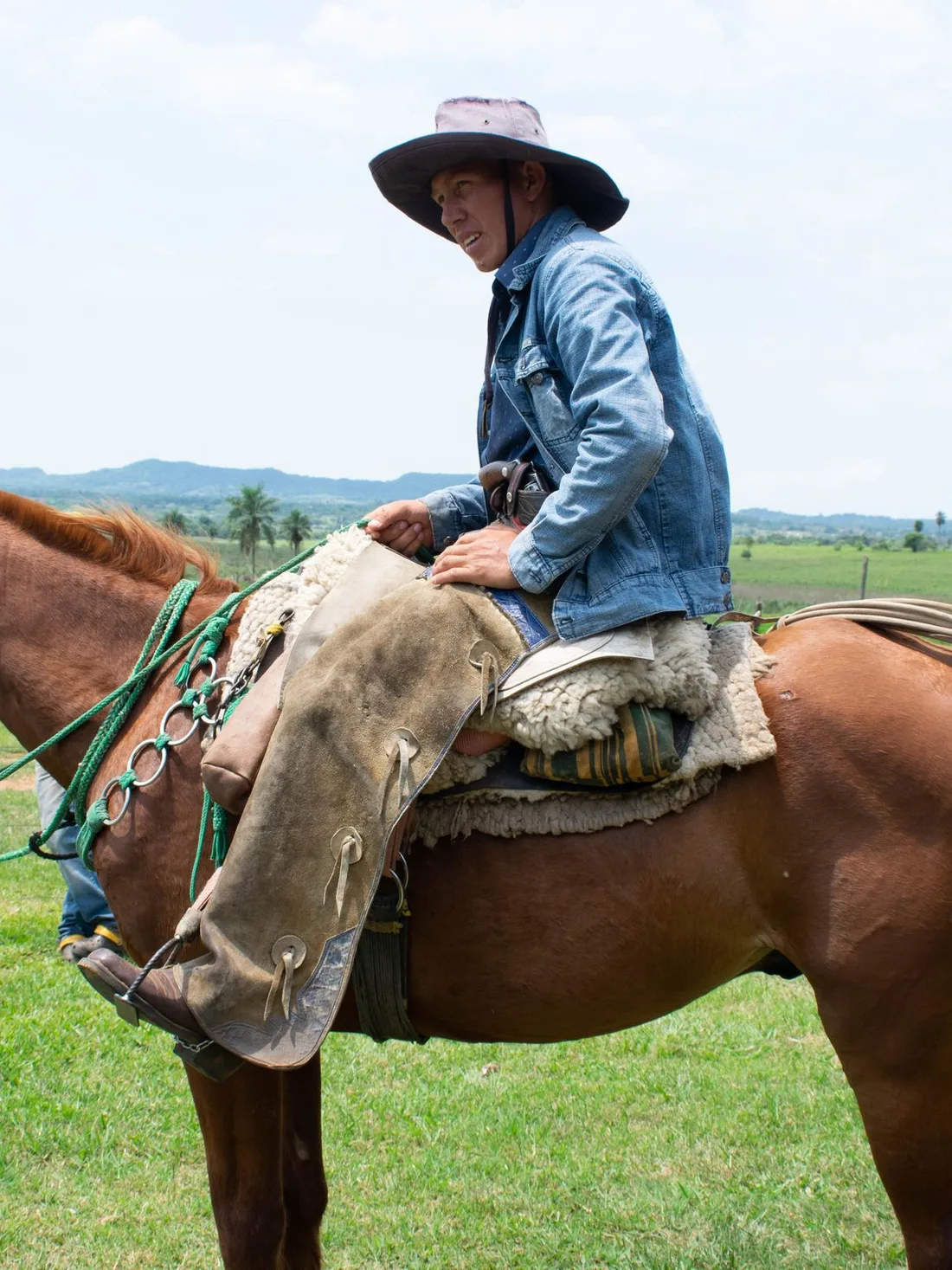
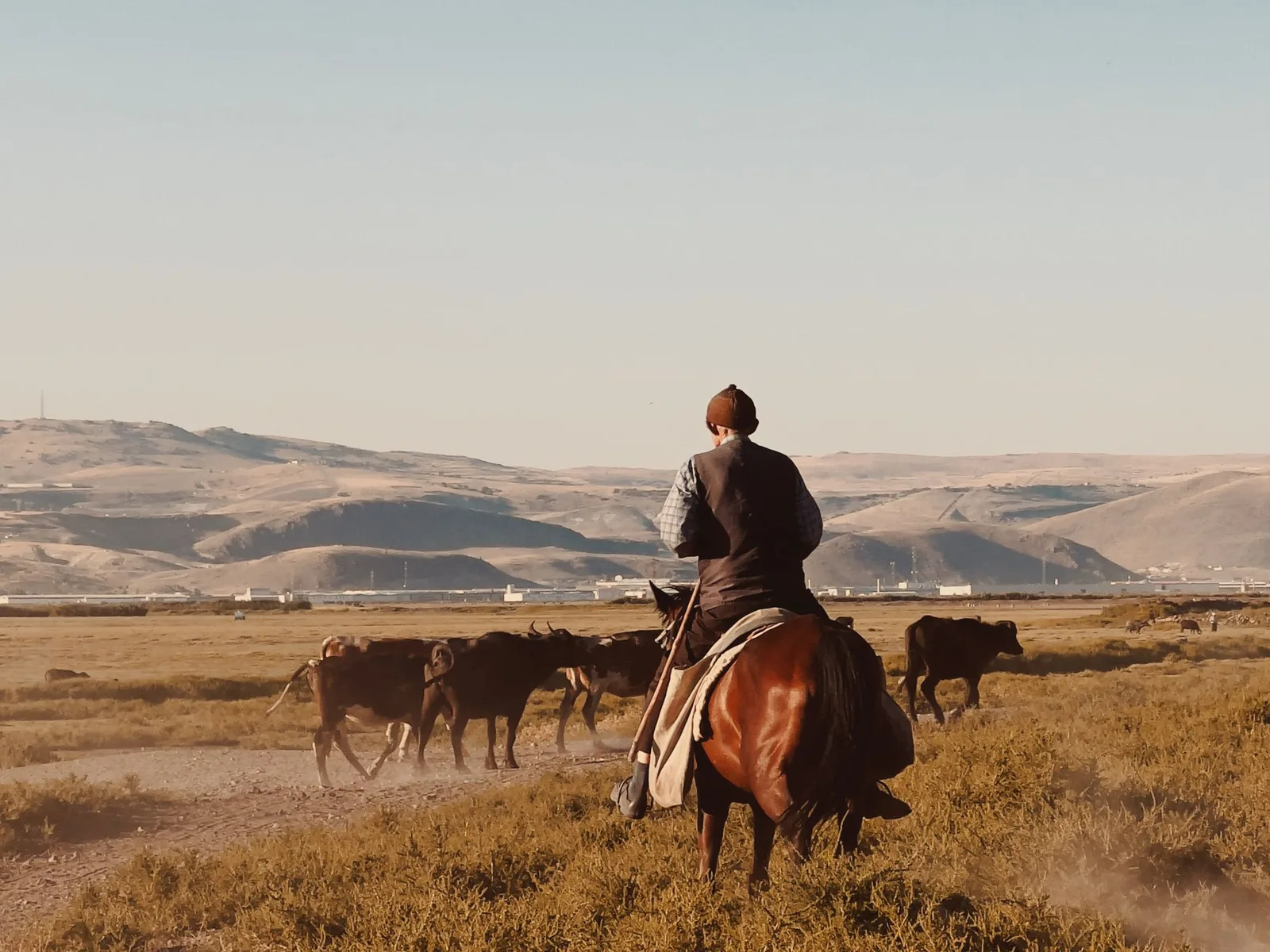
Brazil’s traditional cowboys work cattle across floodplain that is a lake for half the year and a dust bowl for the other half. You do not watch this from a fence. You ride out with them, take a hand in the day’s work, and eat what the ranch kitchen cooks.
III
Days 4 and 5
The Guirá frontier
The country that shaped them both. This far west the Chaco biome bleeds into the wetland, so the plants and animals are not quite the ones you meet elsewhere in the Pantanal, and a handful of the remote lakes look straight across at Bolivia.
Six days, and the trip turns inside out halfway
A sample rhythm, not a timetable. Every departure is private, and the days at the ranch in particular are yours to arrange over breakfast.
1Day 1 · Cáceres · On the water
The river town
Two hours west, and the country changes
We collect you in Cuiabá, at the airport or your hotel, and drive about three hours west to Cáceres, the historic river town on the banks of the Rio Paraguai. The road through Mato Grosso already hints at the wilderness ahead. You check into a simple, charming pousada, and if you still have energy we suggest a stroll along the old riverfront for a first taste of the region’s colonial past and easygoing river life.
Cáceres is the jumping-off point for everything that follows, and worth an evening in its own right. It is a working river town rather than a tourist one, which means the waterfront belongs to fishermen and the bars belong to whoever got there first. Enjoy the last cold drink you will order from a menu for a while.
Private transfer from Cuiabá
Historic riverfront
Easy first evening
Overnight · A simple, charming pousada in Cáceres
2Day 2 · Rio Paraguai · On the water
Downriver
The safari starts the moment you cast off
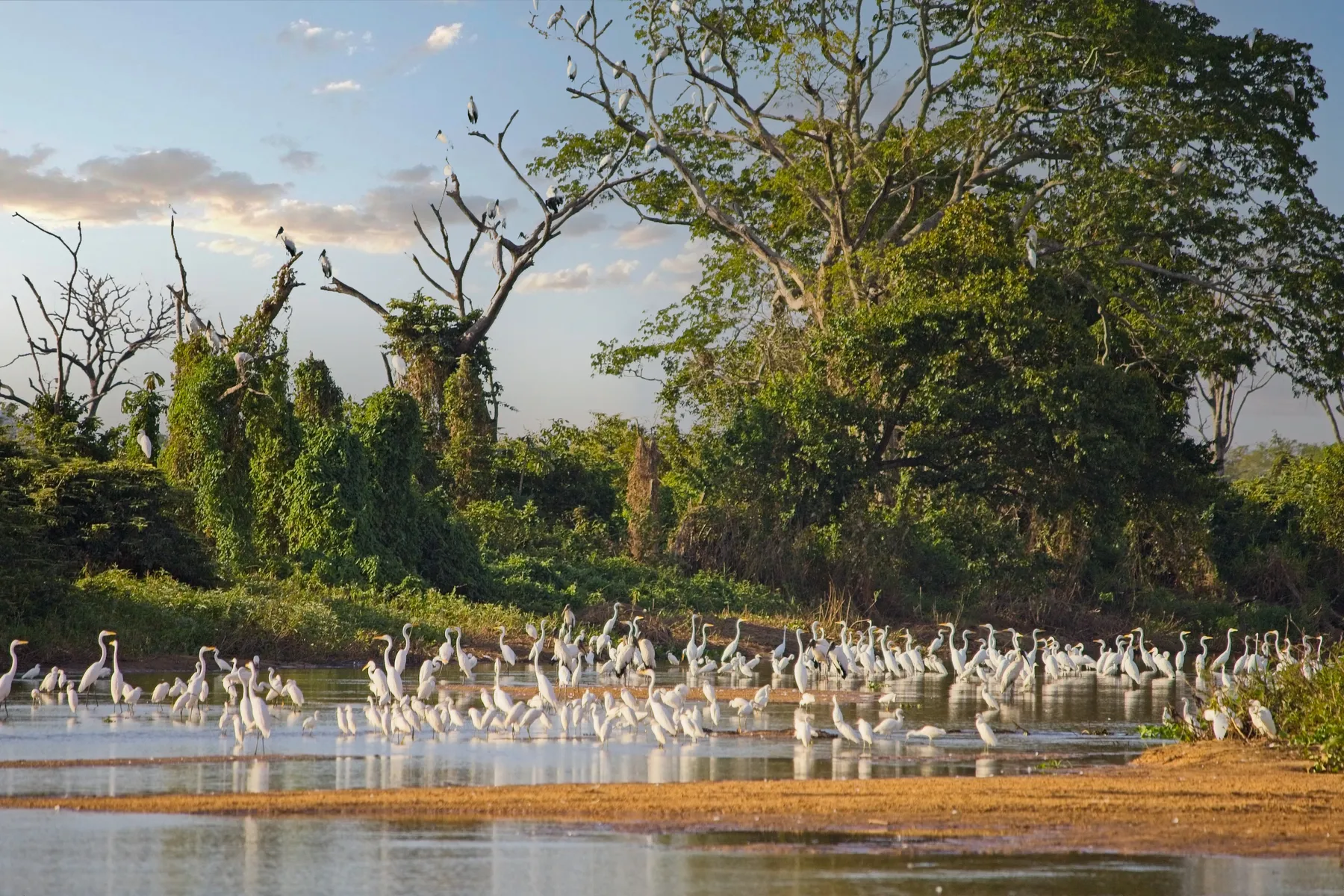
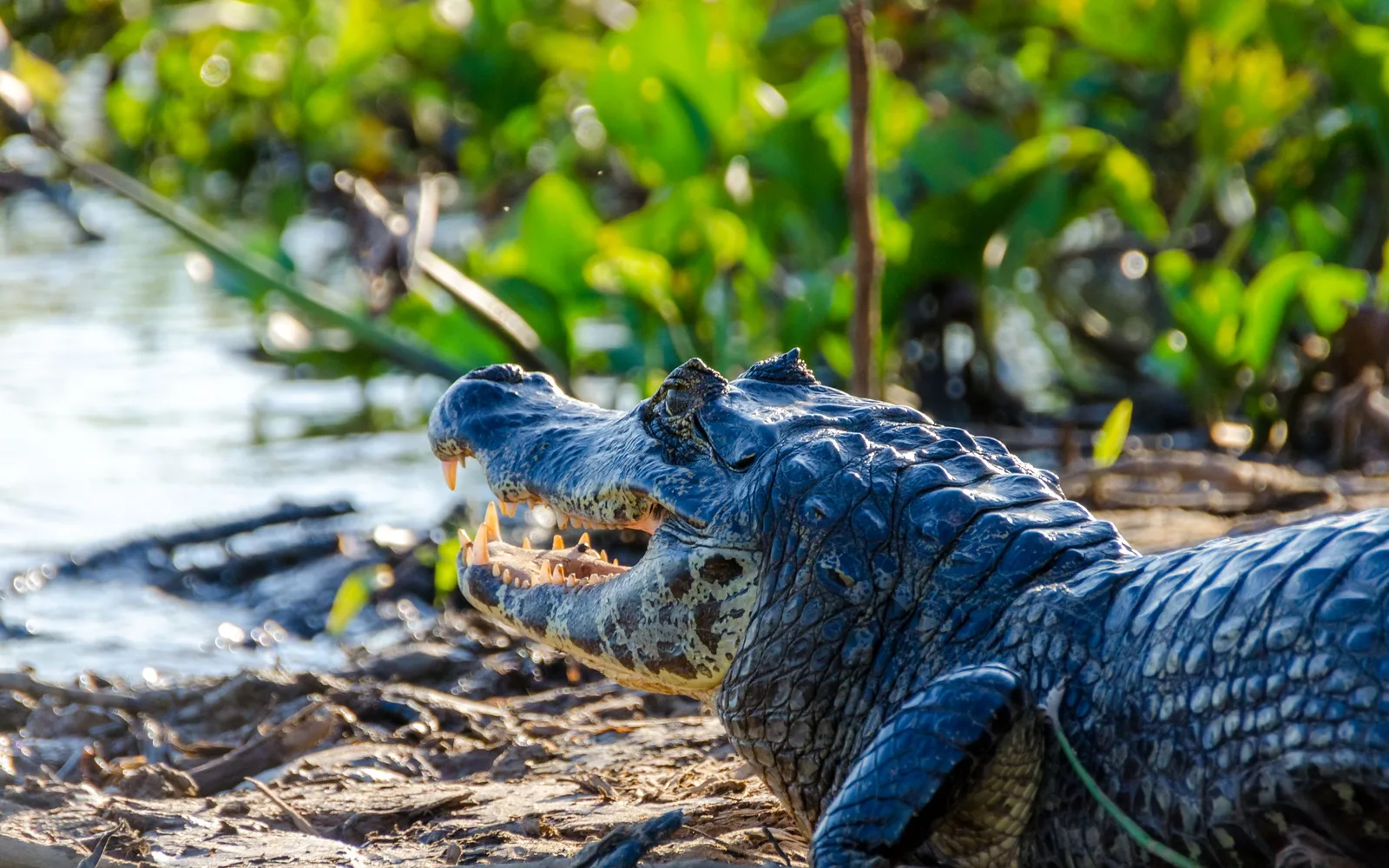
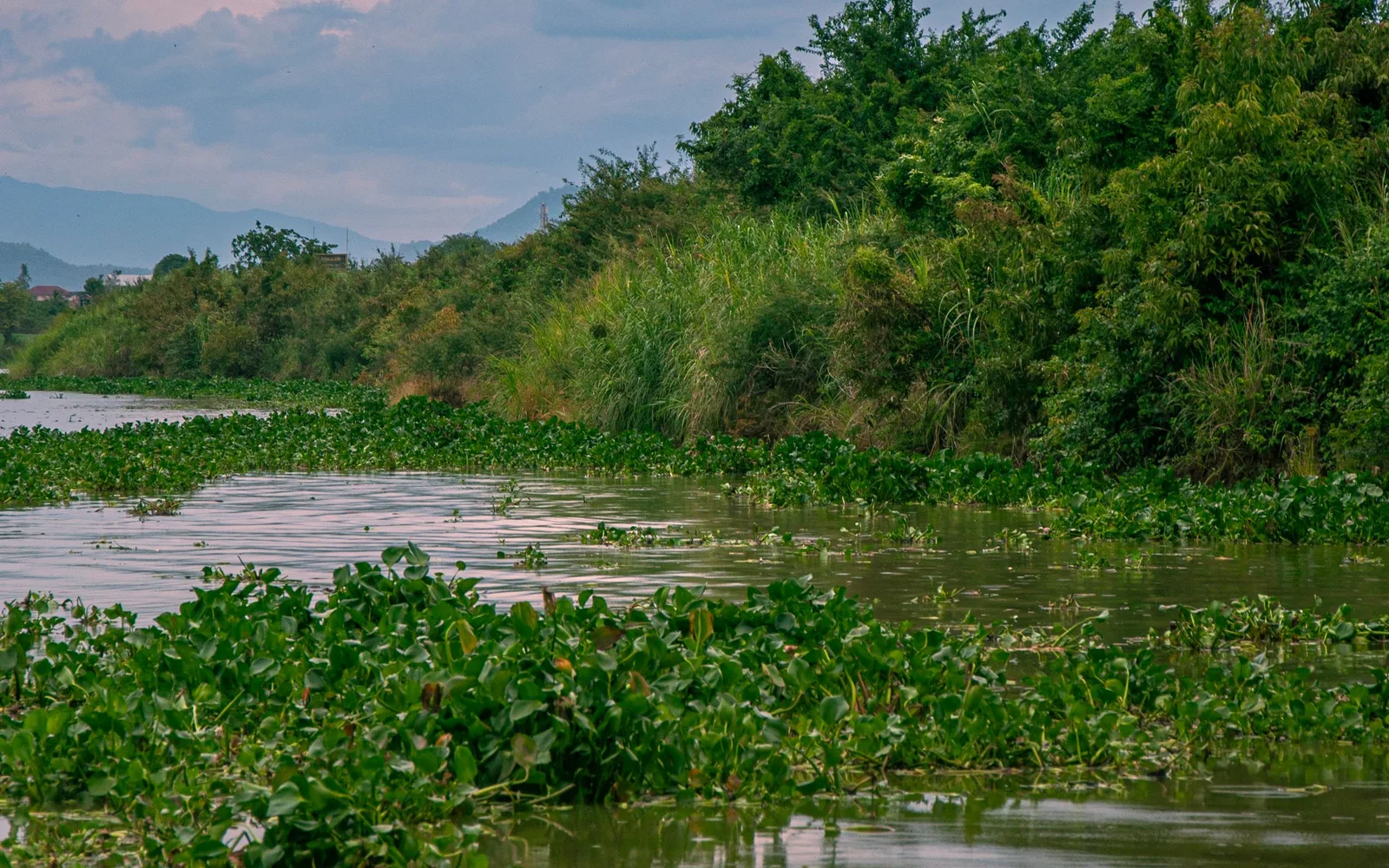
Early in the morning you board your private safari boat in Cáceres and travel downriver into the remote west. The safari begins at once: capybaras, herons, caimans, and with luck a first jaguar straight from the boat, while a colonial border marker and jungle-covered ruins slip past on the banks. After three or four hours you reach your base, a small comfortable lodge at the edge of the wilderness, or, for something truly special, a simple houseboat moored midriver with its own cook.
Lunch, then your first jaguar safari through the quiet side channels, and after dark a night safari, the spotlight catching the glowing eyes of caimans and perhaps a tapir or a night monkey. The night outing is the one people underestimate. Half the wetland only comes out after the heat goes, and a spotlight on still black water turns the riverbank into something entirely different from the place you travelled through that morning.
Private safari boat
First jaguar safari
Lodge or houseboat
Night safari by spotlight
Overnight · A small river lodge, or a houseboat moored midriver
Meals · Breakfast, lunch, dinner
3Day 3 · Taiamã · On the water
Jaguar day
A whole day in the strictest reserve in the wetland
The whole day is spent on a boat safari through the Taiamã Ecological Reserve, one of the most strictly protected areas in the Pantanal and among the very best places on Earth to watch wild jaguars. Lunch travels with you, because you will be far from anything but water and forest. Giant otters, capybaras, toucans and a dazzle of birdlife round out the day.
In the late afternoon there is time to rest, or to try the local craft of piranha fishing, before you head back onto the water for one of the region’s great gifts, a Pantanal sunset over the mirrored river. This is the last night on the water, and worth staying up for. Tomorrow the trip turns inside out and everything you have got used to, the boat, the channels, the sound of water against a hull, is replaced by dust and horses.
Full day in Taiamã
Giant otters
Piranha fishing
Pantanal sunset
Overnight · A second night at the river lodge or houseboat
Meals · Breakfast, light lunch, dinner
4·5Days 4 & 5 · Parque do Guirá · In the saddle
Ranch life
You leave the water for the least explored corner of the Pantanal
You leave the water for a remote cattle ranch beside the Parque do Guirá, one of the wildest and least developed protected areas in Brazil. From the river you ride an hour further downstream to a historic landing, where a 4x4 waits for a scenic drive of about two and a half hours through untouched country, with wildlife along the way. At the ranch you live the real life of the Pantaneiros, Brazil’s traditional cowboys, in simple comfortable rooms with homemade regional food.
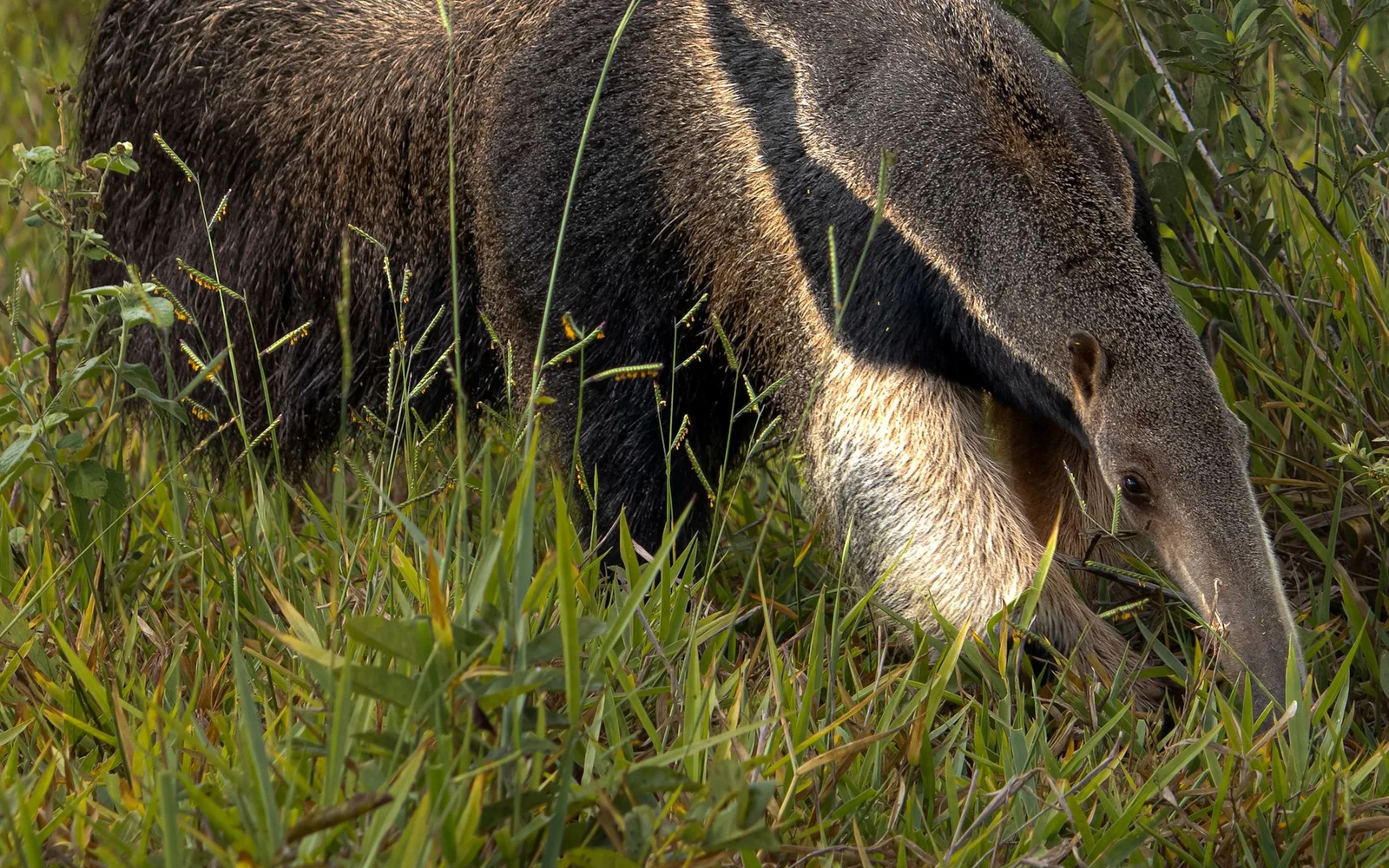
Over two days you choose your own rhythm: horseback rides across open savanna, a hand in the daily work of the ranch, dawn birdwatching, and 4x4 safaris into the Guirá itself, where the Chaco influence brings giant anteaters, more armadillos than anywhere else in the Pantanal, rheas, tapirs and even jaguars, and where some of the remote lakes look straight across to Bolivia.
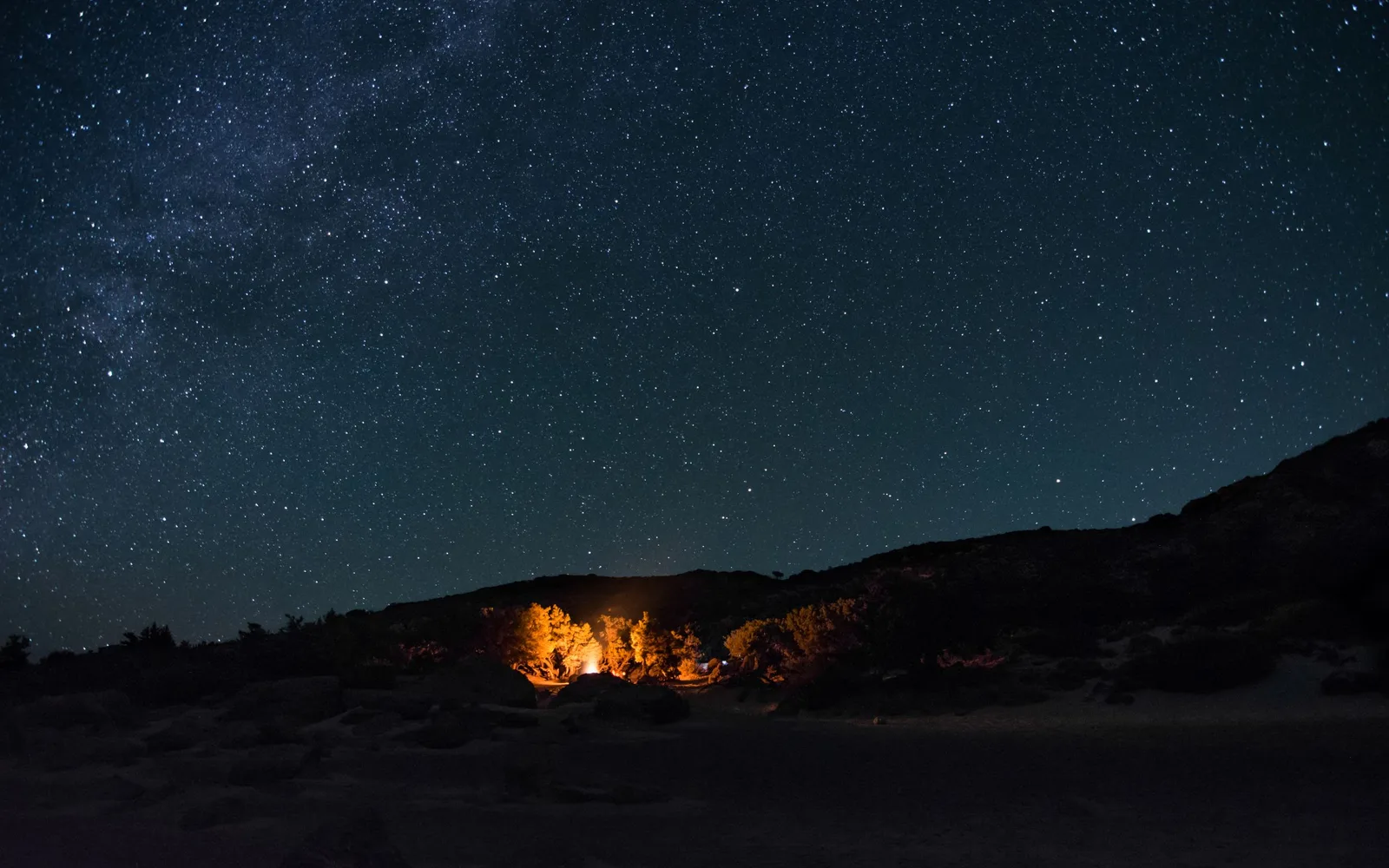
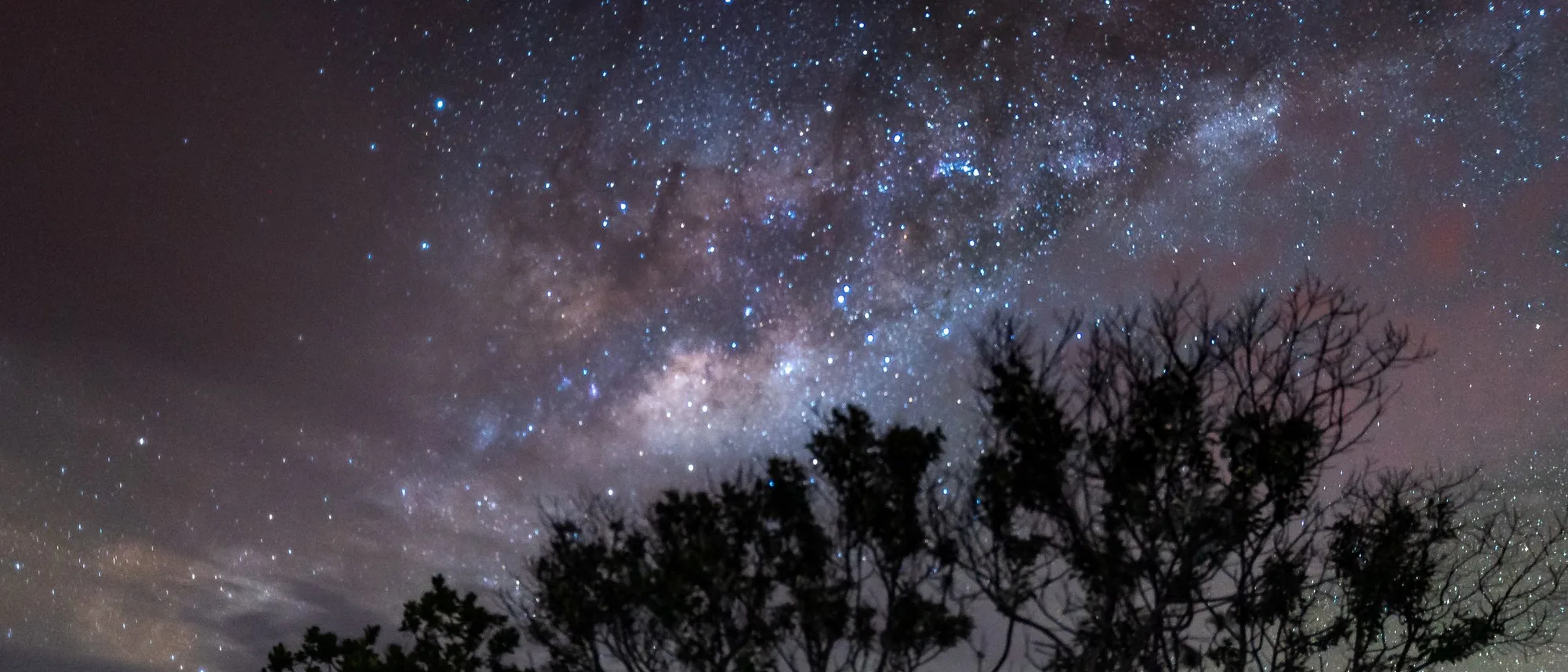
Two days is exactly the right amount of time to stop being a guest and start being useful, which is the point of coming here rather than to a lodge. There is no schedule pinned to a wall. You say at breakfast what you feel like doing, someone saddles the horses or fuels the jeep, and the day arranges itself around the animals and the heat. Evenings end at the campfire under an enormous sky.
Parque do Guirá
Horseback across savanna
4x4 Chaco safaris
Dawn birdwatching
Campfire nights
Overnight · Two nights in a private room on a working cattle ranch
Meals · Breakfast, lunch, dinner daily
6Day 6 · Cáceres and Cuiabá · In the saddle
The long drive out
Still in safari mode all the way to the airport
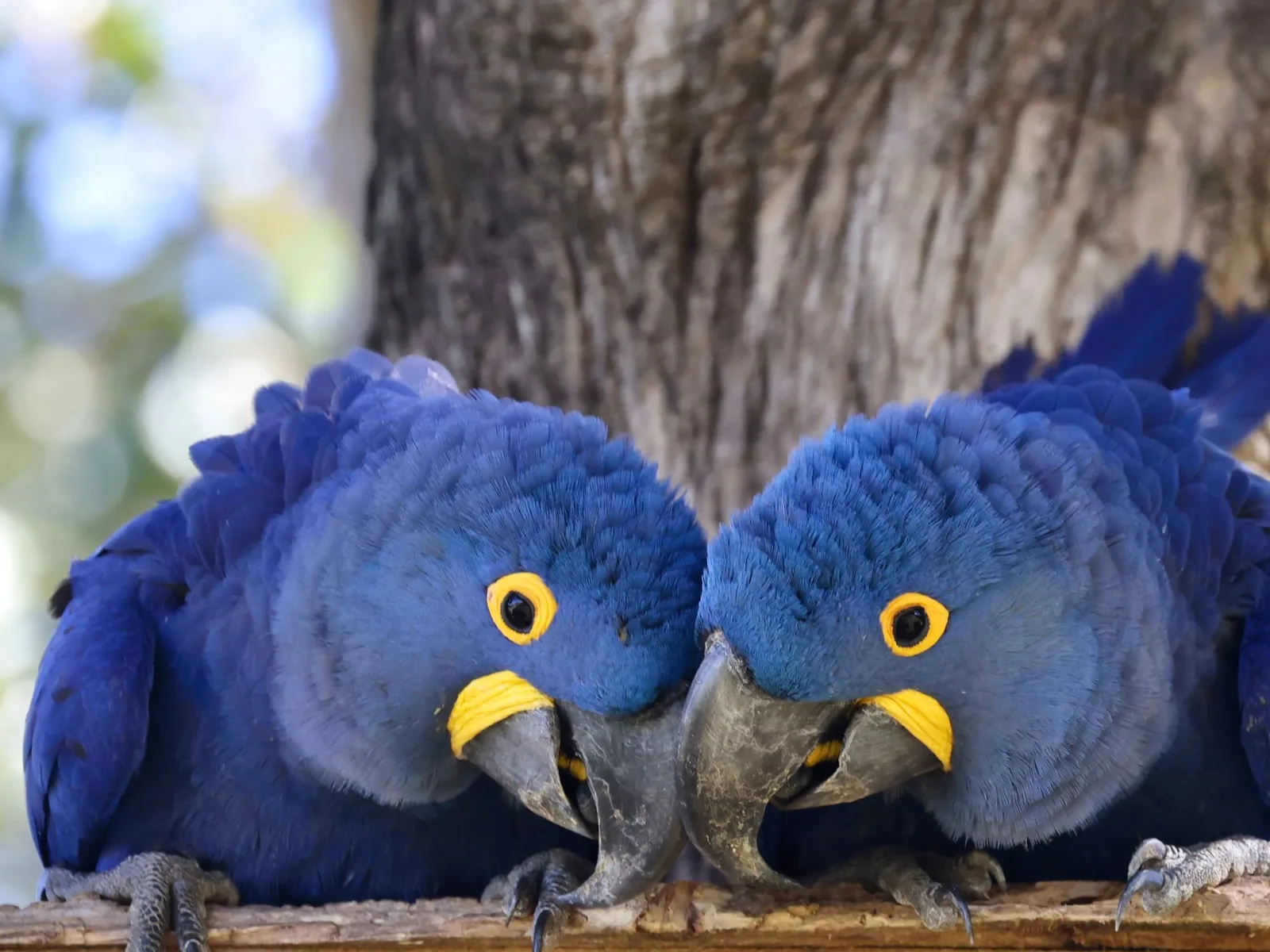
After a last breakfast with the Pantaneiros it is time to say goodbye. You climb into the jeep for a scenic drive of three to four hours back toward Cáceres, stopping whenever something appears, perhaps a final anteater, a toco toucan, or a flock of brilliant hyacinth macaws.
In Cáceres your private transfer is waiting to bring you back to Cuiabá, where your journey ends, or where a new chapter of your Brazil begins. If you would like to linger, the area around Cáceres holds more worthwhile excursions, and we are glad to advise you.
Wildlife drive out
Hyacinth macaws
Private transfer to Cuiabá
Meals · Breakfast
Quem vive por aqui
Who lives out here
The Chaco frontier gives the far west a cast list the rest of the Pantanal does not quite have. Nothing is guaranteed, and that is what makes it worth the drive.
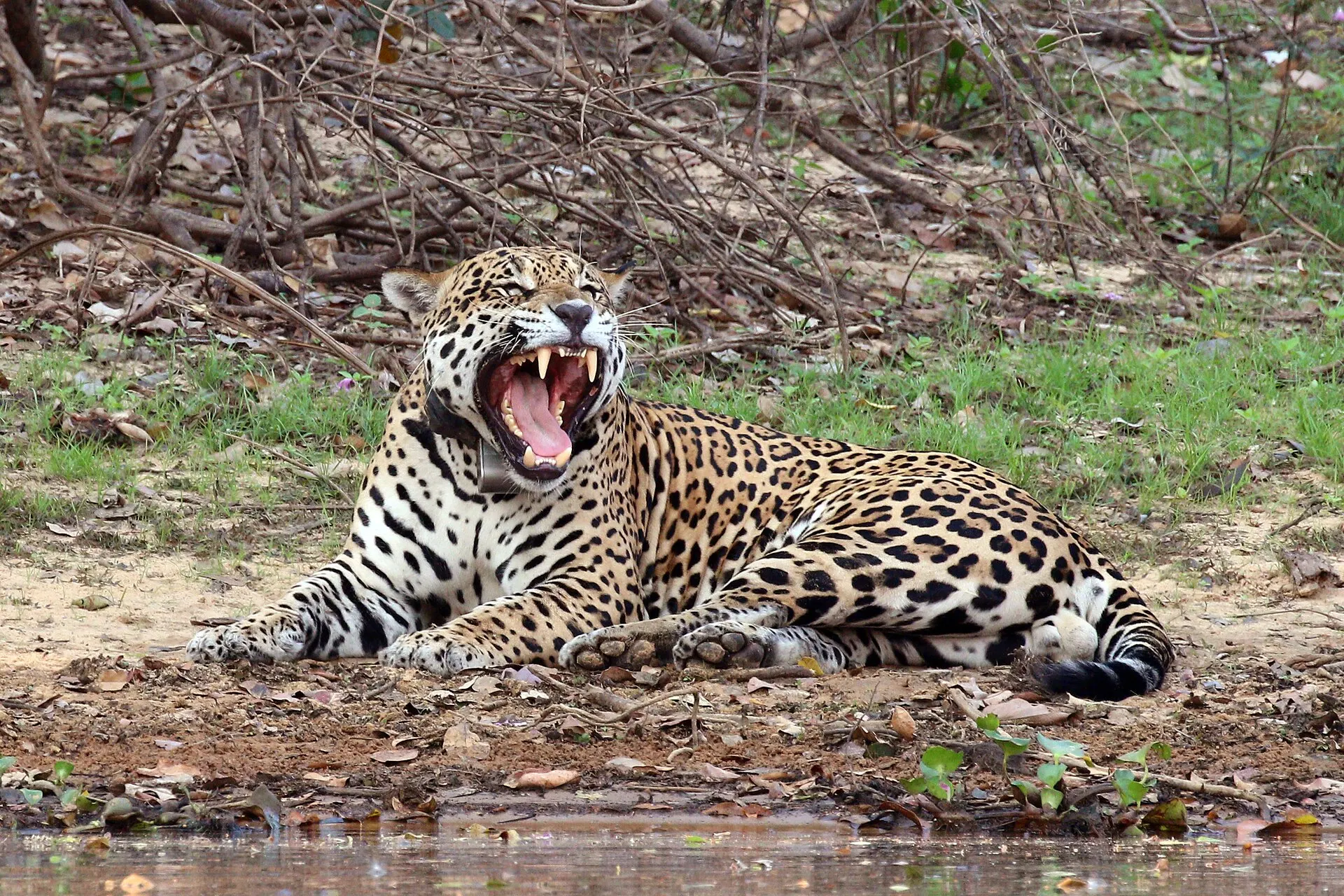
Onça-pintada
Jaguar
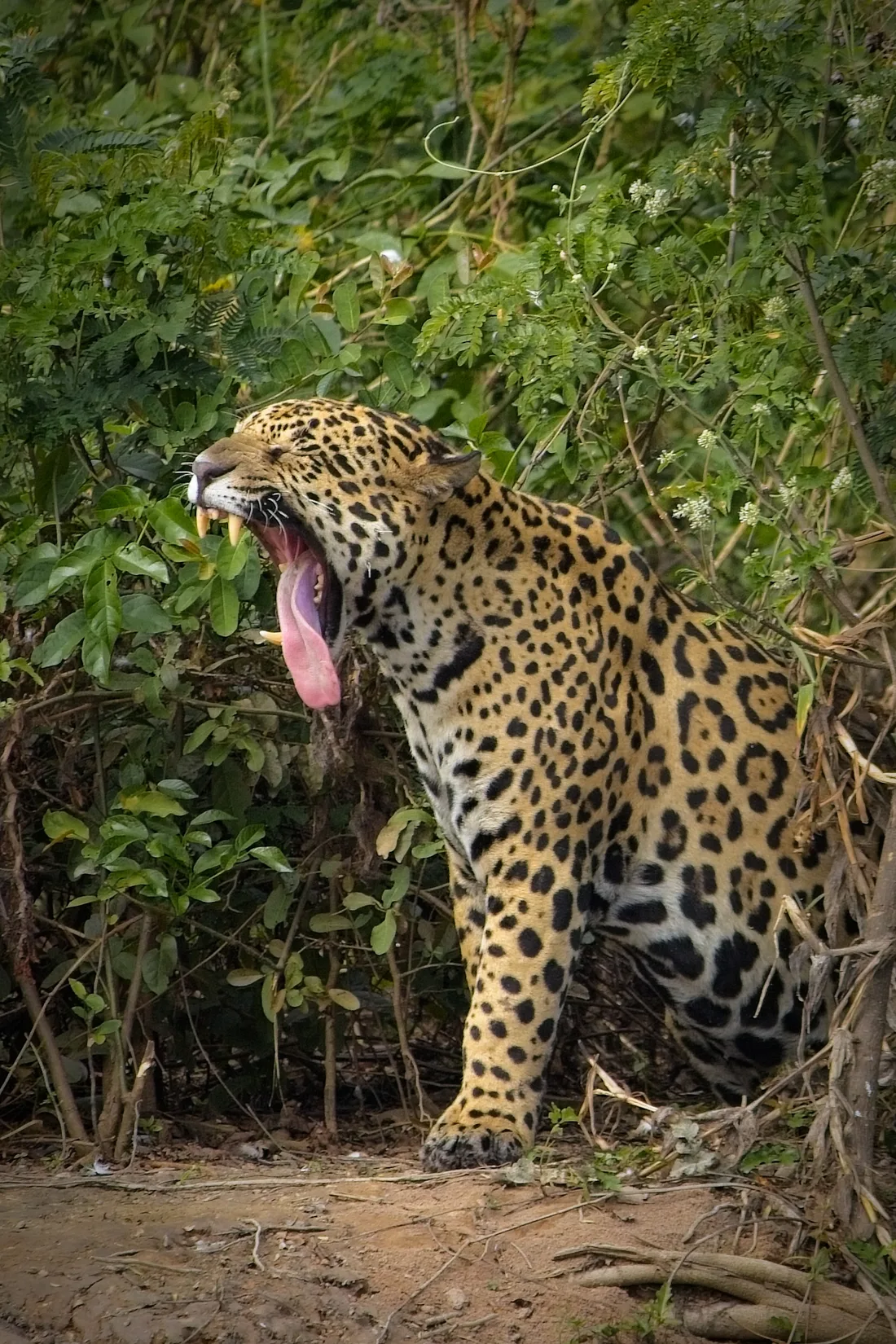
The largest cat in the Americas, and the reason most people come. Taiamã is one of the best places on Earth to watch one, and the Guirá holds them too, out where nobody is looking.
Ariranha
Giant otter
Up to nearly two metres of extremely loud, extremely social predator. Families work the channels together and announce themselves long before you see them.
Tamanduá-bandeira
Giant anteater
The signature animal of the dry plains and a genuinely strange sight in the open: enormous tail, no teeth, and an indifference to jeeps that borders on rude.
Tatus
Armadillos
The Guirá holds more of them than anywhere else in the Pantanal, a quirk of its Chaco frontier position. Best odds are on the night drives.
Ema
Greater rhea
South America’s largest bird, flightless, fast, and often crossing open savanna in a line with a train of chicks behind.
Anta
Lowland tapir
The biggest land mammal on the continent and a shy one. Night safaris and dawn waterholes are where your chances are.
Arara-azul
Hyacinth macaw
The largest flying parrot in the world, cobalt blue, and loud enough that you hear the pair before the guide points. A departure-day favourite.
Tuiuiú
Jabiru stork
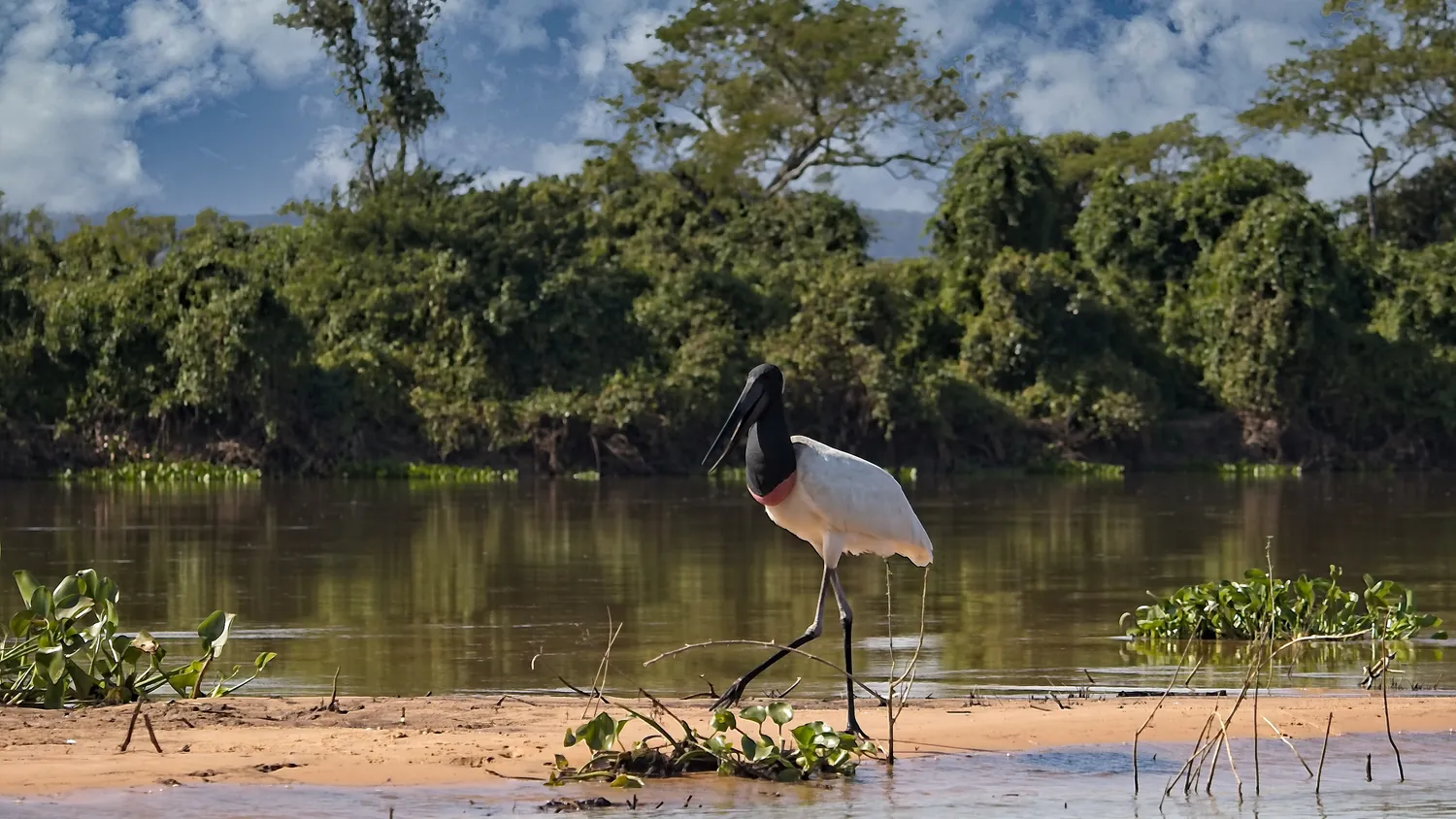
The emblem of the Pantanal, standing close to your own height on a sandbank as though it owns it, which functionally it does.
Capivara
Capybara
The world’s largest rodent, present in absurd numbers, permanently unbothered, and the main item on the jaguar’s menu.
What travels with you
A private guide who speaks English
Your own guide accompanies you throughout, from and to Cáceres, with expert local knowledge, personal attention and a steady hand on safety during every activity.
All private transfers
Pickup and drop-off in Cuiabá, the boat transfer along the Rio Paraguai and the 4x4 ground transfer out to the remote ranch. Every leg is yours alone.
Boat safaris on the river and in Taiamã
Safaris on the Rio Paraguai and through the Taiamã reserve, one of the finest places anywhere to see wild jaguars, giant otters, capybaras, caimans and birds.
Night safaris by boat and jeep
Spotlit outings after dark to look for the wetland’s nocturnal life, with chances of tapirs, night monkeys, caimans and, now and then, a jaguar on the move.
Ranch life with the Pantaneiros
Horseback rides and 4x4 safaris in the Parque do Guirá, a hand in daily cowboy work, and campfire evenings under the open sky on a working cattle ranch.
Five nights and meals as listed
Authentic overnights in a pousada, a river lodge or houseboat and the ranch, with the meals shown in the itinerary, honest regional cooking throughout.
Not included: flights, drinks beyond those at meals, and personal extras. No hidden lines, ever.
Honest answers first
What makes the Parque do Guirá so special? +
It is widely regarded as the least explored and least visited region in the whole Pantanal. Sitting on the far western frontier, it already carries the influence of the Chaco biome, so its plants and animals differ from the classic Pantanal. It holds more armadillos than anywhere else in the wetland, and some of its remote lakes lie right on the Bolivian border. Almost no other traveler reaches it.
What are the chances of actually seeing a jaguar? +
Better here than anywhere else on Earth, and we are still not going to give you a number. What we can tell you is what moves the odds. The dry season from June to October, when falling water pushes the cats to the riverbanks. Hours on the water rather than one afternoon outing. And the Taiamã reserve, which is strictly protected and stays quiet. Anyone who quotes you a success rate is quoting marketing.
What does a Pantanal safari like this cost? +
It genuinely depends, so we publish no starting price. The chartered boat on the Rio Paraguai, the distance out to the Guirá, the season and how many of you share the boat and the guide each move the figure more than a headline number could carry. Flights, international and domestic, are never part of it. Your written proposal gives the exact total before anything is confirmed.
How comfortable are the accommodations? +
Honest and authentic rather than luxurious. You stay in a simple charming pousada, then a small lodge or a houseboat on the river, then private rooms on a working cattle ranch. Everything is clean and welcoming, but the point of this trip is the wildlife and the way of life, not thread counts. If you would like more comfort where it exists, tell us and we will adjust.
Is there a luxury version of this safari? +
Not out here. The western Pantanal is working country, and a simple pousada, a river lodge or houseboat and a cattle ranch is the honest ceiling this far out. If comfort ranks above remoteness for you, say so before we plan anything, and we will propose the better known Porto Jofre side of the northern Pantanal instead, where the lodges are built for visitors and the jaguar odds are the best anywhere, along with the boat traffic that now comes with that in the peak months.
Why here and not Porto Jofre? +
Porto Jofre probably gives you the best jaguar odds anywhere on Earth, and we would rather say that plainly than talk you out of it. What has changed is the company. In the peak months the boats concentrate on the same few stretches of river, and a sighting there can mean a queue of them around one cat. Out here the odds are still excellent and you are usually alone with the animal. Porto Jofre is also about six hours by road from Cuiabá, against about three to Cáceres and the boat from here. If the highest possible probability matters to you more than the setting, tell us and we will book it without arguing.
Do I need to be able to ride a horse? +
No. The horses are Pantaneiro working stock, small, calm and entirely used to beginners, and the riding is at a walk across flat open country rather than anything technical. If you have never sat on a horse you will be fine, and if you would rather not ride at all the same ground is covered by 4x4 and on foot. Nothing on the ranch is compulsory, which is rather the point of a two-day stay with no fixed schedule.
When is the best time to travel? +
The dry season, roughly June to October, is the classic window. Falling water levels concentrate the wildlife along the rivers and open up the plains of the Guirá for horseback and jeep safaris, and jaguar sightings are at their best. We will advise you honestly for your chosen dates.
How does this compare with the expedition cruise? +
They solve different appetites. The cruise is eight days entirely on the water, crossing the whole wetland by ship from Cáceres to Porto Jofre, and it is the stronger choice if jaguars are the single reason you are coming. This trip trades some of that water time for the land half: the saddle, the Chaco wildlife of the Guirá, and two days living the ranch routine. If you want the wetland’s people and plains as well as its cats, this is the one.
Can we add more days or extend the trip? +
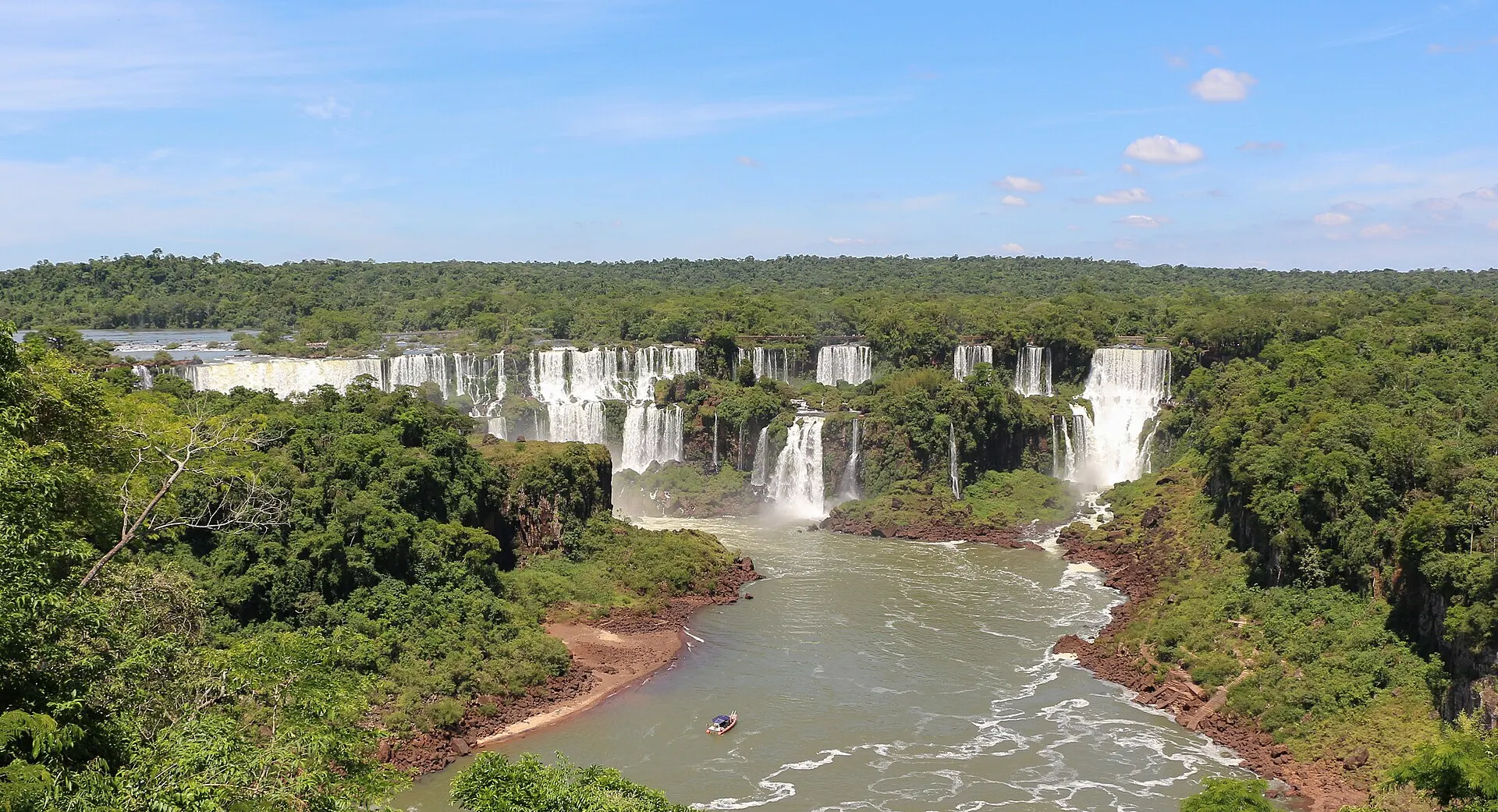
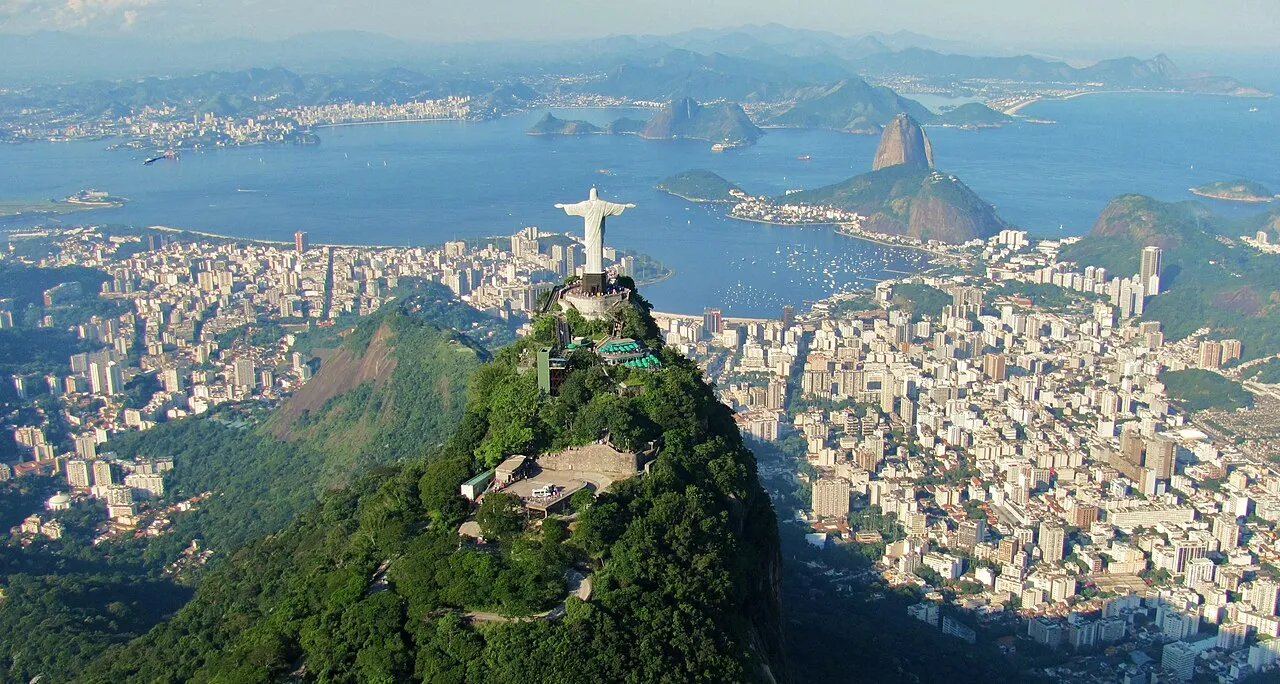
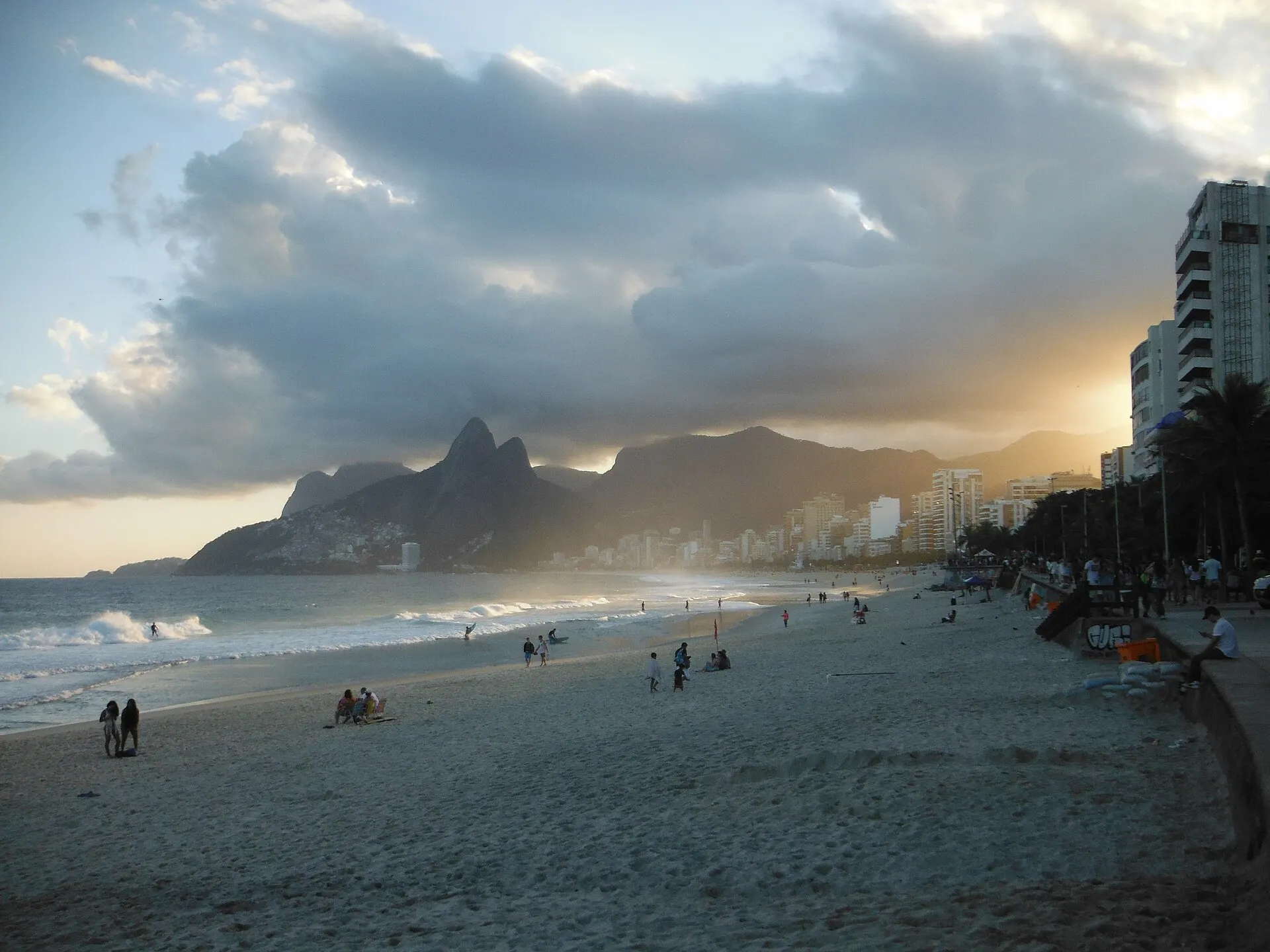
Yes, gladly. Time flies on the ranch, and many guests add a day there for more riding and wildlife. You can also begin with our Springs of the Pantanal module from Cuiabá, through the Serra das Araras with its waterfalls and crystal rivers, or continue afterward to Iguaçu, Rio or the Amazon. Every trip we plan is private and built to fit.
Who is this safari right for, and who is it not for? +
It is right for travellers who have seen the standard Pantanal already, or who want straight away the version with almost nobody else in it: boat safaris in the strictly protected Taiamã reserve, then the saddle and a jeep in the Parque do Guirá. It is not right for a first trip to Brazil with few days to spare, because getting out there costs travel time, and not for guests unwilling to ride or to spend long hours on a boat in full sun.
What remains
Imensidão
Ask anyone who has been out here what they remember and almost nobody starts with the jaguar. They start with the size of it: a horizon with nothing on it in any direction, a sky that takes up more of the view than the land does, and a silence that has no edges. Portuguese calls it imensidão, and there is no tidy English word for it.
Six days, two ways of living, one corner of the Pantanal that maps still barely describe. Tell us your dates and we will build this route around your pace. Many travelers add an extra day at the ranch for more time in the saddle and the silence of the Guirá.
My wife and I have always been thrilled by Brazil, but we had never dared to organise the trip ourselves. Authentic Brazil Travel planned the whole journey for us, including some destinations we did not know. The trip was superbly organised, the guides were great, the accommodations lovely and the transfers punctual. Thanks to the wonderful guides and their tips we felt safe the entire time and got to discover a lot of new things. Gladly again!
I had an excellent experience with Authentic Brazil Travel. They coordinated my trip across several cities in Brazil, including Salvador, Foz do Iguaçu, Rio de Janeiro, and Florianópolis, and everything was handled professionally and smoothly. … I would definitely recommend this agency to anyone looking for reliable and professional assistance when planning travel within Brazil. Great service from beginning to end!
Me and my family had a great experience. Communication was hassle free and they always cared for our needs and safety.
With your permission, we use Google Analytics to understand helpful pages and the OpenAI Ads pixel to measure whether an ad leads to an inquiry. Nothing loads before you decide. You can change your choice at any time under Cookie settings in the footer.