
The email usually arrives with an apology folded into it. Somebody wants the Pantanal in September, has read every operator page they can find, and then adds, almost as a footnote, that they will be travelling on their own. As though that were a complication they were sorry to introduce.
It is not a complication. It is a set of costs and a set of logistics, and both of them can be written down, which is what nobody writing about solo travel in Brazil seems to do. The search results will tell you at length whether the country is dangerous. They will not tell you what a single room does to your invoice, or whether a trip runs when there is one of you.
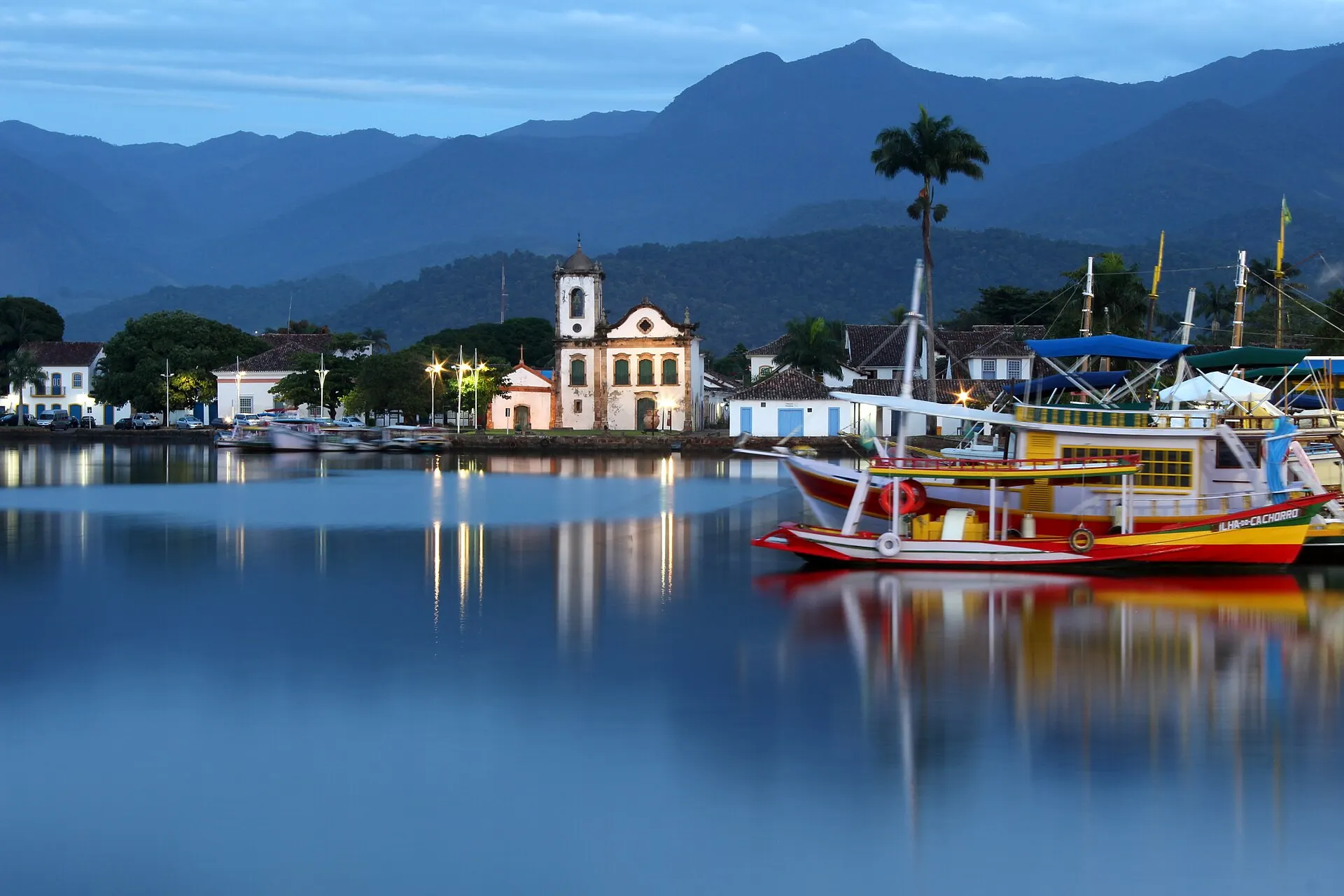
Quick answer: Yes, you can travel Brazil alone. The real obstacles are money and logistics rather than danger: hotels and lodges charge a single supplement of roughly 20 to 50 percent depending on the property and the season, and a private guide for one person costs the same as a private guide for two. Nothing we plan carries a minimum group size, so no trip is cancelled because a fourth booking never came. The easiest places to be alone are the walkable ones, Paraty, Ilha Grande and the old centre of Salvador. The Pantanal and the Amazon work alone too, and cost the most.
Can you travel Brazil alone?
Yes, and the honest constraints are practical rather than dramatic. Distance, cost per person and a language most visitors do not speak are what shape a solo trip here, in that order.
Brazil is the size of a continent, and that changes what independent travel feels like. What you would do on a whim in Portugal, deciding at breakfast to be somewhere else by evening, here usually means a domestic flight booked days earlier and an airport at the far end of a two-hour transfer. Our whole guide to getting around Brazil is really one argument: the country rewards deciding early and punishes improvising, whether you are one person or six.
The language is the second thing. English is far less widely spoken than first-time visitors expect once you leave the hotel desk, and Spanish helps less than people hope. That is not a warning. It is the reason a solo day here goes differently from a solo day in Lisbon.
Will a trip actually run if you are the only traveller?
Yes. We plan privately, so there is no group to fill, no minimum number of travellers, and nothing gets cancelled three weeks out because a fourth booking never arrived.
That fear is not irrational, and it does not come from nowhere. It comes from published group departures, where a fixed date needs a minimum number of bookings to go ahead, and where the cancellation tends to land after your international ticket has stopped being changeable. If you have been burned by that once, you never quite stop checking for it.
There is a flip side we should name, because it is the honest version. A private trip for one person is not the cheapest way to see Brazil, and it never will be. What it removes is the dependency on other people booking the same dates as you.
What does travelling Brazil alone actually cost?
More per person than the same trip for two, and the gap has two named parts. The single supplement charged by hotels and lodges runs roughly 20 to 50 percent, and the guide costs the same for one traveller as for two.
The second half of that is the part people do not see coming. A private guide's day, a boat on the Rio Negro, a vehicle on a transfer day: those are priced per day, per boat and per vehicle, not per head. So the solo premium is biggest exactly where the trip is most private, which is an uncomfortable thing for us to write and true anyway. For the wider picture on daily budgets, US$200 to US$400 per person per day is the planning range we use, and our post on what a trip to Brazil costs breaks it down.
The single supplement is the least popular sentence in this business, and the reason it is unpopular is that most people meet it at the end. Ours goes in the middle of your proposal, itemised, where it can still change your mind.
Which parts of Brazil are easiest to travel alone?
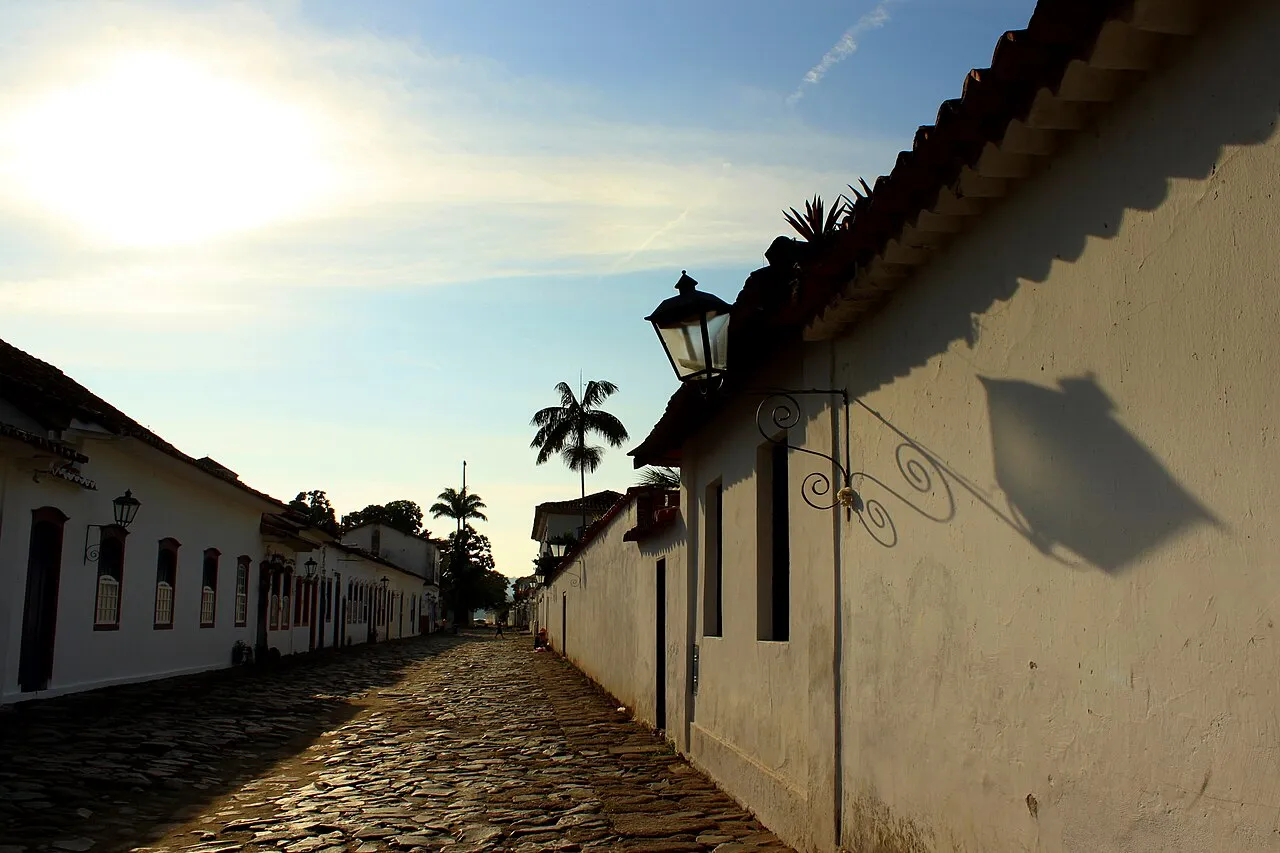
The walkable ones. Paraty, Ilha Grande and the old centre of Salvador put your whole day within a few streets of your bed, which removes most of what actually goes wrong alone.
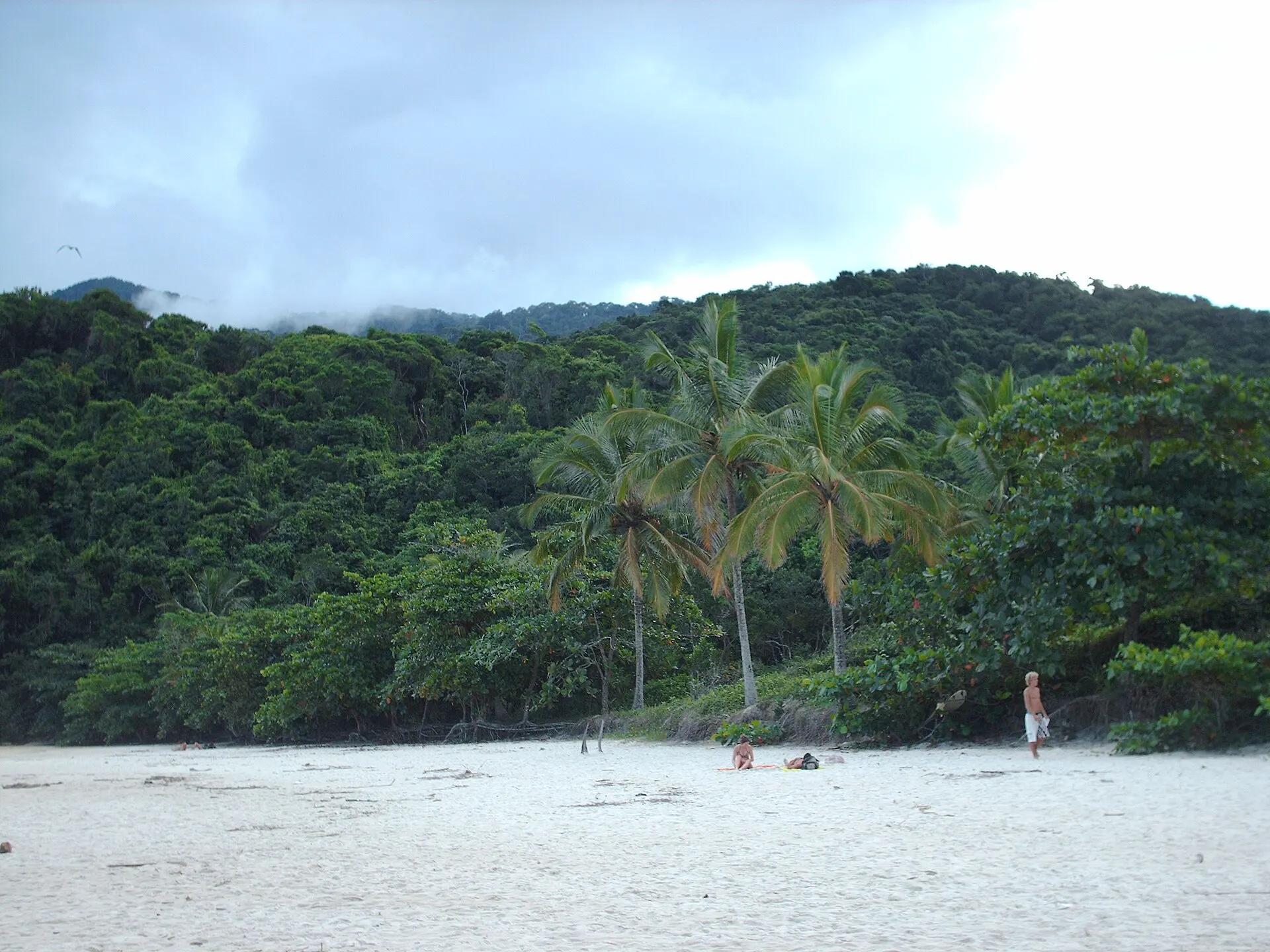
That is the real variable, and it has nothing to do with how famous a place is. In a small town you walk to dinner, you walk back, and the decisions you would otherwise be making about transport at 22:00 in a language you do not speak simply do not arise. On Ilha Grande there are no cars at all, so the question answers itself.
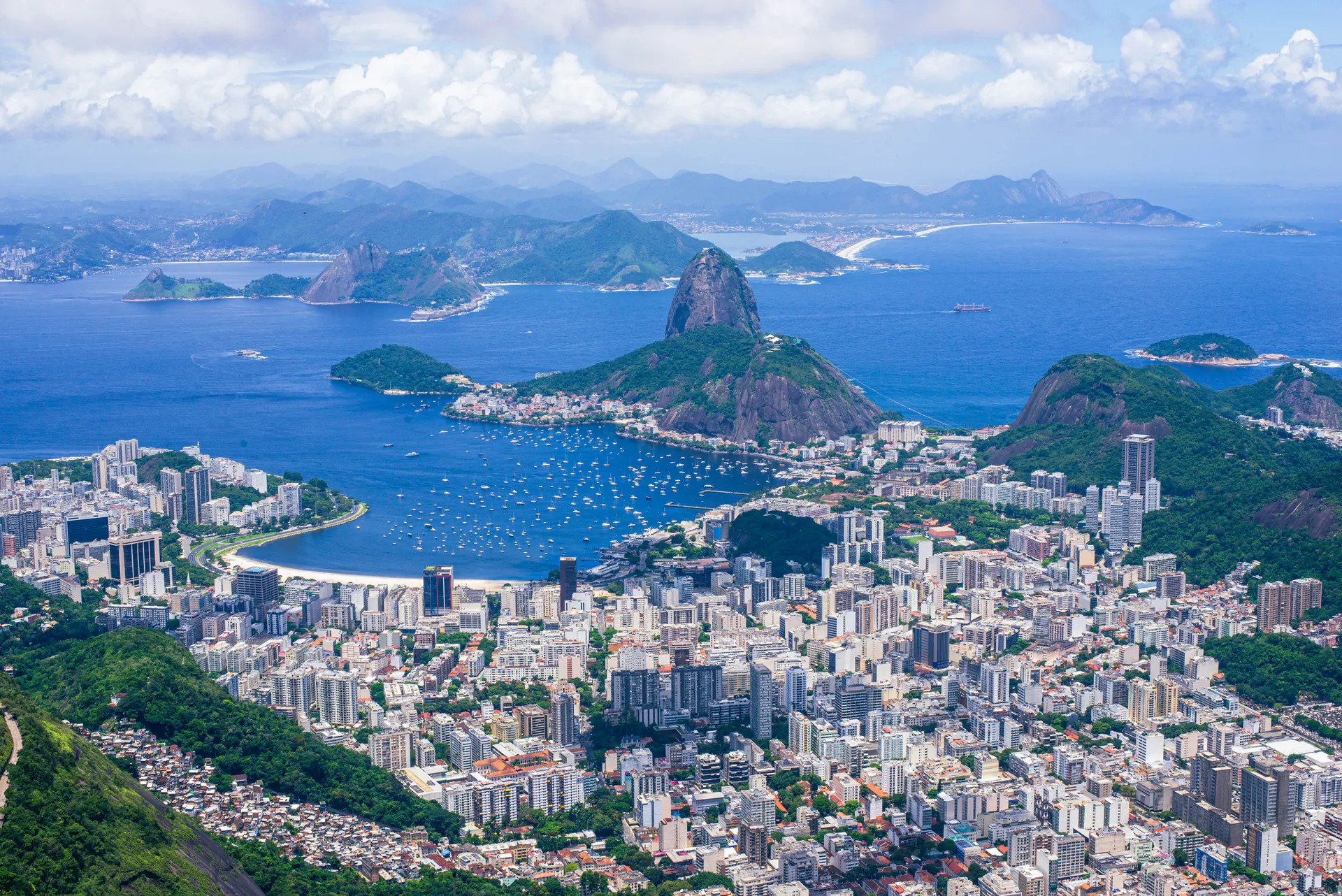
Rio works alone as well, with one qualification worth knowing before you book a room rather than after. The Zona Sul, Copacabana, Ipanema, Leblon, Botafogo and Flamengo, is where visitors actually spend their days and it is the most policed part of the city, which is why our advice on where to stay in Rio de Janeiro is more opinionated about neighbourhoods than about hotels.
Where does solo travel in Brazil get harder?
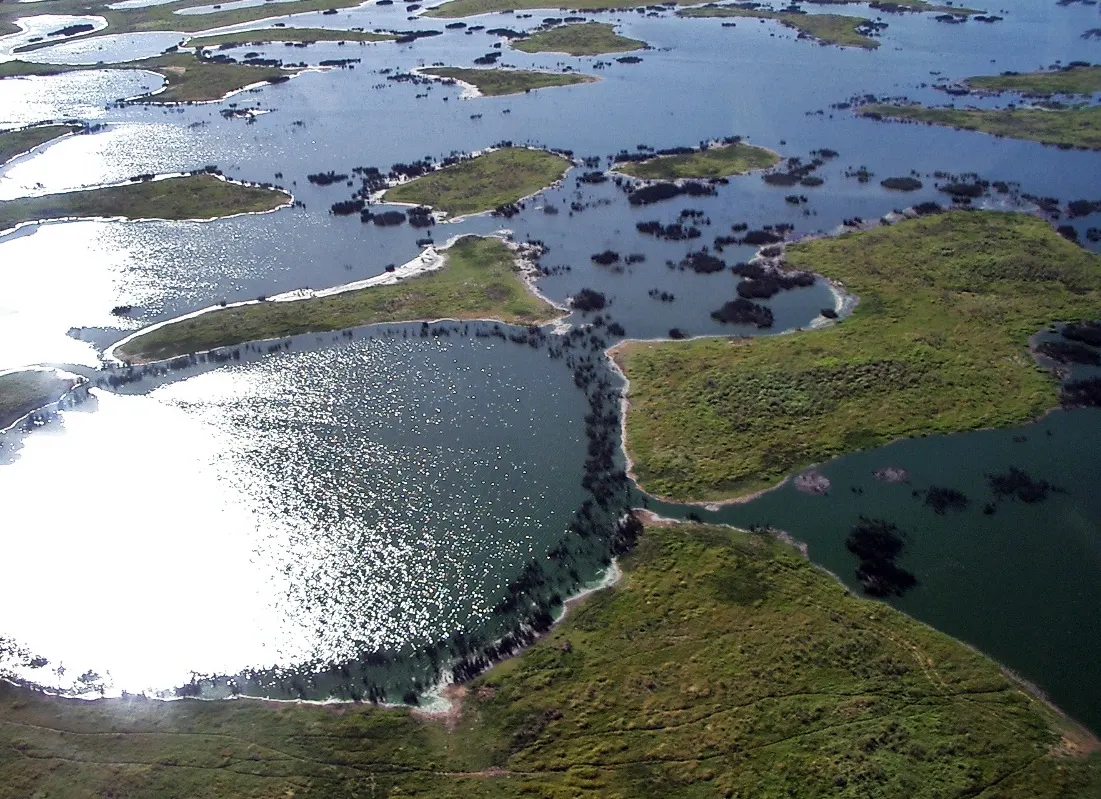
Where the road ends. The Pantanal, the Amazon and the Lençóis Maranhenses are reached by transfer, boat, 4x4 or small plane, and every one of those legs is priced per vehicle rather than per person.
From Manaus airport it is two to four hours by road and boat out to a lodge on the Rio Negro. Ilha Grande, easy once you are standing on it, is a road leg, then a mainland port, then a twenty minute speedboat crossing, three timings that have never heard of each other. Getting to the Pantanal is a transfer of hours on a dirt road. None of that is harder alone in any physical sense. It is harder to absorb alone, because a missed connection is yours to solve at the roadside with nobody to hold the bags.
This is also where the wildlife is, so it is where the solo question bites hardest: on a Wildlife and Nature journey or a single Pantanal safari rather than on a coastal route. If you are coming for jaguars, the dry season from July to October is the constraint that outranks every other preference you have, and our jaguar safari post goes through the solo case for that trip in detail.
Is it safe to travel alone in Brazil?
Safer than the search results imply and not a thing to be casual about. Risk here is concentrated in specific places and specific hours rather than spread evenly, which is precisely the judgement a newcomer has no way to make on day one.
We have a whole post on whether Brazil is safe for tourists, including what the neighbourhood-level picture looks like in Rio, and it says more than we can repeat here.
The sentence that belongs in this post rather than that one: a private guide does not make any place safe. What it removes is a set of decisions you cannot make well without local knowledge, which street, which hour, which taxi, and for a solo traveller those decisions arrive several times a day instead of being shared with somebody else.
What actually goes wrong when you are one person?
Small things that only exist when there is nobody else. Nobody watches the bag while you buy the ticket, nobody holds the table, and a delayed arrival is a decision you make alone in an airport at 23:00.
The transport version of this is worth one specific example, because it is the leg we plan most often. Salvador to Lençóis, the gateway town of the Chapada Diamantina, is about seven and a half hours by guided bus against six by private transfer. On that trip your guide collects you at the hotel, takes you to the terminal, walks you through it and puts you on the right bus. The part that goes wrong with buses in a foreign country is almost never the bus. It is the terminal.
Eating alone, which is the thing people quietly dread most, is the easiest part of the whole business. A table for one is not an event here. The only concern anyone will show is whether one person can finish what arrives, and the honest answer is usually no.
Should you join a small group tour instead?
Sometimes, and we will say so plainly. If the point of the trip is company, a small group tour does something we do not do, because we plan private trips and what we sell a solo traveller is control rather than companionship.
Worth knowing before you choose: solo does not have to mean alone at dinner. In the Pantanal dry season the lodges are busy and there are other travellers around in the evening, while in the green season you may be close to the only guest. Since we plan privately, there is no group you have to join, and equally none you are shut out of, so joining a shared boat one morning and going out on your own the next is a decision you make on the day rather than at booking.
Summary FAQ
Can you travel Brazil alone? Yes. Brazil is a normal country to travel alone in, and the practical constraints are distance, cost per person and language rather than danger. The easiest regions to be alone are the walkable ones, Paraty, Ilha Grande and the old centre of Salvador.
What is the single supplement for a trip to Brazil? Roughly 20 to 50 percent, depending on the property and the season. Hotels and lodges price the room rather than the person, so a solo traveller carries the whole room. We itemise it in your proposal before you decide anything.
Will a private trip run for one traveller? Yes. We plan privately, so there is no minimum group size and no departure that has to fill before it goes ahead. Nothing is cancelled because other bookings did not arrive.
Is Brazil safe for solo female travellers? It is done routinely, and the risk is concentrated in particular neighbourhoods and hours rather than spread across the country. A private guide removes the decisions that are hardest to make without local knowledge. Our post on safety in Brazil covers the detail.
Do you need US$2,000 to enter Brazil? No. There is no cash requirement of that kind for entry. US, Canadian and Australian passport holders have needed an e-Visa since 10 April 2025, which is the actual entry requirement to check.
Which region is best for a first solo trip to Brazil? Rio de Janeiro with the Costa Verde, meaning Paraty and Ilha Grande, is the easiest first solo route: short distances, walkable towns and one domestic flight. The Pantanal is the strongest solo trip if wildlife is the reason you are coming.
Tell us your dates and what you want to see, and you will have a personal, non-binding proposal within 24 hours, with the single supplement written into it rather than waiting at the end. You can also start with the planning call if you would rather ask the awkward questions out loud first.
Official sources
The rules and figures in this article come from the official bodies below. They change, so check them for your own dates.
- Brazil Travel Advisory · U.S. Department of State
- Official Brazil e-Visa portal · Government of Brazil / VFS Global
- CADASTUR, the register of licensed Brazilian tour operators · Ministério do Turismo
- Solo travel
- Planning
- Costs
Turn it into your own Brazil trip
Tell Robin your dates and what caught your eye, or pick the destinations and experiences you love and send us your own route to plan.
Non-binding, a personal reply within 24 hours, in English or German.