
Brazil or Costa Rica is the question we hear from people who want real wildlife and are not heading to Africa. We live in Brazil, which makes us the obvious people to ask and the least neutral. So here is the fair version, and it starts with where Costa Rica wins.
Quick answer: Choose Costa Rica for a short, easy, drive-yourself trip with sloths, monkeys and macaws near the lodge door, especially from the United States. Choose Brazil for jaguars watched in the open from a boat in the Pantanal, for the scale of the Amazon and Iguaçu, and for a trip that also holds Rio and the coast.
We do not sell Costa Rica. Every Costa Rica figure below comes from the country's own tourism board or foreign ministry sources, and the judgments are ours.
Where does Costa Rica clearly win?
Costa Rica wins on ease. It is barely 200 miles wide by its own tourism board's count, a short flight from the main US hubs, and dense with lodges that exist for exactly this kind of trip. Most of its wildlife is a morning's drive from the last.
The tourism board says 26 percent of the land is protected and credits the country with as much as 6 percent of the world's species. More useful to a visitor is what was built on top: marked trails, canopy walks, guides trained for beginners, and roads you can drive yourself. A first-time traveller can land in San José, rent a car and plan the week as it goes.
Costa Rica also has something Brazil does not. The resplendent quetzal lives in Central America's cloud forests, not in ours. If a quetzal is on your list, book Costa Rica and stop reading.
Two hundred miles is also a useful number to hold against ours. Plenty of our domestic flights cover more than that before the coffee arrives.
Where does Brazil clearly win?
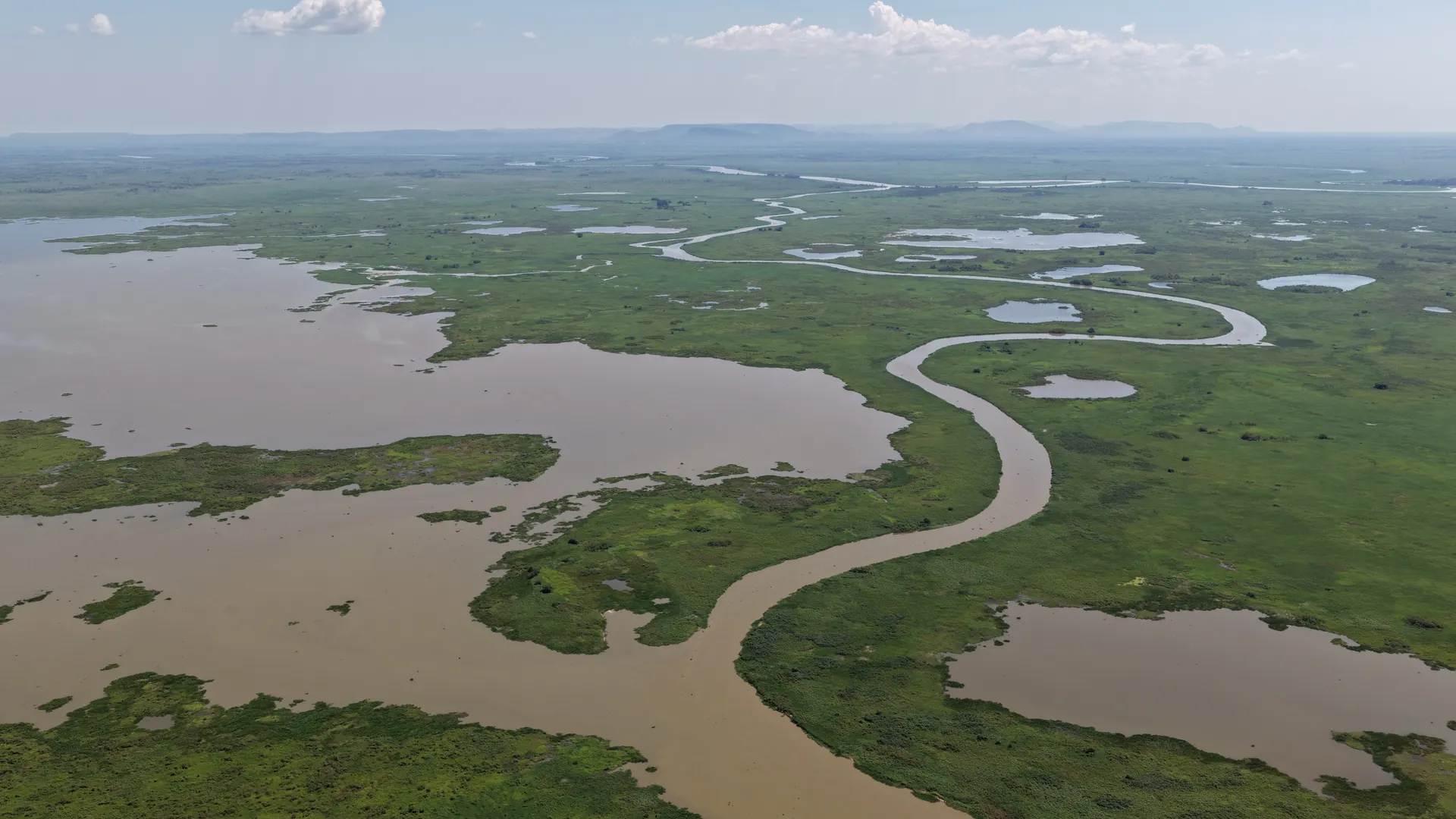
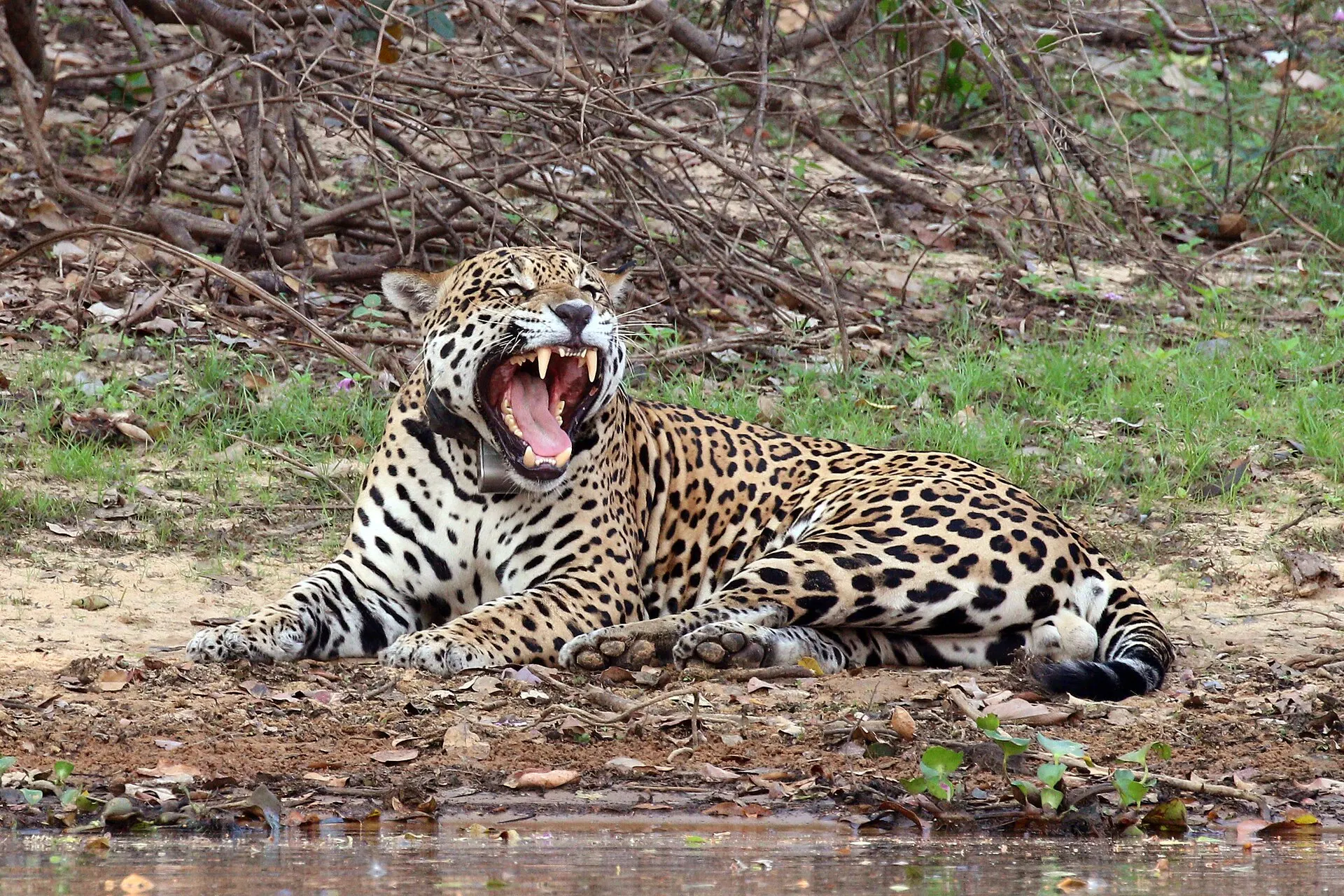
Brazil wins on scale, on big animals in the open, and on variety inside one trip. The Pantanal is the largest tropical wetland on Earth, and in the dry season, roughly June to October, jaguars are watched from small boats along its rivers. Costa Rica has no wetland of that size.
The western Pantanal around Cáceres is the route we now point most people to. It is about three hours from Cuiabá, half the drive to Porto Jofre, far from mass tourism, with good jaguar chances and a more original feel. Our western Pantanal safari runs there. Porto Jofre in the north stays a strong option: with four nights there you can be fairly sure of a jaguar, though nobody can promise one, and it is often busy. Our private jaguar safari runs on that road, and our Pantanal jaguar safari guide explains the three ways in.
Your guide will say the boat leaves at five. At five the boat is ready. The jaguar keeps its own schedule, and nobody honest promises you a sighting.
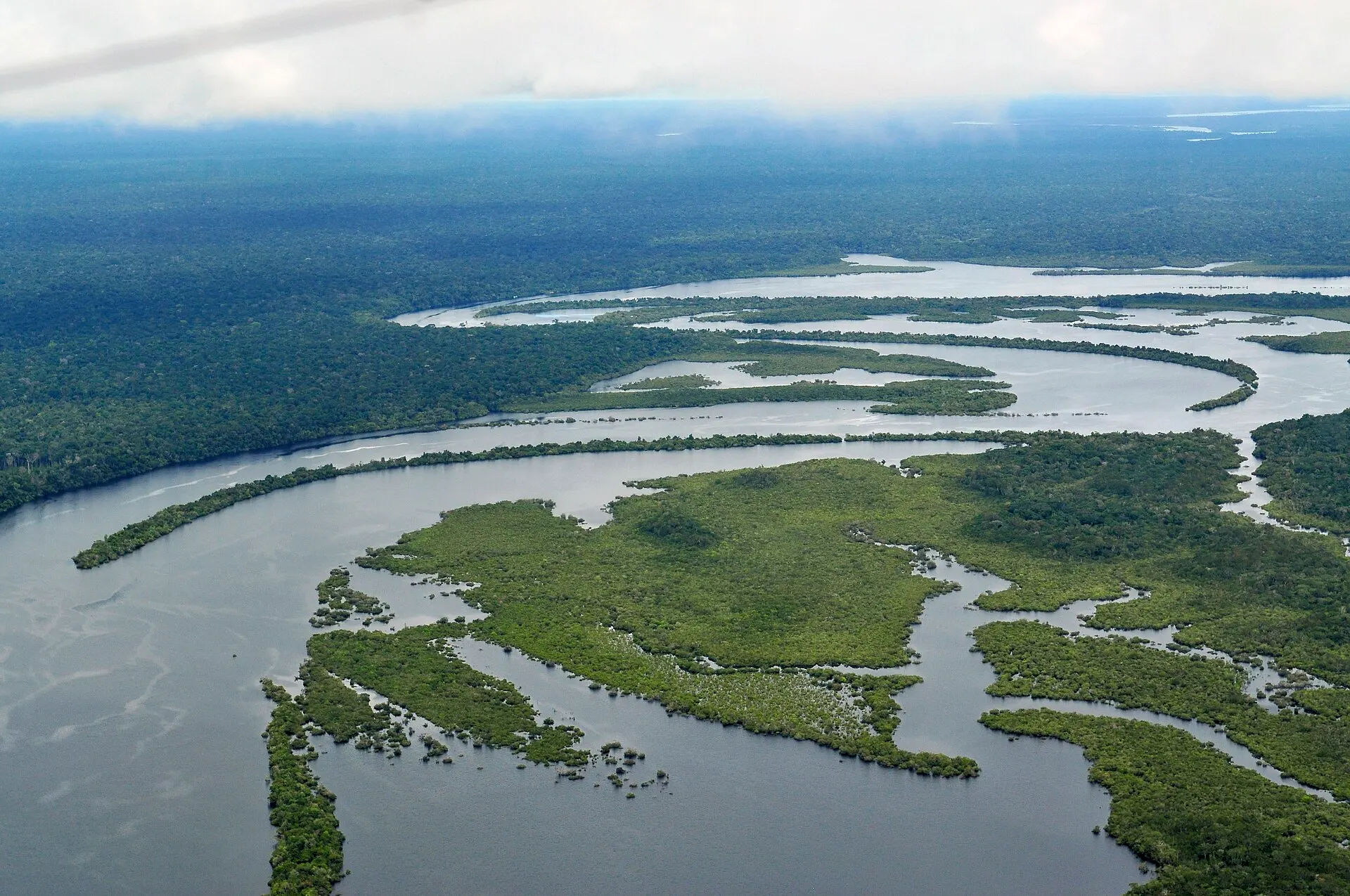
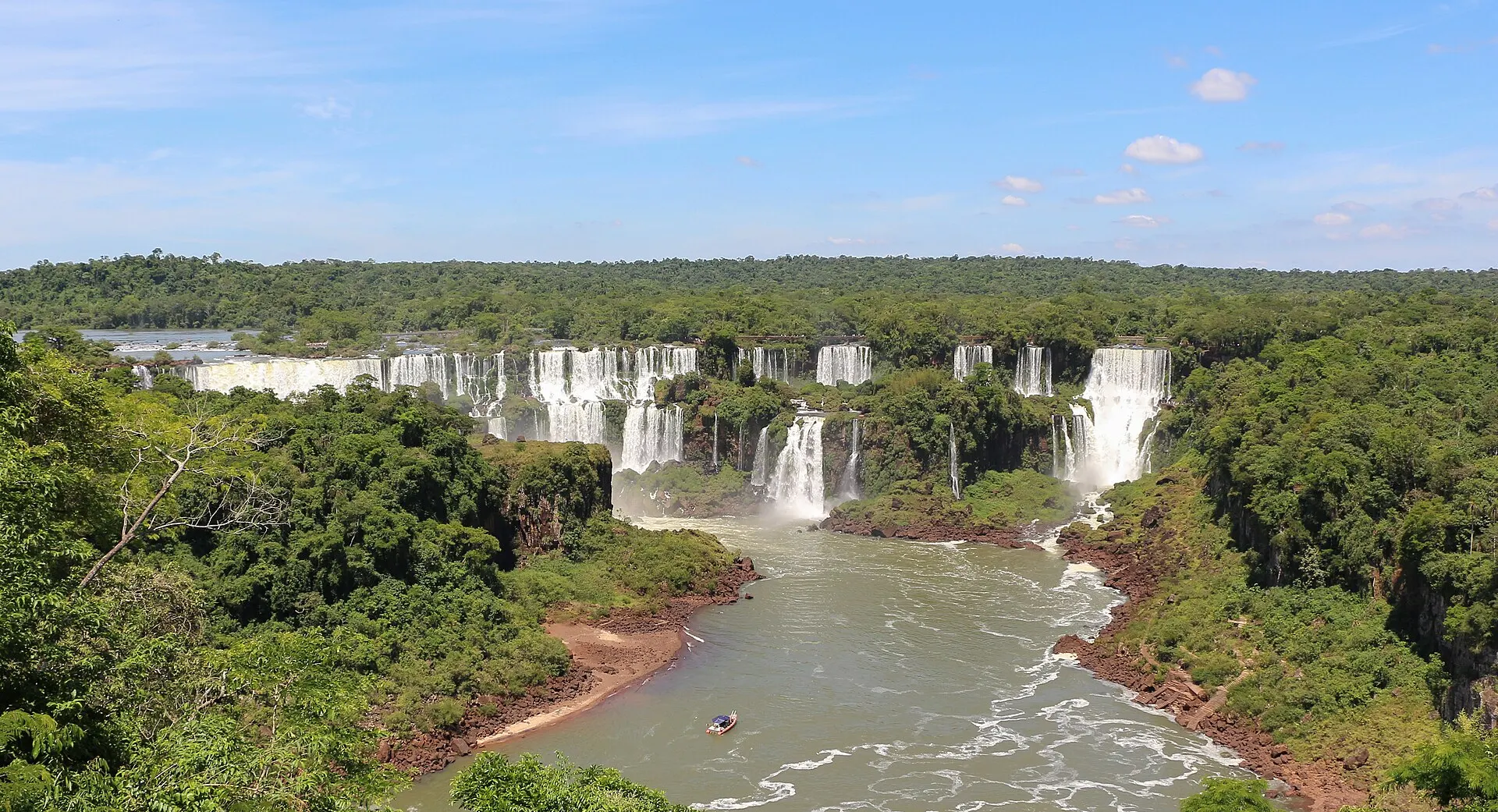
Then there is everything around the cat. The Amazon, the falls at Iguaçu from both the Brazilian and the Argentine side, and a coast with whales, turtles and Rio itself. One country, one visa, one trip. Our Brazil wildlife guide shows which animal lives where.
Pantanal or Costa Rica: which shows you more animals?
Costa Rica shows more kinds of animals in a small area, mostly in forest where many sit in the canopy. The Pantanal shows bigger animals in the open and in numbers, because a plain gives them nowhere to hide. It depends on whether you want variety or spectacle.
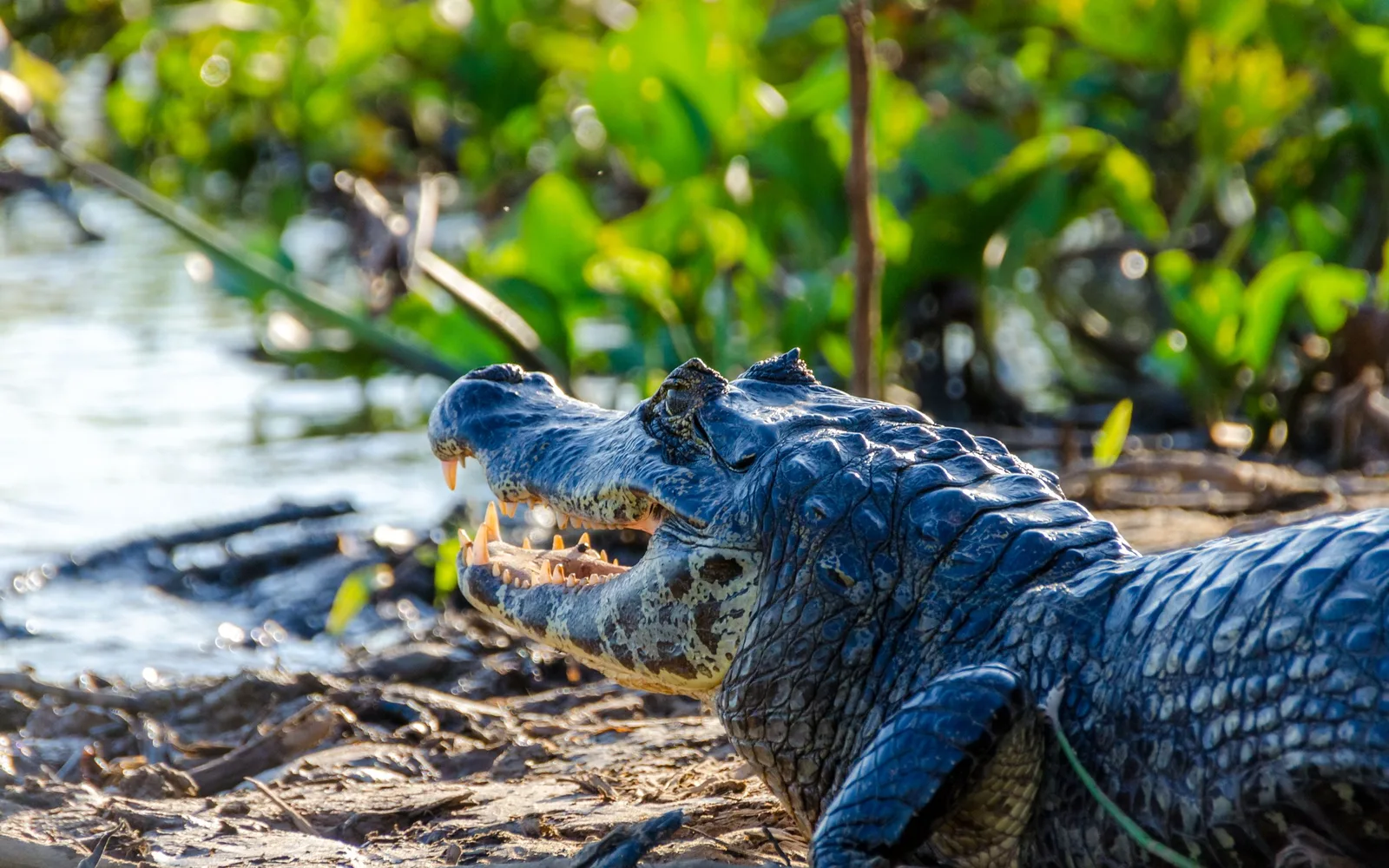
Capybaras in the Pantanal treat the lodge lawn as their own and the guests as temporary tenants. Caimans line the banks by the hundred, giant otters are loud and unbothered, and hyacinth macaws and jabiru storks cross the sky. Our guide to the Pantanal beyond the jaguar goes animal by animal.
Brazil has sloths and monkeys too. Three-toed sloths and howler and capuchin monkeys live in the Amazon and the Atlantic Forest. Costa Rica simply makes them easier to find and puts them closer to the lodge door, and we will not pretend otherwise.
| Costa Rica | Brazil | |
|---|---|---|
| Size | About 20,000 square miles, barely 200 miles wide | A continent, with regions a flight apart |
| Habitats | Rainforest, cloud forest, volcanoes, two coasts | Pantanal wetland, Amazon, Atlantic forest, Iguaçu, coast |
| Signature animals | Sloths, monkeys, scarlet macaws, quetzal | Jaguar, giant otter, capybara, hyacinth macaw, pink river dolphin, plus three-toed sloths and howler and capuchin monkeys |
| Best months | Usually December to April | Pantanal June to October, Amazon all year in two water seasons |
| Getting around | Rental car or shuttle, short drives | Domestic flights, then a guide or driver |
| Protection | 26 percent of the land, per its tourism board | The Pantanal Conservation Area is a UNESCO World Heritage site |
Jaguars do live in Costa Rica. Sightings there are rare enough to be a story rather than a plan.
How do flights, distances and entry rules compare?
From US hubs, Costa Rica is a short flight and Brazil is a long haul, usually overnight from the East Coast, followed by a domestic flight to Cuiabá or Manaus. US citizens also need an e-visa for Brazil, which has been mandatory since 10 April 2025.
The e-visa is applied for online before you fly, and the fee is US$80.90. Costa Rica has its own entry rules for your passport, which we do not cover here, so check them before booking.
The distance is the real price of Brazil. Every change of region costs about half a travel day, so a Pantanal and Amazon trip needs more days than a Costa Rica loop. Nobody drives from the Pantanal to the Amazon, you fly, and a guide meets you at the gate on every arrival with a name sign, domestic flights included. Our guides speak English throughout, and personal support is available 24/7 during the trip. That is why we plan around a ten day minimum when wildlife is combined with anything else.
Which is better for a first trip, a short trip or a family?
For a first nature trip of about a week, Costa Rica is the gentler choice. For ten days or more, or a trip that includes a city and a beach, Brazil gives you more. We generally recommend the Amazon and Pantanal for children from age five.
That is a recommendation, not a ban. We have arranged both with younger children after a frank talk about early starts and long outings, and car seats are available on request for every transfer. If a child's pace is the limit, Rio, Paraty and the Atlantic rainforest above the city suit it better. Our guide to Brazil with kids has the routes that work.
For a first visit to Brazil as a whole, our first trip itinerary guide ranks places by usefulness rather than beauty.
Is Brazil or Costa Rica safer?
Neither country is risk free, and the official advice for both says so. Germany's foreign ministry lists petty theft in Costa Rica's cities and busy parks and notes violent crime rising nationwide. In Brazil the risk sits in specific places and moments.
A private guide removes most of that, and common sense covers the rest: crowded tourist spots, certain neighbourhoods after dark, valuables out of sight. We keep the full version in our post on whether Brazil is safe for tourists, including what the US State Department currently says.
When is the best time to go to each?
Costa Rica is usually visited in its drier months, roughly December to April. The Pantanal's dry season runs roughly June to October, and the Amazon's low water June to November. The calendars barely overlap, so your free weeks may decide the country before anything else does.
If your time falls in January, Costa Rica fits and the Pantanal does not: from December to March the wetland floods and the animals spread out. If it falls in July or August, the Pantanal is at its strongest. We would send you in August, because July is also the Brazilian school holiday and lodges fill up. Our best time to visit the Pantanal has the month by month detail.
So which one should you choose?
Choose Costa Rica if you have about a week, want to drive yourself and want sloths and monkeys near your door. Choose Brazil if jaguars, the Pantanal or the Amazon are the point, or if you want wildlife and Rio in one trip.
Choose Costa Rica if:
- You have a week or less and fly from the United States.
- You want a rental car and to decide each day as you go.
- Cloud forest and quetzals are on your list.
- It is your first nature trip and you want the softest landing.
Choose Brazil if:
- A jaguar in the open is the dream and you can travel between June and October.
- You want scale: the largest tropical wetland, the Amazon, and the falls at Iguaçu from both sides.
- You want wildlife with a city, a beach or some culture around it.
- You have ten days or more and a local guide to handle the distances.
If you have six days and a rental car, we would send you to Costa Rica, and we would lose the booking. If you have two weeks and want a cat, we would send you to the Pantanal.
Our twelve day wildlife and nature journey runs from Rio by way of Iguaçu and the northern Pantanal to the Amazon, from US$4,500 per person with flights not included, and the Amazon post is honest about who should skip that last stop.
Summary FAQ
Is Brazil or Costa Rica better for wildlife? Costa Rica is easier and shows many species in a small area. Brazil is better for jaguars in the open, for the Pantanal and the Amazon, and for combining wildlife with Rio and the coast. The better one depends on your days, your season and your starting airport.
Can I see jaguars in Costa Rica? Jaguars live in Costa Rica, but sightings are rare enough to count as luck. In the Pantanal they are watched from boats in the dry season, roughly June to October, though nobody honest promises one.
Is Brazil cheaper than Costa Rica? Not by default. The cost of a wildlife trip follows remoteness, lodge style and how many internal flights you take, not the country. We publish only the Brazil side: planning on the ground at US$200 to US$400 per person per day, and a four day northern Pantanal lodge from US$1,830 per person, flights not included. We have no Costa Rica figures, so compare quotes for the same number of days and ask what each includes, flights included.
How many days do I need in Brazil for wildlife? The Pantanal alone works in four to five days, and the Amazon needs four on the ground at the minimum. Combined with Rio or Iguaçu, plan ten days or more.
Do I need a visa for Brazil? US citizens need an e-visa, mandatory since 10 April 2025, applied for online before travel, with a fee of US$80.90. Check Costa Rica's entry rules for your passport separately.
Is the Pantanal worth it compared with Costa Rica? Yes, if big animals in open country matter more to you than ease. If a short, drivable trip matters more, Costa Rica is the better fit.
If you are still torn, tell us your dates and what you most want to see, and you will have a personal, non-binding proposal within 24 hours, including an honest "go to Costa Rica" if that is the right answer. We would rather lose the booking than send you to the wrong country.
Read next
Official sources
The rules and figures in this article come from the official bodies below. They change, so check them for your own dates.
- About Costa Rica: protected land and biodiversity · Costa Rica Tourism Board (ICT)
- Pantanal Conservation Area, World Heritage List · UNESCO
- Official Brazil e-Visa portal · Government of Brazil / VFS Global
- Wildlife
- Planning
- Comparison
Turn it into your own Brazil trip
Tell Robin your dates and what caught your eye, or pick the destinations and experiences you love and send us your own route to plan.
Non-binding, a personal reply within 24 hours, in English or German.