
The most common wildlife question we get is some version of "where do we see all of it", and the honest answer starts with a small disappointment: nowhere. Brazil does not keep its animals in one place for visitors. It spreads them across a wetland, a rainforest, an ocean and a waterfall, and it runs each one on its own calendar.
Quick answer: For big animals in the open, go to the Pantanal in the dry season, June to October. For pink river dolphins, monkeys and sloths, the Amazon, in either water season. For humpback whales, the coast of Bahia from July to October. For spinner dolphins and turtles, Fernando de Noronha. And for coatis and toucans, the Iguaçu falls.
Where is the best wildlife in Brazil?
The Pantanal, and it is not especially close.
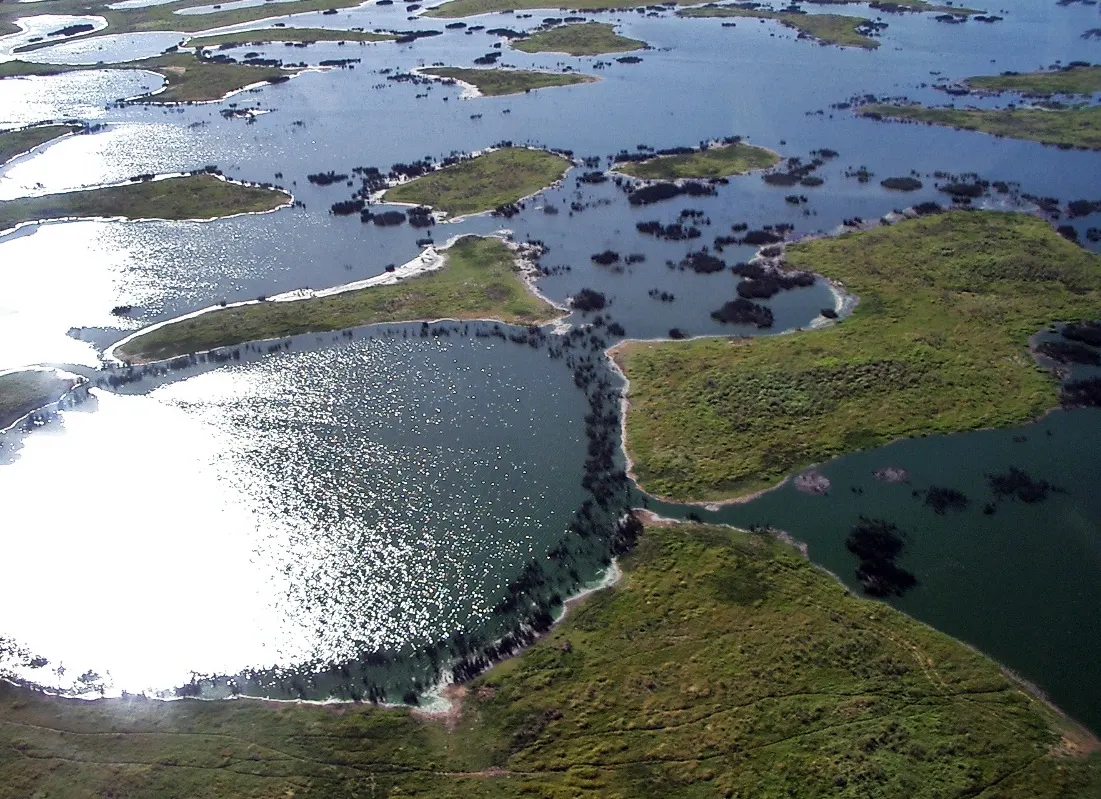
It is the largest tropical wetland on Earth, and it is open country rather than forest, which is the whole point. In the dry season the water retreats and the animals gather along the rivers and roads in numbers that do not look real. Everywhere else on this list is excellent. The Pantanal is the one place where the animals are simply in front of you.
The Pantanal: big animals, in the open
Come in the dry season, roughly June to October. July to September is the strongest stretch, and August is the month we recommend most.
You can reasonably expect capybaras, caimans by the hundred, giant otters, hyacinth macaws, toco toucans and the jabiru stork, plus tapirs and night monkeys after dark. It is watched from open safari vehicles and calm boats rather than on long treks.
The wetland has two halves and they are different trips. The north, from Cuiabá, is where the jaguar boat safaris happen, and our jaguar safari guide covers that one specifically. The southern Pantanal, from Campo Grande, leans towards birds, anteaters and horseback on the fazendas, and is weaker for reliable jaguars. Our guide to the Pantanal beyond the jaguar goes animal by animal.
The Amazon: the forest, and what it hides
In four days on the river you can reasonably expect pink river dolphins, caiman after dark, monkeys, sloths and more birds than you will be able to name.
Jaguars and anacondas live here too, and almost nobody sees them, because the forest hides at arm's length what an open plain shows you from a kilometre away. If a jaguar is the point, we send you to the Pantanal instead.
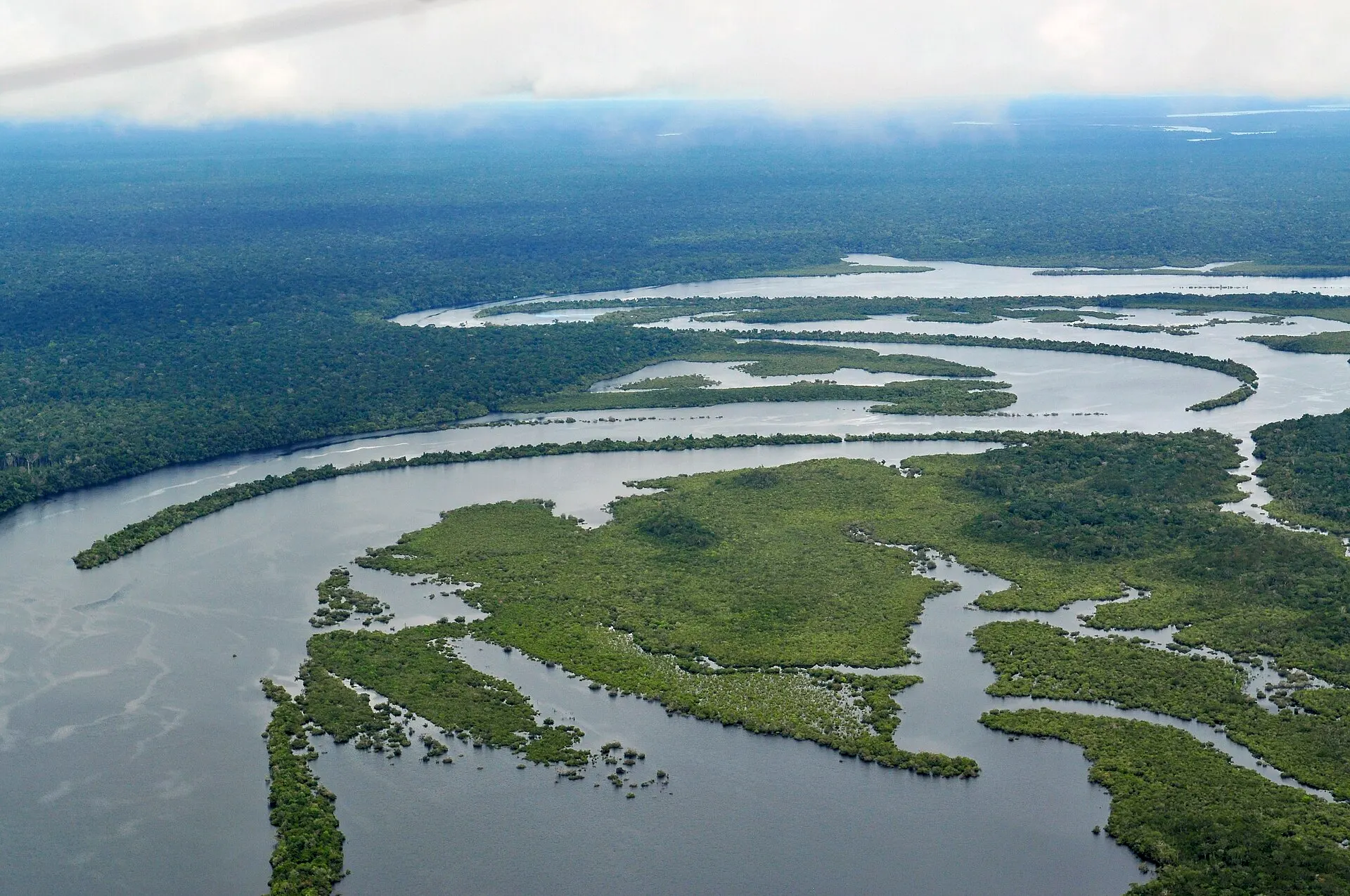
What changes your Amazon is the water. High water, roughly January to June, floods the forest and lifts your canoe to canopy height, so monkeys and sloths sit at eye level. Low water, roughly July to December, opens the trails and concentrates the animals around the remaining channels. Our Amazon wildlife guide explains what each season shows.
The coast: whales, turtles and dolphins
Three different animals, three different places, and none of them is in the forest.
- Humpback whales pass along the Bahian coast from July to October. A morning boat trip out of Praia do Forte is the version we run, and the village is also home to the Tamar sea turtle project.
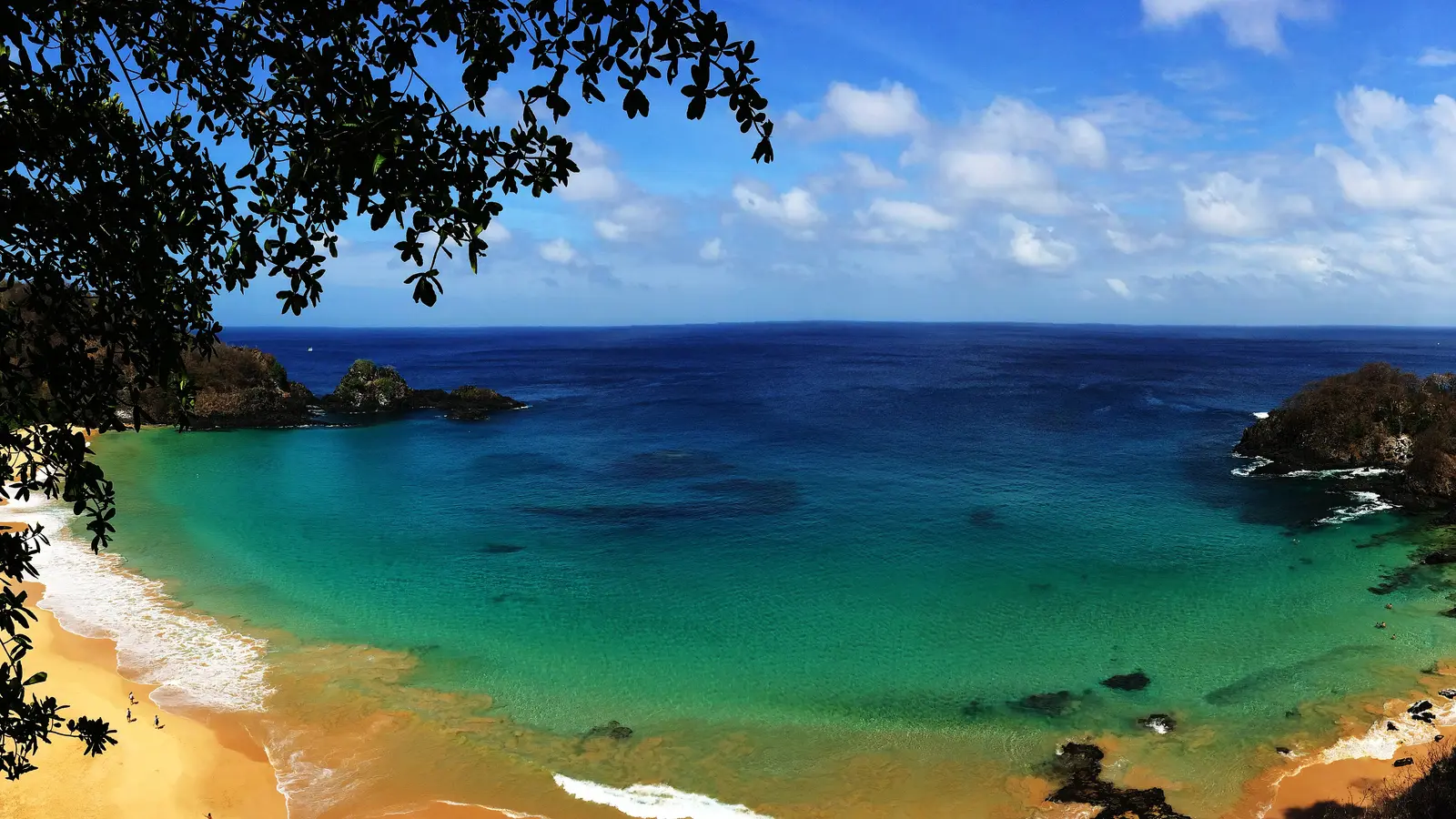
- Spinner dolphins come into the Baía dos Golfinhos on Fernando de Noronha at first light to rest, watched from the clifftop because the bay is closed to boats and swimmers. Green turtles nest on Praia do Leão roughly January to June, and the diving brings lemon and nurse sharks and rays.
- Southern right whales appear off Santa Catarina roughly July to November. We do not run trips there, and our whale guide says so.
The places people forget: Iguaçu and the delta
Two destinations people book for something else entirely, and come home talking about the animals.
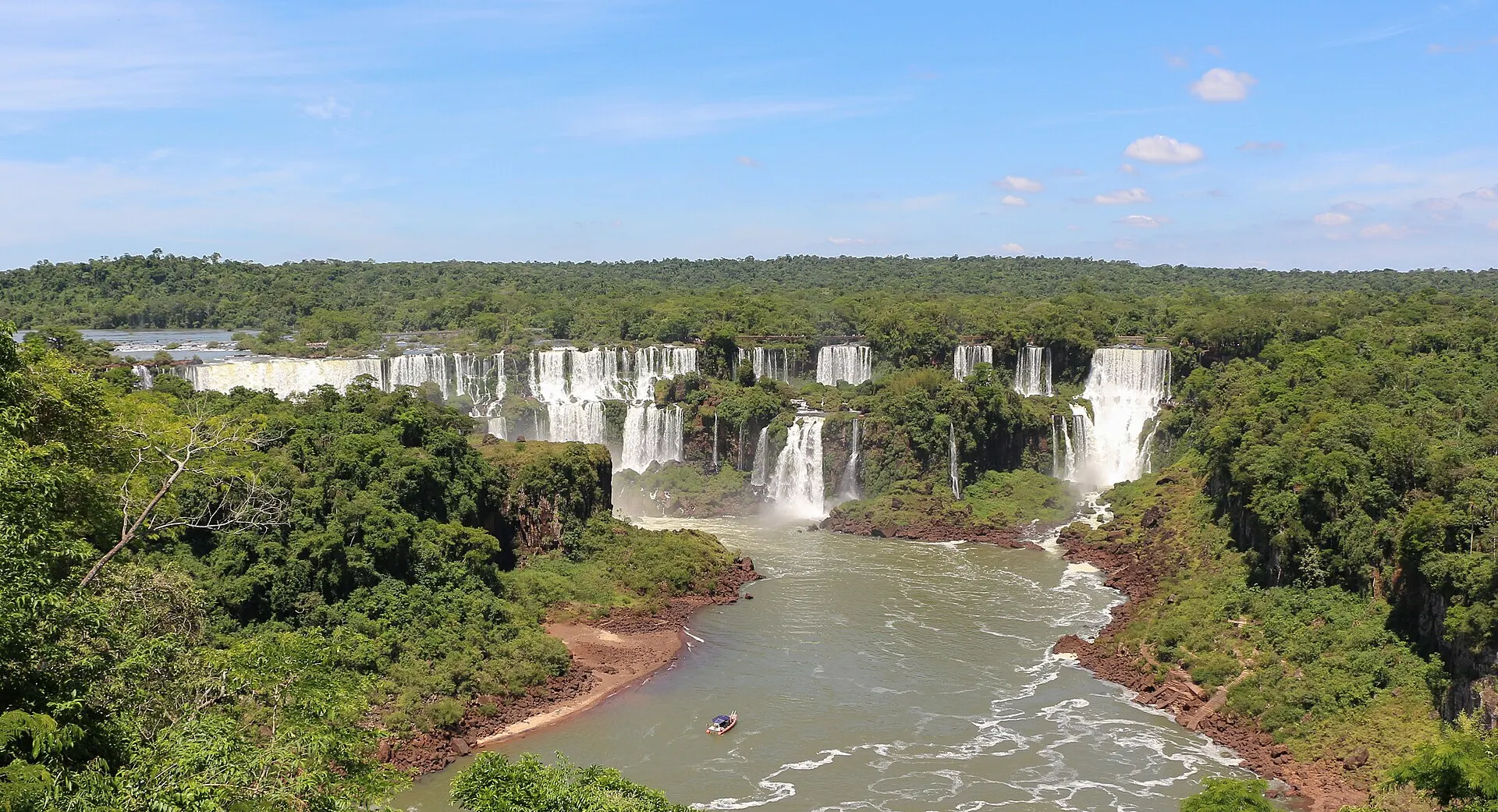
At Iguaçu, coatis patrol the walkways and will try your bag, toucans cross overhead, butterflies land on you between viewpoints, and great dusky swifts fly straight through the falling water to nest behind it.
On the Rota das Emoções, the evening in the Parnaíba Delta ends with scarlet ibises flying home to roost, first in pairs, then in their thousands, until one island turns red.
Which animal, which month
A short version to plan around, because most trips can catch two of these at once.
- Jaguars and the big Pantanal wildlife: June to October, strongest July to September.
- Pink river dolphins, monkeys and sloths: the Amazon, where high and low water show them differently and no month is one to avoid.
- Humpback whales: July to October, off Bahia.
- Spinner dolphins: Noronha, at first light.
- Nesting green turtles: roughly January to June, Noronha.
- Coatis and toucans: the walkways at Iguaçu.
The Pantanal and the Amazon pair naturally, because one gives you animals in the open and the other the forest and the river dolphins.
What does a Brazil wildlife trip cost?
Every wildlife region we sell has a published starting price, per person, privately guided, with accommodation and transfers included.
- The northern Pantanal, 5 days: from US$1,800 per person, privately guided, with accommodation and transfers included.
- The southern Pantanal, 5 days: from US$1,350 per person, privately guided, with accommodation and transfers included.
- The Amazon, 4 days: from US$950 per person, privately guided, with accommodation and transfers included.
Those are prices for booking one region on its own, so they do not simply add up to a route. Our twelve-day wildlife journey, Rio to Manaus by way of Iguaçu, the northern Pantanal and the Amazon, starts from US$4,000 per person. Flights are never included.
Summary FAQ
Where is the best place to see wildlife in Brazil? The Pantanal, in the dry season from June to October. It is an open wetland rather than a forest, so capybaras, caimans, giant otters, hyacinth macaws and, in the north, jaguars are seen in the open from vehicles and boats.
Can you see jaguars in Brazil? Yes, most reliably in the northern Pantanal from June to October, with July to September the strongest stretch, on boat safaris out of the Cuiabá side. Jaguars also live in the Amazon, but almost nobody sees them there. Nobody honest will promise you a sighting.
What animals can you see in the Amazon? Pink river dolphins, caiman after dark, monkeys, sloths and a great many birds, over four or five days from Manaus. The headline animals, jaguars and anacondas, are present and rarely seen.
When can you see whales in Brazil? Humpback whales pass the coast of Bahia from July to October, and we run morning boat trips out of Praia do Forte. Southern right whales appear off Santa Catarina roughly July to November, a coast we do not operate on.
Can you combine the Pantanal and the Amazon? Yes, and it is one of the most natural pairings in the country, because the Pantanal gives you open wildlife and the Amazon the forest and the river dolphins. Our twelve-day wildlife journey does exactly that, starting from US$4,000 per person.
Tell us which animal is the point of your trip and when you can travel, and we will build the route around both. You will have a personal, non-binding proposal within 24 hours.
Official sources
The rules and figures in this article come from the official bodies below. They change, so check them for your own dates.
- ICMBio, the federal agency for Brazil’s national parks · Governo Federal do Brasil
- Pantanal Conservation Area, World Heritage List · UNESCO
- Projeto TAMAR, Brazil’s national sea turtle conservation programme · Fundação Projeto Tamar
- Wildlife
- Planning
Turn it into your own Brazil trip
Tell Robin your dates and what caught your eye, or pick the destinations and experiences you love and send us your own route to plan.
Non-binding, a personal reply within 24 hours, in English or German.