Fernando de Noronha is the tip of a volcano that never quite finished the job, 21 islands and rocks sitting 350 kilometres off the coast of Pernambuco, of which exactly one is inhabited. Roughly seventy percent of the archipelago, and the water that matters most, is the Parque Nacional Marinho de Fernando de Noronha, and the whole property has been on the UNESCO World Heritage list since 2001 together with the Atol das Rocas. That protection is not decorative. It shapes what you can do here, when, and with how many other people.
The island decides how many visitors it will take, charges an environmental tax for every day you stay, and asks a separate park fee before you set foot on the beaches inside the reserve. The trails with the natural pools, Atalaia above all, run on booked slots tied to the low tide, in groups small enough to be counted. It sounds like a lot of admin, and honestly, it is. It is also exactly why the reef is still alive, why the water at Sancho is the colour it is, and why a beach here on a Tuesday in October can feel close to empty.
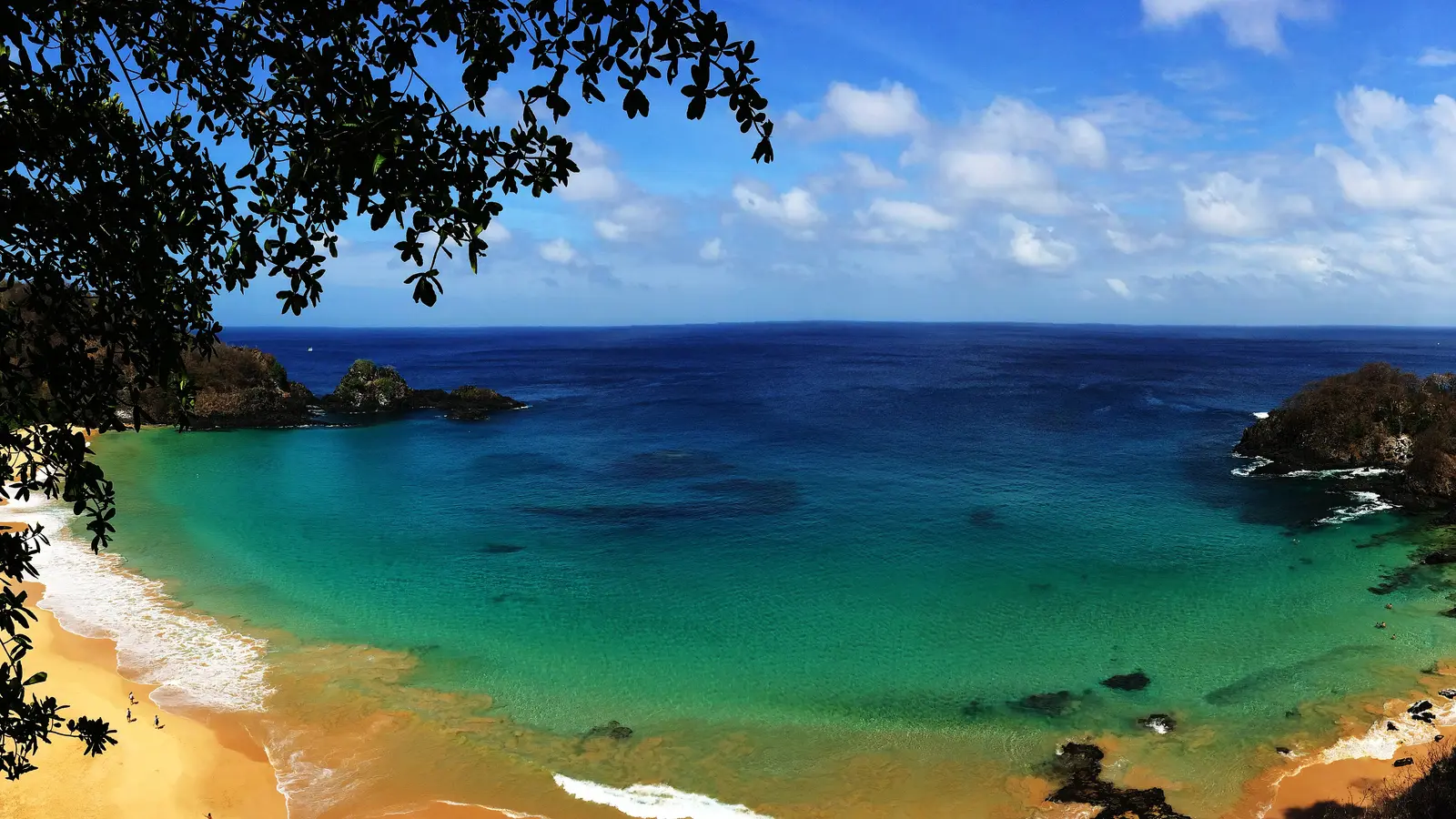
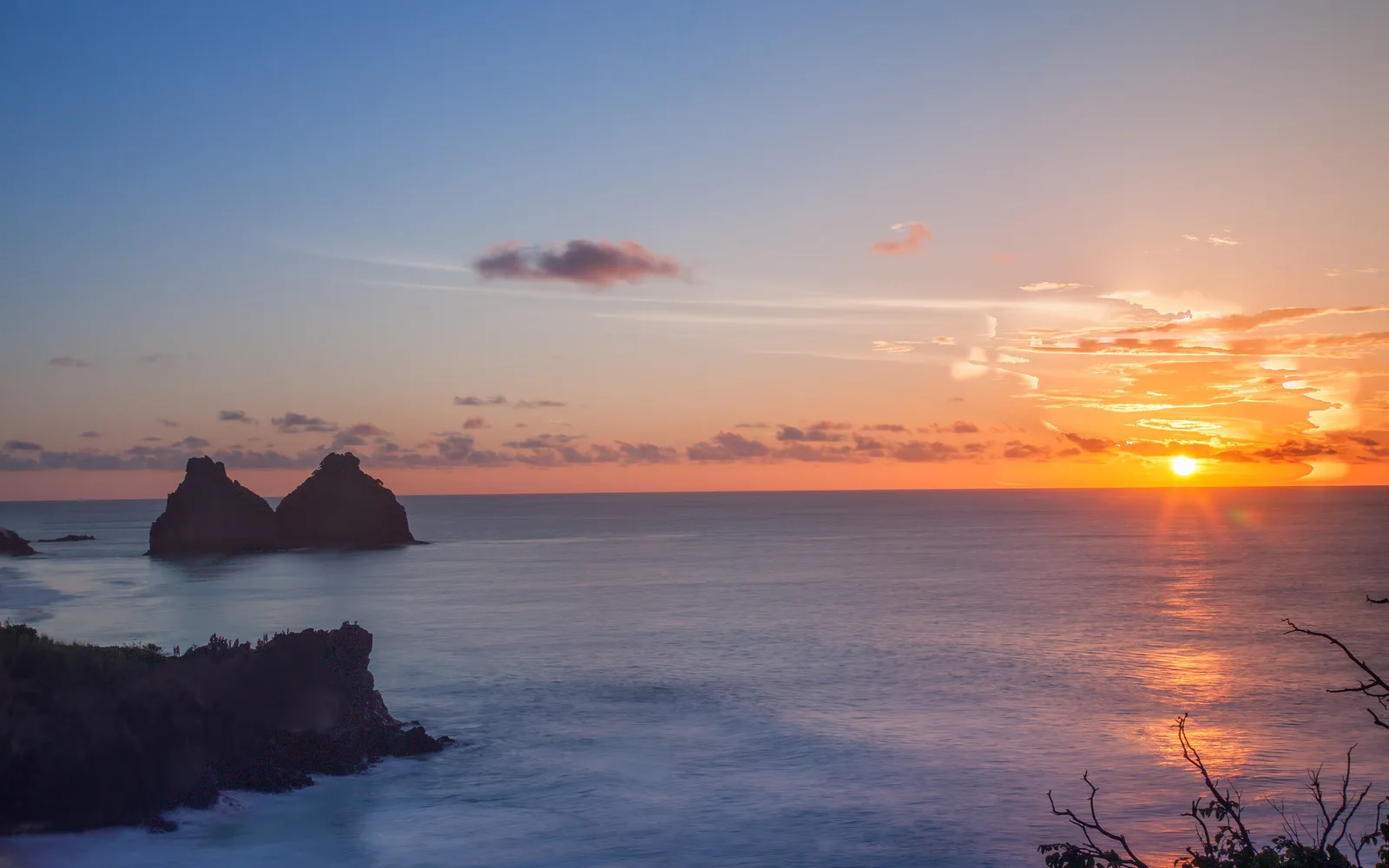
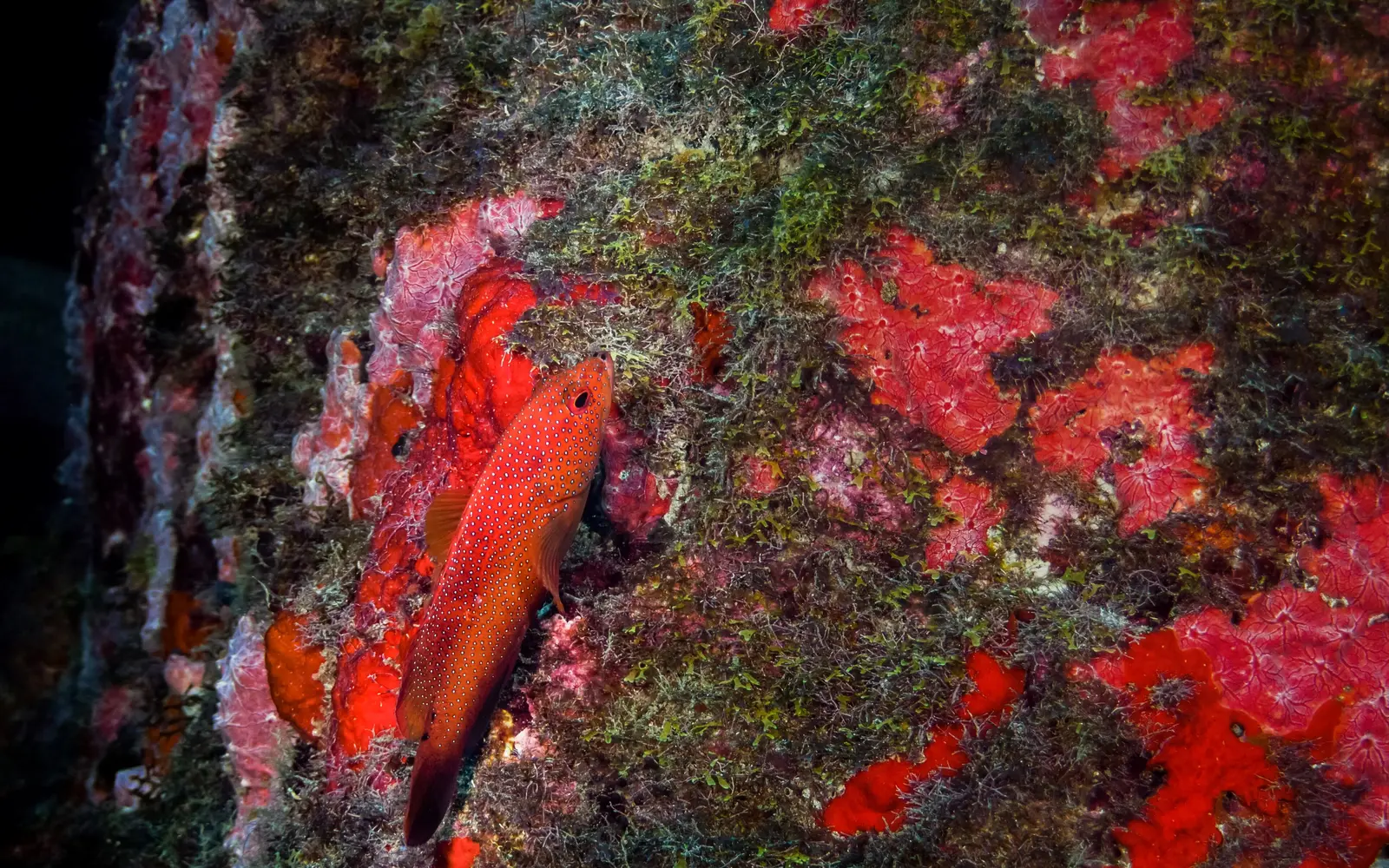
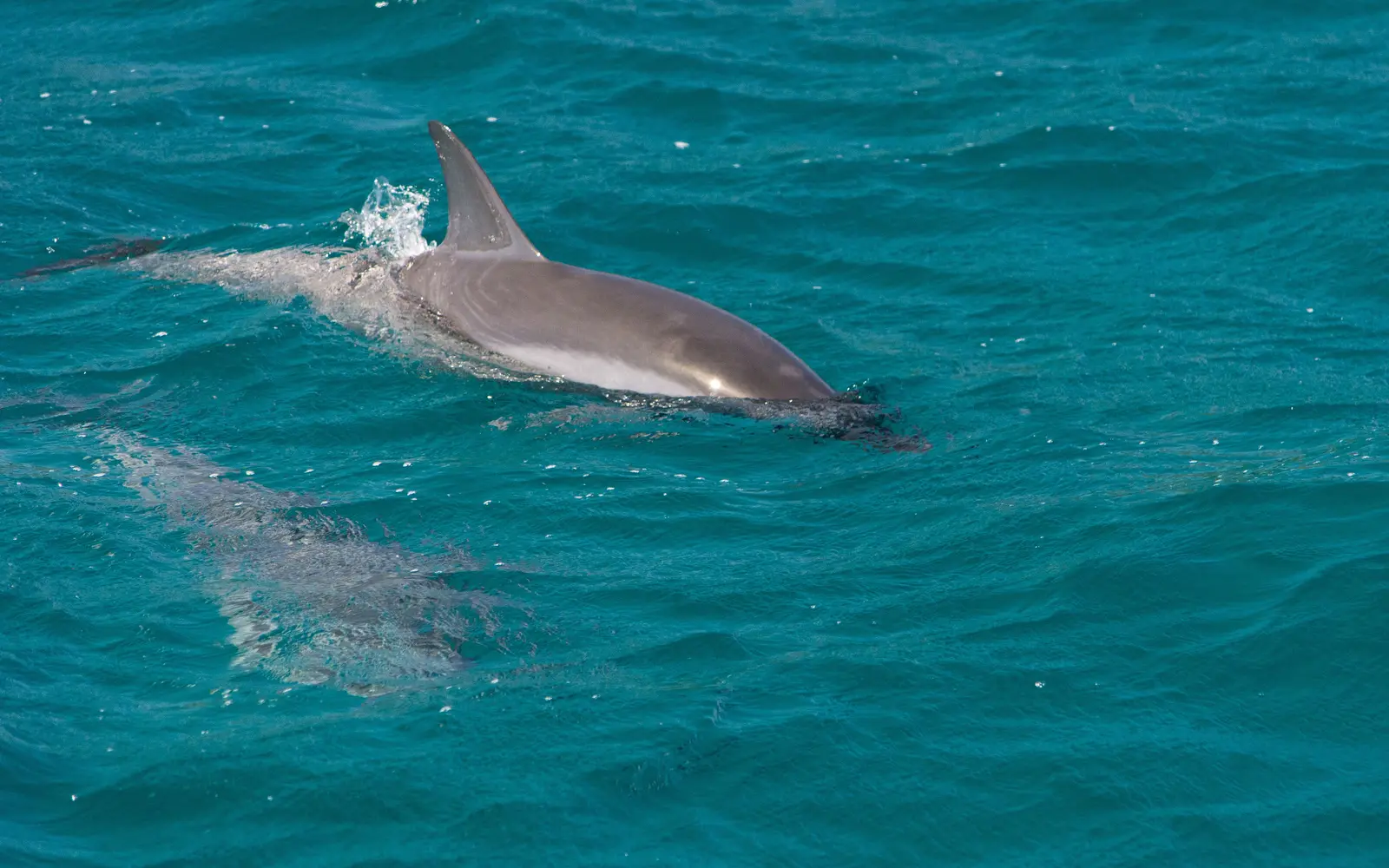
What you come for is the water. Baía do Sancho, reached down a staircase bolted into a cleft in the cliff, has been voted the best beach in the world more times than we can politely mention. Baía dos Porcos sits below Morro Dois Irmãos, the twin rock that ends up on every photo anyone brings home. Spinner dolphins come into the Baía dos Golfinhos to rest at first light, and the diving, with visibility that regularly runs past thirty metres, is the best in Brazil by a wide margin. Four days is enough. Six is better, because the sea sets the schedule here, not you.